| pronouns | ne/nem, they/them |
Etomo Kees
@etosaurus
- 57 Followers
- 134 Following
- 3.4K Posts
not sure what I'm about yet
 neville park
Romance isn't dead. A new paper argues that a species of wood-eating cockroaches (_Salganea taiwanensis_) pair-bond by eating each other's wings. Then they defend their nest and care for their children all their lives.
📄 Paper: https://doi.org/10.1098/rsos.251992 
📰 News story: https://www.npr.org/2026/03/18/nx-s1-5749488/cockroach-pair-bonding-relationships-wing-eating
(via @globalmuseum)

 Jerome G
 Sara
Saraseeing another round of "don't favorite posts on fedi"
folks it is a kind and lovely thing to favorite someone's post and anyone who tells you not to be kind and lovely has told you something about themself
it's true that it doesn't particulary increase the distribution of your post but the idea that we're all here to get things distributed as far as possible is pretty weird
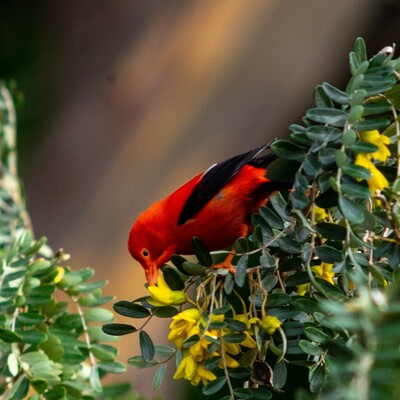 Bird of the day
Malayan Peacock-Pheasant
Odd-looking stumpy pheasant. Dull brown with iridescent green and blue eye-spots on the upperparts; these are much brighter and more prominent in the male. Also note male’s more thickset appearance, brighter red facial skin, and strange forward-pointing crest. Moves quietly through lowland rainforest; males give complex displays during the breeding season.
Link: https://ebird.org/species/mapphe1
Photo Location: Malaysia

 Nanoraptor
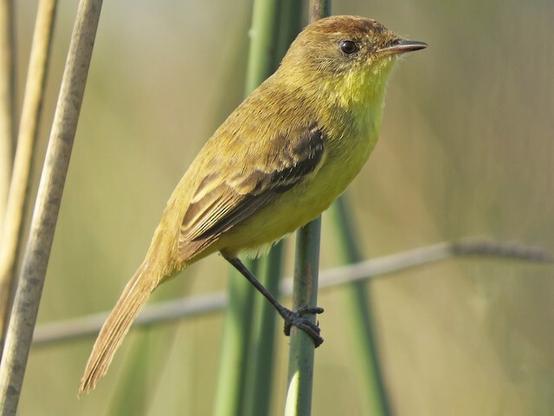
Warbling Doradito
Small two-toned flycatcher, olive-brown above and yellow below. Note the rufescent crown patch. Found in tall-grass marshes, especially those with sedges. Typically difficult to locate, but during migration can be found in various areas with tall grass. The call is a series of nasal squeaky notes: “chek, chek, chek, chek-chick-chick-chiquetik.” The rather similar Dinelli's Doradito has a more olive-colored, less brownish back.
Link: https://ebird.org/species/wardor1
Photo Location: Argentina
 Ada Palmer
Costa Rica has completely reversed its rampant deforestation from the 20th century, lifting natural forest cover from under 25% by 1985 to well over half the country today. A national payments for ecosystem services scheme helped, along with a 1996 ban on converting natural forest, a beef-price slump that reduced pasture profits, and booming ecotourism that created more incentives to keep forests standing than to cut them down. Vox https://archive.ph/t3gr2 #ShareGoodNewsToo
 [BITES YOU]🎨📷🔞
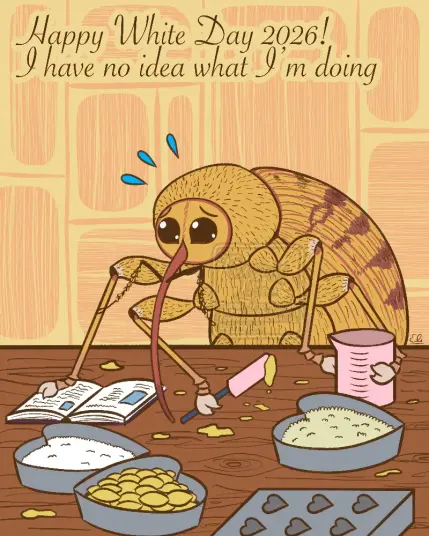
Since I drew weevils for Valentine’s Day I figured I might as well draw White Day weevils too :)
#eli's-art #art #digital-art #procreate #drawing #illustration #original-art #white-day #animals #invertebrates #arthropods #insects #bugs #coleoptera #curculionidae #weevils #weevil #weevil-wednesday
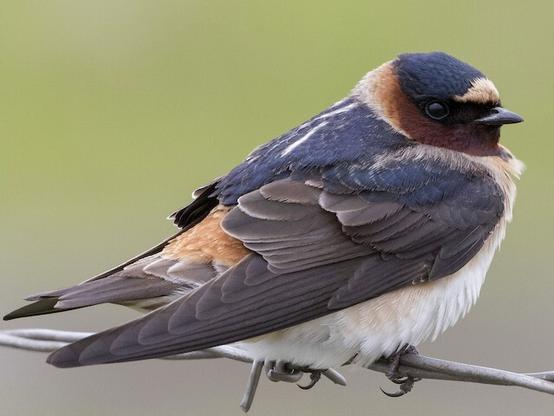
Cliff Swallow
Compact swallow with a short, square tail. In flight, looks slightly less angular than other swallows, with more rounded wings. Note pale buffy-orange rump, which separates Cliff from most other swallows in range. Also look for dark throat and pale forehead. Widespread and fairly common, especially in western North America. Breeds under bridges, overpasses, and culverts. Winters in South America. Compare especially with Cave Swallow, which has a paler throat and orange forehead.
Link: https://ebird.org/species/cliswa
Photo Location: United States