End-of-day Friday: Yo, here's your username, do us a review?
Sunday lunchtime: I see you haven't responded to our request yet. How disappointing

| Website | https://sdparsons.github.io/ |
| https://twitter.com/Sam_D_Parsons | |
| sam [dot] parsons [at] radboudumc.nl |
All I want for #Christmas is #OpenScience!
And some time off 
Research Integrity Adviser
University of Glasgow
£37-42k, permanent
"To lead on the design, delivery, and evaluation of training, communications and events for research integrity, good research practice and associated governance activities, ensuring our research community is supported to conduct their research to the highest standards"
Glasgow's research culture team are lovely and genuinely working for change.
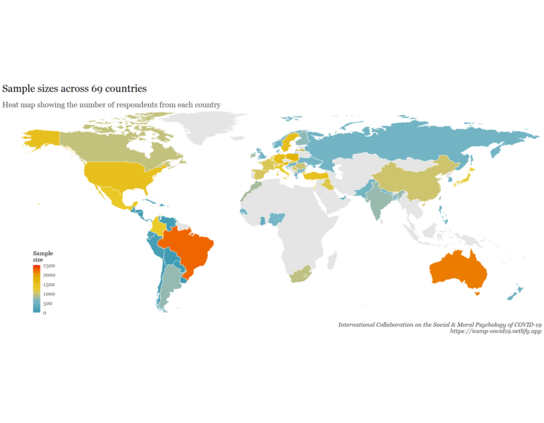
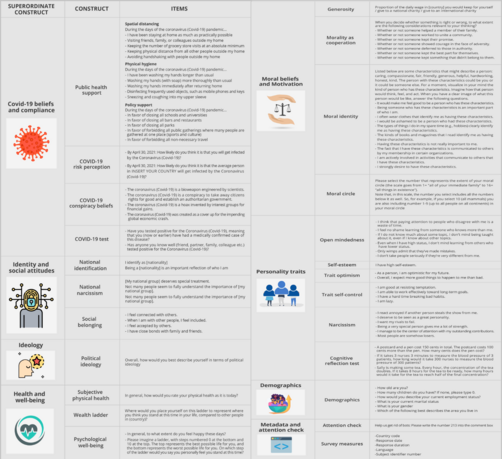
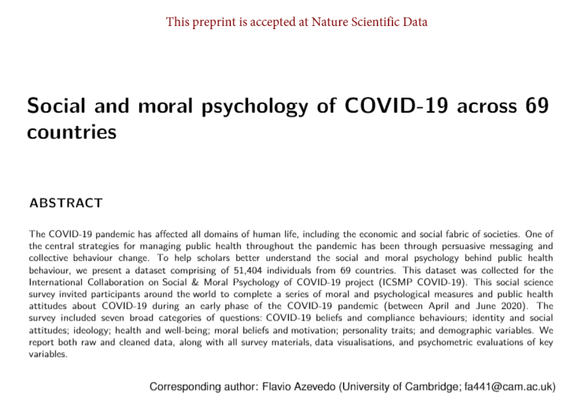
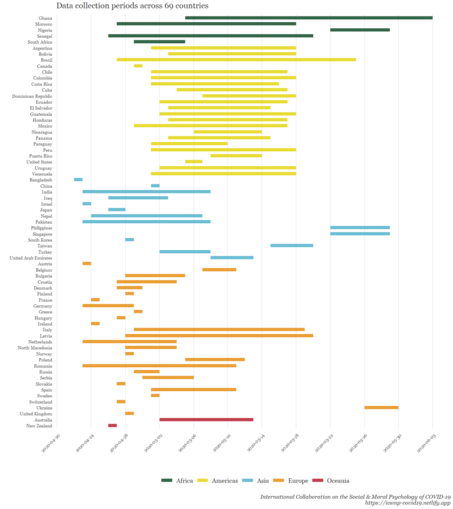
Have you ever wished to study the social & moral psychology of #COVID19 with N=51,404 from 69 countries (28 nationally representative samples) from Global North/South?
🔥Now accepted at Nature Scientific Data 🎉🤗
Preprint & data:
https://doi.org/10.31234/osf.io/a3562
https://osf.io/tfsza/
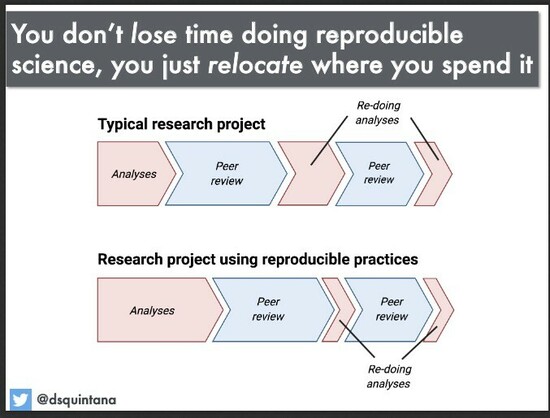
The slides for my recent intro to open science (OS) talk, including 5 things about OS that everyone should know
➡️ https://osf.io/zy2pc ⬅️
1. OS practices accelerate scientific discovery
2. Adopting OS practices can make you a more competitive job/grant applicant
3. Data sharing is on a continuum (it doesn’t have to be either fully open or fully closed)
4. Take it one step at a time, you don’t have to learn every skill at once
5. Your future self will thank you for adopting OS practices
Hello world 👋
Everything Hertz is a podcast on methodology and scientific life in the biobehavioral sciences co-hosted by @dsquintana and @jamesheathers
The podcast launched in 2016 (!?) and the 164th episode will be released next week.
We've spoken about Mastodon on the last TWO episodes of our show so we thought it was time have an account on this platform.
Here's a link to our most recent episode, which was on the new publishing process at @eLife https://everythinghertz.com/163
Dan and James discuss eLife's new peer review model, in which they no longer make accept/reject decisions at the end of the peer-review process. Instead, papers invited for peer review will receive an assessment from eLife and the peer reviews will be shared on eLife's website. It's up to author if they would like revise their manuscript or publish their paper as the version of record.