🌿THE 7 FLOWERS OF AUTUMN🥣

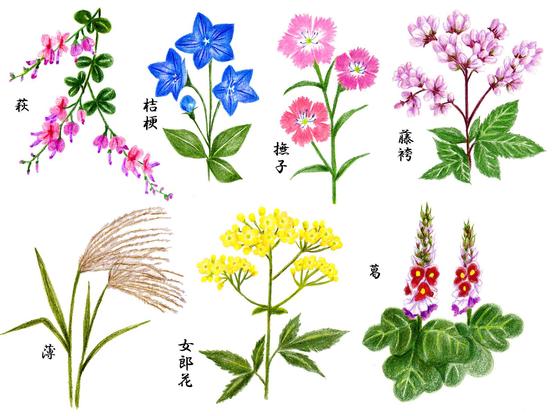
Mirroring the '7 Herbs of Spring' (七草の節句), consumed for good health and luck in January, come the '7 Flowers of Autumn', known as 'Aki-no-Nanakusa' (秋の七草/秋の七種).

These plants are mostly a feast for the eyes and not the belly.
#Japan #Kyoto #autumn #秋の七種 #秋の七草 #7FlowersofAutumn

The '7 Flowers of Autumn' (秋の七草):
💮bellflowers (桔梗 'kikyō')
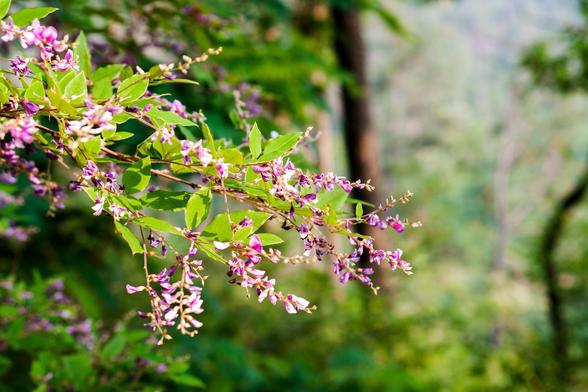
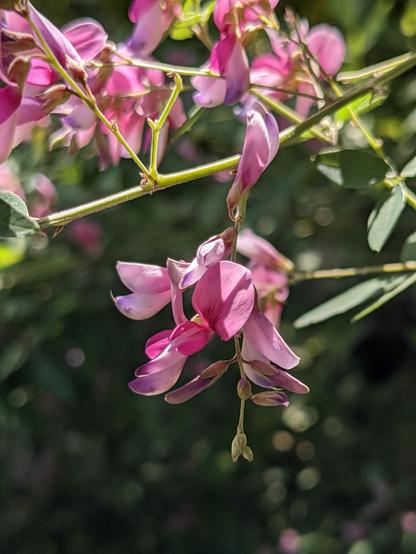
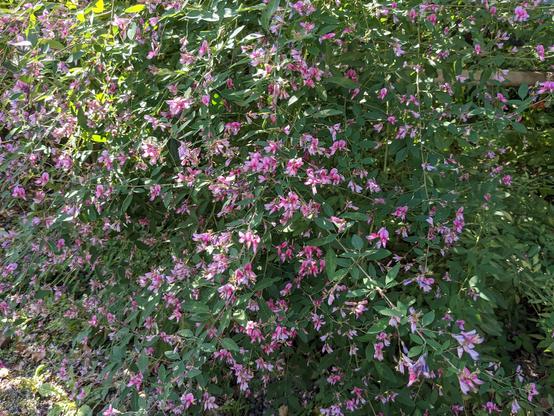
💮bush clover (萩 'hagi')
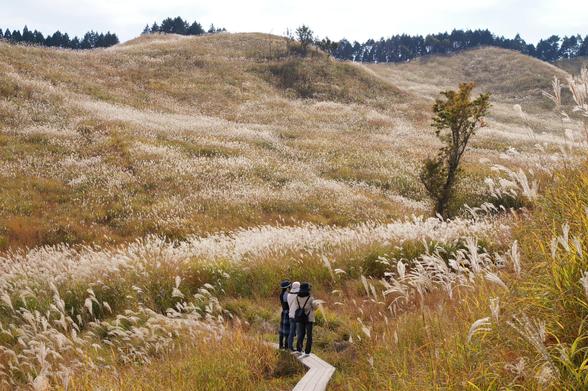
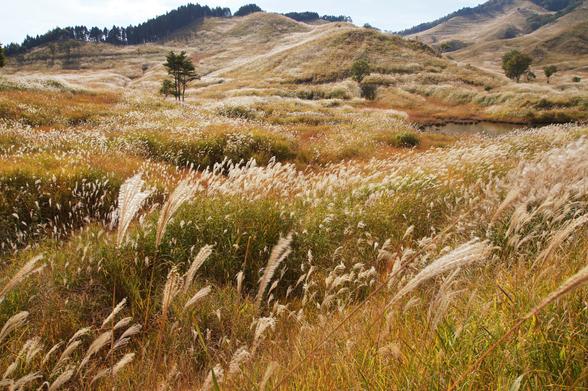
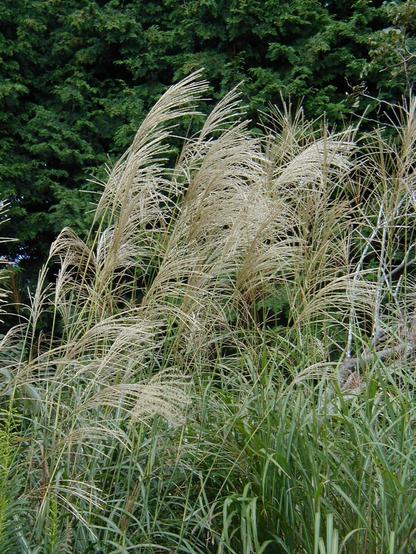
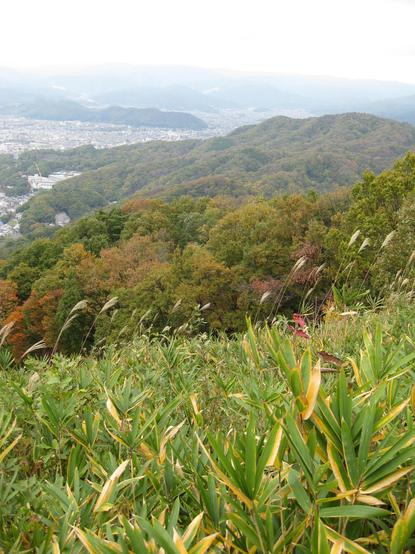
💮miscanthus (尾花 'obana')
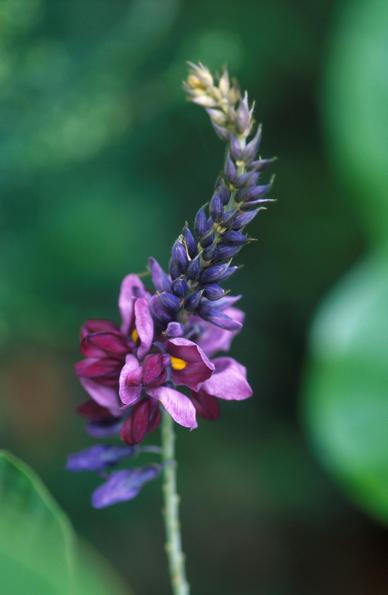
💮kudzu (葛 'kuzu')
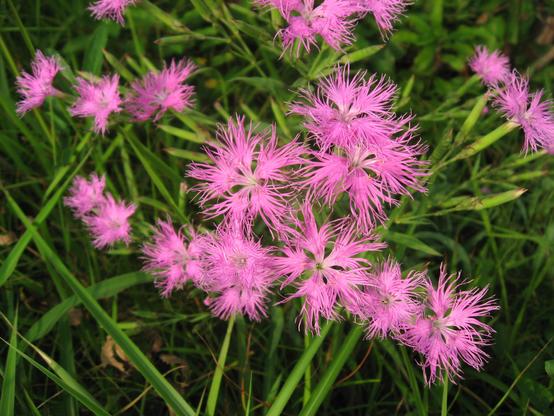
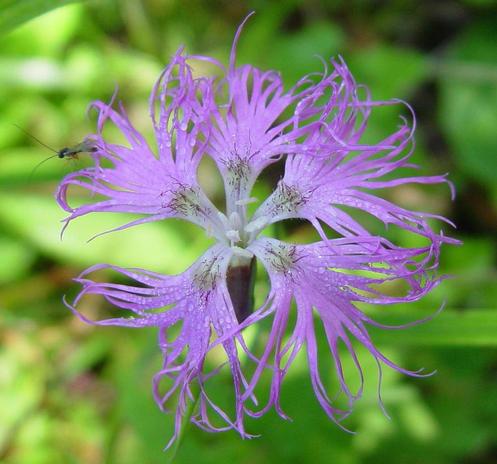
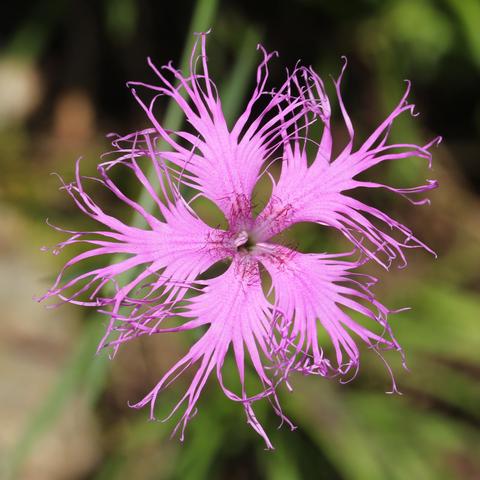
💮large pink (撫子 'nadeshiko')
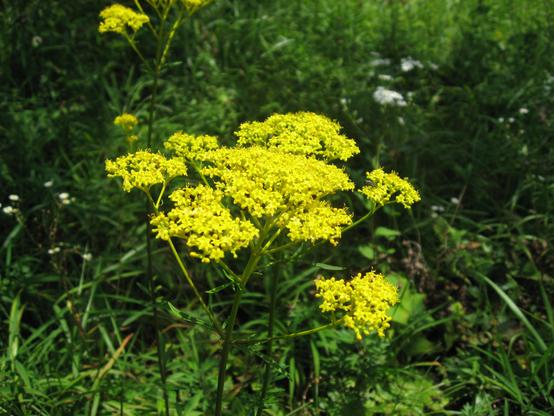
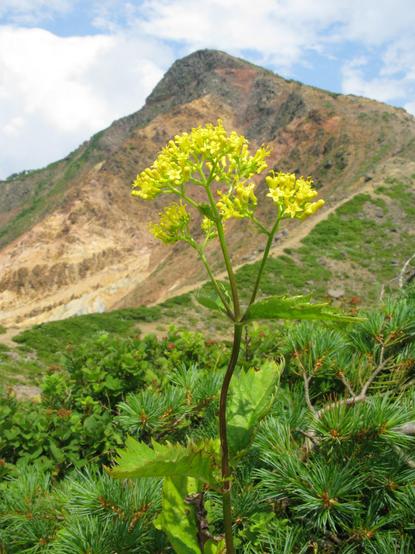
💮yellow valerian (女郎花 'ominaeshi')
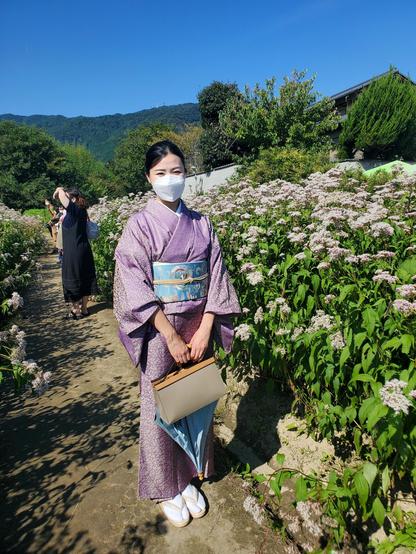
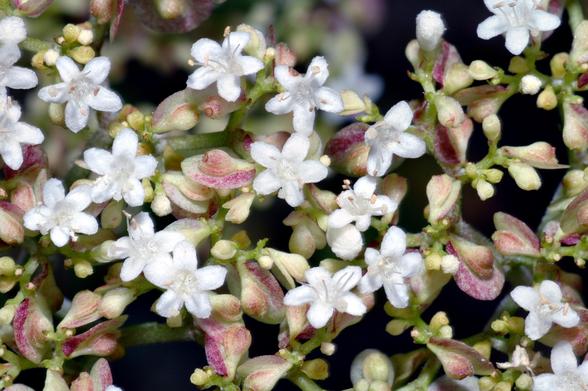
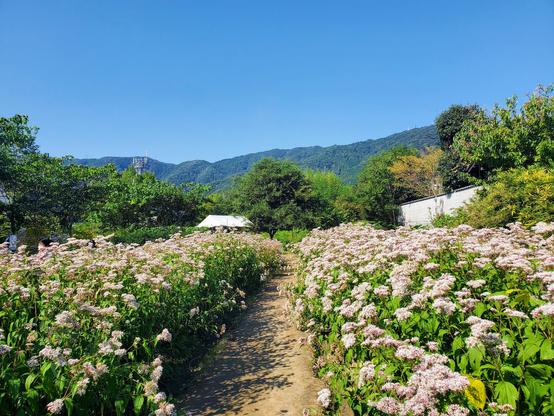
💮boneset (藤袴 'fujibakama')

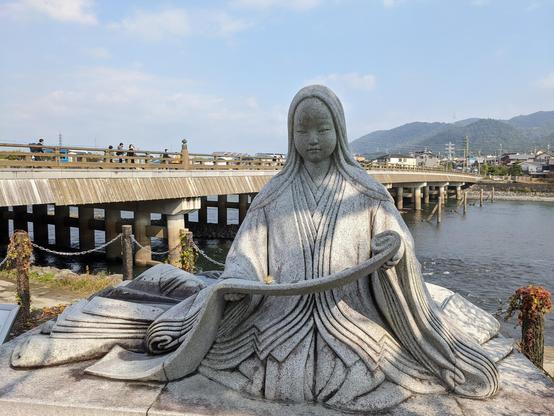
It is thought the origin of the 'Aki-no-Nanakusa' can be traced to 2 poems by Yamanoue-no-Okura (山上憶良/山於億良 660–733?).
Both are featured in the Man'yōshū (万葉集), the oldest extant collection of Japanese waka (poetry in Classical Japanese), compiled in the Nara period.

#Kyoto #Japan

flowers blossoming
in autumn fields-
when I count them on my fingers
they then number seven
秋の野に咲きたる花を
指および折りかき数ふれば七種ななくさの花

-Yamanoue-no-Okura (山上憶良 660–733).
Man'yōshū (万葉集), poem 1537.

#Kyoto #Japan #autumn #山上憶良 #manyoshu #万葉集 #京都

bush clover blooms,
silver grass and kudzu,
pinks,
valerian
and fujibakama,
morning glory blooms.
萩の花尾花葛花くずはな撫子の花
女郎花をみなへしまた藤袴ふぢはかま朝顔の花

-Yamanoue-no-Okura (山上憶良).
Man'yōshū (万葉集) poem 1538.

#Japan #Kyoto #autumn #秋 #poetry #山上憶良 #YamanouenoOkura #Manyoshu #万葉集

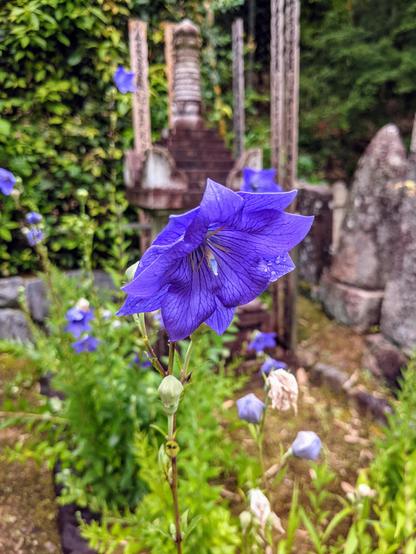
1) KIKYŌ
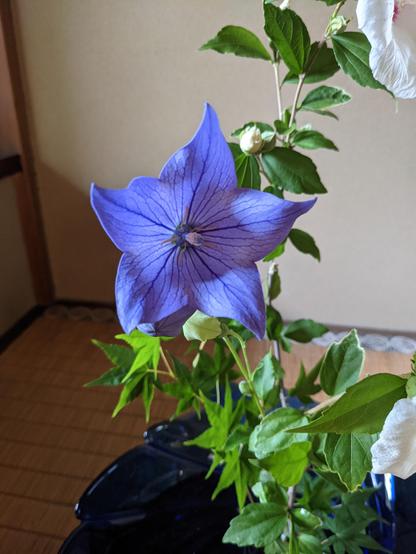
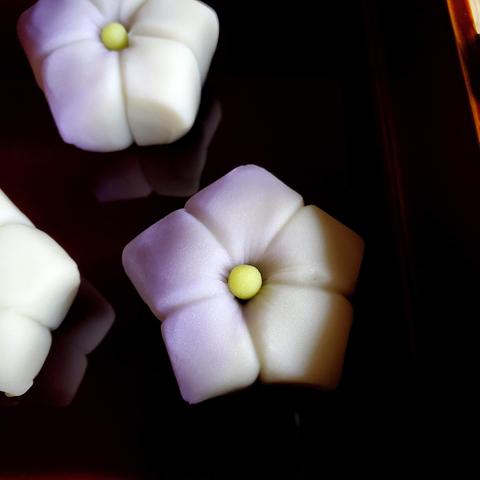
Kikyō (桔梗) are increasingly rare in the wild. Popularly offered to the dead at Obon, the flower represents elegance, refinement, & honesty.
The roots are believed to help with coughs & phlegm.

Akechi Mitsuhide (明智光秀 1528-82) used the flower for his crest.

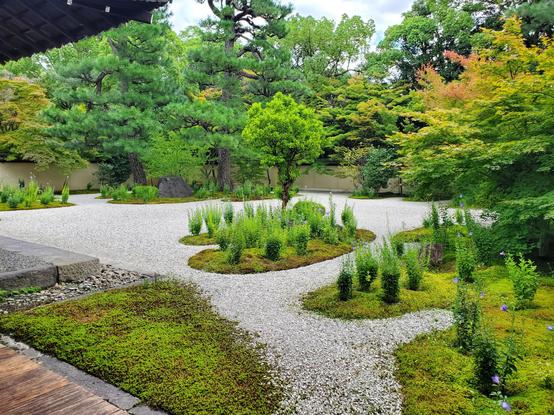
The Genji-no-tei (源氏庭) was designed in 1965, inspired by Heian period gardens. Kikyō offer the only colour.
White gravel is shaped into a pattern known as Genji Kumogata, imitating the gold clouds seen on The Tale of Genji scrolls.

2) NADESHIKO
Nadeshiko (撫子) are counted as a fall flower, but because they can bloom from as early as late spring, they're also known as 'everlasting summer' (常夏).
'Nade' (撫) means 'caress'...people considered the flowers so beautiful that you could not help but touch them.

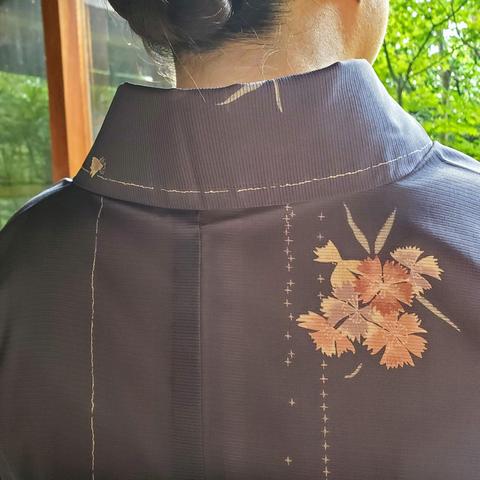
Dianthus symbolize cheerfulness, innocence, constancy and feminine beauty. In Edo times the flower was used in New Year decorations that followed a year of natural disasters & misfortune.

#Japan #pinks #nadeshiko #撫子

Dianthus make an appearance in 'The Tale of Genji'.
Representing beauty, modesty & a gentle nature, the term 'Yamato nadeshiko' is used to describe the epitome of pure, feminine beauty (the ideal Heian woman).
撫子のとこなつかしき色を見ば もとの垣根を人や尋ねむ
-光源氏

Murasaki Shikibu often uses nadeshiko as a metaphor for a child needing protection from life's hardships. Despite the flowers fragile appearance, it blooms for most of the year, and thus it became a perfect symbol for women...delicate yet enduring🤔

3) KUZU
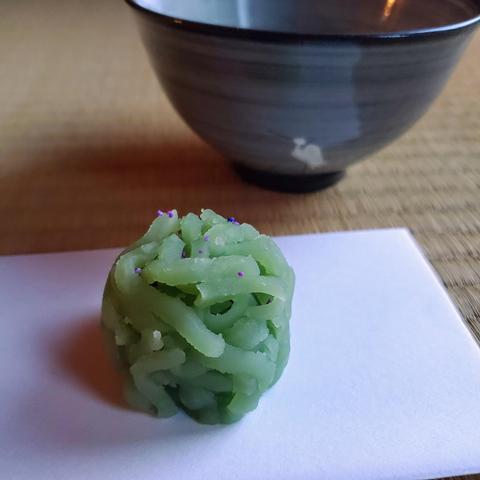
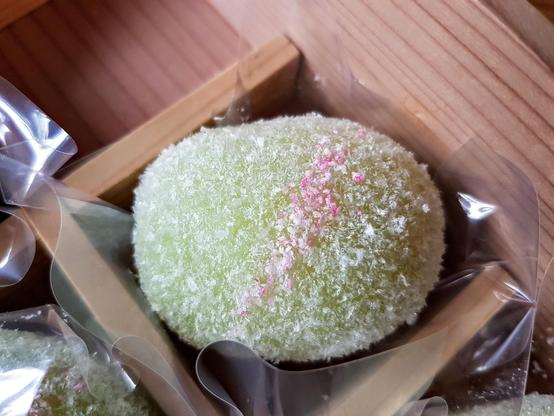
Kudzu (葛) is a type of vine that has been used for centuries in arrowroot cake, gruel, and to make noodles. Believed to aid with stomach problems, the dried stems are also used to make fabric & baskets.
It symbolises strength of spirit, healing, vitality, and patience.

Like bracken starch, kuzu was first farmed in what is now Nara prefecture (it takes its name from a county called 'Kuzu' 国栖).

#kuzu #葛 #autumn #7FlowersofAutumn

In the Momoyama period kuzu became a popular ingredient in the foods and sweets prepared for tea ceremony, and as a result its popularity spread.

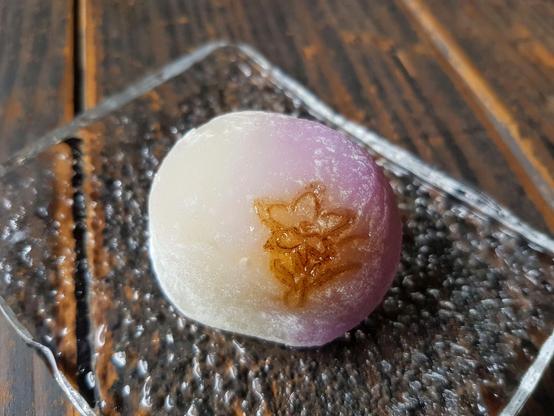
A sweet popular in Kansai during the summer months is a cubed confection called 'kuzuyaki' (葛焼).
Sugar, kuzu powder and bean paste are kneaded into a dough, cut into squares, and steamed. The sweets are finished by grilling each side and sprinkling with flour.

#autumn #7FlowersofAutumn #kuzu #kudzu #葛 #Japan

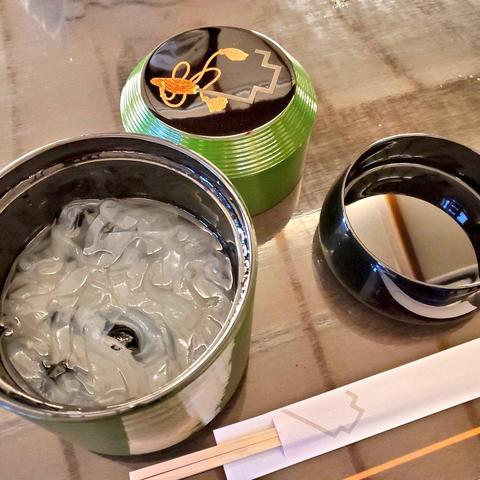
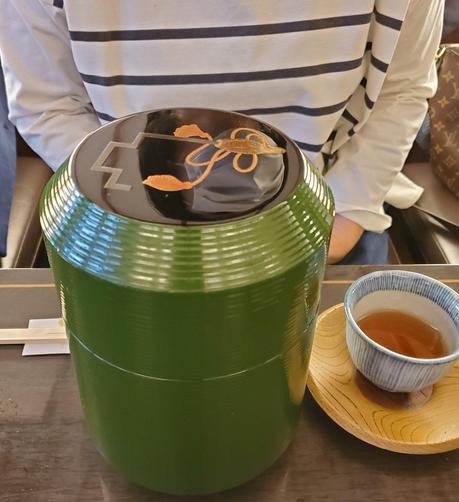
Originating in Kyōto, 'kuzukiri' (くずきり) is a dish of noodles made from starch-rich kuzu root. Enjoyed in the hot summer months, kuzukiri is typically served cold with a brown-sugar syrup.

Kuzu has long been considered to have medicinal properties, helping with circulation.

#kuzu #kudzu #Japan #Kyoto #京都 #7Flowe

4) HAGI
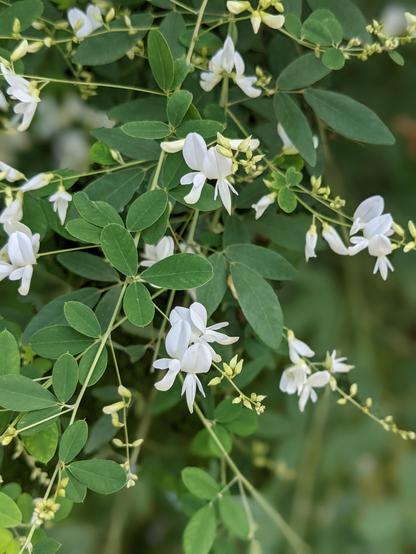
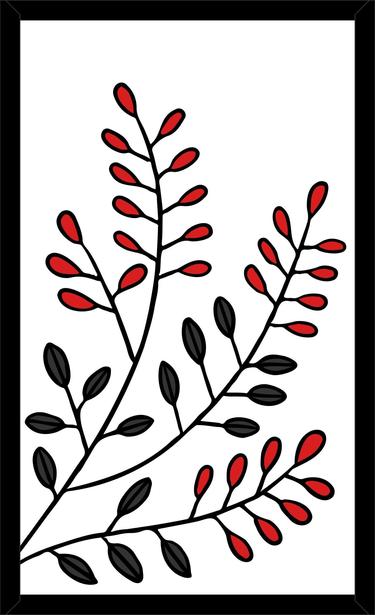
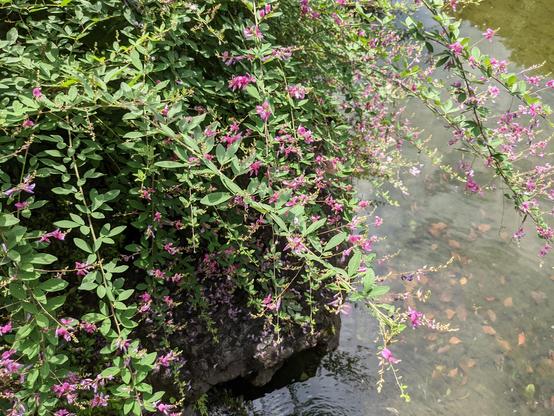
Hagi (萩), mentioned numerous times in the Man'yōshū (万葉集), is one of the great symbols of Autumn.

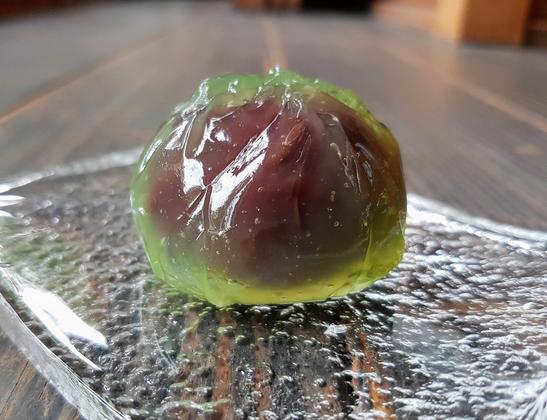
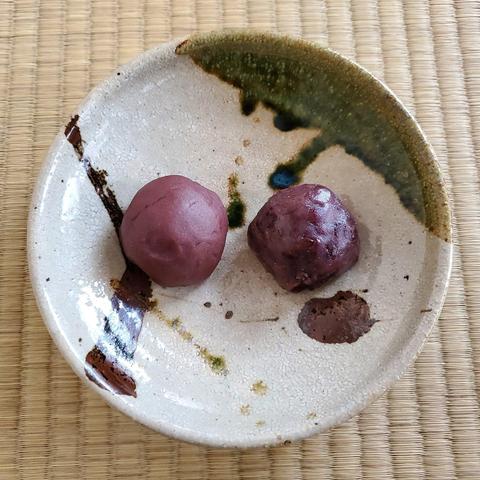
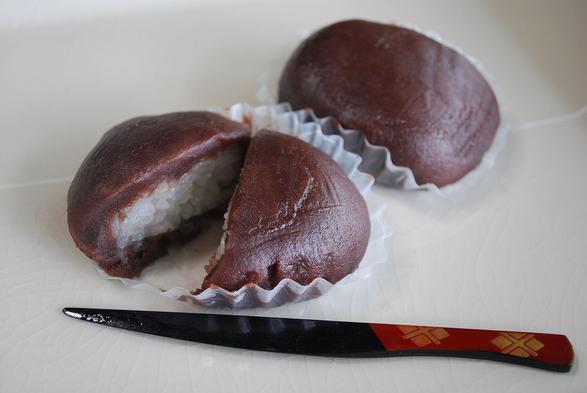
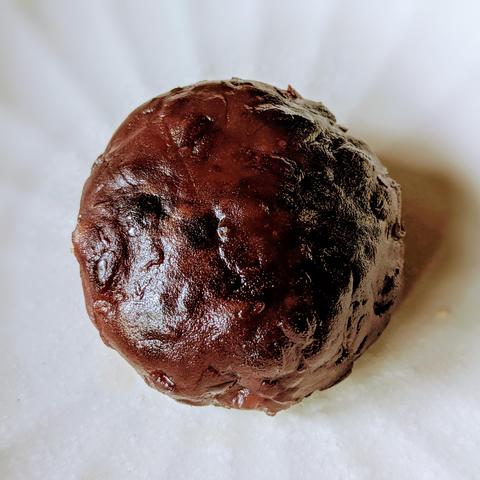
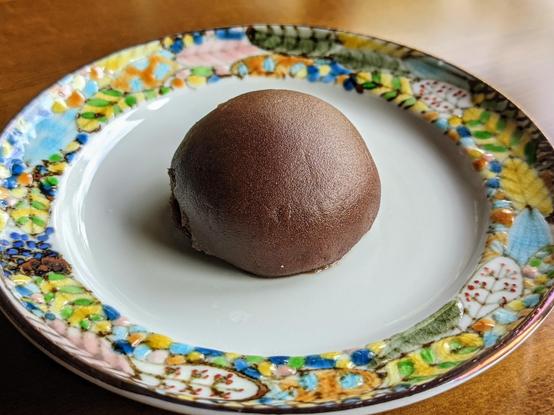
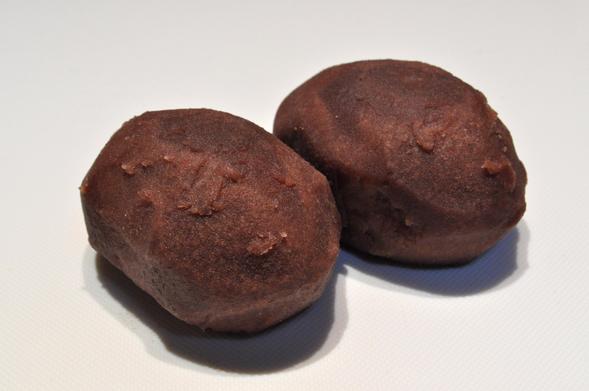
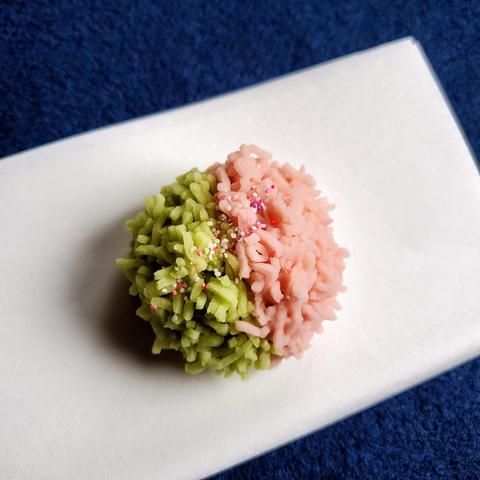
Representing bashfulness, affection and a meditative spirit, the flower lends its name to 'ohagi' (おはぎ), a sweet of red beans served around the Autumn Equinox (お彼岸).

#autumn #ohagi #bushclover #Japan #おはぎ #萩 #Kyoto

'Ohagi' belong to a family of sweets made from glutinous rice covered in bean paste. Each season they change (slightly) in texture and look.

Seasonal names for ohagi:
🌸spring = botamochi (牡丹餅 'peony')

⛱️summer = yofune (夜舟 'night boat')

🎑autumn = ohagi (御萩 'bush clover')

🌨️winter = kita-mado (北窓 'northern window')

#wagashi #和菓子 #Kyoto #Japan #sweets #autumn

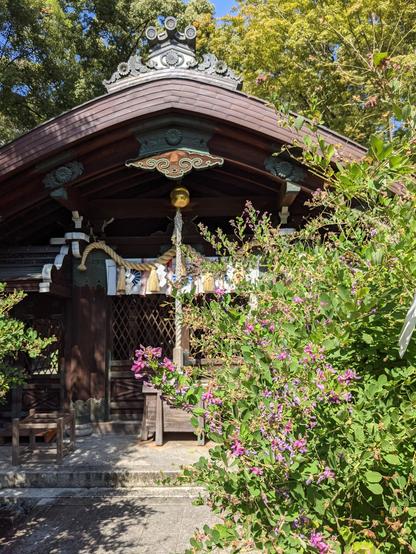
One of the best places to view hagi in the city is at Nashinoki-jinja.
Between September 21st-23rd, when the bush clover is in full bloom, the shrine celebrates Hagi Matsuri (萩祭 'Bush Clover Festival') with dances, archery and tea ceremonies.

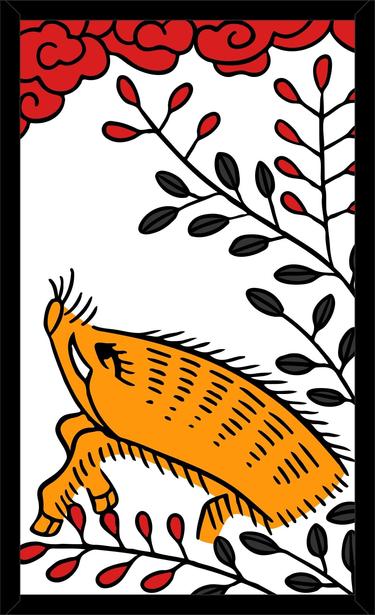
Bush clover is sometimes known as "boar's bed" (臥猪床') because the animals often use the plant as a nest.
In the card game hanafuda (花札) July is represented by bush clover and a wild boar. Together the delicate hagi & rough boar represent harmony.

#Japan

mingled with tiny shells
I saw scattered petals
of bush-clovers
rolling with the waves
波の間や小貝にまじる萩の塵
-Matsuo Bashō 1644-94).

Of all the flowers, the bush clover was a favourite with poets (in the Man'yōshū it is mentioned 140 times, more than any other plant!).

#autumn #bushclover #hagi #萩 #7FlowersofAutumn #Japan #Kyoto #Nashinokijinja #梨木神社

5) OBANA
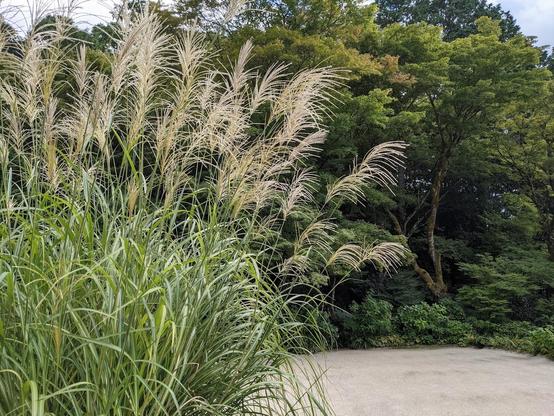
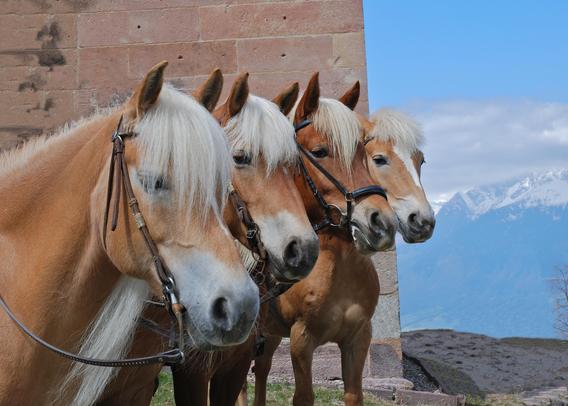
Obana (尾花), a kind of pampas grass, is so-named because the plant ears resemble animal tails. Horses with chestnut coats and white manes/tails are known as 'Obana Kurige' (尾花栗毛).

In the language of flowers (花言葉) the grass symbolises vitality and reckless youth.

Displays of obana (susuki) and small pyramids of dango are often seen around 'moon viewing' season (月見), prayers for (and symbols of) a bountiful harvest.

#Japan #月見 #moonviewing #harvestmoon #pampas #autumn

In the past pampas grass, if not growing wild nearby, was actively planted in fields close to villages and settlements. The quick-growing (typically reaching 2m in height) and readily available grass was harvested as cheap thatching material and as food for livestock.

Obana features in a famous proverb...
幽霊の正体見たり枯れ尾花
(ゆうれいのしょうたいみたりかれおばな)
"The ghost, when examined closely, is withered silver grass".

In English "fear makes the wolf bigger than he is" or "things are not as scary as they seem".

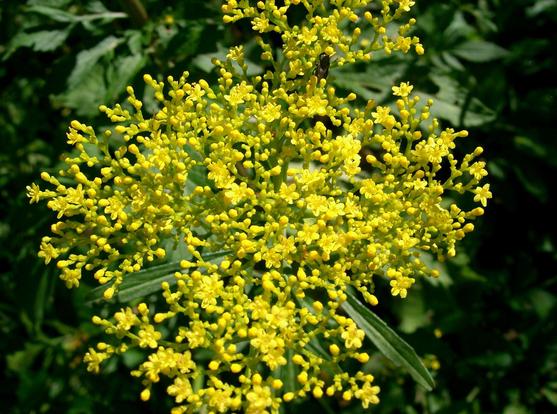
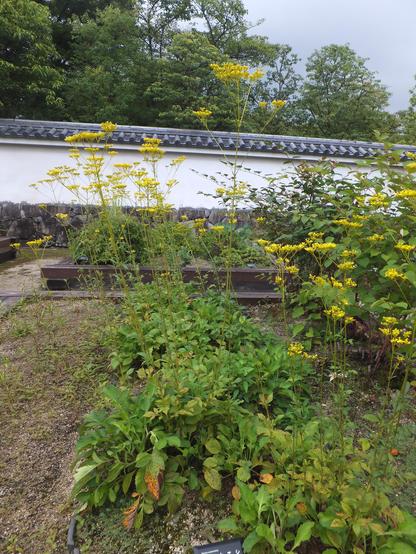
6) OMINAESHI
"The courtesan's flower" (女郎花) symbolises the keeping of promises, fleeting love and kindness.
Considered to outshine the most beautiful woman (hence the name), poets have used the flower's imagery since ancient times.

There is another theory behind the origin of the name 'ominaeshi'.
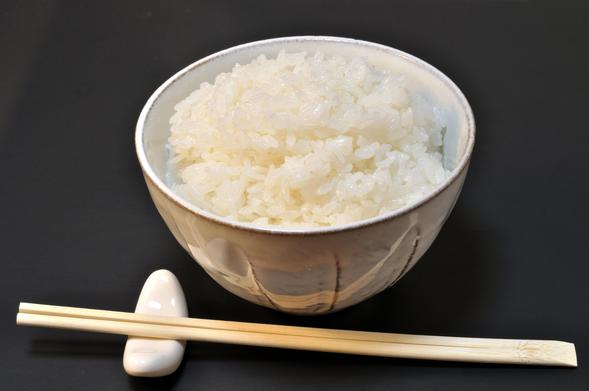
It is thought the yellow flowers were likened to 'onna-meshi' (女飯🍘), the cheaper, less-polished rice often eaten by women (men would typically get the finer rice, known as 'otoko-meshi' 男飯🍙).
🌾😠😡💢

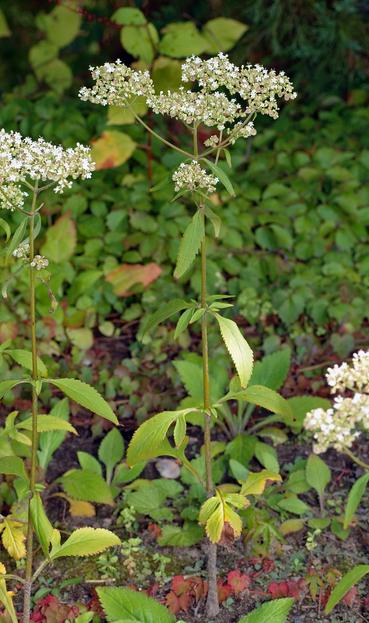
There is a very similar flower called 'otokoeshi' (男郎花). It is considered a more manly plant than the ominaeshi, as it has thicker stems and plainer, less delicate flowers.
The white petals are once again likened to 'otoko-meshi', the whiter rice demanded by men.

When the flowers of both plants begin to dry they give off a rather unpleasant odor, like rotten miso. Because of this they are sometimes called 'haishō' (敗醤), literally meaning the gone off mash left over from soy sauce production.

7) FUJIBAKAMA
Fujibakama (藤袴) is now an endangered flower, but was once found growing in profusion along riverbanks. Symbolising caring and positive memories, the fragrant plant was commonly used in perfumes and hair products.

The flower was likened to 'hakama' (袴) and so became known as 'fujibakama' (藤袴 'purple trousers'). Related to the chrysanthemum, the plant is also known as 'mistflower', 'hemp agrimony' and 'agueweed'.

Chapter 30 of 'The Tale of Genji' (源氏物語) is named after the flowers.

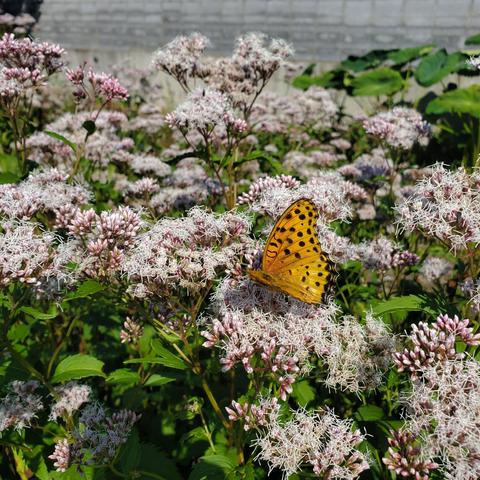
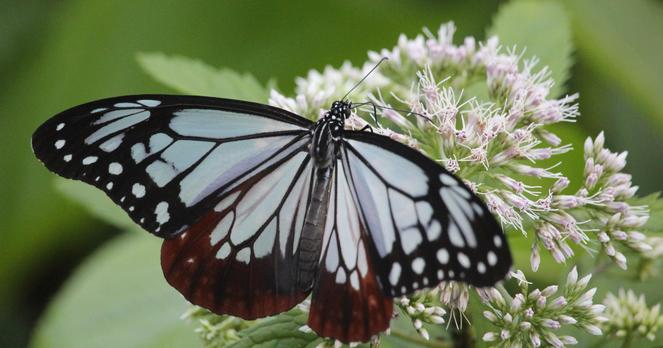
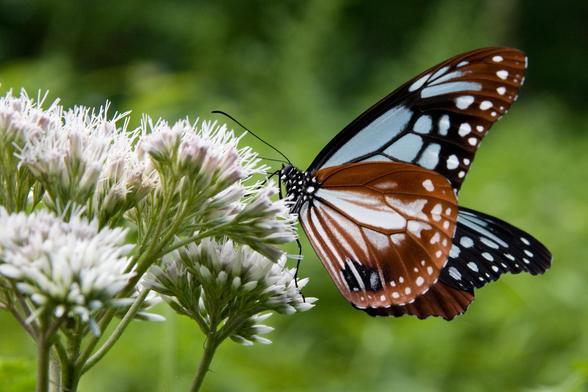
The large 'chestnut tiger', a striking butterfly with blue-green marbled wings, feed on fujibakama nectar (and other flowers from the milkweed family).
Depending on the weather the insects appear from April-November, and migrate up to 1000km to their feeding sites.

In the Kokin Eiga-shō Asukai Masachika (飛鳥井雅親 1417-91) describes the romantic origins of fujibakama.
One rainy autumn evening a beautiful woman was seen by villagers wandering in the fields above their farms, weeping sadly.
The next morning the villagers found a beautiful flower where the woman had last been seen. As the petals were the same colour as her purple hakama, they concluded she was the spirit of the unknown flower and named it 'fujibakama' (藤袴).
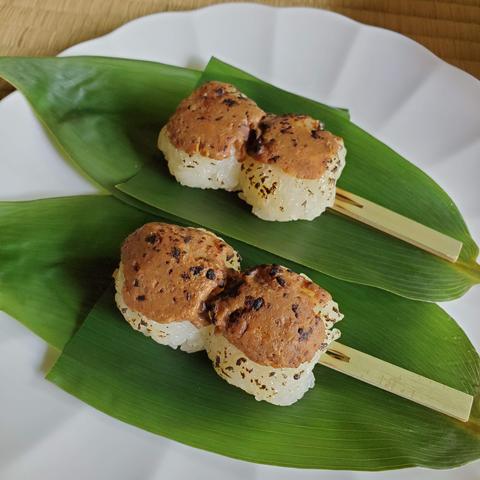
When dried the flowers of the fujibakama have a smell similar to sakura mochi (桜餅). Because of their fragrance they are also known as 'orchid' (蘭) 'fragrant grass' (香草) & 'dream flower' (夢花).
Heian noble women would often add powdered fujibakama to their baths.

Some have asked why chrysanthemums are not included amongst the 7 Flowers of Autumn, and that's because they get their very own festival on the 9th day of the 9th month.

THE END!🙇‍♂️