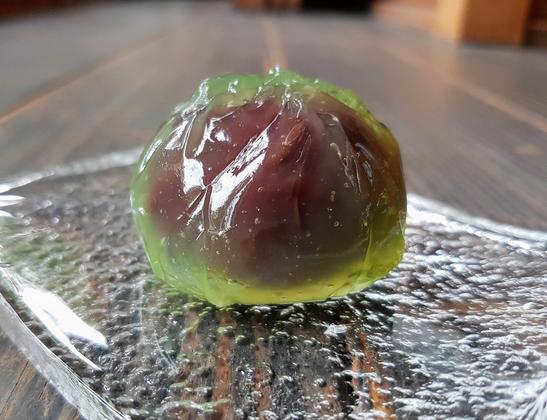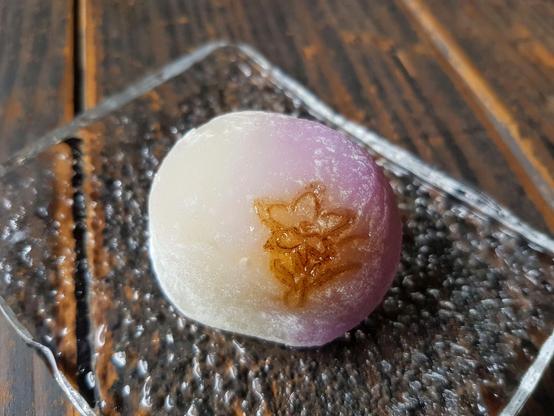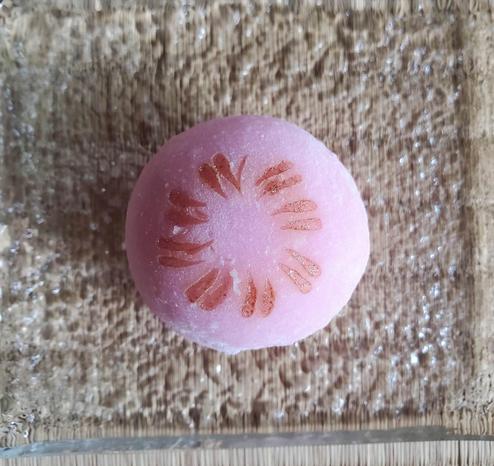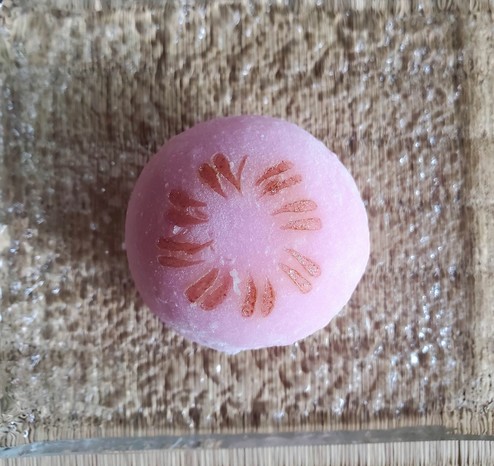
It is thought the origin of the 'Aki-no-Nanakusa' can be traced to 2 poems by Yamanoue-no-Okura (山上憶良/山於億良 660–733?).
Both are featured in the Man'yōshū (万葉集), the oldest extant collection of Japanese waka (poetry in Classical Japanese), compiled in the Nara period.

#7flowersofautumn

mingled with tiny shells
I saw scattered petals
of bush-clovers
rolling with the waves
波の間や小貝にまじる萩の塵
-Matsuo Bashō 1644-94).

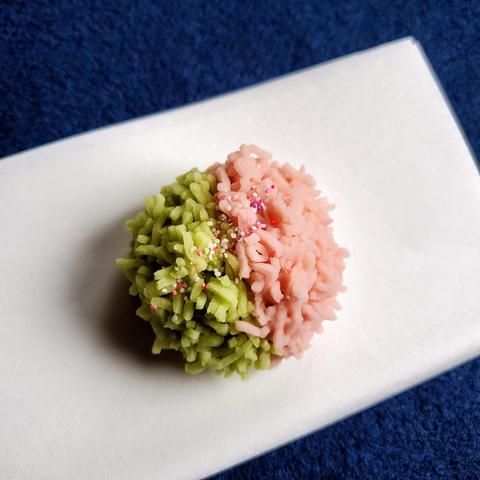
Of all the flowers, the bush clover was a favourite with poets (in the Man'yōshū it is mentioned 140 times, more than any other plant!).

#autumn #bushclover #hagi #萩 #7FlowersofAutumn #Japan #Kyoto #Nashinokijinja #梨木神社

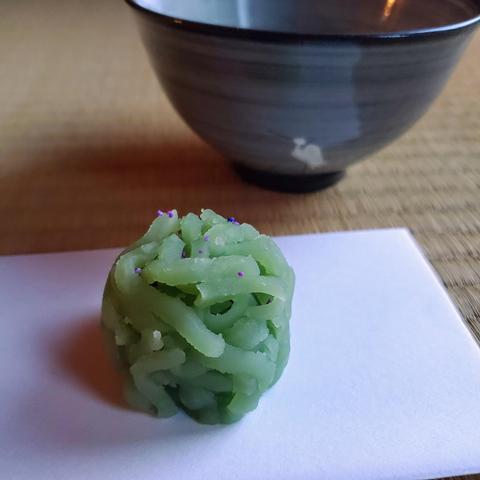
In the Momoyama period kuzu became a popular ingredient in the foods and sweets prepared for tea ceremony, and as a result its popularity spread.

A sweet popular in Kansai during the summer months is a cubed confection called 'kuzuyaki' (葛焼).
Sugar, kuzu powder and bean paste are kneaded into a dough, cut into squares, and steamed. The sweets are finished by grilling each side and sprinkling with flour.

#autumn #7FlowersofAutumn #kuzu #kudzu #葛 #Japan

3) KUZU
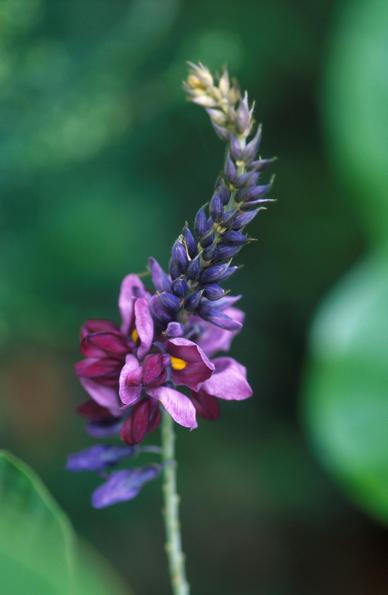
Kudzu (葛) is a type of vine that has been used for centuries in arrowroot cake, gruel, and to make noodles. Believed to aid with stomach problems, the dried stems are also used to make fabric & baskets.
It symbolises strength of spirit, healing, vitality, and patience.

Like bracken starch, kuzu was first farmed in what is now Nara prefecture (it takes its name from a county called 'Kuzu' 国栖).

#kuzu #葛 #autumn #7FlowersofAutumn

🌿THE 7 FLOWERS OF AUTUMN🥣

Mirroring the '7 Herbs of Spring' (七草の節句), consumed for good health and luck in January, come the '7 Flowers of Autumn', known as 'Aki-no-Nanakusa' (秋の七草/秋の七種).

These plants are mostly a feast for the eyes and not the belly.
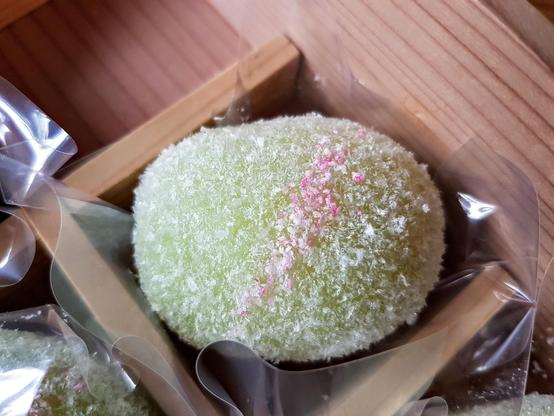
#Japan #Kyoto #autumn #秋の七種 #秋の七草 #7FlowersofAutumn

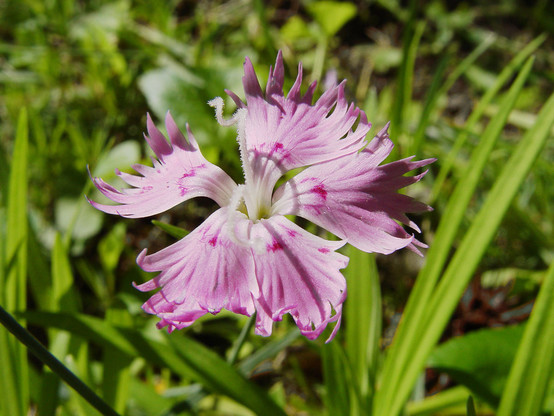
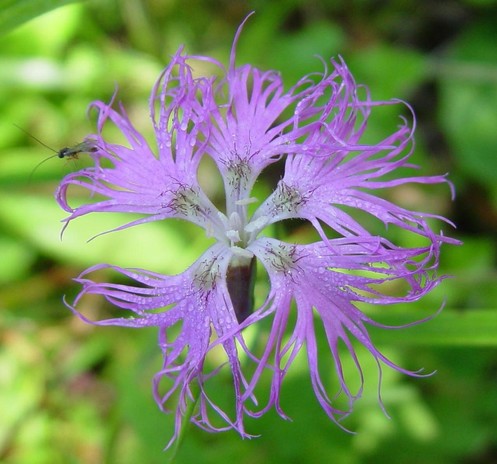
2) NADESHIKO
Nadeshiko (撫子) are counted as a fall flower, but because they can bloom from as early as late spring, they're also known as 'everlasting summer' (常夏).

'Nade' (撫) means 'caress'...people considered the flowers so beautiful that you could not help but touch them.

Dianthus symbolize cheerfulness, innocence, constancy and feminine beauty. In Edo times the flower was used in New Year decorations that followed a year of natural disasters and misfortune.

#撫子 #dianthus #7FlowersofAutumn