 KinoM
KinoM Kim Scheinberg
This is not a chart depicting Moore’s Law.
This chart is the CRAYOLA COROLLARY showing that the number of Crayola crayon colors doubles approximately every 18 years.
This chart is the CRAYOLA COROLLARY showing that the number of Crayola crayon colors doubles approximately every 18 years.

 Anteyekon4myst
 Kevin Teljeur ❄️
 Azul
Azul Prashant Pradhan
 Joshua
 Andrew D.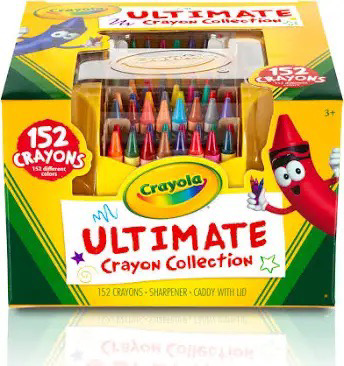
 Karoline
 Hubert Figuière
 Nabeel Siddiqui
 TheNurseIsIn
 Freakinbox
 JulieB
 Raul Portales
 jm3 • John Manoogian III
 Allan Chow
 Torgny Bjers (grim.run adm)
 Laura Sykes #Greeneralia
 Al Gulland 🏴🥃
 Arclight
 HandgunYoga (he/him/his)
 Steven DeCaluwe
 𝐿𝒶𝓃𝒶
𝐿𝒶𝓃𝒶 
 Dan Lovejoy
 Vincent 🌻🇪🇺 en 🌹☘️
 Mr. Muffin
 MGFarm


 βɛth
βɛth Sean Boots
 Todd Parsons
 SusannaAuthor Old White Hippie
 Joel de Bruijn
 JeffGeeBrown
 TheSwiftDojo
 Corey Rayburn Yung
 Dr. Tineke D'Haeseleer
 Gizem Karaali
 BRB
BRB
 Claire Barnes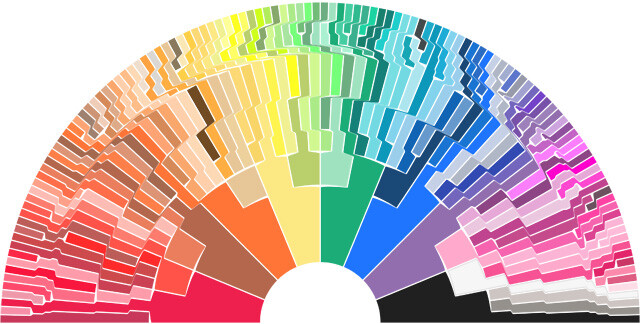



 Jason Lawton
 Chris Golding
 Pari Moon-Forest
 THE A Jolly Nerd
 Deborah Pickett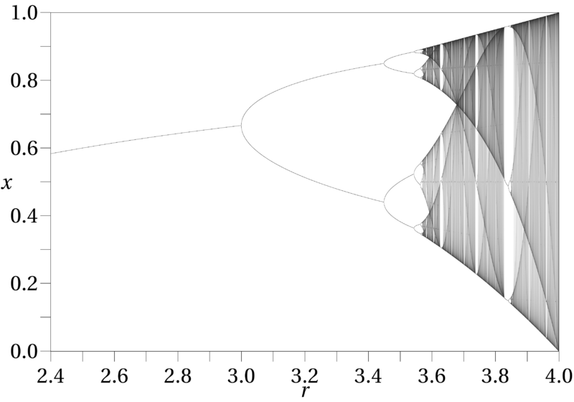
 S T E L L A R
 Vftdan
 Мя ��
Мя ��
 Jeff McFadden
 Ag Terrane
 author_is_ShrikeTron🔠💉x5
 lorddimwit is now @
 Kathy ᨒ↟ 𖠰