 Hank
HankSand tiger sharks are one of the biggest reasons North Carolina wreck diving is so iconic.
But why do they “hover” over the wrecks like that?
https://scubahanknyc.com/2026/01/30/why-sand-tiger-sharks-hover-on-north-carolina-wrecks/
Sand tiger sharks are one of the biggest reasons North Carolina wreck diving is so iconic.
But why do they “hover” over the wrecks like that?
https://scubahanknyc.com/2026/01/30/why-sand-tiger-sharks-hover-on-north-carolina-wrecks/
Because of usually strong currents, this wreck is full of life ❤️! If you stay still, fishy come close and watch you in the eye (advantage of rebreathers 😉).
The wreck is covered with beautiful purple sea fans! Love the Mediterranean and can't wait to visit Croatia again!
via @jens_schuette
https://social.tchncs.de/@jens_schuette/114909040811810807
#scuba #scubadiving #diving #wreckdiving #mediterranean #croatia #underwaterphotography
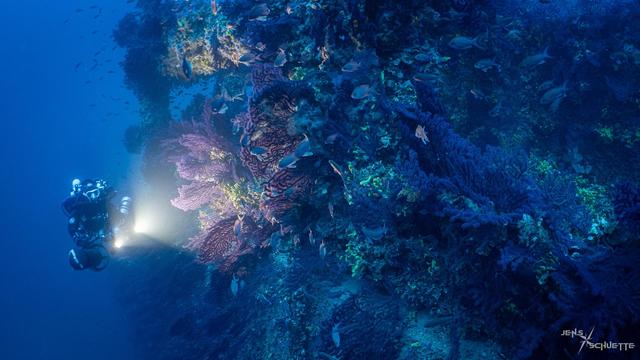
Attached: 1 image Next wreck: SS Michael N. Maris What a stunning dive! The wreck is absolutely teeming with life — vibrant red gorgonians, swaying marine plants, and fish darting in every direction. Could’ve stayed down there forever… bottom time ended way too fast! @[email protected] @[email protected] @[email protected] @[email protected] #wreckdiving #underwaterphotography #scuba #photography
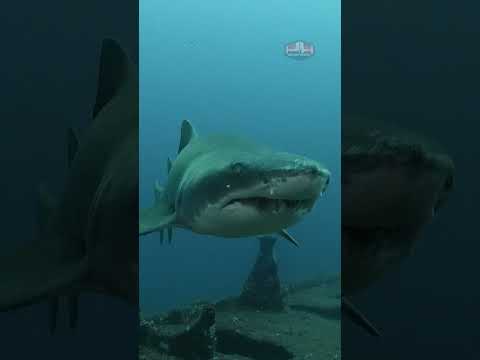
There is nothing quite like being surrounded by dozens of sharks in the Graveyard of the Atlantic.
These sand tiger sharks patrol the North Carolina shipwrecks with an eerie, stealthy movement that is absolutely mesmerizing to watch up close.
https://www.youtube.com/shorts/wCG7PD-kDyA
#WreckDiving #SharkWeek #OceanLife #SandTigerShark #nature #sharks

Why Sand Tiger Sharks Hover on North Carolina Wrecks
Watching sand tiger sharks hover over North Carolina’s wrecks is one of those experiences that feels unreal—like the ocean slows down just long enough to show you how these animals truly move.
It took me years to line it up. Offshore wreck diving here isn’t guaranteed. You can plan everything perfectly, but the Atlantic has a mind of its own. The dive operators running these trips don’t gamble on marginal conditions—if there’s any doubt about weather, sea state, or visibility, they call it off.
I’ve had trips end before they started: days of forecast watching, crossed fingers, then the dreaded cancellation as storms roll through. It’s a brutal feeling after you’ve taken time off, traveled, and done all the prep. But that safety-first culture is part of what makes North Carolina one of the most respected dive regions on the East Coast. The captains here know the water, and they know when to wait.
So when the conditions finally align, it feels earned. Every minute on the wreck matters. After multiple canceled attempts, I finally got my shot.
https://www.youtube.com/shorts/U6KVmO1U524
North Carolina’s shipwrecks create the perfect habitat for sand tiger sharks to gather in large numbers. This stretch of coastline—known as the “Graveyard of the Atlantic”—offers countless structures for shelter, abundant prey, and the ideal temperature range these sharks need to thrive. It’s not uncommon to see dozens of sand tigers on a single dive, all coexisting peacefully in the same space.
This kind of consistency is rare globally, making these wrecks a world-class destination for shark encounters. The mix of accessible wrecks, clear summer visibility, and reliable shark populations draws divers, filmmakers, and researchers from around the world.
Why Scientists Think They Return
Photo-ID projects and scientific studies have confirmed that individual sand tiger sharks, especially females, return to the same wrecks month after month—and even across years. While researchers haven’t pinpointed one single reason for this site fidelity, several hypotheses keep surfacing:
Possible Explanations
So while these wrecks might look like relics fading into the Atlantic, for sand tiger sharks they’re living, breathing ecosystems—critical habitats that meet their needs across feeding, migration, and reproduction cycles.
FAQs
What depth are North Carolina wrecks where Sand Tiger Sharks are seen?Wrecks like U‑352 and the Bruse Reeb typically lie between 90–120 feet (27–37 m)—depths where Sand Tiger Sharks are frequently observed during dives.
The prime season for sightings is late summer through early fall (August–October) when warmer water and marine life activity increase.
Are Sand Tiger Sharks aggressive to divers on wreck dives?No—Sand Tiger Sharks are generally docile toward divers, often exhibiting slow cruising behavior near structure; maintain respectful distance and avoid interaction.
#northCarolinaScubaDiving #sandTigerSharks #Sharks #wreckDiving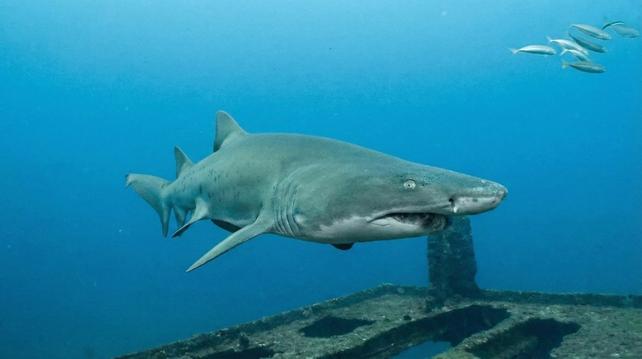
Last year, I took a road trip down to North Carolina to dive with sand tiger #sharks. Filmed over several days, so you’re seeing different sharks across multiple dives.
https://www.youtube.com/shorts/U6KVmO1U524
📍 NC | 🎥 GH5 | 🤿 Atlantis Charters
#SandTigerShark #NorthCarolinaDiving #WreckDiving #SharkEncounter #UnderwaterVideo #ScubaDiving #OceanWildlife #MarineLife #SharkVideo #scubadiving #nature #wildlife

The discovery of the HMS Nottingham - The Last Scout ⚓
You and me diving- what normal divers achieved by dedication to their hobby 🤿.

The discovery of the HMS NottinghamThis documentary was created by Rogier Visser
Ending A Decade of Birthday Dives
Today is my birthday! I originally planned to be in the Philippines celebrating and scuba diving the Tubbataha Reefs Natural Park, a UNESCO World Heritage Site. Unfortunately, the COVID-19 pandemic has altered my magnificent birthday dive schedule this year. And it has also ended a decade of consecutive fantastic birthday dives.
Spending time out of the water has allowed me to reflect on the good times and how fortunate I have been. About seven years ago, I picked up underwater photography and later videography.
Here are a few images that have brought back a few fond memories of phenomenal scuba diving.
Taking the Wreck Diver Specialty Course in Grenada
Entering the Shark Arena Nassau (Bahamas)
Navigating Shipwrecks in Grand Cayman
Exploring the Reefs in Barbados
Discovering the richness of Isla del Caño (Costa Rica)
Made it to another birthday cake. #DiveTravel #Memories #ScubaDiving #UnderwaterPhotographs #UnderwaterVideo #wreckDiving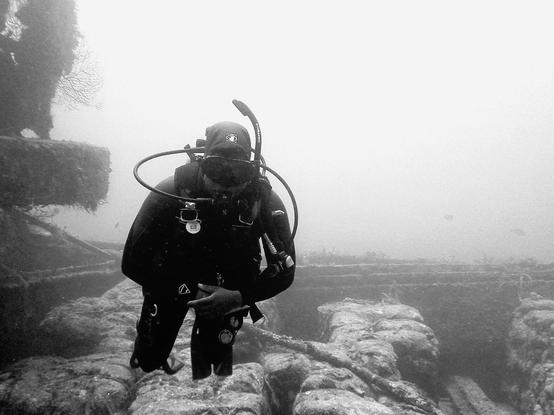
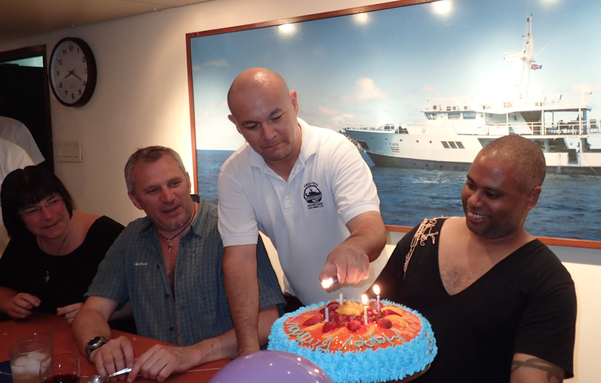
Scuba Diving is the Best Way to Face Your Fears
How do you know if you’re truly living your life to the fullest? For some, it may be taking the plunge into underwater adventures with sharks and sea turtles. A scuba diving trip to a far off country like Egypt, Fiji, or Maldives might just be what it takes to face your fears, meet new people, and live boldly each day by pushing yourself out of your comfort zone.
Scuba diver painting underwater on a shipwreck in the Red Sea, EgyptScuba Diving in the Open Ocean with Sea Creatures
Sharks, stingrays, octopus, and dolphins are just a few of the creatures you might encounter while scuba diving. If you’ve ever wanted to face your fears, now’s your chance! The first time I saw a shark off our dive boat was life-changing—I’m not even kidding. Being in complete awe of nature’s beauty alongside fellow open water divers made me feel like I could take on anything in life.
And if seeing a shark doesn’t do it for you, there are plenty of other reasons why it’s worth taking that next step out of your comfort zone by enrolling in a scuba course and dive into deeper waters:
Living Fearlessly
Scuba diving can be one of the most exhilarating and liberating things you’ll ever do, and it offers a unique opportunity for you to face your fears head-on. Swimming through a shipwreck or undersea cave, surrounded by schools of colorful fish, it’s easy to understand why diving has become so popular. However, what many people don’t realize is that scuba diving also gives divers an opportunity to meet their fears in an incredibly safe way. If you have a phobia (or multiple) but want to get past them, make plans for an upcoming vacation trip: Naui / PADI / SDI certification courses are offered all over the world and there are plenty of dive resorts available everywhere from Gulf of Mexico to Indo Pacific. Whatever your fear may be — Closed spaces? Wildlife? Self-reliance? The dark? — scuba diving lets you face them while relying on a tank full of oxygen.
Scuba divers on a safety stop (Fiji)Why Do It?
Scuba diving offers a natural opportunity to confront fears and phobias. If you’re not comfortable in water, for example, learning how to swim and dive better can help you overcome those fears. Scuba diving also gives you a chance to observe sea life and other creatures that live under water. Some divers are able to see sharks or scuba dive at night, which allows them an adventure they wouldn’t have experienced otherwise. There are countless reasons why people choose scuba diving – maybe it’s new experiences like these you’re looking for as well?
Peacock Mantis Shrimp (Indonesia)Hank is a NYC based scuba diver.
#bloganuary #blogging #facingFears #passions #ScubaDiving #wreckDiving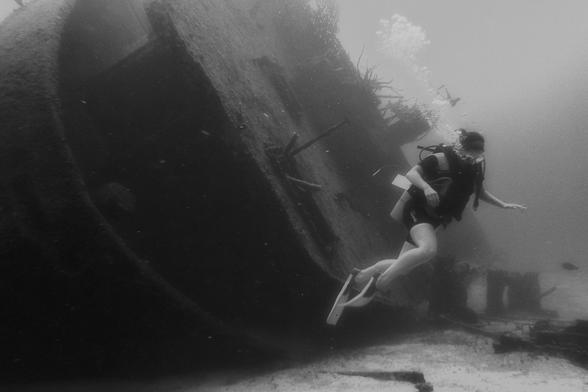
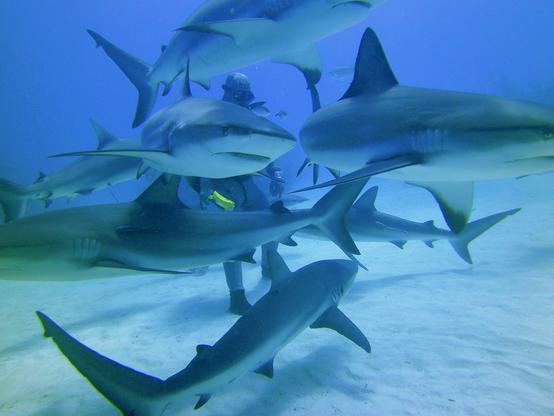
Wordless Wednesday : Anchor Chain
Shipwreck, Red Sea, EgyptImage captured with a Panasonic Lumix GH5 and edited with Lumiar 4.
#Photography #ScubaDiving #wreckDiving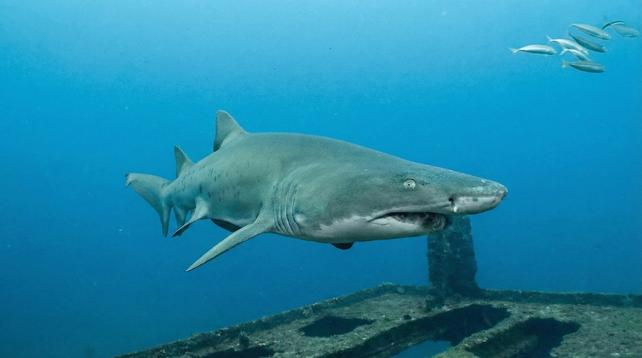
 Tinca Tinca
 Reel Tubes
 ScubaHankNYC