Sarah’s Musings on Katherine Mansfield and her poem “The Meeting”

Katherine Mansfield and “The Meeting” – Listening Beneath the Words

I am pleased to introduce a new thread within Rebecca’s Reading Room, one that occasionally brings conversations from The Book Dialogue into this quieter reading space. My sister Sarah and I host The Book Dialogue, a podcast devoted to books, poetry, and the shared pleasure of reading together. From time to time, I’ll be inviting readers of the Reading Room to linger with these conversations here, allowing them to unfold slowly on the page, just as they once did in voice.

In this offering, Sarah recites and reflects on “The Meeting” by Katherine Mansfield, a writer whose work, both in prose and poetry, attends closely to the inner life. Mansfield’s words do not announce their meaning; they invite us to step nearer, to listen more carefully.

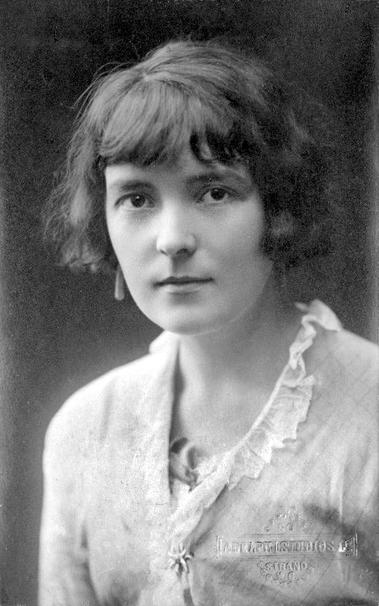
Katherine Mansfield (14 October 1888 – 9 January 1923) (Public Domain via Wikimedia Commons)

A Brief Portrait of Katherine Mansfield

Born Kathleen Mansfield Beauchamp in Wellington, New Zealand, Katherine Mansfield (1888–1923) left her homeland as a young woman to pursue a literary life in Europe. She became one of the most influential voices of literary modernism, admired for her ability to capture fleeting emotional moments with remarkable clarity and restraint.

Mansfield’s life was shaped by restlessness, intense relationships, financial uncertainty, and prolonged illness. Tuberculosis marked her later years, often forcing her into periods of isolation and separation from those she loved. Yet it was within these constraints that her writing deepened, turning ever more attentively toward the subtleties of feeling, anticipation, and inner conflict.

Though she is best known for her short stories, Mansfield also wrote poetry that mirrors the same qualities of compression, emotional precision, and an acute sensitivity to moments that hover just before change.

The Meeting

by Katherine Mansfield

We started speaking,
Looked at each other, then turned away.
The tears kept rising to my eyes.
But I could not weep.
I wanted to take your hand
But my hand trembled.
You kept counting the days
Before we should meet again.
But both of us felt in our hearts
That we parted for ever and ever.
The ticking of the little clock filled the quiet room.
“Listen,” I said. “It is so loud,
Like a horse galloping on a lonely road,
As loud as a horse galloping past in the night.”
You shut me up in your arms.
But the sound of the clock stifled our hearts’ beating.
You said, “I cannot go: all that is living of me
Is here for ever and ever.”
Then you went.
The world changed. The sound of the clock grew fainter,
Dwindled away, became a minute thing.
I whispered in the darkness. “If it stops, I shall die.” 

https://youtu.be/C8Rbny7ILeY?si=CTrx1VIl5Di2WaZV

The Meeting” was written during the final years of Mansfield’s life, around 1918–1920. By this time, much of her experience was defined by waiting. Waiting for health, for companionship, for moments of closeness that were often delayed or imperfectly realized. The poem is not directly about a specific biographical event, nor is it an elegy. Instead, it arises from an emotional landscape Mansfield knew well. A life lived in intervals. Rather than dramatizing reunion or fulfillment, she turns her attention to the threshold. The moment of approach, the quiet expectancy before connection.

This restraint was central to her modernist sensibility. Mansfield believed that meaning resides not in grand declarations, but in what is held back, felt, and sensed beneath the surface. After experiencing profound loss, including the death of her beloved brother during the First World War, she no longer trusted permanence. Presence became precious. Anticipation carried weight. In “The Meeting,” what matters is not what happens next, but what is felt in the waiting.

Hearing “The Meeting” read aloud allows its stillness to emerge more fully. The poem does not rush toward resolution. It lingers, asking us to remain present with uncertainty, with feeling that has not yet found its form. In this way, the poem aligns beautifully with the spirit of The Book Dialogue, a conversation between two sisters who value listening as much as speaking, and who believe that literature is not something to be mastered, but met.

Perhaps every meaningful poem is a meeting of this kind, shaped by what the writer has endured, and completed only when a reader is willing to arrive slowly.

Rebecca

#KatherineMansfield #PoetryInTheAfternoon #PoetryRecitation #PoetrySalon #TheBookDialogue #TheMeeting

The Launch of Letters to Vincent

Welcome to The Book Dialogue – The Launch of the Letters to Vincent Podcast

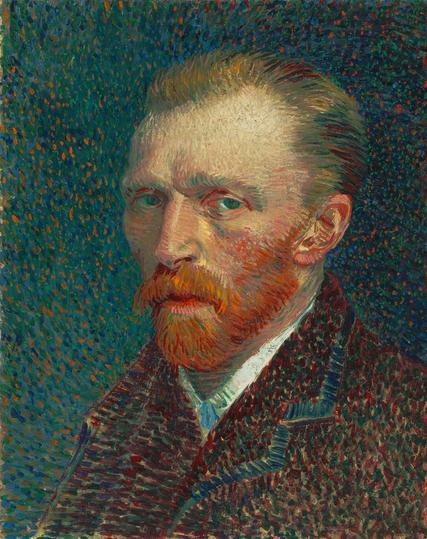
In this special episode, we open the first letter in a new series that invites quiet contemplation and creative connection: Letters to Vincent. Inspired by the life and art of Vincent van Gogh, this project uses his profound, deeply emotional paintings as a form of meditation—a visual gateway to introspection, beauty, and the enduring human spirit.

Vincent Van Gogh Self-Portrait 1887 • Public domain via Wikimedia Commons

https://anchor.fm/s/107374d0/podcast/rss

This journey begins not alone, but together. We have come together in the launch of “Letters to Vincent” to reflect on Vincent’s world and open the door to a new way of reading, seeing, and feeling. Through these letters, we step into the colours and textures of Vincent’s canvases and ask: What would we say to him now? And what might he be saying to us?

Join us as we begin Letters to Vincent, a shared meditation across time, guided by brushstrokes and spirit.

Thank you for joining us on The Book Dialogue. We are so pleased that you are here!

Sarah and Rebecca

https://anchor.fm/s/104257920/podcast/rss

https://youtu.be/nyfbmO92_uk?si=JvVttwzOg-Q0iIko

#Episode1 #LettersToVincent #RebeccaBudd #SarahAhmadi #Season7 #TheBookDialogue

S6 E10: Into the Unknown: A Book Dialogue on Mystery, Wilderness, and Wonder

Into the Unknown: A Book Dialogue on Mystery, Wilderness, and Wonder

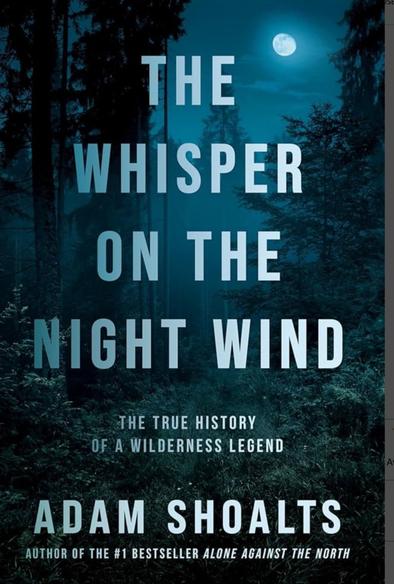
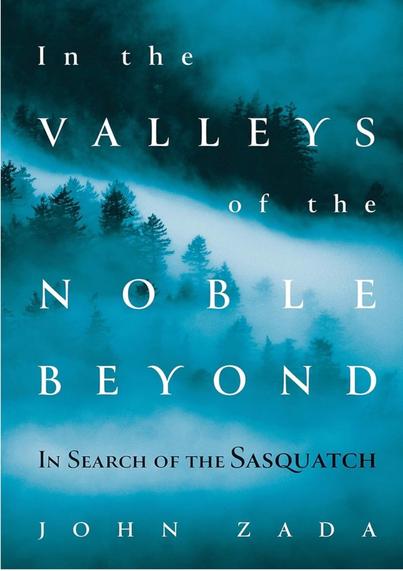
Featuring “The Whisper on the Night Wind” by Adam Shoalts and “In the Valleys of the Noble Beyond” by John Zada

https://youtu.be/k1iJ5wxgdVo?si=CynE4pF15HZ-WRFF

What draws us into the forest, beyond the last known path? Why do we seek the places where maps grow vague and stories grow strange?

In this episode of The Book Dialogue, we delve into two compelling narratives that explore our human longing for the unknown: Adam Shoalts’s The Whisper on the Night Wind, a chilling true tale of an eerie legend deep in Labrador’s wilds, and John Zada’s In the Valleys of the Noble Beyond, an evocative exploration of the Sasquatch mystery in British Columbia’s Great Bear Rainforest.

The Whisper on the Night Wind by Adam ShoaltsIn the Valleys of the Noble Beyond by John Zada

At the heart of both books lies a profound question: Do we need the unexplained in our lives? Might mystery itself be a kind of nourishment for the imagination—and a compass for the soul?

Join us as we journey through landscapes where myth and reality blur, where silence is thick with possibility, and where the search for truth often reveals more about ourselves than the world we wander.

Sarah and Rebecca

Into the Unknown: A Book Dialogue on Mystery, Wilderness, and WonderThe Book Dialogue

#inTheValleysOfTheNobleBeyond #rebeccaBudd #sarahAhmadi #season6 #theBookDialogue #theWhisperOnTheNightWind

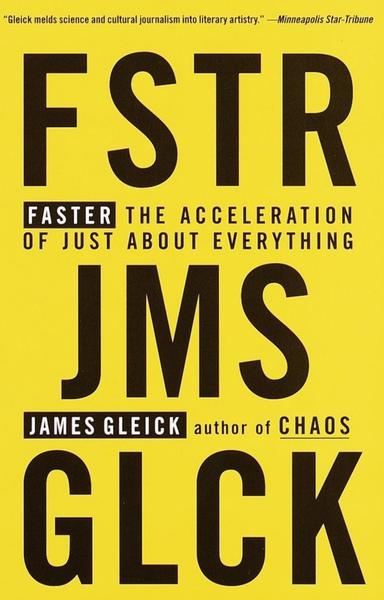
S6 E9: Faster: The Acceleration of Just About Everything by James Gleick

Welcome to The Book Dialogue, where thoughtful reading meets lively conversation.

In this episode, we dive into Faster: The Acceleration of Just About Everything by James Gleick, bestselling author of Genius and Chaos. With his signature wit and clarity, Gleick invites us to explore what it means to live in an age defined by speed.

https://youtu.be/4qFEvh0wz3g?si=xlrIurYI9tboJQGg

“When every moment is measured, time seems to vanish.”

James Gleick, Faster

We’ve entered what he calls the “epoch of the nanosecond”—a world where time-saving devices multiply and yet somehow, we feel we have less and less time. Hurry sickness, microwave moments, and the quiet erosion of simple pleasures all come under the microscope.

Sarah brings her brilliant perspective to this conversation, offering a thoughtful lens on how Gleick’s insights connect to our everyday lives—how we eat, relate, love, and slow down (or don’t).

Whether you’ve read Faster or are simply feeling the rush of modern life, we invite you to pause with us for a while. Take a deep breath, settle in, and listen. The pace may be accelerating, but here, reflection still matters.

It seems that we are in a rush without knowing why. Saving seconds only to lose whole seasons.

Thank you for listening in,

Sarah and Rebecca

Faster: The Acceleration of Just About Everything by James GleickThe Book Dialogue

#Episode9 #FasterTheAccelerationOfJustAboutEverything #JamesGleick #RebeccaBudd #SarahAhmadi #Season6 #TheBookDialogue

S6 E6: Embrace the Magic: Why Fantasy Literature Inspires Us

Welcome to our latest discussion on The Book Dialogue where we dive into the enchanting world of fantasy! From mystical realms filled with dragons and wizards to epic quests that captivate the imagination, fantasy literature and media have a remarkable way of transporting us to extraordinary places.

Reading fantasy offers a unique escape from reality, allowing us to venture into worlds where the impossible becomes possible. This genre stimulates our imagination, encouraging creativity and critical thinking as we navigate complex narratives filled with rich characters and intricate storylines. Fantasy often addresses universal themes such as good versus evil, friendship, and personal growth, which resonate deeply with our own experiences and struggles. By immersing ourselves in fantastical tales, we not only find solace and adventure but also gain new perspectives on our lives and the world around us.

https://youtu.be/2jzwLNspCNk?si=s_99UmfhGQU1vIu1

In the end, fantasy literature expands our understanding of what it means to be human, making it a vital addition to our reading repertoire.

Thank you for joining us on The Book Dialogue,

Sarah and Rebecca

“Faërie contains many things besides elves and fays, and besides dwarfs, witches, trolls, giants, or dragons; it holds the seas, the sun, the moon, the sky; and the earth, and all things that are in it: tree and bird, water and stone, wine and bread, and ourselves, mortal men, when we are enchanted.”

J.R.R. Tolkien, Tolkien On Fairy-stories

https://anchor.fm/s/107374d0/podcast/rss

#Fantasy #RebeccaBudd #SarahAhmadi #Season6 #TheBookDialogue

S6 E5: Sarah and Rebecca in the Studio

Welcome to The Book Dialogue Video Podcast!

We are thrilled to welcome you to The Book Dialogue “Studio”. We are now embracing a vibrant new chapter as we launch our video podcast series! This initiative enhances our commitment to bringing you deeper insights into the world of literature.

In each episode, we’ll explore beyond the pages of our favourite books, engaging in meaningful conversations about our reading adventures. Join us as we consider themes, feature storytelling techniques, and illuminate the unique perspectives that make books a profound part of our lives.

Whether you’re a longtime listener or new to our community, we invite you to sit back, relax, and enjoy the visual journey as we celebrate the power of books. Thank you for tuning in to The Book Dialogue, where every book tells a story, and every dialogue opens new horizons!

Sarah and Rebecca

https://youtu.be/e20M_z6do54?si=k7IZLl7vsZ7rasOR

https://anchor.fm/s/107374d0/podcast/rss

#Episode5 #RebeccaBudd #SarahAhmadi #Season6 #TheBookDialogue

S6 E3: Should We Journal?

Welcome to The Book Dialogue

Thank you for listening in!

Welcome to another episode of The Book Dialogue! Today, we’re diving into a topic that has sparked much debate among creatives and thinkers alike: Should we journal?

Should We Journal?

Should we Journal (Image by WordPress AI)

Join us as we explore the transformative practice of journaling and its potential benefits for personal and creative growth. We’ll be referencing influential works, including Julia Cameron’s bestselling book, The Artist’s Way, which emphasizes the importance of nurturing one’s creative self through morning pages—an exercise that encourages free-flow writing to unlock inner thoughts.

We’ll also discuss Ryder Carroll’s The Bullet Journal Method, a system designed to help you organize your thoughts, tasks, and reflections in a way that promotes clarity and focus.

Whether you’re a seasoned journaling enthusiast or someone curious about starting, this episode will provide insights, tips, and inspiration to help you decide if journaling is the right practice for you.

So, grab your pens and notebooks and join us as we discuss the question: Should we journal?

https://anchor.fm/s/107374d0/podcast/rss

“journaling is like whispering to one’s self and listening at the same time.”

Mina Murray, Dracula (Bram Stoker)

Sarah & Rebecca

#Episode3 #journaling #JuliaCameron #mentalHealth #mindfulness #personalGrowth #RebeccaBudd #RyderCarroll #SarahAhmadi #Season6 #TheArtistSWay #TheBookDialogue #TheBulletJournalMethod #writing

S6 E2: How Should One Read a Book

Welcome to The Book Dialogue

Thank you for listening in!

We are excited to share our conversation on Virginia Woolf’s thought-provoking article, “⁠How should one read a book⁠.” We explore her perspective on the reading process, highlighting the transformative nature of engaging deeply with literature. She highlights the interplay between reader and text and the emotional resonance of connecting with the writer.

Virginia Woolf reminds us that reading is a multifaceted experience that goes beyond mere comprehension. She prompts us to appreciate the beauty of language and the depth of thought that literature can offer. 

This is your invitation to join us in considering the complexities of reading and the profound connections that can be forged through the written word.

Sarah & Rebecca

How Should One Read a Book by Virginia WoolfThe Book Dialogue

#bookReviews #Books #Episode2 #HowShouldOneReadABook #literature #Reading #Season6 #TheBookDialogue #VirginiaWoolf #writing

THE COMMON READER--SECOND SERIES

Title, by Author, free ebook

Celebrating National Hat Day

National Hat Day is a great excuse to break out hats from your wardrobe.

Celebrating National Hat Day on January 15th offers a fun opportunity to appreciate a versatile and often overlooked fashion accessory. Hats come in countless styles, colours, and designs. each expressing a unique personality!! Every year, we head outdoors to commemorate hats. As Christian Dior once said “Without hats there is no civilization.”

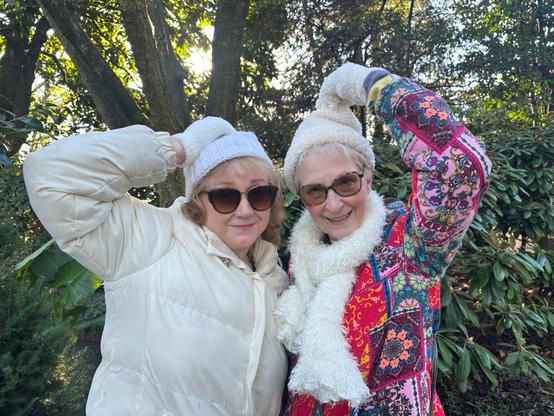
Sarah and Rebecca celebrating National Hat Day, January 15, 2025

This year, we are sporting stylish toques, embracing the warmth and flair of this classic winter accessory. Toques and cold weather are a great combination, especially in Canadian winters. They come in various colours and designs, making them not only functional but also a fashionable statement.

https://youtu.be/QQOLFJ_Vfu8?si=AePRC1BwZGzg6Xxn

Historically, toques were popular from the 13th to the 16th century in Europe, especially in France. They experienced a revival in the 1930s and are now primarily known as the traditional headgear for professional cooks. In Canada, the term toque is used interchangeably with the French Canadian spelling of tuque knit caps.

Thank you for celebrating National Hat Day with us. Come join us at The Book Dialogue Podcast. Our next podcast will be published next week so stay tuned.

Happy Toque Day!

Sarah & Rebecca

#Canada #Celebrations #NationalHatDay #TheBookDialogue

Sarah and Rebecca Celebrate National Hat Day January 15, 2025

YouTube

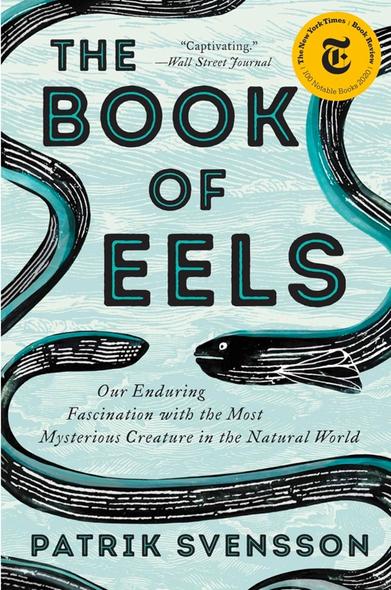
S5 E4: The Book of Eels by Patrik Svensson

“When I held them in my hands and tried to look into their eyes, I was close to something that transcended the limits of the known universe. That is how the eel question draws you in. The eels’ mystique becomes an echo of the questions all people carry within them: Who am I? Where did I come from? Where am I going?”

Patrik Svensson, The Book of Eels: our enduring fascination with the most MYSTERIOUS creature in the natural world

The Book of Eels by Patrik Svensson

Welcome to The Book Dialogue

Thank you for listening in!

Join us today as we discuss The Book of Eels by Patrik Svensson. Sarah is excited to share her thoughts on reading about eels, one of nature’s most enigmatic creatures.

Patrik Svensson’s profound exploration of eels invites us to draw parallels to our own existential inquiries. As he eloquently states, “When I held them in my hands and tried to look into their eyes, I was close to something that transcended the limits of the known universe.” Through his narrative, we will uncover the mysteries surrounding these elusive beings while reflecting on the universal questions of identity and purpose.

Whether you are a long-time fan of nature writing or new to the genre, this discussion promises to engage and inspire.

So, grab your headphones, and let’s plunge into the world of The Book of Eels!

Sarah and Rebecca

The Book of Eels by Patrik SvenssonThe Book Dialogue

We all came from the sea once, and therefore anyone wishing to understand life on this planet has to first understand the sea.”

Patrik Svensson, The Book of Eels: our enduring fascination with the most MYSTERIOUS creature in the natural world

#bookReview #Books #eel #eels #Episode4 #fish #PatrikSvensson #RebeccaBudd #SarahAhmadi #Season5 #TheBookDialogue #TheBookOfEels