Nicht mehr ausweichen: Simone Weil in Genf
In Genf ist noch bis Mitte Juni ein «prekäres und ephemeres Monument» zu erleben. Schon diese offizielle Bezeichnung durch den Künstler Thomas Hirschhorn setzt das Wort «Monument» unter Spannung. Das Werk besteht nicht nur aus Materialien, sondern vor allem aus einem sozialen Geschehen – und es ist dem Denken der französischen Philosophin und Mystikerin Simone Weil gewidmet.
Bis 16. Juni 2026 öffnet die ehemalige Feuerlöscherfabrik Sicli täglich im Herzen der Stadt als «Pavillon Simone Weil» ihre Tore.
Eintritt, Getränke und Essen sind frei. Der prominente Schweizer Künstler Thomas Hirschhorn ist während der Laufzeit ununterbrochen vor Ort; rund fünfzig Einheimische aus Genf und mehrere Dutzend Künstler:innen aus ganz Europa arbeiten in den insgesamt zwölf Wochen Laufzeit mit.
Darunter Radiomacher:innen, Tänzer:innen, Boxtrainer:innen, Bibliothekar:innen mit mobiler Bücherei, Menschen ohne festen Wohnsitz und Baristas.
Jeden Abend versammelt man sich wie eine Gemeinde zum Kino. Aus Paletten, Holzresten, grossformatigem Karton, Schildern, Tischen, Büchern und unendlich viel braunem Paketklebeband entsteht ein neuer Lebensraum, den man betreten, benutzen und bewohnen kann.
«Pavillon Simone Weil», © Peter Schneider
Wie Menschen reagieren
Im Pavillon merkt man schnell, dass die ungewöhnliche Fabrikshalle nicht einfach nur wie ein Ausstellungsstück betrachtet werden kann. Viele Besucher:innen bleiben zuerst auf Distanz, lesen Schilder, schauen auf die übergrossen Fotos und Tausende Visualisierungen, lauschen der Klangkunst, prüfen den Raum.
Dann geschieht etwas Eigenartiges: Man setzt sich, trinkt einen Kaffee, besucht eine Philosophie-Vorlesung, spricht mit jemandem, oder nimmt ein Buch in die Hand. Aus Publikum werden Beteiligte.
Der Pavillon will nicht gefallen. Er zieht Menschen in eine Situation hinein, in der sie sich selbst beim Handeln zusehen. Und gerade dort entstehen die stärksten Momente. Manche Menschen wirken irritiert von der Nähe aus Kunst, Politik, Religion, Essen, Karton und Alltagsproblemen. Andere lassen sich sofort darauf ein.
Der Raum verlangt keine Zustimmung, aber er verhindert reine Zuschauer. Wer kommt, wird involviert.
«Pavillon Simone Weil», © Peter Schneider
Neue Monumente
Hirschhorns Monumente sind keine Denkmäler im klassischen Sinn. Sie setzen ihre Figuren nicht auf Sockel, sondern bringen ihr Denken in einen öffentlichen Raum. Das erste entstand 1999 für Spinoza in Amsterdam, das zweite 2000 für Deleuze in Avignon, das dritte 2002 für Bataille in Kassel, das vierte 2013 für Gramsci in New York. 2019 die «Robert Walser-Sculpture» in Biel.
Diese Arbeiten waren zeitlich begrenzt, aus einfachen Materialien gebaut und als benutzbare soziale Räume angelegt: mit öffentlichen Büchereien, Installationen, Textarbeit, Vorträgen, Essensausgabe, Werkstätten, provisorischen Kinosälen, Radio oder Theaterbühnen.
Damit verschiebt Hirschhorn, was ein Monument sein kann. Es erinnert nicht durch Dauer, Erhabenheit und Auszeichnung, sondern indem es Beteiligung ermöglicht.
«Monument» bedeutet bei Hirschhorn kein Zeichen der Verehrung; es ist ein Möglichkeitsraum, in dem Denken soziale Form annimmt. Wer kommt, tritt in eine provisorische Ordnung ein, in der gelesen, gefragt, widersprochen und mit den eigenen Händen gearbeitet wird.
Warum Simone Weil?
Simone Weil gehört zu den Vergessenen des 20. Jahrhunderts. Albert Camus nannte sie den «einzigen grossen Geist unserer Zeit»; im philosophischen Kanon blieb sie dennoch randständig. Vielleicht, weil sie früh starb. Vielleicht, weil sie eine Frau war. Vielleicht aber auch, weil sie sich keiner Zuordnung fügt und gegen jene Kategorien sperrt, mit denen man sie hätte vereinnahmen können.
Sie wurde 1909 in Paris in eine jüdisch-assimilierte Familie geboren, engagierte sich als Linke für den Syndikalismus und kritisierte zugleich Marx, den Stalinismus und jede ideologische Selbstgewissheit, die den einzelnen Menschen aus dem Blick verliert.
Für Hirschhorn war Simone Weil lange Zeit ein rotes Tuch. Ihre religiöse Seite war für ihn zunächst ein Hindernis. Erst vor acht Jahren begann er, ihre Schriften intensiv zu lesen. Weils «Radikalität» und «Singularität» lassen ihn seither nicht mehr los. Mit ihr hat Hirschhorn seine Antwort auf die Frage gefunden, was es heisst, «links» zu sein:
Links zu sein ist keine Ideologie, sondern der ständige Versuch, Theorie in die Praxis umzusetzen, auch wenn es schiefgeht», so Hirschhorn über Weil.
«Pavillon Simone Weil», © Peter Schneider
Religion im Pavillon?
Simone Weil wird oft halbiert. Die eine Lesart macht aus ihr eine heimliche katholische Heilige: eine Mystikerin, die eigentlich nur noch getauft werden müsste. Eine sozialistische Lesart versucht demgegenüber, Weil vor dieser Vereinnahmung zu retten – jedoch nur, indem sie das Religiöse aus ihrem Denken herausfiltert.
Wenn Weil in ihrer Schrift «Verwurzelung» eine neue «spiritualité du travail» fordert oder beschreibt, wie Marx selbst den «manque de spiritualité» im Kommunismus bedauert, geht es nicht bloss um «mangelnde Geistigkeit» oder um das «Geistige an der Arbeit», wie es die 2011 bei diaphanes erschienene deutsche Übersetzung wiedergibt. Es geht um eine handfeste Spiritualität der Arbeit.
Weil erkennt im dezidiert atheistischen Sozialismus eine Handschrift Gottes.
Der «Pavillon Simone Weil» lässt diese Weite zu. Er inszeniert keine fromme Simone Weil, aber er säubert sie auch nicht von Religion. Zwischen Werkstätten, Lesekreisen, Essensausgabe, Radiosendungen und kommunistischem Kickbox-Unterricht entsteht ein lebendiges Gewebe, in dem Mystik und soziale Frage nicht getrennt werden können.
Religion ist hier kein Sonderbereich. Sie erscheint dort, wo Ästhetik und Soziales dasselbe sind, Arbeit, Formen der Aufmerksamkeit und Zusammenleben eine soziale Skulptur bilden.
Aufmerksamkeit à la Simone Weil
Im Spanischen Bürgerkrieg hat Simone Weil mit eigenen Augen gesehen, wie leicht jene, die sich für die «Guten» halten, zu grausamen Schlächtern werden.
Sie will nicht mehr auf der Seite der «Richtigen» stehen und misstraut jeder moralischen Selbstgewissheit von Lagern, Parteien und Kollektiven.
Sie versucht, ihre Wahrnehmung gerade im Leiden und Anstrengenden zu schulen und sich selbst infrage zu stellen. Gleichzeitig bleibt auch sie nicht frei von blinden Flecken. In ihren Texten stehen Sätze über Schuld, Strafe, Gewalt, das biblische Israel und religiöser Ordnung, die aus Sicht einer pluralen, liberalen Gesellschaft nicht unwidersprochen bleiben dürfen.
Solche Aussagen ermöglichen heute sehr unterschiedliche Anschlusslektüren – darunter auch antijüdische, extrem rechte oder postliberale. Die Deutung ihres Denkens bleibt umkämpft.
Keine Idole
Weil Simone Weils Denken ideologisch umkämpft bleibt, steht es im Pavillon im Zentrum. Hirschhorn zeigt keine gesäuberte, verehrbare, beinahe liebe Simone Weil. Er zeigt eine Denkerin, die in Politik, Krieg und Religion in Widersprüche geriet und ihnen nicht auswich. Ihre Texte glätten diese Widersprüche nicht. Sie halten die Konflikte offen, statt sie vermeintlich aufzulösen.
Nicht zufällig druckt Hirschhorn jene Fotografien, auf denen sie im Spanischen Bürgerkrieg mit Waffe posiert, mehrere Meter gross. Diese Bilder polarisieren. Sie zeigen Weil nicht nur als Intellektuelle, sondern als Mensch, der handeln wollte und dabei selbst in die Gewaltgeschichte seiner Zeit geriet.
Thomas Hirschhorn erklärt Weil nicht. Er stellt Bücher, Bilder, Zitate, Materialien und Menschen in einen Raum und lässt ihre Fragen, Suchbewegungen und Widersprüche wirken.
Jenseits der Ausreden
Wer den Pavillon betritt, muss nicht zuerst verstehen. Man kann sich dazusetzen, mitessen, zuhören, stricken, widersprechen, schweigen, gehen und irgendwann wiederkommen.
Der Raum macht aus Besucher:innen weder Fans noch Betrachter:innen, sondern Gegenüber.
Darin erfüllt sich etwas von dem, was Weil mit «Aufmerksamkeit» meinte: nicht ausweichen. Nicht vor den anderen, nicht vor sich selbst, nicht vor den Zumutungen eines Denkens, das sich nicht glatt verehren lässt. Wenn es eine Wahl gibt, dann nicht unbedingt die bequemere, sondern jene, in der man keine Ausreden mehr hat.
So existiert mit dem Pavillon ein «prekärer und ephemerer» Begegnungsort, an dem Menschen einander für begrenzte Zeit nicht ausweichen können – vermittelt durch Kunst, durch Spiel, durch Debatte.
Danach wird alles abgebaut. Was wird bleiben? Keine Statue, sondern vielleicht eine Frage: Was würde es kosten, dieses Experiment als eigene Lebensform für den Rest des Lebens zu leben?
Thomas Hirschhorn, Pavillon Simone Weil, Pavillon Sicli, Genf, bis 16. Juni 2026, 10 bis 22 Uhr, Eintritt gratis.
Der Theologe Tom Sojer hat den Hirschhorn/Weil-Pavillon mitorgansiert. Bereits bei RefLab von ihm zu Simone Weil erschienen: «Führt Intensität zu Gewalt?» und «Es ist der Blick, der rettet».
Zu Byung-Chul Hans Buch «Sprechen über Gott», eine philosophische Auseinandersetzung mit Simone Weil, findet sich hier ein Beitrag von Johanna Di Blasi: «Haben wir zu beten verlernt, und wenn ja, warum?»
Fotos: «Pavillon Simone Weil», © Peter Schneider
#Kunst #SimoneWeil Hans Kastell
 Querido Bartleby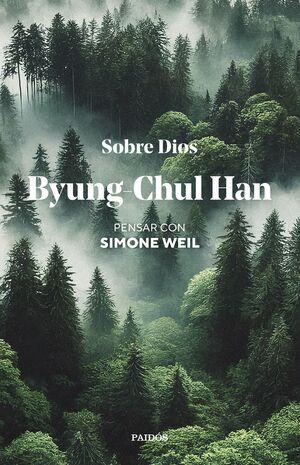
 tonvanthof
 ((***Tiefenkultur**)) @kassiopeia_v7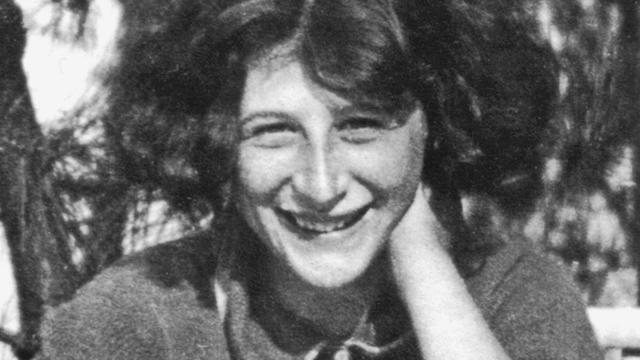
 RefLab


 Giu/Lio
 Vicente Vázquez Freire
 Radio Blackout 105.25FM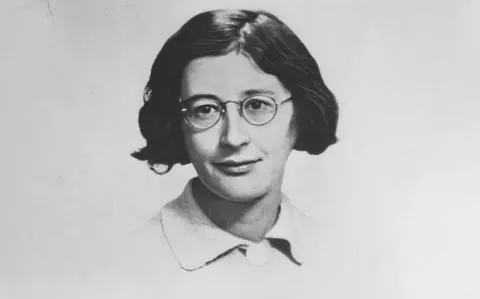
 Craig Constantine
 Lou Cramazouk Rabia Jeanne