 Folini @ Mastodon 🇮🇹 🇺🇸
Polygonatum multiflorum, the Solomon's seal (Sigillo di te Salomone, in Italian), is a species of flowering plant in the family Asparagaceae, native to Europe and temperate Asia. The picture was taken today on the Italian Alps in Valtellina.
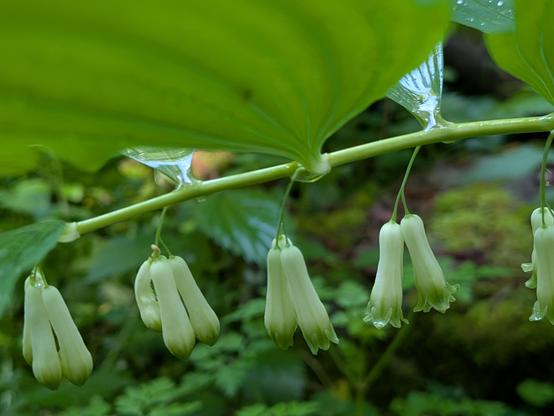
Polygonatum multiflorum, the Solomon's seal (Sigillo di te Salomone, in Italian), is a species of flowering plant in the family Asparagaceae, native to Europe and temperate Asia. The picture was taken today on the Italian Alps in Valtellina.
🌱 Struggling to find plants that thrive in shady spots?
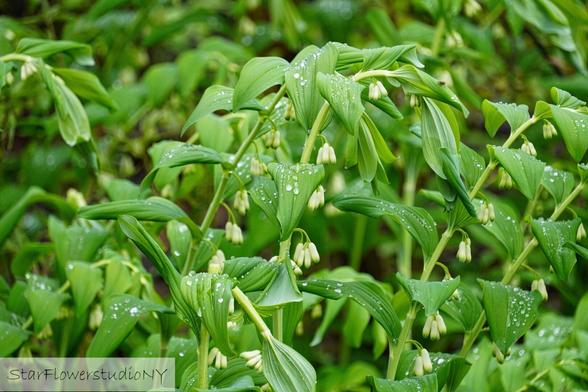
Polygonatum multiflorum, or Solomon's Seal, might be your answer!
This perennial flourishes in rich, well-draining soil and can bring a graceful touch to your woodland garden.
https://ukpavingtalkgroup.com/go/crc5
#SolomonsSeal #Polygonatum #ShadeLovers #GardenInspiration #ElyGardens #PerennialPlant #WoodlandGarden



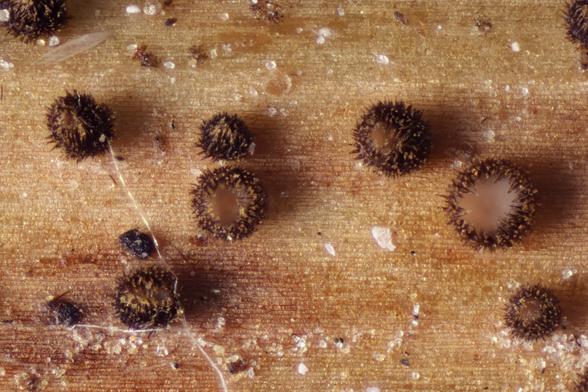
Trichopezizella nidulus ex Polygonatum sp.
#Trichopezizellanidulus #Trichopezizella #Nestförmigeshaarbecherchen #weißwurzhaarbecherchen #mushroom #mushrooms #fungus #fungi #pilz #pilze #champignons #champignon #nature #natur #Polygonatum #FungiFriends



Complete #chloroplast #genomes clarify #phylogenetic placement of six #polygonatum species.
https://phys.org/news/2023-06-chloroplast-genomes-phylogenetic-placement-polygonatum.html

Polygonatum Miller is highly valued for its medicinal properties with the horizontal creeping fleshy roots. Previous studies have mainly focused on the size and gene content of the plastid genome, with insufficient studies on the comparative genomic analysis. In addition, the complete chloroplast genome data of some species have not been published, so their phylogenetic placement is not well understood.
 pavingtalk
 StarFlowerStudioNY
 Arielle
 Petra van Cronenburg
 Ruhrpott-Pilze
 CellBioNews