 Ivi Choc
#ZackLabe #DataViz #DataVisualization #climate
#ClimateScience #climatechange #ClimateEmergency #ClimateCrisis #ClimateBreakdown #ClimateDisruption #globalWarming #globalHeating #ExtremeWeather #polycrisis
RE: https://bsky.app/profile/did:plc:nipoqrw2c5olbwkhy3bqxkiy/post/3mmm35dmbk22f
#FYI #HerbSimmens #ClimateEmergencyForum #PaulBeckwith #PeterCarter
#ClimateChange and #InfectiousDiseases
www.youtube.com/watch?v=oSEG...
#climate #ClimateEmergency #ClimateCrisis #ClimateBreakdown #ClimateDisruption #globalWarming #globalHeating #ExtremeWeather #polycrisis #EcosystemCollapse
Climate, Extreme Weather and D...
Climate, Extreme Weather and D...

Climate, Extreme Weather and Disease
 Ivi Choc
#FYI #HerbSimmens #ClimateEmergencyForum #PaulBeckwith #PeterCarter
#ClimateChange and #InfectiousDiseases
https://www.youtube.com/watch?v=oSEGjkXelig
#climate #ClimateScience #ClimateEmergency #ClimateCrisis #ClimateBreakdown #ClimateDisruption #globalWarming #globalHeating #ExtremeWeather #polycrisis #EcosystemCollapse
Climate, Extreme Weather and Disease
 moribund mind 🌱
Humanity is about to be slammed by multiple interconnected crises on a global scale that it is fundamentally incapable of addressing.
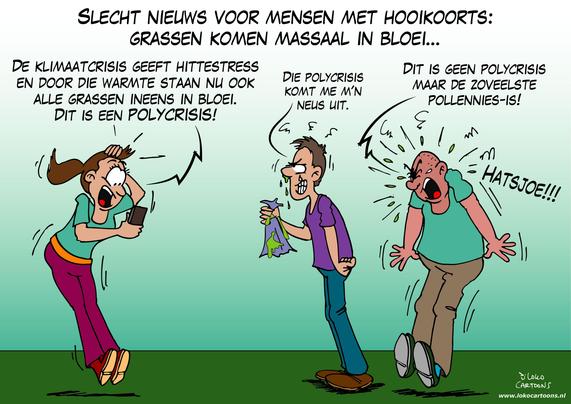
 Lodewijk Koster
Cartoonjournaal 23 mei 2026.
Lees het bijbehorende artikel op mijn LinkedIn profiel:
#Cartoonjournaal #humor #socialmedia #nieuws #klimaatverandering #hittestress #pollen #stuifmeel #hooikoorts #polycrisis #gras
 atomicker
"… this isn't just about one conflict. It's about a global fossil fuel dominated energy system that makes us all vulnerable. And the longer we stay in it, the more we keep paying for crises we didn't create."
"The real solution is to end our dependence on fossil fuels and stop new investments in them."
https://www.youtube.com/shorts/3DGnBHZQQdo
#Canada #CDNPoli #BCPoli #ABPoli #ClimateCrisis #ClimateBreakdown #ClimateChange #NoPipelines #CostOfLivingCrisis #PolyCrisis #Greenpeace
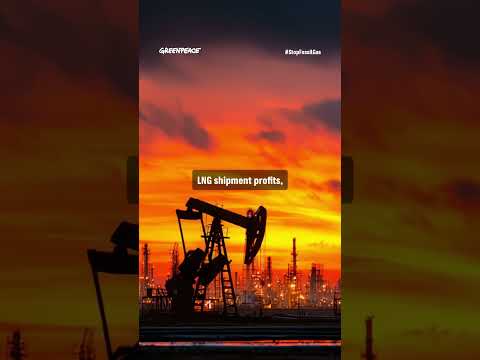
The answer isn't more oil and gas.
 Miss Gayle
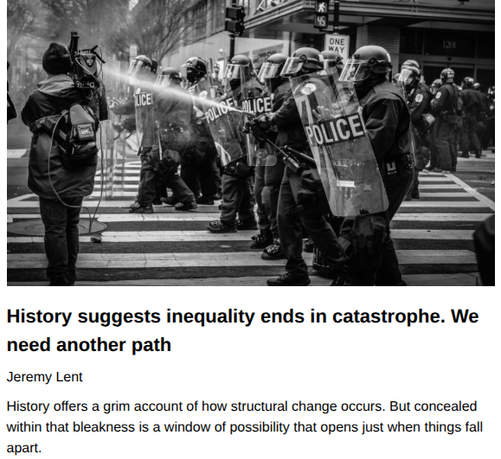
"Movements have emerged...[but] the work of weaving them into a coherent fabric, capable of inspiring mass adoption...remains largely undone.
Reweaving society...defines the challenge facing all those who desire a better future...Social breakdown frequently engenders feelings of panic...and rage, which can lead people further into the sway of authoritarian strongmen...The window is open, but it will not stay open..."
 Lord Caramac the Clueless, KSC
We could really use a global wave of revolutions right now, people rising up against capital and against being forced to compete against each other, rising up against the destruction of life on Earth, building networks of solidarity and mutual aid to grow into a new Green Socialist economy without nations or borders.
Capitalism is going to end anyway, there is no way this system is going to last for very much longer. But an uncontrollable collapse of the economy is not what anybody could ever want to experience, yet it is exactly where we are headed. As things are moving right now, as they have been moving for centuries, as the MIT computer model study Limits to Growth, published by the Club of Rome in 1972, projected 54 years ago, collapse is inevitable. The only way to avoid the chaotic collapse of the capitalist system would be a global revolutionary movement to dismantle it as quickly as possible while building a radically different type of economy, society, and culture, to replace the old one.
If we can't stop the global Epstein network from implementing their fascist and cyberfeudalist power fantasies, it won't matter anymore if there is a Green Socialist World Revolution a couple of years later, we will never be able to undo the ecological damage. Every single day the economy keeps rolling on its current trajectory, it destroys entire landscapes for raw materials, it poisons the air, the water, the ground, it kills entire ecosystems and drives species into extinction, it heats the planet which is already too hot. No matter what we do, the Industrial Age will come to an end because it simply isn't ecologically sustainable; however, after a green and red revolution, we could begin to plan and build for a postindustrial world where things aren't mass produced cheaply anymore but made by hand to last as close to forever as possible, because that's where we're headed. But most of the Left won't accept that, most still believe that we can turn around the Age of Machines and turn it into Fully Automated Luxury Communism, but that simply isn't possible anymore because our good Mother Earth is gravely ill and will take millions of years to recover.
Every day that the machines keep running the way they do, every day we keep turning entire landscapes upside down to get to some chemical elements we need to build more machines, every day we keep ploughing giant fields with insanely big ploughs drawn by monstrously big tractors, spraying them with lots of nitrates and phosphates and neonicotinoids and glyphosate, turning entire landscapes into wide seas of just one single plant species where you don't see any birds or butterflies, burning ancient carbon to keep the machines running, we are getting one step closer to our own extinction. All the damage we cause keeps adding up. We are even using renewable resources faster than they can grow back. We keep designing and manufacturing goods that could be made to last decades or even centuries to break within years, and we make them so cheaply and shoddily that it's easier to throw them away and buy new ones so that the economy can keep growing. It's a cancer of the economy, that's what Capitalism is, and it's killing us all. And it's far too late to rescue the Industrial Age, there is no way we can turn it all green and sustainable before it collapses in the coming chaos. What we need now is a radical movement of people working on ways to survive the chaos and build a new world from the ashes of the old, even if it's just a word of simple tribal communities making simple things with simple tools. There will be other civilisation after this one is gone, but only if we survive. We need much fewer high-tech engineers building smartphones or spaceships and far more organic gardeners and tinkerers. We need to stop building with modern concrete and build more houses from stone and bricks and clay that can last for millennia instead of crumbling after sixty years. And we need to end the rule of the rich bastards who think they own the planet.
#πολυκρίσης #polykrisis #polycrisis #sustainability #EatTheRich
 Wild Sown
Looking forward to hosting the next Ready & Resilient Hour coming up on June 10.
In our first two focus sessions, participants felt it was helpful to have a space to talk through their concerns about current uncertainty together, and to #focus on the next steps for being prepared.
Follow here for #updates on registering for the Ready & Resilient Hour #workshop series.
#readyandresilient #wildsownstudios #ready #emergencypreparedness #polycrisis #uncertainty #preparedness #beprepared