 The New Oil
New website names and shames companies that still don’t offer #passkeys to users
 FinchHaven sfba
 Axel Nennker
#googleioconnect in the #Chrome authenticatiion session. Speaker is praising federated identity. And #passkey as an upgrade.
 🔷 leckse
 Prof. Rachel Thorn 🍉🇺🇦🏳️⚧️🏳️
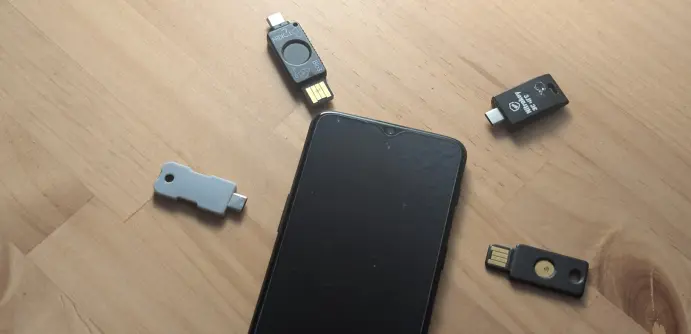
Do any other #LineageOS users find you can use your fingerprint to open your phone (in my case, Pixel 3a XL), and in some apps, but in other cases when you try to add a #passkey, the fingerprint option isn't there, and the only choices are NFC security key, USB security key, and "Use another device"?
 JRT
JRTI've come across a bit of #passkey fud over the years and some misconceptions. I've written a general overview of the topic and added a FAQ section at the bottom.
I tried to keep the main part light on technical details with a few more technical explanations in the appendix below.
https://jrtberlin.de/p/passkeys-a-comprehensive-overview/
Feel free to reach out if you think I missed something or the FAQ lacks a certain question!
Big thanks to @ljrk for the technical QA and to @brahms for the QA of the German variant.
Passkeys: A comprehensive overview
Passkeys are everywhere right now. But Why should I care? My password is secure!\nIn this post I try to cover how we got into to today’s mess of authentication methods and why passkeys are a good option going forward.\nHow did we get here? The first computer password allegedly 1 dates back to the MIT Compatible Time-Sharing System (CTSS), with multiple terminals that where not user-specific but with each user having an individual set of user-owned files. At the time it seemed like a straight forward idea. Yesterday’s solutions like security questions about your mothers maiden name where also considered but discarded due to higher resource usage for something so unimportant like authentication.\n
 koehntopp ~ :
So nice of eBay to make me click away a decent number of popups because it insists on creating a #passkey , while it won't just use the one that's already there 🤬
How come both #eBay and #PayPal have the worst login flows imaginable???
 Robert Kingett
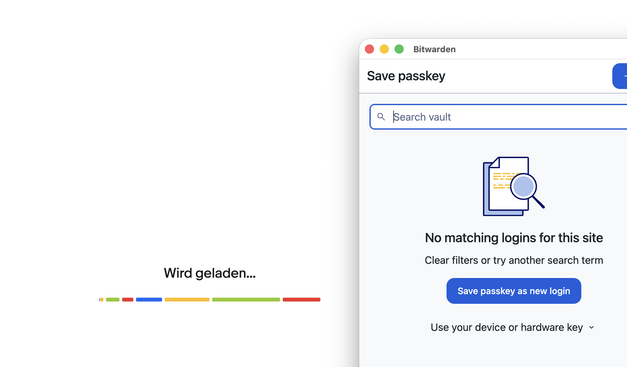
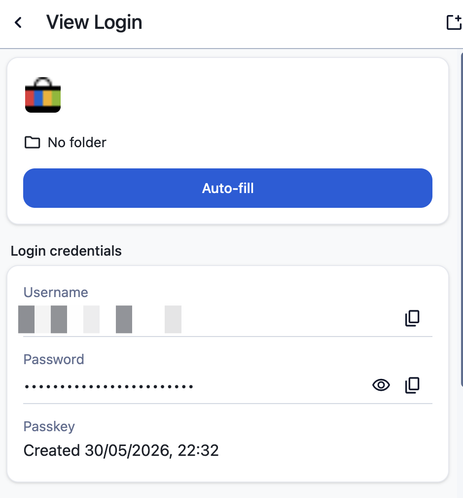
Found this. Anyone know if this is secure, and if it works? KeePassPasskey plugin https://github.com/yusei36/KeePassPasskey/releases #Passkey #Passkeys #KeePass


 Qiita - 人気の記事
緊急アクセス用管理アカウント (Break glass) 入門: 基本構成からセオリー外の追加構成まで解説
https://qiita.com/carol0226/items/bbd69bdc907a48f0e67f?utm_campaign=popular_items&utm_medium=feed&utm_source=popular_items
 bot
bot패스키는 문제가 있지만, 무시한다면 여러분에게도 문제가 생길 것입니다.
패스키(Passkeys)는 기존 다단계 인증(MFA)의 피싱 취약점을 해결하는 강력한 대안이며, Ruby on Rails 애플리케이션에 효과적으로 통합될 수 있습니다.
