 TKSST • seethis.tv 🌈🪐✨
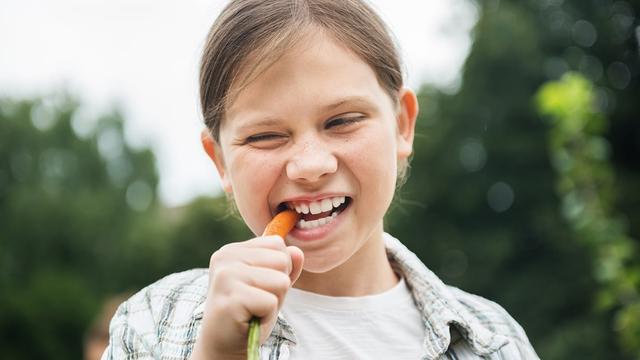
🥦👍 Psychologists at #Aston University in #Birmingham found that #children are more likely to try and enjoy #vegetables like #broccoli after watching others eat them with positive expressions.
The #research highlights how social observation and repeated exposure can overcome food #neophobia and help develop healthier eating habits.
👉 https://www.sciencealert.com/scientists-found-a-remarkable-way-to-help-kids-like-vegetables
#nutrition #psychology #parenting #education #health #diet #uk #learning #science
 Econopass
 NIOO-KNAW
 PLOS Biology
 Scientific Frontline
 Lukas VFN 🇪🇺
 Alexander J. Stein
 GastroHistory
 GastroHistory
 Alexander J. Stein