 BabyYumYum
Creating a calm, supportive home begins with awareness and intention. 🏡💛✨
#BabyYumYum #BYY #MindfulParenting #ParentingJourney #EverydayParenting #ParentingWisdom #GentleParenting
Creating a calm, supportive home begins with awareness and intention. 🏡💛✨
#BabyYumYum #BYY #MindfulParenting #ParentingJourney #EverydayParenting #ParentingWisdom #GentleParenting
Parenting is evolving as neuroscience reveals what’s really happening in a child’s developing brain🧠💛. Connection, co-regulation and predictable routines now guide families more than punishment or pressure.
Nancy L. Weaver from Saint Louis University shares how this research helps parents raise confident, compassionate children.
Read more here: https://zurl.co/OcT0o
#BabyYumYum #BYY #ParentingWithScience #ChildDevelopment #MindfulParenting #NeuroscienceInParenting

Screens are part of everyday life, but balance is key. 📱💛
When it comes to toddlers, it’s not just about how much screen time they get, but how and why it’s used. Small, intentional choices make a big difference.
Read more here: https://zurl.co/CZrta
#BabyYumYum #BYY #ScreenTime #ToddlerLife #MindfulParenting #ModernParenting

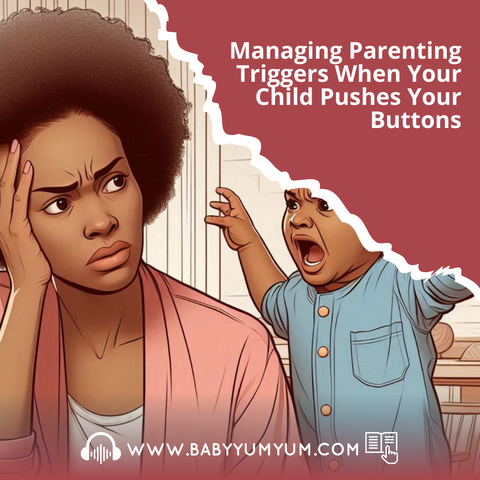
When your child pushes your buttons, it often has more to do with your triggers than their behaviour. 💛
In this insightful piece, The Neuroverse unpacks how to recognise and manage parenting triggers in a healthy, mindful way.
Read more here: https://zurl.co/mGoqf
#BabyYumYum #BYY #TheNeuroverse #ParentingJourney #MindfulParenting #GentleParenting #ParentingTips #ConsciousParenting #RaisingKids
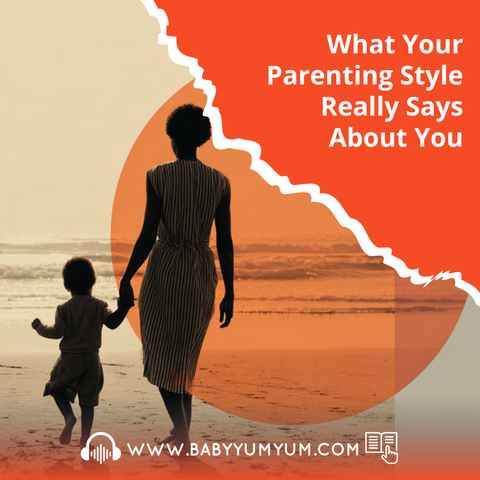
Your parenting style says more about you than you might realise 👀💭!
Discover what it reveals about your values, habits and growth.
Read more in the article here:https://zurl.co/upklk
#BabyYumYum #BYY #ParentingStyle #MindfulParenting #ParentingJourney #SelfAwareness #ModernParent
Screen time isn’t the problem.
Silence is.
Instead of “Phone band karo”, try:
“What are you watching?” 👀
Connection > Control ✨
#GenZParenting #IndianParents #MindfulParenting #ScreenTimeTalk #ModernParenting #NibzuParents #RaisingDigitalKids

Create a Safe Space, Create a Strong Child 💛
Children don’t just grow with toys—they grow with trust, love, and safety.
At Nibzu, we believe that when kids feel secure, they explore more, express freely, and thrive happily ✨
Build positive connections.
Listen without judgement.
Let childhood feel safe, playful, and heard.
#Nibzu
#CreateASafeSpace
#SecureChildhood
#HappyKids
#PositiveParenting
#GentleParenting
#MindfulParenting
#ChildDevelopment

Children see more than we think 👀💔.
Even quiet moments of tension or arguments can affect them deeply. Learn the signs your child might be witnessing violence and take the first step in protecting their emotional wellbeing.
✨ Read the full article: https://zurl.co/9r8Bx
#BabyYumYum #BYY #ParentingTips #ProtectOurKids #ChildSafety #EmotionalWellbeing #ParentingAwareness #FamilyFirst #MindfulParenting

Parenting less with words, more with presence
When my twins turned fifteen, the house felt different. Louder, sharper, and yet strangely quieter at times. They were the same children who once wanted me around for everything, homework help, bedtime stories, dinner debates. Suddenly, they wanted doors closed, opinions voiced, and space respected.
At first, I fought it. I argued, lectured, explained. I tried to reason my way back into influence, as if I could logic them into listening. But the more I talked, the less they heard.
It hit me one evening when my son said, mid-argument, “You don’t get it, Mum, you just talk.”
That stung. Not because he was rude, because he was right.
That night, I stopped talking. And for the first time, I listened, really listened.
He wasn’t being defiant; he was trying to say he needed to be trusted. My daughter wasn’t “arguing back”; she was testing how much of her opinion mattered.
It wasn’t rebellion. It was evolution.
The big realization
Teenage resistance isn’t personal; it’s developmental. It’s the phase when they’re learning to think independently, to question authority, to form opinions that are theirs, not borrowed.
When we respond with lectures, they hear control. When we respond with silence and curiosity, they hear respect.
I realized my words were crowding the space where trust could grow.
The moment I began saying less, they started saying more.
Listening isn’t passive. It’s parenting with restraint.
It takes strength to hold back advice, patience to let them stumble, and humility to accept that your child might see something you don’t.
Teenagers don’t want perfect parents. They want honest ones.
Those who can admit, “I don’t have all the answers, but I’m here.”
Talking less isn’t about withdrawing. It’s about shifting from instructing to observing. From controlling to connecting.
What I started doing differently
I started practicing restraint. Less fixing, more observing. Fewer instructions, more questions.
At first, it was awkward. My instinct screamed to step in, to correct, to explain. But silence became my new parenting muscle, and slowly, it started working.
Something interesting happened when I started doing less. They started doing more.
They opened up more easily. They took initiative. They came to me without fear of judgment. And most importantly, they began to trust their own judgment.
It wasn’t that my influence disappeared, it shifted.
When they see me stay calm in conflict, they learn self-regulation.
When I admit I was wrong, they learn accountability.
When I stop talking and really listen, they learn empathy.
From the outside, it might seem like I’ve become too lenient.
Some relatives think I let them “get away with too much.”
But what they don’t see is the quiet shift underneath, our conversations last longer, arguments end faster, and there’s more laughter between the silences.
Parenting teenagers is less about discipline and more about dignity, theirs and yours.
When they feel heard, they self-correct faster than you can lecture.
It’s funny, I used to believe parenting meant having answers. Now I know it means holding space for questions.
I’ve learned that silence isn’t absence. It’s presence without pressure. And that most of what teenagers need from us isn’t advice, it’s permission. Permission to think, to fail, to feel, to grow.
These days, our dinner conversations are a mix of banter, debate, and quiet co-existence.
They still push back, but now, I don’t push harder. Because when children push back, they’re not rejecting you. They’re reaching for themselves, and if you stay calm and open, they’ll always find their way back to you.
It turns out that parenting teens isn’t about having all the answers and being in control. It’s about keeping the door open, and your mouth, sometimes, closed.
#boundaries #communication #emotionalIntelligence #familyDynamics #listening #mindfulParenting #modernParenting #motherhood #raisingTeenagers #Relationships

 Nibzu
Nibzu Emberhart
 NammyFit