 Journal of Plant Ecology
Litter trait dissimilarities drove contrasting response of #CarbonFractions to litter mixing, differences in leaf-root traits led to uncoordinated overall mixing effects between leaf and #FineRoot #LitterMixtures.
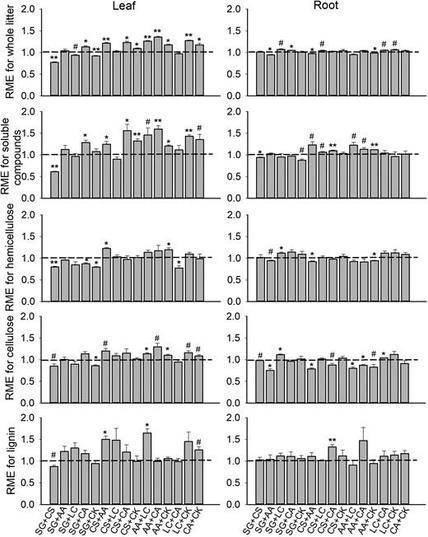
Litter trait dissimilarities drove contrasting response of #CarbonFractions to litter mixing, differences in leaf-root traits led to uncoordinated overall mixing effects between leaf and #FineRoot #LitterMixtures.
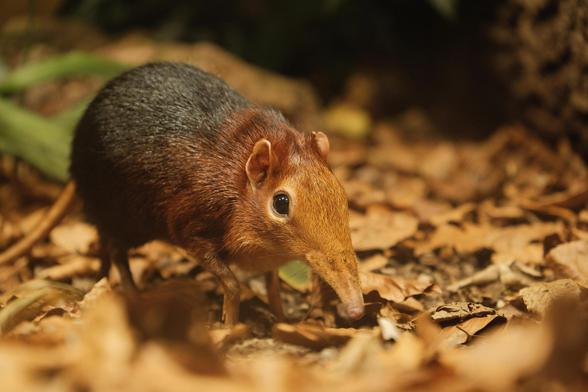
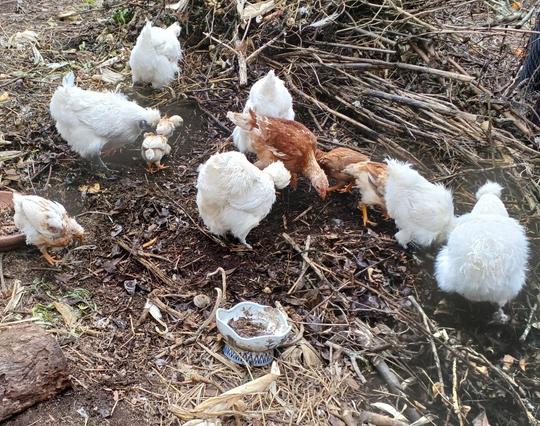
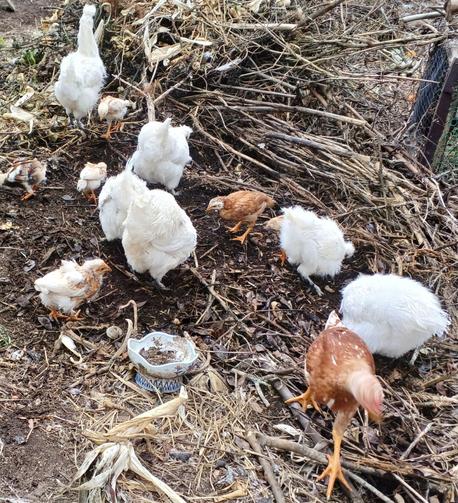
#Nature creates the best #art.
I just look for the natural opportunities to frame/ #photograph what nature had already created to showcase to seeking eyes 💚😊💚
#Autumn #SilentSunday #leaves #foliage #lake #reflections #FallColours #November #WorldInMyEyes #nature #ferns #log #submerged #floating #Nanaimo #NorthCowichan #VancouverIsland #VanIsle #PacificNorthwest #Cascadia #PNW #PhotoWalk #NatureArt #abstract #LeafLitter #debris #VisualArt #DisabledArtists #DisabledPhotographers

Visible here is a #Julida #diplopode, a taxon with ca 750 species worldwide. #Diplopods are important decomposers of #deadwood or #leaflitter; their high food requirements and corresponding excrements make them important #humusproducers. Despite the name #millipedes, almost all diplopods have no more than 750 #legs. An exception is #Eumillipes #persephone (Siphonotidae) described by P. E.Mark et al.(2021),with 1,306 legs.
©#StefanFWirth 2025
Ref
https://doi.org/10.1038/s41598-021-02447-0
#Photos
©S. F.Wirth


Leaf Litter
"The piles of leaves that have formed actually serve to create winter homes for many different species of caterpillars and pupae where they spend the colder months safe from freezing temperatures and predators."
https://butterfly-conservation.org/news-and-blog/what-hidden-treasures-are-in-your-leaf-litter
#Butterflies #Conservation #LeafLitter #WildLife #Nature #BioDiversity #Moths #SolarPunkSunday

From Autumn onwards there are leaves of beautiful browns, yellows and greens turning to crispy litter in gardens and green spaces across the UK. But before you reach for your rake or (for the more technologically advanced among us) the leaf blower, stop and think, ‘what is in my leaflitter?’ The piles of leaves that have formed actually serve to create winter homes for many different species of caterpillars and pupae where they spend the colder months safe from freezing temperatures and predators. Species such as the striking Elephant Hawk-moth, whose caterpillars will now be cocooning over winter. Tucked away under leaves their successful transformation ensures that they can be spotted from the following May to July, providing us with one of the most beautiful moths around. The Elephant Hawk-moth chrysalis is fragile though, and can be difficult to spot, so while you may be tempted to kick up the leaves to create a leaf-shower, leaving leaves exactly where they are is the only safe way to ensure they are left undisturbed. Meanwhile, you’ll be able to spot other species in the trees that may be in your garden or near-by green spaces. For example, Aspen Trees are the homes of Angle Shades that that feed on the leaves of the tree during their caterpillar days. But come winter, the caterpillars take refuge under its leaves. Other moths that overwinter as caterpillars include the Brown-tail, which can be abundant in early spring, eating the young shoots of bushes such as bramble, and a wide range of trees and shrubs. Caterpillars of the Brown-tail hatch from eggs in late summer and feed on the autumn leaves for several weeks, and as they do they construct a white silk tent on the twigs and branches in which they hibernate over the winter. Hundreds of caterpillars can live communally within a single tent. This is a proper resting period, and they are dormant even when the weather is mild. They are waiting for the return of spring before they come out onto the surface of the tent to sun themselves. When the first shoots appear they are ready to commence feeding immediately, which they do voraciously, sometimes stripping bushes and trees of all new leaves. Additionally, the Thistle Ermine, as its name suggests, is associated with thistles of all kinds. The caterpillars of this micro-moth feed in the developing flowers and seeds of the plant from about mid-summer onwards and they’re fully fed by late August. They then bore into the drying stems of the thistle plants, hollowing out a little chamber in which to spend the winter as a caterpillar. Did you know, many butterfly species overwinter as caterpillars? Including the Adonis Blue and the Small Pearl-bordered Fritillary. Meanwhile, there are also many chrysalises that can be spotted including the endangered Wood White. So, in order to keep these species safe and protected for their development into adult hood (which is what we all love to see in the summer of course) we need to make sure that we #DoNothingForNature
【🎉Latest accepted article】
Relationship in response of #Decomposition to litter mixing between above- and belowground in a temperate typical steppe
#CarbonFractions | #FineRoots | #LeafLitter | #LitterMixture | #PhysicalAndChemicalTraits
How does leaf litter decomposition change through the seasons in temperate streams & forests? Cereghetti & Altermatt tracked microbial and invertebrate decomposition across a full year, revealing how timing, temperature, litter quality & ecosystem type shape this key process!
Read now ahead of print!
https://www.journals.uchicago.edu/doi/10.1086/736356
#leaf #leafLitter #temperate #stream #forest #ecosystem #invertebrate
 basepair
 Stuart Miller
 Brian Small
 Ms. Que Banh
 Stefan F. Wirth
 Ma Quest
 Strum
Strum
 American Naturalist