Retro Road Test: Ford Granada 2.0 vs Renault 25 2.0 (1992 UK-Spec)
If ever there were two cars that defined the sensible, shoulder-padded executive of the early 1990s, it was the Ford Granada and the Renault 25. These were the machines you saw gliding into business parks, filled with men who used Filofaxes unironically and thought a mobile phone was something you only saw on Tomorrow’s World. Both cars promised executive comfort without needing a bank loan, and both targeted the sort of buyer who wanted their car to whisper “professional” rather than shout “look at me, I’m a regional director.”
Today, we revisit these titans using 1992 UK specifications, identical 2.0-litre engines (well, identical in displacement, not necessarily in enthusiasm), and a mixture of nostalgia, critical assessment, and gentle humour—because if you can’t poke fun at early-90s executive saloons, what can you poke fun at?
Let’s pull on our geometric-patterned tie, adjust the driver’s seat in twelve painstaking manual movements, and hit the road.
Styling and Presence: Conservative Brutalism vs Gallic Grace
In the early ’90s, car design was teetering between the squared-off seriousness of the 1980s and the wind-tunnel jelly-mould look that would take over as the decade progressed. The Granada and Renault 25 sit directly on that divide, but in very different ways.
Ford Granada: Built for Business (and Quite Possibly Built Out of Boxes)
By 1992, the Granada had moved into its later shape—rounded edges compared to the brick-like Mk2, but still unmistakably designed by someone who believed geometry was not to be trifled with. There is a certain earnestness to the Granada’s look. It says, “I am here to drive you to a meeting,” not “I am here to impress your neighbours.” That said, its proportions are handsome in a slightly authoritarian way. Park one outside a building and it instantly looks like it should be wearing a blue light bar and two burly men named Keith and Dave should be sitting inside making notes about your speed.
The Granada’s design communicates purpose. The grille is confident, the headlights are straightforward rectangles, and the whole thing exudes a sense that Ford wanted you to take it seriously. Not admire it. Not fall in love with it. Just take it seriously.
Renault 25: The French Take a Softer Approach
Where the Granada is masculine, the Renault 25 is almost elegant. Renault went for sleekness long before sleekness was fashionable. The 25 has a sloping tail, a long bonnet, and a window line that looks like someone actually cared about shape and flow rather than drafting straight lines with a ruler.
In 1992 it still looked modern, if a touch quirky—very French, very confident, and slightly smug about the fact that it understood aerodynamics before the rest of Europe finished reading the textbook.
While the Granada looks like it’s about to ask you for your licence and registration, the Renault 25 looks like it’s about to invite you in for a glass of wine and a relaxed conversation about post-industrial European economic conditions.
Interior: Comfort, Ergonomics, and Early-90s Plastics
The interiors of these cars reveal everything about their national origins. Step into a Granada and you immediately know it’s British-built (or, depending on trim level, German-built but British-interpreted). The Renault, on the other hand, is unmistakably French—charming, comfortable, clever, and occasionally baffling.
Ford Granada Interior: Spacious, Sensible, Subtly Creaky
Granadas of this era were known for having cavernous cabins. The driving position is commanding, the seats are large enough to double as budget sofas, and everything is laid out in a way that screams function first. The dashboard is logical if slightly sombre, with switches where you’d expect them—and, just to surprise you, the occasional oddly placed button that reminds you this is still an early-’90s Ford.
Materials are sturdy, though not luxurious. Soft-touch plastics were not yet a universal expectation, so you get what can best be described as “pleasantly durable polymer surfaces,” accompanied by trim pieces that occasionally rattle just to remind you the car is over a foot longer than your garage.
On longer journeys, however, the Granada earns its stripes. Seats are supportive, controls are easy to reach, and visibility is excellent thanks to the big square windows. It feels like a car built by engineers who actually asked drivers what they wanted (probably over a pint).
Renault 25 Interior: Plush, Odd, and Very French
Now step into the Renault 25. The first thing you notice is: “Blimey, this is really rather nice.” Renault in this era excelled at comfortable, well-padded seats that make you feel like you’re sitting in a high-quality armchair rather than a mass-market automobile. They were the kings of long-distance comfort long before the Germans wrestled the title.
Dashboard design on the 25 is very much “French logic,” meaning it’s logical only if you happen to be the person who designed it. Some controls are located in places no human hand should naturally reach. But what it lacks in ergonomic sanity it makes up for with charm and flair. The digital dashboard options available on higher trims looked futuristic in the mid-’80s and still looked reasonably modern in 1992.
Space in the Renault is generous—especially legroom in the back, making it an unexpectedly popular car for MPs and local dignitaries who didn’t want a Rover for fear of being too predictable.
The overall feeling inside the Renault is warmth and comfort. The Granada feels like it wants you to get the job done. The 25 feels like it wants to help you relax before you get the job done.
Engines and Performance: Two-Litre Executive Motoring
Both cars in 1992 were available with 2.0-litre petrol engines producing respectable—but not exactly thrilling—levels of power. These were executive cars, not boy-racers, and their engines were designed to move people and paperwork with quiet dignity.
Ford 2.0 Pinto/DOHC Units: Reliable, Predictable, and Not Fond of Excitement
Depending on exact trim and year overlap, the Granada in 1992 typically used Ford’s 2.0-litre DOHC engine producing around 115 bhp. It’s an engine known for two things: reliability and not making you spill your coffee. It delivers power in a smooth, linear way, though acceleration is more “measured stroll” than “spirited dash.”
0–60 mph takes around 11.5 seconds, depending on gearbox and trim. Not fast, not slow, simply present.
The good news is that once underway, the Granada settles into a confident cruise. It’s a car that eats motorway miles with the same enthusiasm a Labrador eats biscuits—steady, dependable, and endlessly willing.
Renault 25 2.0 Injection: More Refined, Slightly More Willing
The Renault’s 2.0-litre petrol engine also produced around 120 bhp in fuel-injected form. This means the 25 has a slight edge in acceleration, with 0–60 times hovering around the low 11-second mark. It won’t snap your neck, but it will get you on the M6 without making you shout encouragement at it.
The Renault’s engine feels smoother, more cultured, less thrashy at higher revs. It has the vibe of a Frenchman casually smoking a cigarette while saying, “Oui, I will accelerate—but only when I am ready.”
Where the Ford feels mechanical, the Renault feels fluid.
Handling and Ride: Sofa vs Armchair
Ford Granada: Surprisingly Agile for Its Size
The Granada is a large car, yet it behaves with a friendliness you don’t expect. Steering is well-weighted, grip is predictable, and the chassis feels sturdy enough to deal with Britain’s worst road surfaces—including the ones that still haven’t been repaired in 2025.
Body roll exists—it’s a big executive saloon, not a sports coupe—but it’s controlled enough to inspire confidence. Simply put, it feels like a car designed to be driven by people who occasionally run late for meetings.
Renault 25: The King of the Magic-Carpet Ride
The Renault 25 is softer—much softer. It glides over bumps, expansion joints, potholes, and the occasional farm cat with serene ease. This comfort comes at a cost: body roll. The 25 leans like a tall ship in a storm when pushed. It’s not unsafe, just very… French.
Grip is decent but feedback through the steering is not the 25’s strong point. It doesn’t communicate with the driver so much as occasionally send a postcard saying, “Hope you’re well, the front end is understeering slightly.”
It is, however, an exceptional cruiser—effortless, quiet, smooth, and relaxing.
Gearboxes: Manual vs Automatic (or “Stirring the Pudding” vs “Wafting Like a Gentleman”)
Both cars were available with manual and automatic gearboxes. The typical UK-spec executive buyer in 1992 often chose the automatic, contributing to the general sense that neither car was ever in a hurry.
Ford Granada Gearbox
Manual: long throw but robust, feels industrial in a reassuring way.
Automatic: smooth enough but occasionally hesitant, like a teenager getting out of bed.
Renault 25 Gearbox
Manual: lighter and more precise, though still not sporty.
Automatic: extremely smooth, almost too smooth, occasionally slipping into a gear change like a butler handing you a warm towel.
Reliability and Ownership: Who Wins the Battle of 1990s Maintenance?
Ford Granada: The Sturdy Workhorse
Granadas were known for mechanical reliability. The engines were strong, parts were cheap, and most UK garages knew them inside out. Rust was a manageable problem rather than an inevitability.
You could run a Granada on a modest budget, and many did—company fleets loved them for precisely this reason.
Renault 25: The Elegant Diva
The Renault 25 was not unreliable, but when things went wrong, they tended to go very wrong in very French ways. Electrical gremlins were common, and some of the clever interior features tended to develop “personality quirks” over time.
Parts were pricier, and fewer UK garages knew how to deal with them. But the rewards were comfort and refinement unmatched at the price.
Fuel Economy: Or “How Much Petrol Will Your Executive Lifestyle Consume?”
In real-world 1992 driving:
- Granada 2.0: approx. 28–31 mpg
- Renault 25 2.0: approx. 29–32 mpg
Not much in it. Both are reasonably efficient for their size, though neither will win eco-awards.
Conclusion: A Gentleman’s Comparison
So after 2,500 words of nostalgic waffle and carefully measured criticism, which is the better car?
Well, that depends entirely on what you want:
Choose the Granada if you want:
- A tough, reliable workhorse
- Cheap maintenance
- A commanding road presence
- No-nonsense ergonomics
- Handling that surprises you in a good way
- A car that looks at home in a police fleet
Choose the Renault 25 if you want:
- Plush, unmatched comfort
- A smoother engine
- A relaxed, refined driving experience
- French charm (and the occasional French electrical curse)
- Style that whispers rather than shouts
- Something more individual than the default executive saloon
If the Granada is an upright, dependable accountant, the Renault 25 is the slightly eccentric French literature teacher who smells faintly of sandalwood and always knows where the nearest good café is.
Both cars were excellent in their own way.
Both were underrated.
And both deserve a place in the memory of anyone who drove through the executive car boom of the early ’90s.
#1992 #20Litre #fordGranada #renault25 #retroRoadTest
 Court Guinness


 espirituRACER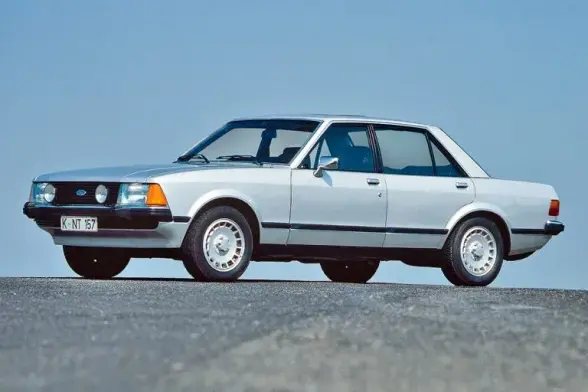
 Miniphernalia.co.uk 🏳️🌈🇺🇦
 Obsidian Urbex Photography
 Belgian Diecast Restorations
 Vim
Vim
 JMS
JMS
 David Wilkins

