#nevergetsold have an #ethernetcable on the floor over a long period of time rolle several times with your chair over the cable wonder why no internet …???…profit 🤪🤪🤪 xD hahaha #selfrickroll xD #shitpost #brainfart xD

Công cụ miễn phí để quản lý kết nối Ethernet! 🛠️ Một người dùng đã tự phát triển một ứng dụng web đơn giản để theo dõi và quản lý các kết nối Ethernet, cho phép bạn ánh xạ, gắn nhãn và trực quan hóa các cổng. Ứng dụng chạy trên trình duyệt, hoạt động offline và có thể xuất/nhập JSON layouts.

#congcu #ethernet #quanlyketnoi #opensource #tool #ethernetcable #connectionmanager #manguuonmo

https://www.reddit.com/r/selfhosted/comments/1n7nrfz/handy_free_tool_i_made_for_tracking_ethernet_port/

Introducing my lap. To the left you’ll see the top. Only downside is that it’s HDD cable has broken off and I have to use USB’s. Currently installing Windows Server 2022 to the USB plugged in at the right manually via a PXE server on my big desktop just being cut off in the pic. Planning to repurpose this lap(top) to be a server. I would install Linux but I’ve never messed with Windows Server before so why not! 🤷‍♂️

#laptopwithoutthetop #WindowsServer2022 #PXEboot #laptopserver #ethernetcable

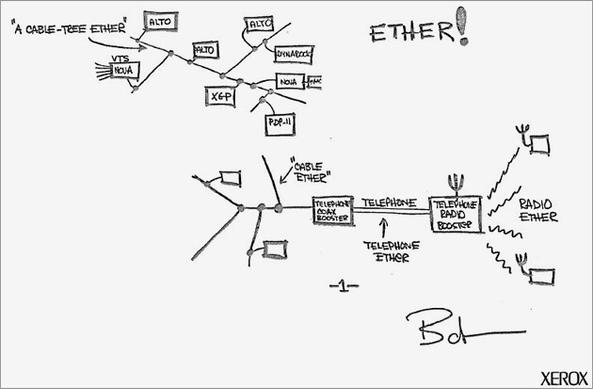
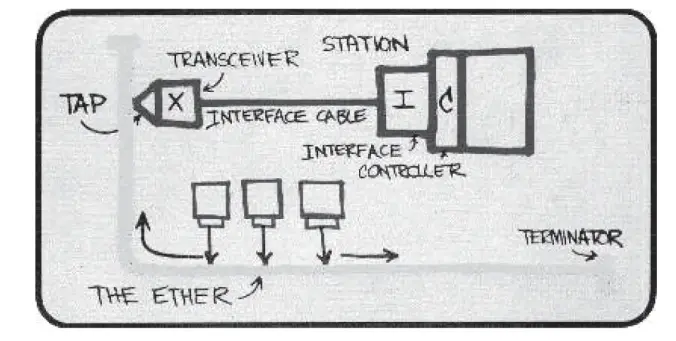
La historia de Ethernet comienza a principios de los años setenta en el Centro de Investigación de Palo Alto (PARC) de Xerox Corporation. En 1973, el Dr. Robert Metcalfe, informático, y su equipo se embarcaron en un proyecto para conectar ordenadores y otros dispositivos periféricos en una red local. Este proyecto, conocido como "Alto Aloha Network", sentó las bases de lo que con el tiempo se convertiría en Ethernet.
#ethernet #ethernetcable #50yearsago #50Aniversario

https://www.electropages.com/blog/2023/05/ethernet-turns-50-connector-ages

Low Buck PVC ROV IS Definitely a MVP

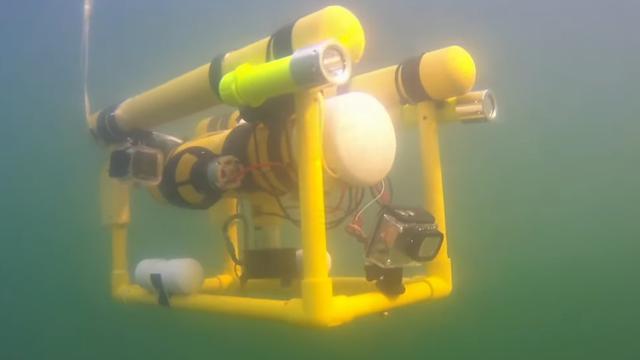
Do you have a hundred bucks and some time to kill? [Peter Sripol] invites you to come along with him and build a remotely operated submarine with only the most basic, easily accessible parts, as you can see in the video below the break.

Using nothing more than PVC pipe, an Ethernet cable, and a very basic electrical system, [Peter] has built a real MVP of a submarine. No, not Most Valuable Player; Minimum Viable Product. You see, there's not a microcontroller, motor controller, sensor, or MOSFET to be found except for that which might reside inside the knock-off GoPro style camera which is encased in a candle wax sealed enclosure.

Instead, simple brushed motors live right out in the open water. Single pole double throw switches are connected to 100 feet of Ethernet cable and control the relays powering thee motors. The camera signal is brought back to the controller through the same cable. Simple is the key to the build, and we have to admit that for all of its Minimum Viability, the little ROV has a lot going for it. [Peter] even manages to use the little craft to find and make possible the retrieval of a crustacean encrusted shopping cart from a saltwater canal. Not bad, little rover, not bad.

Also noteworthy is that the video below has its own PVC ROV Sea Shanty, which is something you just don't hear every day.

Underwater ROV builds are the sort of thing almost every hacker thinks about doing at least once, and some hackers even include Lego, magnets, and balloons in their builds!

#mischacks #brushedmotor #dcbrushedmotor #ethernetcable #ethernetcablehack #pcv #rov #seashanty #submarine

Low Buck PVC ROV IS Definitely A MVP

Do you have a hundred bucks and some time to kill? [Peter Sripol] invites you to come along with him and build a remotely operated submarine with only the most basic, easily accessible parts, as yo…

Hackaday

Massive spike in #WiFi interfaces in area. The number of them has doubled, and from a terribly high base.

Can we do anything to divert these #electroMagneticFrequencies? Magnets?

We may be willing to jam signals — just to tell the council/neighbours to start using a damned #ethernetCable.

#emf #pollution #fibreOptics

DIY doings: components, cables and code

I’ve been playing with gadgets ever since my dad let me and my brother take apart an old calculator for fun, but until last week I had never wielded a soldering iron to connect electronic components.

My chance to remedy that oversight came at the end of a tour of a redone Radio Shack store across the street from the Verizon Center Phone Booth in downtown D.C.

After getting the company pitch about its screen-repair services, inspecting some Kodak camera modules made to clip onto phones, and playing with a littleBits synthesizer kit, I was invited to assemble a tiny LED flashlight by soldering the required parts to a small circuit board.

Dripping the molten flux onto the right contacts revealed itself to be a painstakingly precise, hold-your-breath task. I needed coaching from the rep manning that station, after which he had to redo some of my work–making me think this whole project was perhaps more like when our toddler puts together some arts-and-crafts project “with help.” But a few minutes later, I did have my own tiny, battery-powered flashlight.

I had also completed my first hardware tinkering in a while.

The last time I’d cracked a computer’s case was two years ago, when I doubled the memory in my iMac (Apple has since made that at-home upgrade impossible on newer models) and then swapped out my ThinkPad’s hard drive for a solid state drive. Either chore involved less work and anxiety than the multiple transplants I performed on my old Power Computing Mac clone in the ’90s, including two processor upgrades and a cooling fan replacement.

While we’re keeping score, I last seriously messed with wiring when I strung some Ethernet cable from the basement to an outlet behind our TV to prepare for our Fios install in 2010. Going to that trouble, including terminating the bulk cable and attaching plugs myself, allowed me to use my choice of routers on our Internet-only setup.

The crimping tool I used for that task hasn’t seen much use since, but I’d like to think I’m still capable of moving a phone, power, or coax cable outlet. Especially if given a spare length of cable on which to practice first.

My DIY credentials are weakest when it comes to code. I learned entry-level BASIC in grade school but now recall little of the syntax beyond IF/THEN and GOTO. I used to lean on AppleScript to ease my Mac workflow, but now Automator lets me create shortcuts without having to remember the precise phrasing required after AppleScript statements like “tell application ‘Finder’.” My HTML skills now stretch little further than writing out the “<a href=” hypertext link.

I do, however, still grasp such important basics as the importance of valid input and proper syntax, how easy errors can crop up and how much time it can take to step through functions to figure out what threw the error. For anything more complicated, the usual reporting technique comes into play: Ask as many dumb questions as needed to get a little smarter on the subject.

#AppleScript #BASIC #coding #crimpingTool #DIY #EthernetCable #hardwareUpgrade #solderingIron #SSDUpgrade

Soldering iron - Wikipedia