#evolution #Dmanisi

"These dental discoveries suggest 'there were likely more than one species that occurred in the Dmanisi region,' study co-author Mark Hubbe, head and professor of anthropology at the University of Tennessee, Knoxville, told Live Science.

The scientists noted the dissimilarities between these two groups of teeth was akin to the levels of differences seen between the sexes in chimps and gorillas. That raises the possibility that these represent the teeth from both sexes in one species. However, the researchers argued the Dmanisi fossils did not come from just one human species, since the more australopith-like group had relatively large third molars, in contrast to the trend in humans of smaller third molars when compared to their relatives."

https://www.livescience.com/archaeology/human-evolution/homo-erectus-wasnt-the-first-human-species-to-leave-africa-1-8-million-years-ago-fossils-suggest

Homo erectus wasn't the first human species to leave Africa 1.8 million years ago, fossils suggest

A new analysis of enigmatic skulls from the Republic of Georgia suggest that Homo erectus wasn't the only human species to leave Africa 1.8 million years ago.

Live Science
L'Uscita dall'Africa: Un'Epopea Migratoria con Più Protagonisti?

La Vecchia Storia Lineare Sotto Scrutinio Per decenni, il racconto dominante sull'espansione umana fuori dai confini africani è stato sorprendentemente semplice: una singola specie

Notizie Buzz!

A new jawbone dating 1.8 Ma unearthed at Orozmani, Georgia, close to #Dmanisi

https://www.reuters.com/science/archaeologists-georgia-unearth-18-million-year-old-human-jawbone-2025-08-27/

'Excavations are actively underway at the Orozmani archaeological site. It was here, in a layer dated to 1.8 million years ago, that a human tooth was first discovered — followed by the recent unearthing of a lower jawbone.'

https://georgiatoday.ge/jawbone-discovery-in-orozmani-may-belong-to-early-homo-erectus/

रोमानिया में होमिनिन गतिविधि के 1.95 मिलियन वर्ष पुराने साक्ष्य खोजे गए

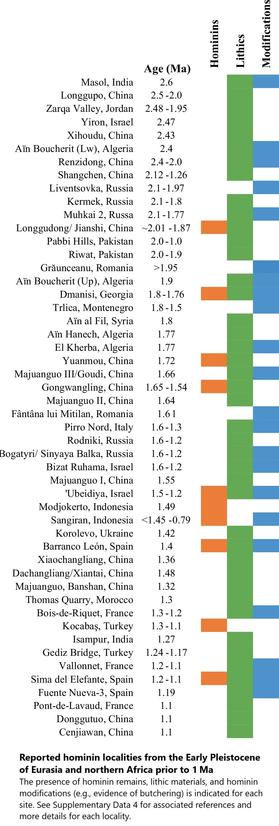
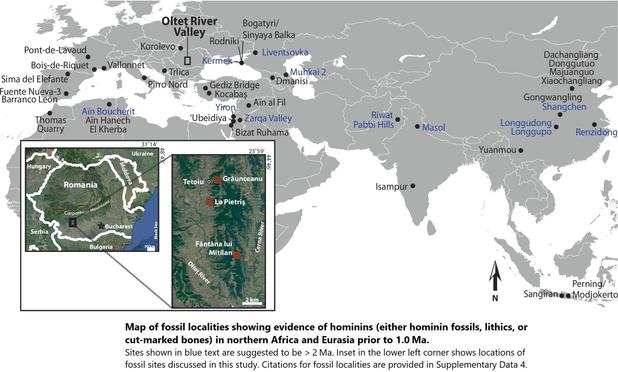
रोमानिया में होमिनिन गतिविधि के साक्ष्य खोजे गए हैं, जो लगभग 1.95 मिलियन वर्ष पुराने हैं, जिससे यूरोप में मानव उपस्थिति की समयरेखा में काफी बदलाव आया है। ओल्टेस नदी घाटी में ग्राउंसेनु साइट पर पाए गए जीवाश्म अवशेषों ने इस क्षेत्र में होमिनिन गतिविधि का सबसे पहला ज्ञात प्रमाण प्रदान किया है। यह खोज इंगित करती है कि आरंभिक मानव यूरोप में पहले की धारणा से लगभग पाँच लाख वर्ष पहले पहुँचे थे। निष्कर्षों से पता चलता है कि प्रारंभिक होमिनिन पहले के साक्ष्यों से बहुत पहले ही समशीतोष्ण और मौसमी वातावरण के लिए अनुकूलित हो गए थे।

ग्राउंसेनु जीवाश्म साइट से निष्कर्ष

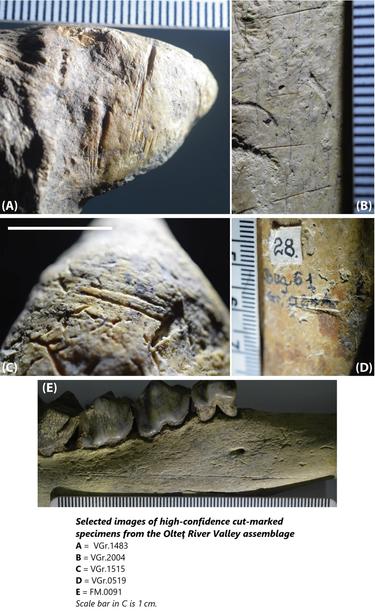
एक के अनुसार नेचर कम्युनिकेशंस में प्रकाशित अध्ययनटेटोइउ संरचना के भाग, ग्रुएन्सेनु के जीवों के अवशेषों का विश्लेषण किया गया, जिसमें होमिनिन कसाई तकनीक के अनुरूप कट के निशान दिखाई दे रहे थे। ओहियो विश्वविद्यालय में समाजशास्त्र और मानवविज्ञान विभाग के नेतृत्व में अनुसंधान दल ने मानवजनित निशानों सहित संशोधनों के लिए 4,500 से अधिक नमूनों की जांच की। इनमें से 20 हड्डियों पर सतह पर निशान दिखे, जिनमें से सात को उच्च विश्वास के साथ कटे हुए निशान के रूप में पहचाना गया। ये निशान जानवरों की टिबिया और मेम्बिबल्स पर पाए गए, जो डिफ्लेशिंग प्रथाओं को प्रदर्शित करते हैं।

डेटिंग तकनीक और पर्यावरण संबंधी अंतर्दृष्टि

जैसा कि Phys.org द्वारा रिपोर्ट किया गया हैसाइट से डेंटाइन नमूनों पर उच्च परिशुद्धता लेजर एब्लेशन यू-पीबी डेटिंग का उपयोग किया गया था, जिससे न्यूनतम जीवाश्म आयु 2.01 से 1.87 मिलियन वर्ष तक थी, जिसकी औसत आयु 1.95 मिलियन वर्ष थी। ये निष्कर्ष बायोक्रोनोलॉजिकल अनुमानों के साथ संरेखित होते हैं, जो यूरोप में होमिनिन गतिविधि के सबसे पुराने सबूत के रूप में ग्रुएन्सेनु को स्थापित करते हैं। घोड़े की दाढ़ के आइसोटोप विश्लेषण ने भारी मौसमी वर्षा के साथ एक समशीतोष्ण वन-घास के मैदान के वातावरण का सुझाव दिया, और जीव-जंतुओं के अवशेषों ने हल्की सर्दियों का संकेत दिया, जिसने इंटरग्लेशियल अवधि के दौरान होमिनिन निवास का समर्थन किया होगा।

होमिनिन प्रवासन के लिए निहितार्थ

ग्राउंसेनु के साक्ष्य पिछले सिद्धांतों को चुनौती देते हैं कि होमिनिन्स ने सबसे पहले खुद को जॉर्जिया में स्थापित किया था, जैसा कि दमानिसी साइट पर देखा गया था। इस खोज से पता चलता है कि शुरुआती मानव पहले से समझे जाने से पहले ही पर्यावरण की एक विस्तृत श्रृंखला में फैल गए, जिससे महत्वपूर्ण पारिस्थितिक अनुकूलनशीलता का प्रदर्शन हुआ। पैंगोलिन और शुतुरमुर्ग जैसी गर्म-अनुकूलित प्रजातियों की उपस्थिति, उन अनुकूल परिस्थितियों को उजागर करती है जिन्होंने इस प्रवासन को सुविधाजनक बनाया होगा।

नवीनतम तकनीकी समाचारों और समीक्षाओं के लिए गैजेट्स 360 को फ़ॉलो करें एक्स, फेसबुक, WhatsApp, धागे और गूगल समाचार. गैजेट और तकनीक पर नवीनतम वीडियो के लिए, हमारी सदस्यता लें यूट्यूब चैनल. यदि आप शीर्ष प्रभावशाली व्यक्तियों के बारे में सब कुछ जानना चाहते हैं, तो हमारे इन-हाउस को फ़ॉलो करें वह360 कौन है? पर Instagram और यूट्यूब.

अग्रिम पठन:
होमिनिन गतिविधि, रोमानिया, ग्राउंसेनु, प्रारंभिक मानव, जीवाश्म खोजें, मानव प्रवासन, प्रागैतिहासिक यूरोप, मानव विज्ञान, प्रकृति संचार, ओहियो विश्वविद्यालय, दमानिसी, मानव विकास

इंटेलिजेंस एनालिसिस फर्म i2 ग्रुप ने ब्लॉकचेन टेक्नोलॉजी के साथ सॉफ्टवेयर को अपग्रेड करने के लिए चेनैलिसिस के साथ साझेदारी की है


Tecno Camon 40 सीरीज़ के फ़ोन कथित तौर पर FCC, NBTC प्रमाणन साइटों पर देखे गए

Source link

Share this:

#dmanisi #ओहयवशववदयलय #गरनसन_ #जवशमखज_ #परवमनषय #परकतसचर #परगतहसकयरप #मनषयजतकवजञन #मनवपरवस #मनववकस #रमनय_ #रमनयहमननगतवधमहमननगतवधक195मलयनवरषपरनसकषयखजगए

Hominin presence in Eurasia by at least 1.95 million years ago - Nature Communications

When hominins dispersed into Eurasia is unclear. Here, the authors present multiple cut-marked bones from Grăunceanu, Romania dated to at least 1.95 million years ago and suggest hominins would have lived in a temperate and seasonal environment.

Nature
Inbox | Substack

Mysterious tablet with unknown language unearthed in Georgia

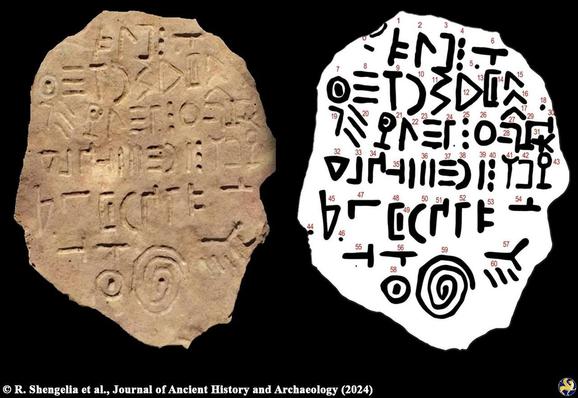
A basalt tablet inscribed with an enigmatic language has been unearthed near Lake Bashplemi in Georgia’s Dmanisi region. Measuring 24.1 x 20.1 cm and made from local vesicular basalt, the artifact features 60 characters, 39 of which are unique. These symbols, arranged in seven registers, have left researchers debating their meaning...

More info: https://archaeologymag.com/2024/12/tablet-with-unknown-language-unearthed-in-georgia/

Follow @archaeology

#archaeology #ancientart #dmanisi

Mysterious tablet with unknown language unearthed in Georgia

A basalt tablet inscribed with an enigmatic language has been unearthed near Lake Bashplemi in Georgia's Dmanisi region.

Archaeology News Online Magazine
Archaeologists found a mysterious stone tablet in Georgia that contains an unknown language - Arkeonews

Archaeologists have unearthed a basalt tablet with inscriptions in an unknown language near Lake Bashplemi, in the Dmanisi region of Georgia.

Arkeonews

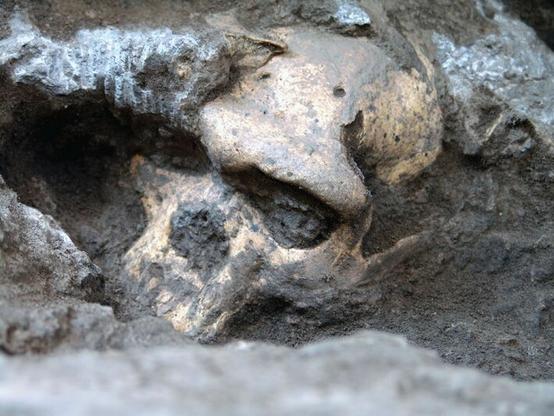
Archaeologists have discovered five skulls of early human ancestors in Dmanisi, Georgia, that challenge the conventional view of human evolution. The skulls belong to Homo erectus, which lived about 1.8 million years ago. The skulls show a remarkable diversity of features, suggesting that Homo erectus was more variable than previously thought and that other human species may have been just regional variants of the same species.

#Dmanisi #HomoErectus #Evolution

https://www.archaeology.org/issues/116-1401/features/1576-dmanisi-georgia-hominin-homo-erectus-skulls?utm_source=flipboard&utm_content=HariTulsidas%2Fmagazine%2FMind+and+Matter

Homo erectus Stands Alone - Archaeology Magazine

Dmanisi, Georgia