Wormlike #animals are first #amphibians shown to pass #microbes to their offspring https://phys.org/news/2023-07-wormlike-animals-amphibians-shown-microbes.html

#ParentalCare contributes to vertical transmission of microbes in a skin-feeding and direct-developing #caecilian https://animalmicrobiome.biomedcentral.com/articles/10.1186/s42523-023-00243-x

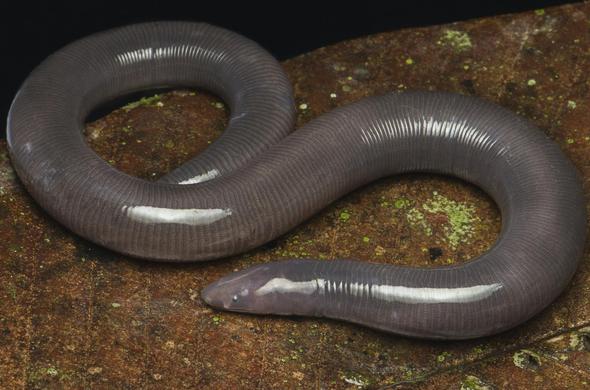
"#Caecilians are an elusive type of #amphibian that primarily live #underground and look like a cross between a worm and a snake. One of the few things that is known about caecilians is their unique method for feeding their young."

Wormlike animals are first amphibians shown to pass microbes to their offspring

Caecilians are an elusive type of amphibian that primarily live underground and look like a cross between a worm and a snake. One of the few things that is known about caecilians is their unique method for feeding their young. Mothers produce a special layer of fatty skin tissue, which juvenile caecilians tear off with baby teeth that evolved specifically for that purpose.

Phys.org

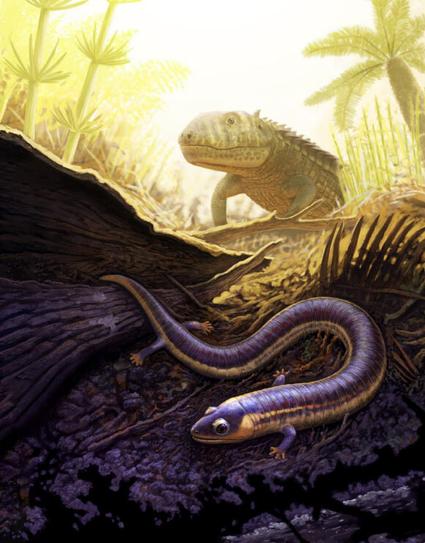
220-Million-Year-Old #Fossils Identified as Oldest Known Caecilian https://www.sci.news/paleontology/funcusvermis-gilmorei-11597.html

#Triassic stem #caecilian supports dissorophoid origin of living #amphibians https://www.nature.com/articles/s41586-022-05646-5

#Caecilians have cylindrical bodies with a compact, bullet-shaped skull that helps them burrow #underground. They spend their lives burrowing in leaf-litter or #soil searching for prey such as #worms and #insects.

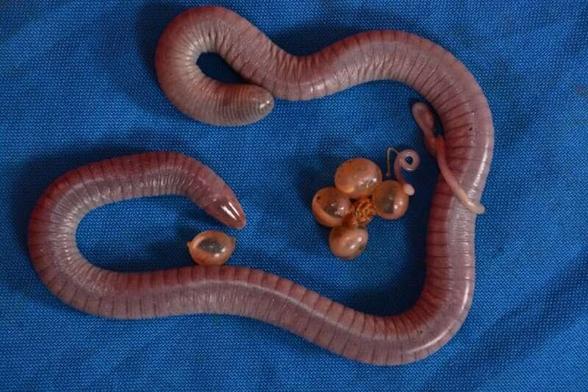
I've been going through some fieldwork pictures/videos and came across a load of #caecilian egg videos that I recorded in Seychelles. This is a Hypogeophis rostratus (Fregate Island caecilian) egg, where you can clearly see the filamentous gills. These will be reabsorbed before the animal hatches. Unlike many other caecilian species, H. rostratus does not have a larval stage.

#Amphibian #Herpetology #Wildlife #Conservation