Bovines and Biocrusts | Ambrook Research

As the Southwest grows more arid, ranchers are using tech to sustain the economic and ecological viability of cattle — and protect the fragile living soil beneath their hooves.

Ambrook

#Microbe-stuffed #SoilCrusts menaced by #ClimateChange https://phys.org/news/2023-08-microbe-stuffed-soil-crusts-menaced-climate.html

BONCAT-FACS-Seq reveals the active fraction of a #biocrust community undergoing a wet-up event https://www.frontiersin.org/articles/10.3389/fmicb.2023.1176751/full

"Using a novel method to detect #microbial activity in biological #soil crusts, or #biocrusts, after they are wetted, research team uncovered clues that will lead to a better understanding of the role #microbes play in forming a living skin over many semi-#arid ecosystems around the world."
Microbe-stuffed soil crusts menaced by climate change

Using a novel method to detect microbial activity in biological soil crusts, or biocrusts, after they are wetted, a Penn State–led research team in a new study uncovered clues that will lead to a better understanding of the role microbes play in forming a living skin over many semi-arid ecosystems around the world. The tiny organisms—and the microbiomes they create—are threatened by climate change.

Phys.org
How biocrust influences bacterial communities in both biocrust and subsoil layers

Biocrusts, known as the "desert skin," includes communities of cyanobacteria, algae, fungi, bacteria, lichen, and mosses. They can mediate both the physical and biological environments of dryland ecosystems.

“Using solar farms to generate fresh desert soil crust” #biocrust

https://flip.it/G.nel7

Using solar farms to generate fresh desert soil crust

In the arid regions of the American Southwest, an unseen world lies beneath our feet. Biocrusts, or biological soil crusts, are communities of living organisms. These industrious microbes include cyanobacteria, green algae, fungi, lichens, and mosses, forming a thin layer on the surface of soils in arid and semi-arid ecosystems.

Phys.org
Similarly frustrating when you stay in academia but change institution and the former institution continues with your successful grants without you.
#GrantsShouldBelongPI
---
RT @helijuottonen
Academic research, you don’t let go easily do you? A 4-year proposal that I wrote and we have been submitting since 2019 was funded yesterday, from a waiting list spot. 2.5 months after I started a non-academic job elsewhere. 🙄 #biocrust microb…
https://twitter.com/helijuottonen/status/1603754606374305793
Heli Juottonen on Twitter

“Academic research, you don’t let go easily do you? A 4-year proposal that I wrote and we have been submitting since 2019 was funded yesterday, from a waiting list spot. 2.5 months after I started a non-academic job elsewhere. 🙄 #biocrust microbe postdoc job(s) opening soon.”

Twitter
Academic research, you don’t let go easily do you? A 4-year proposal I wrote and that we had been trying to get funded since 2019 was funded yesterday, from a 2nd waiting list spot. 2.5 months after I started a non-academic job elsewhere. 🙄 Position for a very independent #biocrust microbe postdoc coming available soon.
#Olafsvaka for
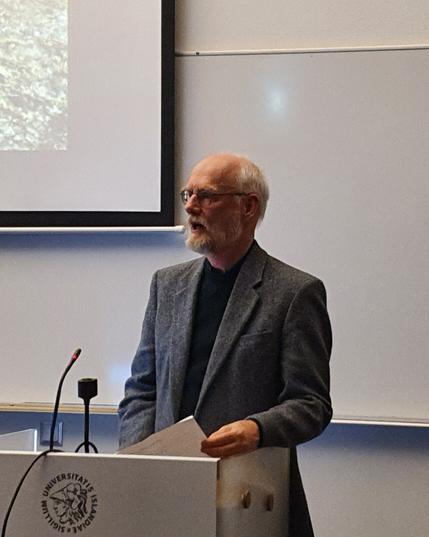
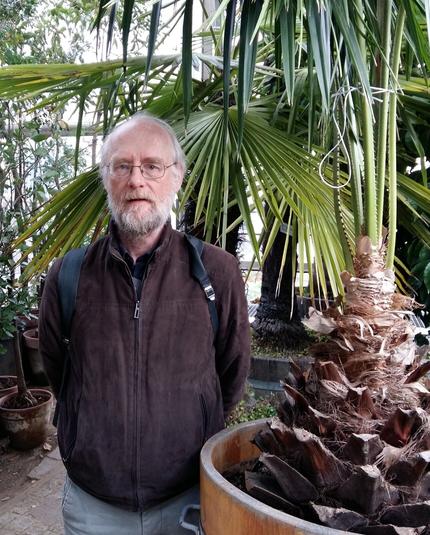
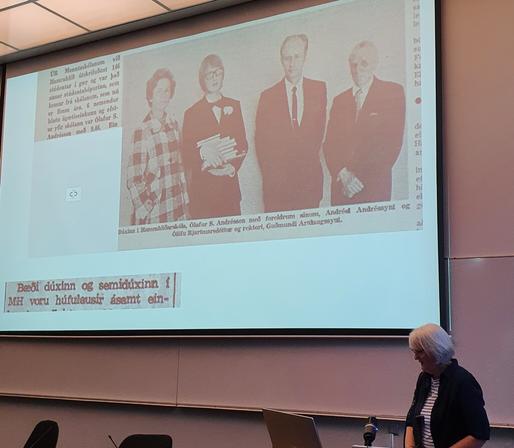
Ólafur S. Andrésson retiring, party last week

Career spaning #biochemistry #biotech #lentivirus #histones
#lichens #biocrust #naturelover
#dúx at MH college
Researcher at #Keldur
Professor in #Genetics at #UniversityIceland
Many thanks Óli for great mentorship and good collaborations on teaching n research

Note that these data were collected by David Eldridge in 2001, which just goes to show, it's never too late to publish that old dataset!!!

(4/4)

#biocrust #vegetationscience #plantcompetition #olddata

Hi everyone! I’m part of the 🐥 app migration!

I’m a postdoc in #MicrobialEcology studying #biofilms, #plants, and #fossils at the University of Bonn (Germany!)

I recently got my PhD at San Diego State and UC Davis studying #biocrust and #fire. I’m interested in all things ecology (especially microbes and plants 🌱 🦠)

I’m happy to join this community 🥰

A little #introduction toot!

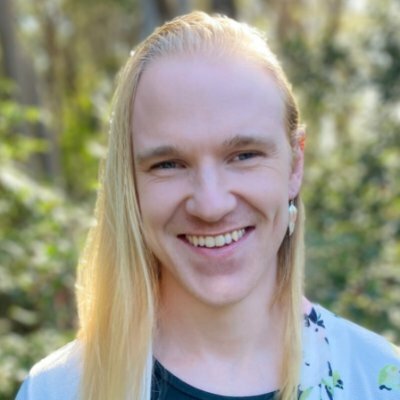
I'm Max, I just started a postdoc at SLU in Umeå, Sweden. I'm really interested in: #ecology, #globalchange, #terrestrial #macroecology, #climatechange, #functionaltraits, #carboncycle.

My PhD was on #rangeshifts in #biocrust species in Australian #drylands and Norwegian #tundra. Currently working on a global study, #projectthreshold, to uncover nutrient cycling tipping points in mountain ecosystems.

Also I use they/them pronouns in english 🙂