 readbeanicecream
How scientists are growing computers from human brain cells – and why they want to keep doing it
#tech #technology #ai #artificialintelligence #biology #biotechnology #biotech #Computing #computers #biocomputers #neuroscience
How scientists are growing computers from human brain cells – and why they want to keep doing it
#tech #technology #ai #artificialintelligence #biology #biotechnology #biotech #Computing #computers #biocomputers #neuroscience
The computers that run on human brain cells – Nature
The computers that run on human brain cells
Move over silicon: scientists want to use neurons to make powerful computers with minuscule energy needs.
By David Adam
In a town on the shores of Lake Geneva sit clumps of living human brain cells for hire. These blobs, about the size of a grain of sand, can receive electrical signals and respond to them — much as computers do. Research teams from around the world can send the blobs tasks, in the hope that they will process the information and send a signal back.
Welcome to the world of wetware, or biocomputers. In a handful of academic laboratories and companies, researchers are growing human neurons and trying to turn them into functional systems equivalent to biological transistors. These networks of neurons, they argue, could one day offer the power of a supercomputer without the outsized power consumption. Can lab-grown brains become conscious?
The results so far are limited. But keen scientists are already buying or borrowing online access to these brain-cell processors — or even investing tens of thousands of dollars to secure their own models.
Some want to use these biocomputers as straightforward replacements for ordinary computers, whereas others want to use them to study how brains work. “Trying to understand biological intelligence is a very interesting scientific problem,” says Benjamin Ward-Cherrier, a robotics researcher at the University of Bristol, UK, who rents time on the Swiss brain blobs. “And looking at it from the bottom up — with simple small versions of our brain and building those up — I think is a better way of doing it than top down.”
Continue/Read Original Article Here: The computers that run on human brain cells
#biocomputers #biologicalIntelligence #brainCellProcessors #howBrainsWork #lakeGeneva #nature #scientificProblem #wetware

#ITByte: Researchers have proposed using artificial #Brain #Organoids to create next-generation #Biocomputers, which could theoretically outperform silicon-based computers.
This technology promises unprecedented advances in computing speed, processing power, data efficiency, and storage capabilities - all with lower energy needs.
https://knowledgezone.co.in/trends/explorer?topic=Organoid-Intelligence
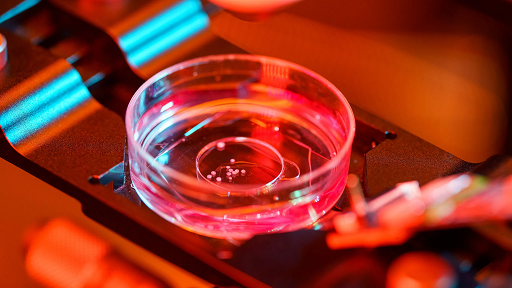
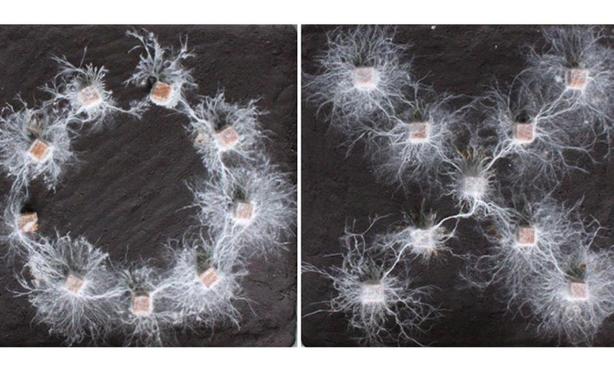
Biocomputers Made of Human Brain Cells Available for Rent
“Researchers can rent cloud access to "biocomputers" from the Swiss tech firm FinalSpark for a monthly fee of $500. A low-energy alternative to AI models, these #biocomputers, or #organoids, are comprised of human #brain cells and last only about 100 days.”
Note: Organoids are artificially grown. They are not brain cells.
A jarring #headline even so.
https://interestingengineering.com/science/biocomputers-available-on-rent-finalspark
#ITByte: Researchers have proposed using artificial #Brain #Organoids to create next-generation #Biocomputers, which could theoretically outperform silicon-based computers.
This technology promises unprecedented advances in computing speed, processing power, data efficiency, and storage capabilities - all with lower energy needs.
https://knowledgezone.co.in/trends/explorer?topic=Organoid-Intelligence

 DrWeb
DrWeb Knowledge Zone
 News-Cafe.eu blog
 David J. Atkinson