Two NATO-nation intelligence services suspect #Russia is developing a new #antisatellite weapon to target Elon Musk's Starlink constellation via destructive orbiting clouds of shrapnel,
with the aim of reining in Western space superiority that has helped Ukraine on the battlefield.
Intelligence findings seen by The Associated Press say the so-called "#zone-#effect #weapon" would seek to flood Starlink orbits with hundreds of thousands of high-density pellets, potentially disabling multiple satellites at once
-- but also risking catastrophic collateral damage to other orbiting systems.
Analysts who haven't seen the findings say they doubt such a weapon could work without causing uncontrollable chaos in space for companies and countries, including Russia and its ally China, that rely on thousands of orbiting satellites for communications, defense and other vital needs.
Such repercussions, including risks to its own space systems, could steer Moscow away from deploying or using such a weapon, analysts said.
"I don't buy it. Like, I really don't," said Victoria Samson, a space-security specialist at the Secure World Foundation who leads the Colorado-based nongovernmental organization's annual study of anti-satellite systems. "I would be very surprised, frankly, if they were to do something like that."
But the commander of the Canadian military's Space Division, Brig. Gen. Christopher Horner, said such Russian work cannot be ruled out in light of previous U.S. allegations that Russia also has been pursuing an indiscriminate nuclear, space-based weapon.
https://www.pbs.org/newshour/world/intelligence-agencies-suspect-russia-is-developing-anti-satellite-weapon-to-target-starlink-service

Intelligence agencies suspect Russia is developing anti-satellite weapon to target Starlink service

Starlink's services are used by Ukraine. Russia views the constellation as a threat. The intelligence findings say the destructive pellets could be small enough to evade detection.

PBS News
Cosmos 2553, lancé début 2022, serait un banc d’essai russe pour un satellite ASAT nucléaire : les États‑Unis l’accusent de menacer Starlink…
https://www.geo.fr/geopolitique/la-russie-preparerait-un-satellite-piege-a-propulsion-nucleaire-pour-attaquer-les-engins-starlink-227778
#Science #Astrophysics #Cosmos2553 #AntiSatellite #SpaceMilitarization
La Russie préparerait un satellite piégé à propulsion nucléaire, pour attaquer les engins Starlink

Missiles ? Drones ? La prochaine arme décisive du conflit ukrainien pourrait être… un satellite piégé. Moscou testerait un engin orbital à propulsion nucléaire, conçu pour neutraliser les constellations Starlink et autres satellites alliés – sans laisser de preuves. Une escalade sournoise qui brouillerait définitivement la frontière entre panne technique et acte de guerre.

Geo.fr

अंतरिक्ष युद्ध: चार देशों के पास है सैटेलाइट नष्ट करने की ताकत, जानें क्या है भारत की स्थिति

Global News: अंतरिक्ष अब केवल संचार या अनुसंधान का क्षेत्र नहीं रहा, बल्कि यह युद्ध का नया मैदान बन गया है। चार देशों—अमेरिका, रूस, चीन और भारत—ने अंतरिक्ष युद्ध की क्षमता हासिल की है। इन देशों ने अपनी सैटेलाइट नष्ट कर एंटी-सैटेलाइट (ASAT) हथियारों की ताकत दिखाई। यह तकनीक सैन्य रणनीति को बदल सकती है, लेकिन अंतरिक्ष मलबे की समस्या भी बढ़ा रही है।

अमेरिका की अग्रणी भूमिका

अमेरिका ने 1985 में F-15 लड़ाकू विमान से मिसाइल दागकर अपनी सैटेलाइट नष्ट की थी। यह अंतरिक्ष युद्ध में उसकी ताकत का पहला प्रदर्शन था। अमेरिका के पास GPS, जासूसी और निगरानी सैटेलाइट्स का सबसे बड़ा नेटवर्क है। 2008 में, उसने USA-193 सैटेलाइट को नष्ट किया, जिससे इसकी ASAT क्षमता और मजबूत हुई। यह तकनीक अमेरिका को अंतरिक्ष में रणनीतिक बढ़त देती है।

रूस की गुप्त ताकत

रूस अंतरिक्ष तकनीक में दशकों से अग्रणी है। 2021 में, उसने अपनी सैटेलाइट को ASAT मिसाइल से नष्ट किया, जिससे हजारों मलबे के टुकड़े अंतरिक्ष में फैल गए। इस परीक्षण ने वैश्विक चिंता बढ़ाई। रूस के पास साइबर हमले और जैमिंग जैसी गैर-काइनेटिक ASAT तकनीक भी है। अंतरिक्ष युद्ध में रूस की यह ताकत इसे मजबूत खिलाड़ी बनाती है।

चीन का बढ़ता दबदबा

चीन ने 2007 में अपनी मौसम सैटेलाइट को ASAT मिसाइल से नष्ट कर दुनिया को चौंका दिया। इस परीक्षण से अंतरिक्ष मलबे की समस्या बढ़ी। चीन नियमित रूप से सैन्य सैटेलाइट लॉन्च करता है और उसकी DN-2, DN-3 मिसाइलें मध्यम और उच्च कक्षा की सैटेलाइट्स को निशाना बना सकती हैं। अंतरिक्ष युद्ध में चीन की यह प्रगति वैश्विक शक्ति संतुलन को प्रभावित कर रही है।

भारत की उभरती शक्ति

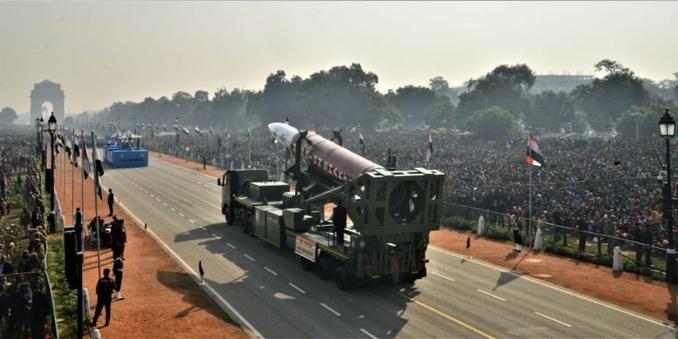
भारत ने 27 मार्च 2019 को ‘मिशन शक्ति’ के तहत अपनी लो-ऑर्बिट सैटेलाइट को ASAT मिसाइल से नष्ट किया। इस सफलता ने भारत को अंतरिक्ष महाशक्ति के रूप में स्थापित किया। इसरो की प्रगति और सैन्य सैटेलाइट्स ने भारत की रक्षा क्षमता को मजबूत किया है। अंतरिक्ष युद्ध में भारत की यह उपलब्धि रणनीतिक रूप से महत्वपूर्ण है।

#AntiSatellite #SpaceWarfare

MSN

**Headline:** Russia Launches Device with Components of Anti-Satellite Nuclear Weapon into Space Weeks Before Ukraine Invasion

**Keywords:** Russia, space, anti-satellite weapon, nuclear, Cosmos-2553, Wall Street Journal, House Intelligence Committee, national security, Joe Biden, CNN, Reuters, ABC News, White House

**Analysis:**
- The report presents information based on anonymous American officials' statements regarding Russia's launch of the Cosmos-2553 satellite carrying components of an anti-satellite nuclear weapons system.
- It highlights discrepancies between the Russian Ministry of Defense's statements and the interpretation of American officials regarding the satellite's purpose, indicating a potential lack of transparency.
- The report mentions that while the Cosmos-2553 satellite doesn't contain a nuclear charge, it carries non-nuclear components of a new Russian weapons system, emphasizing the potential threat posed by such technology.
- It quotes House Intelligence Committee Chairman Mike Turner's concerns about the national security threat posed by Russia's space operations and calls for the declassification of related information by President Joe Biden.
- Various news sources, including CNN, Reuters, and ABC News, corroborate the discussion surrounding Russia's anti-satellite program and its potential implications for global security.
- The White House acknowledges Russia's anti-satellite capability as "disturbing" but clarifies that such weapons have not been deployed yet.

**Approximate Percentage of Misrepresentation:** 10% - The report relies heavily on statements from anonymous sources and lacks direct confirmation from Russian authorities regarding the purpose of the Cosmos-2553 satellite.

**Semantic Analysis:** 50 - The tone of the report is neutral, presenting factual information without significant emotional bias.

**Editorial Opinion:** The report provides valuable insights into Russia's space activities and the potential security ramifications of its anti-satellite program. However, it could benefit from more balanced representation by including perspectives from Russian officials or experts in the field.

**Rewrite:**
Russia launched the Cosmos-2553 satellite carrying components of an anti-satellite nuclear weapons system into space three weeks prior to the invasion of Ukraine, as reported by The Wall Street Journal based on statements from anonymous American officials. The satellite, although lacking a nuclear charge, raises concerns about Russia's intentions and the global security implications. House Intelligence Committee Chairman Mike Turner has called for transparency regarding this threat, urging President Joe Biden to declassify relevant information. The White House acknowledges the disturbing nature of Russia's anti-satellite capability but clarifies that such weapons have yet to be deployed.

**Conclusion:**
The launch of the Cosmos-2553 satellite underscores the escalating tensions surrounding space militarization and highlights the need for international dialogue and transparency in addressing such threats. It is imperative for policymakers to engage in constructive discussions to mitigate the risks posed by emerging technologies in space.

**Links Knowledge:** The article provides insights into the evolving dynamics of space warfare and its potential impact on global security, reflecting the growing importance of space as a domain for geopolitical competition.

**Hashtags:** #Russia #space #security #nuclear #antisatellite #Cosmos2553 #WallStreetJournal #HouseIntelligenceCommittee #JoeBiden #WhiteHouse

More details on the secret #SpaceX satellite constellation program for the U.S. Department of #Defense.

Perhaps most worrisome: the potential for these assets to become the targets of space warfare, including #ASAT weapons.

https://www.twz.com/space/if-spacexs-secret-constellation-is-what-we-think-it-is-its-game-changing

#Space #SpaceWarfare #AntiSatellite #SpaceSustainability

If SpaceX's Secret Constellation Is What We Think It Is, It's Game Changing (Updated)

A constellation of hundreds of sensor-equipped satellites would offer unprecedented strategic and tactical surveillance around the globe.

The War Zone

The White House publicly confirmed on Thursday that Russia has obtained a “troubling” emerging anti-satellite weapon but said it cannot directly cause “physical destruction” on Earth.

White House National Security Council spokesperson John Kirby said U.S. intelligence officials have information that Russia has obtained the capability but that such a weapon is not currently operational. U.S. officials are analyzing the information they have on the emerging technology and have consulted with allies and partners on the matter.

“First this is not an active capability that’s been deployed and though Russia’s pursuit of this particular capability is troubling, there is no immediate threat to anyone’s safety,” Kirby said. “We’re not talking about a weapon that can be used to used to attack human beings or cause physical destruction here on Earth.’’
#AntiSatelliteWeapons #antisatellite

https://apnews.com/article/russia-anti-satellite-weapon-threat-technology-2880f9c55122dcafe87188bc92dd6cde

Russia has obtained ‘troubling’ emerging anti-satellite weapon, US says

The White House has publicly confirmed that Russia has obtained a “troubling” emerging anti-satellite weapon, but says it cannot directly cause “physical destruction” on Earth. White House national security spokesman John Kirby said Thursday that U.S. intelligence officials have information that Russia has obtained the capability but that such a weapon is not currently operational. U.S. officials are analyzing the information they have on the emerging technology and have consulted with allies and partners on the matter. In Moscow, Kremlin spokesperson Dmitry Peskov described the claims about a new Russian military capability as a ruse intended to make the U.S. Congress support aid for Ukraine.

AP News

"The testing of a direct-ascent anti-satellite weapon on 15 November 2021 has prompted renewed efforts in space arms control. A multilateral treaty banning all destructive anti-satellite weapon tests is urgently needed."

https://www.nature.com/articles/s41550-023-02173-9

#Space #SpacePolicy #SpaceSustainability #AntiSatellite

Anti-satellite weapon tests to disrupt large satellite constellations - Nature Astronomy

The testing of a direct-ascent anti-satellite weapon on 15 November 2021 has prompted renewed efforts in space arms control. A multilateral treaty banning all destructive anti-satellite weapon tests is urgently needed.

Nature
#Space companies say #antisatellite or #ASAT tests threaten economic development
The statement comes two years after #Russia shot down one of an older #satellite, #Kosmos1408, with a #Nudol #missile launched from the ground. The test, intended to demonstrate Russia's capability to shoot down assets in space, showered more than 1,500 pieces of debris into low-Earth orbit (#LEO)
https://arstechnica.com/space/2023/11/worried-about-orbital-debris-private-space-companies-push-to-end-asat-tests/
Space companies say ASAT tests threaten economic development

"I'm hoping that more companies will be able to join as time goes on."

Ars Technica
The future of geography and rise of astropolitics

Tim Marshall on his new book, The Future of Geography and why space and politics are connected

Geographical