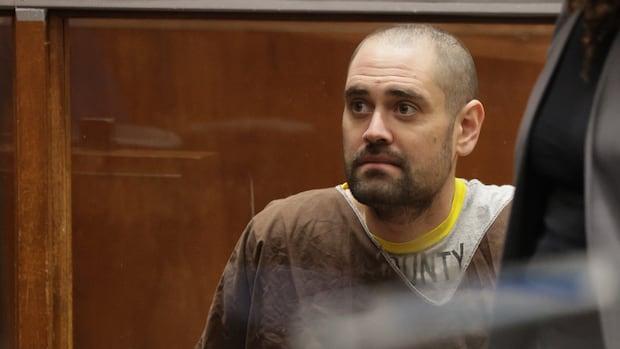
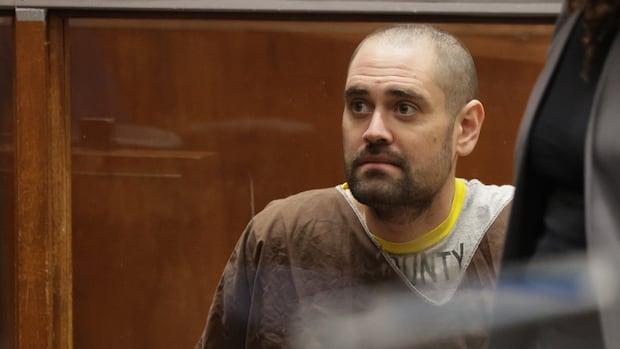
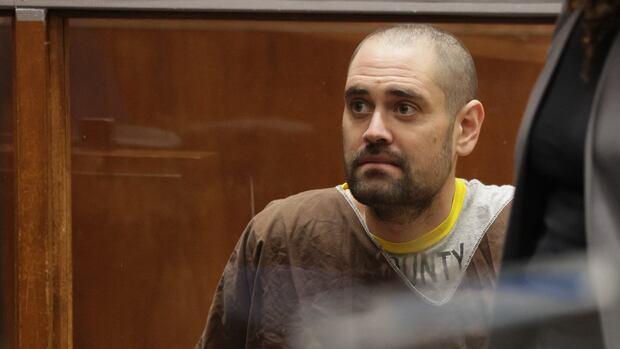
#NYAG James filed the case against #Trump & his family real estate business [The #TrumpOrganization] in 2022, accusing them of inflating his #NetWorth to obtain favorable #loan terms. After a monthslong trial, the judge overseeing the case ruled last year that Trump was #liable for #fraud, denting the real estate mogul image of success that underpinned his political rise [he’s just a #trustfund #nepobaby & an epic #scammer. Oh & a #rapist & a #felon.]
I gather that the Social Security trust fund is expected to be gone around 2034, absent congressional action (an oxymoron these days). The "easiest" solution is to raise the maximum amount of income that would be taxed (currently $176.1K), but that approach is still regressive in that the top earners wouldn't pay into Social Security on some of their income, while lower earners would pay on all of theirs. I wondered about instead taxing the highest earners starting at some threshold.
It turns out that in December 2024 the Congressional Budget Office published a paper talking about that possibility, with all income over $250K being taxed for Social Security. See https://www.cbo.gov/budget-options/60955 (the second alternative in that paper). They projected that that change would fund the trust fund until about 2051.
I was disappointed that this change didn't keep the trust fund going indefinitely, and that the $250K threshold was as low as it was (I was considering the $400K threshold that Democratic candidates often use). I guess while there are some really wealthy people, there aren't enough of them to easily fund this.
Social Security—which consists of Old-Age and Survivors Insurance and Disability Insurance—is financed primarily by payroll taxes on employers, employees, and people who are self-employed. Only earnings up to a maximum, which is $168,600 in calendar year 2024, are subject to the taxes, and only earnings below the maximum are used to determine benefits. The Social Security tax rate is 12.4 percent of earnings. Employees have 6.2 percent of earnings deducted from their paychecks, and the remaining 6.2 percent is paid by their employers.
Is your child born between 1 September 2002 and 2 January 2011?
They could have money waiting for them in a Child Trust Fund — with an average value of around £2,000!
✍️ Visit GOV.uk and search ‘Child Trust Fund’ to check and find out more. 📲
https://www.gov.uk/child-trust-funds
#uk #childtrustfund #savings #money #hmrc #savingsaccount #childtrustfundaccount #trustfund #citizensadvice
Is your child born between 1 September 2002 and 2 January 2011?
They could have money waiting for them in a Child Trust Fund — with an average value of around £2,000!
✍️ Visit GOV.uk and search ‘Child Trust Fund’ to check and find out more. 📲
https://www.gov.uk/child-trust-funds
#uk #childtrustfund #savings #money #hmrc #savingsaccount #childtrustfundaccount #trustfund #citizensadvice