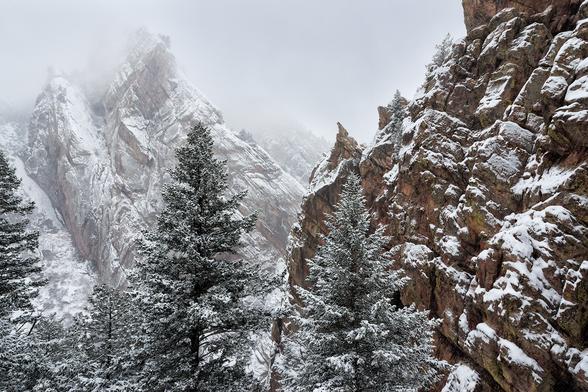
The bats last night were spectacular. I kid you not I saw one the size of a raven in the garden. Dozens swooping and dipping and maneuvering throughout the West garden, nibbling on all the odd flying insects buzzing around.

I am so curious where the bats roost during the day - it cannot be on our property so they must fly down from the mines in the mountains. I very much wish to make some bat boxes or similar encouragement for them, they're my favorite wildlife I think.

#Bats #Wildlife #EcologicalRestoration #Cycles #Ecology #Mojave #Desert #SouthwestUS

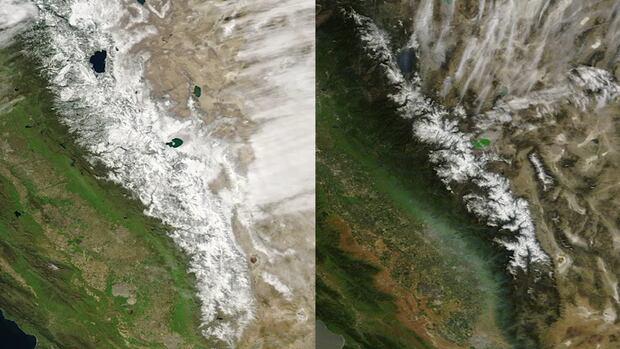
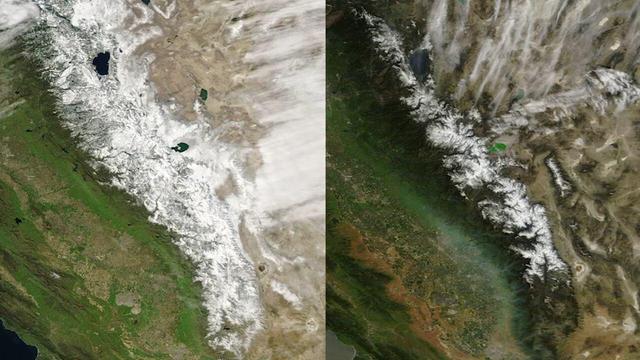
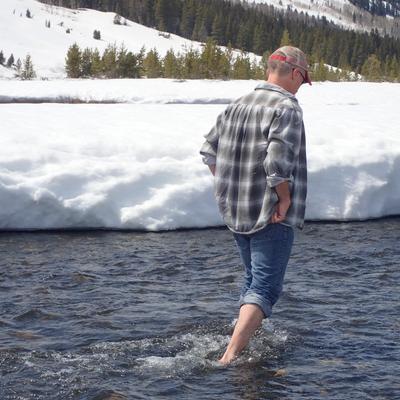
What this historic snow drought will mean for the summer
A historic March heat wave effectively erased a month of winter, triggering a massive snow drought from the southwest U.S. up to parts of British Columbia. CBC's Johanna Wagstaffe looks at what this means for the summer water supply and wildfire risk for hundreds of communities that rely on a slow snowmelt.
https://www.cbc.ca/news/canada/british-columbia/record-low-snowpack-early-melt-western-north-america-9.7168094?cmp=rss
What this historic snow drought will mean for the summer
A historic March heat wave effectively erased a month of winter, triggering a massive snow drought from the southwest U.S. up to parts of British Columbia. CBC's Johanna Wagstaffe looks at what this means for the summer water supply and wildfire risk for hundreds of communities that rely on a slow snowmelt.
https://www.cbc.ca/player/play/9.7167119?cmp=rss
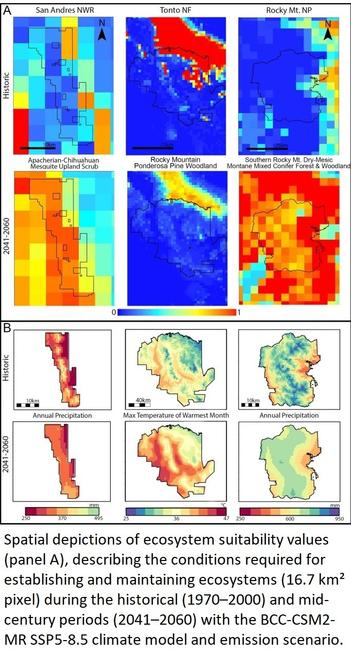
Climate change and ecosystem shifts in the southwestern United States - Scientific Reports

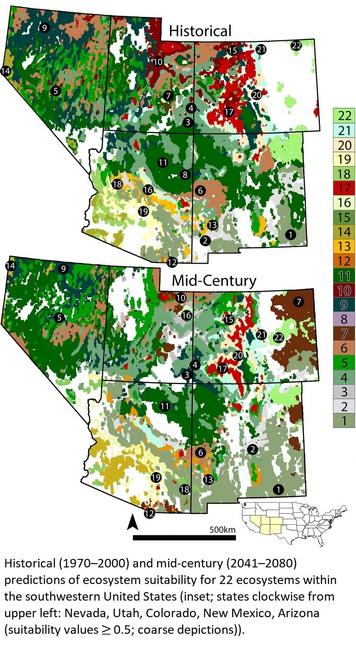
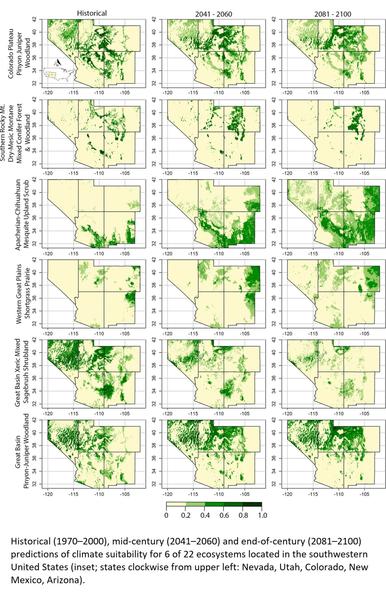
Climate change shifts ecosystems, altering their compositions and instigating transitions, making climate change the predominant driver of ecosystem instability. Land management agencies experience these climatic effects on ecosystems they administer yet lack applied information to inform mitigation. We address this gap, explaining ecosystem shifts by building relationships between the historical locations of 22 ecosystems (c. 2000) and abiotic data (1970–2000; bioclimate, terrain) within the southwestern United States using β€˜ensemble’ machine learning models. These relationships identify the conditions required for establishing and maintaining southwestern ecosystems (i.e., ecosystem suitability). We projected these historical relationships to mid (2041–2060) and end-of-century (2081–2100) periods using CMIP6 generation BCC-CSM2-MR and GFDL-ESM4 climate models with SSP3-7.0 and SSP5-8.5 emission scenarios. This procedure reveals how ecosystems shift, as suitability typically increases in area (~ 50% (~ 40% SD)), elevation (12–15%) and northing (4–6%) by mid-century. We illustrate where and when ecosystems shift, by mapping suitability predictions temporally and within 52,565 properties (e.g., Federal, State, Tribal). All properties had β‰₯ 50% changes in suitability for β‰₯ 1 ecosystem within them, irrespective of size (β‰₯ 16.7 km2). We integrated 9 climate models to quantify predictive uncertainty and exemplify its relevance. Agencies must manage ecosystem shifts transcending jurisdictions. Effective mitigation requires collective action heretofore rarely instituted. Our procedure supplies the climatic context to inform their decisions.

Nature