When it goes? or: Where does love go?
A Sijo
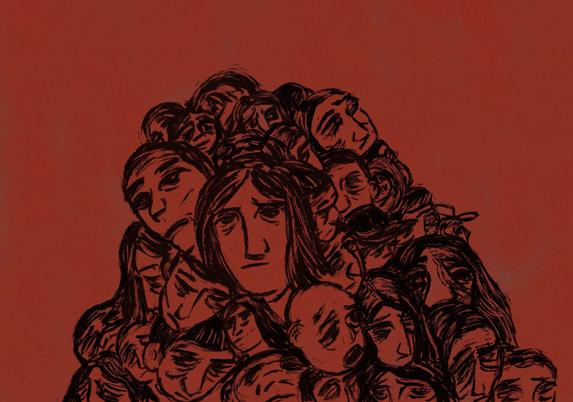
two toothbrushes apart
in separate rinse cups they stand;
the first hug that stayed a hug
no answering warmth, no desire;
it settles into the corners
shared rituals, a life maintained
d’Verse: Where does the love go?
At d’Verse, we are encouraged to take the title of our poems from the question “Where does love go when it goes?” or “Where does love go?” and answer it in our poems. We can write about personal experience, someone else’s story of lost love, or even philosophize on the question. The form is up to us.
Sijo?
A Korean verse form related to haiku and tanka and comprised of three lines of 14-16 syllables each, for a total of 44-46 syllables. Each line contains a pause near the middle, similar to a caesura, though the break need not be metrical. The first half of the line contains six to nine syllables; the second half should contain no fewer than five. Originally intended as songs, sijo can treat romantic, metaphysical, or spiritual themes. Whatever the subject, the first line introduces an idea or story, the second supplies a “turn,” and the third provides closure. Modern sijo are sometimes printed in six lines.
Let’s write poetry together!
When it comes to partnership, some humans can make their lives alone – it’s possible. But creatively, it’s more like painting: you can’t just use the same colours in every painting. It’s just not an option. You can’t take the same photograph every time and live with art forms with no differences.
–
Ben Harper (b. 1969)
Would you like to create poetry with me and have a completed poem of yours featured here at the Skeptic’s Kaddish? I am very excited to have launched the ‘Poetry Partners’ initiative and am looking forward to meeting and creating with you… Check it out!
#Absence #Desire #Distance #Intimacy #Love #Marriage #Poem #Poetry #Routine #Separation #Sijo