 Knowledge Zone
Are #Humans Still #Evolving? : Medium
The #Problem with #Thinking you’re part #Neanderthal : Tech Review
You’re Not #Unlucky—Your #Brain Is #Sabotaging You. But There’s a Way to Claw Back Control, Scientists Say. : Pop Mech
Latest #KnowledgeLinks
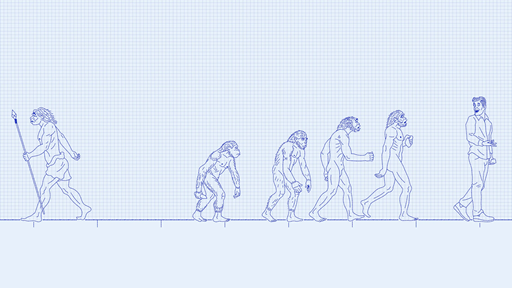
Are #Humans Still #Evolving? : Medium
The #Problem with #Thinking you’re part #Neanderthal : Tech Review
You’re Not #Unlucky—Your #Brain Is #Sabotaging You. But There’s a Way to Claw Back Control, Scientists Say. : Pop Mech
Latest #KnowledgeLinks



Tuesday, December 2, 2025
Why Trump's peace plan is unlikely to end Russia's war in Ukraine -- Putin claims Russian capture of Pokrovsk, Vovchansk as Kyiv warns of Kremlin propaganda blitz amid peace talks -- Ukrainian Special Forces hit Russian Shahed drone launch site in occupied Crimea -- Ukraine denies Russian occupation of Klynove in Donetsk Oblast ... and morehttps://activitypub.writeworks.uk/2025/12/tuesday-december-2-2025/

Wednesday, October 8, 2025
Partisans derail train carrying military cargo in Russia -- Liberating our land, step by step; Ukraine reports successful counterattack in Dnipropterovsk Oblast, shows footage -- Indian national surrenders to Ukraine after fighting for Russia for 3 days -- Ukraine allocates $36 million to bolster energy grid of frontline regions amid Russian strikes ... and morehttps://activitypub.writeworks.uk/2025/10/wednesday-october-8-2025/

 Kpop News Hub
 getmisch
 Global News
 Global News BC
 Global News Okanagan
 Hacker News
 Kyiv Independent Daily Headlines
 Milo Dide