The Purpose Of Pakistan According To Jinnah

The Purpose Of Pakistan According To Jinnah

By Khurram Ali Shafique 

According to Quaid-i-Azam Muhammad Ali Jinnah, it is the immediate responsibility of every Pakistani to completely eradicate poverty and fear from society before turning to anything else.

It seems that according to Jinnah, the immediate responsibility of every Pakistani is to achieve a society completely free from poverty and fear, and not dissipate energies on anything else until this goal has been achieved first.

Here is some evidence.

Fact 1: the most frequently mentioned goal

The immediate uplift of the masses is the single most frequently mentioned goal in his public statements. He repeated it practically every time he spoke from 1936 till his death, except when the occasion restricted him to some specific issue other than this.

Hence, the issue was emphasized in (a) the election manifesto issued by the League in 1936 and many resolutions passed subsequently, including the Pakistan Resolution; (b) each and every presidential address delivered by Jinnah on the annual sessions of the League after 1936, and in the Constituent Assembly of Pakistan; and (c) various addresses to the civil and military officers, speech at the opening ceremony of the State Bank, and so on.

The words used were “the people’s welfare”, “the wellbeing of the people”, “the immediate uplift” of the masses, “the betterment” of the citizens and “good life”.

The areas in which he wanted this uplift to happen were economic, social, educational and political.

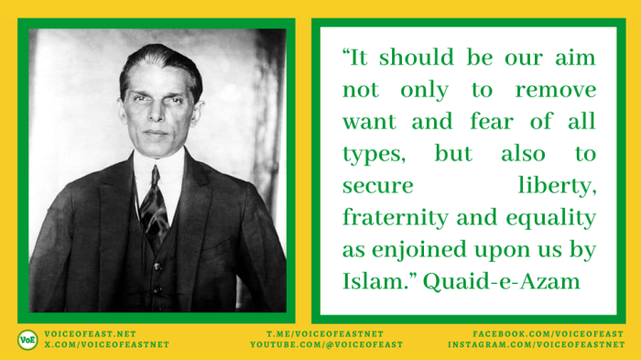
The terms used, especially after independence, were “Islamic social justice” and “Islamic socialism”, explained by him as “to remove want and fear of all types.”

For instance:

It should be our aim not only to remove want and fear of all types, but also to secure liberty, fraternity and equality as enjoined upon us by Islam.

You can see a selection of quotes from the most important occasions.

Fact 2: the most emphasized goal

It is also the most heavily emphasized goal in his public statements.

The words he chose for emphasizing this subject denoted a priority over and above everything else, e.g. “foremost duty”, “immediate uplift”, “immediate relief”, “take off your coats”, “quickly”, “make some beginning”, “First”, “wholly and solely”, and so on.

For instance:

To the Mussalmans of India in every province, in every district, in every tahsil, in every town, I say, your foremost duty is to formulate a constructive and ameliorative programme of work of the people’s welfare, and to devise ways and means of social, economic, and political uplift of the Mussalmans.

Before the birth of Pakistan, he stated officially that if the idea of Pakistan is that the exploitation of the masses may continue, he “would not have it.” Afterwards, he reiterated that Pakistan was “means to an end” while the end itself was to have a society where “the principles of Islamic social justice could have a free play”, and also that “the State exists not for life but for good life.”

In one of the annual sessions of the League – Patna, 1938 – he stated, formally, that the Muslim League “would be the ally even of the devil if need be in the interests of Muslims.”

Question

Can we say, therefore, that Jinnah told his followers that their first responsibility is to free the society completely from poverty and fear, and not get distracted by anything else until this goal is achieved?

This is not a rhetorical question. Your opinion can be helpful for me in testing my conclusions.


#Islam #MuhammadAliJinnah #Muslims #Pakistan #QuaidEAzam

Those Who Defied The Sovereignty Of Pakistan

Those Who Defied The Sovereignty Of Pakistan

By Khurram Ali Shafique

Addressing the constituent assembly of Pakistan (including the present-day Bangladesh) on August 11, 1947, Quaid-i-Azam Muhammad Ali Jinnah said,

‘The first and the foremost thing that I would like to emphasize is this: remember that you are now a sovereign legislative body and you have got all the powers.’

The point is mentioned at least three times in the speech, acknowledging the assembly as a ‘Sovereign assembly’ and ‘a full and complete sovereign body as the Federal Legislature of Pakistan.’

In less than seven years, this very sovereignty of the assembly had been repudiated by almost every school of thought in the new state. This is arguably the most shocking aspect of the history of Pakistan, and yet it is the least discussed (possibly because everybody who mutinied against the state has become a hero by now).

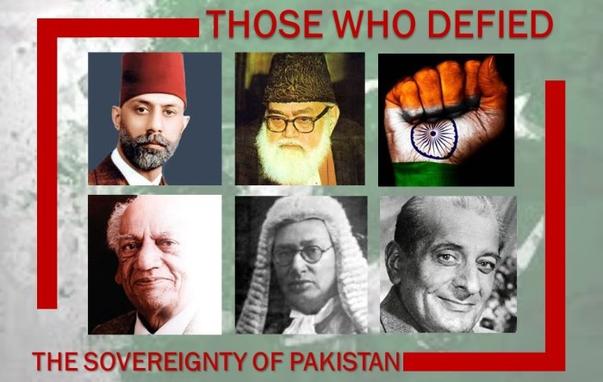
In April 1948, Chaudhry Rahmat Ali arrived in Lahore from Cambridge and announced through a newspaper that his aim was ‘a complete repudiation’ of the partition plan through which Pakistan had been created.

In October the same year, Abul Aala Maududi and two of his associates had to be charged with sedition and arrested under the Public Safety Act. They remained behind bars till May 1950.

The members of the Congress Party, representing some of the non-Muslim constituencies, undermined the authority of the assembly from within on many occasions. In March 1949, they demanded that religion should not be mentioned in the constitution because, in their opinion, this was contrary to a famous statement of the Quaid (‘you may belong to any religion or caste or creed; that has nothing to do with the business of the State’). They failed to acknowledge that the Quaid himself had asked the assembly to act as a greater authority than him.

In 1951, Faiz Ahmad Faiz, many other members of Pakistan Communist Party and some army personnel were found guilty of plotting to overthrow the government, kidnap the Prime Minister and the cabinet, murder senior security officers and bring a totalitarian revolution by using military force.

In February 1952, a vilification campaign against PM Khawaja Nazimuddin was launched by Inayataullah Mashriqi, was soon taken over by religious organizations like Majlis-i-Ahrar and was eventually joined by Jamaat-i-Islami and several other ‘ulema’ including Syed Suleman Nadvi and Mufti Muhammad Shafi. Initially complaining about issues like the shortage of food items, the agitators moved on to press three religious demands, i.e. the Ahmadis should be declared non-Muslims, the Ahmadi Foreign Minister should be sacked and all Ahmadis should be removed from higher posts in the government.

While refusing to accept the demands, the PM made it clear to the agitators that they were trespassing on the jurisdiction of the assembly. Undeterred, they launched ‘direct action’ against the government in January 1953. Riots followed and resulted in loss of life, especially in Punjab, where an S.H.O. of the police was lynched to death inside the historic Wazir Khan Mosque in Lahore. The army was called to restore order on March 5.

Using these events as pretext, and with support from the military leadership, Governor-General Ghulam Muhammad dismissed the PM and appointed in his place Muhammad Ali Bogra, who was Pakistan’s ambassador in US at that time (and believed to be ‘pathetically pro-American’). Thus the assembly was stripped of an important aspect of its sovereignty, i.e. the authority to choose the PM and to keep him or her in office as long as it pleases the majority in the house.

Although the possibility of foreign involvement in the matter was suggested by an English newspaper of Karachi as early as the summer of 1952, it seems that nobody has noticed the striking similarity between these events and ‘Operation Ajax’, an undercover activity of MI6 and CIA in Iran around the same time. According to Kermit Roosevelt, the senior CIA officer in charge of this operation, it was based on ‘four lines of attack’:

  • first, the popularity of PM Mossadegh would be undermined through a campaign in mosques, the press and the streets;
  • military officers loyal to the Shah would deliver the decree dismissing the PM;
  • mobs would take control of the streets; and
  • General Zahedi, a loyalist, would emerge to be nominated by the Shah as the new prime minister.
  • There is an obvious parallel in the events that led to the dismissal of Nazimuddin in Pakistan, except that (b) and (c) occurred in the reverse order. There is no direct evidence, but the similarity tempts us to think that if the same foreign agencies did not stage-manage the events in Pakistan, they must have learnt something here to be repeated in the neighbouring country a few months later. The final outcome was the same in both cases. A civilian dictator willing to serve the British or American interests got rid of a PM supported by the majority in the house, was able to replace him with an avowedly pro-American person of no political standing, and succeeded in marginalizing the assembly.

    The official report of the inquiry about the disturbances in Pakistan, commonly called the Munir Report and published by the autocratic regime of Ghulam Muhammad in the summer of 1954, called it unrealistic to think that ‘any Foreign Power would attach or has any need to attach so much importance to Pakistan as to consider it worth their while to run the risk of being caught meddling with its domestic affairs’ (p.76).

    The issue of sovereignty was discussed at length in the report but the term was never linked directly with the constituent assembly, thus paving the way for the eventual dissolution of the assembly that happened soon afterwards with the full blessing of the main author of report.

    On October 24, 1954, Governor-General Ghulam Muhammad dismissed the assembly. At the end of the legal battle that ensued, a full bench of the highest court in the country, headed by Chief Justice Muhammad Munir, ruled on March 21 that it was ‘a mistake to suppose that sovereignty in its larger sense was conferred upon the Constituent Assembly.’

    It still belonged to the Crown of Great Britain and the assembly ‘lived in a fool’s paradise if it was ever seized with the notion that it was the sovereign body in the State.’ The only member of the bench to disagree was Justice R. A. Cornelius (later the Chief Justice of Pakistan).


    #CIA #Democracy #India #MuhammadAliJinnah #Pakistan #PakistanPolitics #Politicians #Politics #QuaidEAzam #USA

    The Untold Story Of Pakistan From 1858 To 2026

    The Untold Story Of Pakistan From 1858 To 2026

    By Khurram Ali Shafique

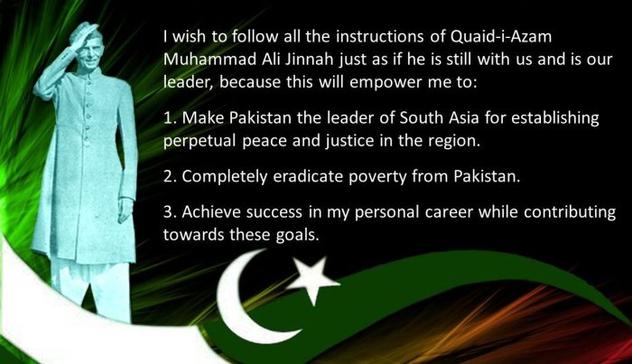
    Pakistan can and should lead South Asia for establishing perpetual peace and justice in the region, bringing a fair and just solution to the issue of Kashmir and instant relief to the suffering minorities of the region, among other things. This is not my personal wish. Anybody who goes through the records of the All-India Muslim League, the national organization which created Pakistan, would know that this was the basic purpose of establishing this country as understood at the time of its creation.

    Secondly, it is also clear from the same records that the creators of Pakistan wanted poverty to be eradicated completely (and not just “reduced), at least from Pakistan.

    Thirdly, since they created a country with these two specific purposes in mind, they obviously believed that each one of us can and should achieve success in our personal careers while contributing towards the achievement of these goals.

    Therefore, I hope you will agree that the following should be the mission statement of every honest Pakistani.

    By denying our national goals a priority over our personal interests, we have been practically living like slaves in spite of being citizens of a great independent state, and have been indulging in that deplorable evil which Jinnah used to call “careerism”.

    “Teaching in India has shown one definite result: our intelligentsia is being manufactured, as if it were, in factories, as careerists. The foremost idea of most of them is careerism.”

    Jinnah, address to the staff of the Aligarh Muslim University, 5 April 1939

    Unfortunately, teaching in Pakistan has continued to produce the same results. Those who created Pakistan desired to bring some radical changes in the system of our education, which I hope to discuss elsewhere. However, power was snatched from them within seven years and their vision for a national education could not materialize.

    Hence, we the educated ones, have continued to be careerists (and it also suited the interests of our politicians and the majority of our leaders). If we now want to help ourselves and others, and if we want to empower ourselves as free citizens, the first thing is to recognize the fault that lies within each one us: we are careerists.

    We can stop being so if we now place our default national goals above our professional and personal priorities, and adjust our careers and our lives to those goals rather than the other way around. The starting point, as you can see, cannot be anything except that we adopt the mission statement which I have suggested above. Let it be the beginning of a wonderful and amazing journey through which we first change ourselves, and then the world.

    Therefore, I do not wish to reach a wide audience with my “message”. If you were going to offer unsolicited advice towards that end, please do not. It is not my message at all. It should be your message too. Instead of telling me how to spread it, you should be spreading it yourself just like me.


    And if you are one of those who think that the goals mentioned above cannot be achieved, then regrettably my work might not be comprehensible to you. No offense intended.

    It is true that some people today think that these goals cannot be achieved anymore. My lifelong research has shown me that they can be achieved if only I start following the instructions of Quaid-i-Azam Muhammad Ali Jinnah with complete loyalty and devotion.

    Hence, I am writing only for those who, just like me, wish to align their own lives and careers with the higher targets of bringing peace and justice to the region through Pakistan, and eradicating poverty completely.

    Because, we all feel restless and dissatisfied about how bad things are at workplaces, how the rule of law is weakening in the society, how daily life is becoming increasingly difficult and how almost everything that could go wrong seems to be doing so.

    Now, if you wish to do something about this and if, just like me, you also want to seek advice from the Father of the Nation for this purpose, you might have come to the right place. I hope that we can form a team.

    By making a team, I mean that we adopt a common mission statement and we follow it separately in our own respective lives and careers. Whatever information you need for this, I will be very happy to provide (and there is much on this website already). But the starting point is to have a common mission statement. I have suggested it on the following sticker.

    Now, what do we need to know if we want to achieve success in our careers not by ignoring our national ideals but by contributing to them? This is the question I try to answer in my 10-hour course, “The Untold Story of Pakistan from 1858 to 2026“, by taking the participants step by step through the past, present and the future strictly from the perspective of those who created this wonderful country. If at all possible for you, please try to participate in this course whenever it is offered at a place near you, or help me organize it at a place of your convenience.

    Until then, you can also go through a series of five blog posts in which I have tried to offer the substance of this course as best as I could. I have written this series in such a manner that each post takes you through one important step in this journey of transformation.

    The following is a list of those steps, so that you could have a bird’s eye-view of the entire journey. Also, by clicking on the name of each post or the button underneath the summary, you can access the post itself. But my suggestion is that you first read the summaries of all five posts, since they describe those five steps of the journey.

    Section 1: The seven stages of Pakistan

    The most important thing to know is that the South Asian Muslims have a communal self (also called “collective ego”, and it is not contradictory to the sovereignty of independent states). Recognize this collective ego, accept its existence and see the process of its evolution by looking at your history from the point of view of those who created your country.


    Section 2: Uniform culture

    Once you have accepted the existence of your communal self, you need to learn how to participate in its life (because by denying its existence, you have been living in alienation to it). For this, you need to change your habits of thought and action. So, first we discuss the change in the habits of thought (also called “internal transformation”). According to Iqbal, it happens through “uniform culture” (explained in this post).


    Section 3: National organization

    Change in the habits of action is the other type of change required for participation in the life of the communal self. Iqbal calls it “external transformation”, and says that it happens through the desire to seek consensus. This desire can be kept alive only through “national organization” (explained in the post).


    Section 4: Conscious evolution

    By changing our habits of thought and action, we will be able to participate in the life of our communal self in a conscious manner. This is all that is now required for achieving a society free from fear and want, because all other prerequisites have already been fulfilled.


    Section 5: National education

    By becoming the first people in human history to acquire the ability of “conscious evolution” (explained in the previous post), we will have a completely new outlook on the world. It will provide solutions to problems that are presently believed to be unsolvable, and might eventually transform the entire planet into an ideal world. But the change can only begin from Pakistan, and in Pakistan it has to start from its most important component, which is you.


    Now, if you agree to adopt the mission statement suggested here, please leave a statement to this effect as a comment on this page before moving on. This will go a long way towards building a club of like-minded people, and might be your first practical contribution towards the “national goals” right away. After you have posted your comment here, I welcome you to the exciting journey through the untold story of the past, present and the near future Pakistan, which begins with the first post of the series, “The seven stages of Pakistan.”


    #History #MuhammadAliJinnah #Muslims #Pakistan #QuaidEAzam

    Why, According To Muhammad Ali Jinnah, Was Pakistan Necessary?

    Why, According To Muhammad Ali Jinnah, Was Pakistan Necessary?

    In this address, Muhammad Ali Jinnah explains why the Muslims of the subcontinent needed a separate homeland. He argues that Muslims are a distinct nation, with their own civilization, culture, laws, traditions, and historical consciousness. Jinnah emphasizes that no constitutional arrangement could safeguard Muslim rights within a Hindu‑majority India because the Congress leadership refused to accept Muslims as a separate political entity.

    He frames Pakistan not as a communal demand but as a democratic necessity, rooted in the principle that every nation has the right to self‑determination. Jinnah stresses that Muslims seek peaceful coexistence, not domination, and that Pakistan would allow them to live according to their own values, free from political subjugation.

    Quaid e Azam Muhammad Ali Jinnah’s speech in USA on 13th December 1946:


    #Geopolitics #History #India #MuhammadAliJinnah #Muslims #Pakistan #QuaidEAzam

    جناح کی آواز

    جناح کی آواز

    خرم علی شفیق

    میرے نزدیک ہماری بیشتر مشکلات کا سبب یہ ہے کہ ہماری تاریخ اِس وقت کسی کو بھی معلوم نہیں ہے۔ یعنی ایسا نہیں ہے کہ عوام اپنی تاریخ سے بیخبر ہو گئے ہوں اور ماہرین کے پاس معلومات موجود ہوں۔ بلکہ میں سمجھتا ہوں کہ ہماری تاریخ بالکل اس طرح گم ہو گئی ہے جیسے کسی کا حافظہ کھو جائے۔

    اس لیے اس سال میرے دو منصوبے ہیں۔

    پہلا منصوبہ یہ ہے کہ کچھ کتابیں پیش کی جائیں۔ ان میں علامہ اقبال کے مستند حالاتِ زندگی پر مبنی تین کتابیں شامل ہیں، جن میں میری اپنی رائے شامل نہیں ہو گی۔ صرف واقعات اور حقائق ہوں گے۔ “اقبال کی جستجو” 1906 تک، “اقبال کا راستہ” 1907 سے 1926 تک اور “اقبال کی منزل” 1927 سے 1946 کے عرصے پر محیط ہے لیکن پہلے “اقبال کی منزل” پیش کی جا رہی ہے کیونکہ اس کا زمانہ تحریکِ پاکستان سے وابستہ ہے۔ رائٹ وژن فاؤنڈیشن یہ کتاب شائع کر رہی ہے اور انشأ اللہ 23 مارچ تک آپ کے ہاتھوں میں چاہیں کہ ایمیل کے ذریعے آپ کو باخبر رکھا جائے توچاہیں کہ ایمیل کے ذریعے آپ کو باخبر رکھا جائے توہو گی (کوشش ہو گی کہ آپ گھر بیٹھے اسے خرید سکیں۔ اس سلسلے میں جلد ہی معلومات فراہم کر دی جائیں گی لیکن اگر آپ چاہیں کہ ایمیل کے ذریعے آپ کو باخبر رکھا جائے تو

    [email protected]

    پر اپنا ایمیل ایڈریس بھیج دیجیے۔

    میں نے اس سے پہلے اقبال کی سوانح پر جو کتابیں لکھی ہیں، یہ اُن سے بالکل الگ ایک نئی سیریز ہے۔

    میرا دوسرا منصوبہ یہ ہے کہ ہر ہفتے ایک پوسٹ کے ذریعے کچھ اہم باتیں سب کے ساتھ شئیر کروں۔ ان کی بنیاد بھی یہی کتابیں ہوں گی لیکن کتابوں کے برعکس یہاں میں اپنی رائے بھی پیش کروں گا۔ چنانچہ اپنی اُردو ویب سائٹ اور بلاگ کو نئے سرے سے ترتیب دے کر بہتر بنا رہا ہوں۔ یہ ہفتہ وار پوسٹس یہیں پیش کی جائیں گی۔

    بہت سے پڑھنے والوں نے اس کی فرمایش بھی کی ہے۔ ایسے احباب سے میں یہ  کہنا چاہتا ہوں کہ آئیے ہم یہ فرض کر لیں کہ ہم ایک سال کے لیے ایک درس گاہ میں داخلہ لے رہے ہیں، جو کسی عمارت میں نہیں بلکہ ہمارے دِلوں میں ہے۔ ہم ایک سال کا کورس کر رہے ہیں، جس کا مقصد اپنے بارے میں ضروری معلومات حاصل کرنا ہے۔ یہ ہفتہ وار پوسٹس اس “کورس” کے لیکچر ہیں۔ اور جو کتابیں میں اس سال پیش کر رہا ہوں، وہ اِس کے لیے درسی کتابیں ہیں۔

    اگلے دس ہفتے تک میں “اقبال کی منزل” کے تعارف پر مبنی پوسٹس پیش کروں گا۔ یعنی یوں سمجھ لیجیے کہ ہمارے اِس ایک سال کے “کورس” کا پہلا حصہ دس ہفتوں پر مبنی ہے، اور اِن دس ہفتوں کے لیے “اقبال کی منزل” ہماری درسی کتاب ہے جس پر لیکچر دئیے جا رہے ہیں۔

    آج کا موضوع

    آج ہم یہ دیکھیں گے کہ ہمیں اپنی تاریخ کے جو واقعات معلوم ہیں، اُن سب میں سے ایک ضروری چیز نکال دی گئی ہے جس کی وجہ سے وہ واقعات بھی بیجان ہو گئے ہیں، اور ہم بھی۔ مثال کے طور پر میں ایک ایسا موضوع منتخب کر رہا ہوں جو ہم سب نے کبھی نہ کبھی ضرور پڑھا ہوتا ہے، یعنی “جناح کے 14 نکات”۔ آئیے، آج اُس زمانے میں واپس چل کر دیکھتے ہیں۔

    دہلی مسلم تجاویز اور نہرو رپورٹ

    مارچ 1927 میں جناح کی دعوت پر کئی مسلم رہنما دہلی کے ویسٹرن ہوٹل میں جمع ہوئے۔ تقریباً دس برس پہلے ہندو راضی ہو گئے تھے کہ مسلمان اپنے نمایندے خود منتخب کیا کریں لیکن اب اکثر ہندو رہنماؤں کو اعتراض ہو رہا تھا۔ اس لیے اُس روز مسلم رہنماؤں نے کچھ متبادل تجاویز پیش کرتے ہوئے کہا کہ اگر ہندو انہیں مان لیں تو مسلمان علیحدہ انتخاب چھوڑ دیں گے۔

    انڈین نیشنل کانگرس کے سالانہ اجلاس (دسمبر 1927) میں کہا گیا کہ مسلم رہنماؤں نے یہ تجاویز پیش کر کے اعلیٰ ظرفی کا ثبوت دیا ہے۔ کانگرس نے تجاویز کی حمایت میں قرارداد منظور کی، اُسے ’’قراردادِ اتحاد‘‘ کا نام دیا اور کہا

    آج آپ نے آزاد ہندوستان کی صرف بنیاد ہی نہیں رکھی۔ بلکہ آپ سمجھ سکتے ہیں کہ آپ اُسے حاصل کر رہے ہیں۔

    اس کے بعد موتی لعل نہرو (جواہر لعل کے والد) کی صدارت میں ایک کمیٹی بنی تاکہ ہندوستان کا دستور تیار کر کے انگریزوں کے سامنے پیش کرے۔ لیکن جب اس کمیٹی نے (اگست 1928 میں) اپنی رپورٹ پیش کی تو مسلم رہنماؤں کی دہلی والی تجاویز اور کانگرس کی ’’قراردادِ اتحاد‘‘ نہ صرف غائب تھیں بلکہ تقریباً ہر بات ان کے برعکس تھی!

    سرے سے وہ چیز ہی بھلا دی گئی جسے کچھ ہی مہینے پہلے کانگرس نے ہندوستان کی آزادی کی بنیاد کہا تھا۔

    آل انڈیا مسلم کانفرنس

    اب مسلم جماعتیں اکٹھی ہوئیں تاکہ یہ طے کریں کہ مسلمانوں کا متفقہ مطالبہ کیا ہے۔ آل انڈیا مسلم  کانفرنس بنائی گئی جو کچھ سال قائم رہی (بعد میں علامہ اقبال بھی اس کے صدر ہوئے)۔ افتتاحی اجلاس کی صدارت کرتے ہوئے آغا خاں سوئم نے کہا:

    دورِ جدید کی تاریخ کا اہم سبق، میرے نزدیک،  یہ ہے کہ صرف وہی قومیں کامیاب ہوتی ہیں اور صرف وہی پالیسیاں قوموں کی عظمت کا باعث بنتی ہیں جو چند رہنماؤں یا مفکروں کے افکار و تصورات پر مبنی نہ ہوں، خواہ وہ کتنے ہی عظیم کیوں نہ ہوں، بلکہ جو سب کے اتفاقِ رائے اور عوام  کی آرأ پر مبنی ہوں… وقت آ گیا ہے کہ ہمارے رہنما زمین سے کان لگا کر عوام کے  خیالات اور خواہشات کا صحیح اندازہ کرنے لگیں۔

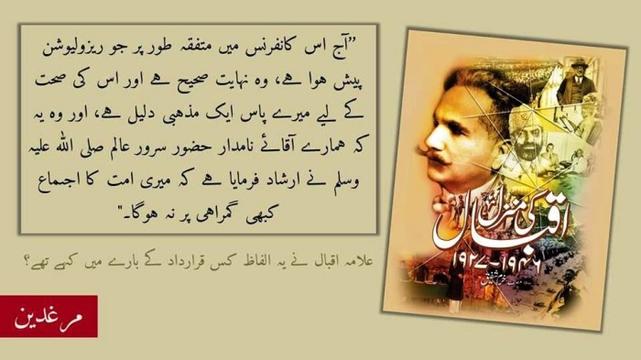
    :یکم جنوری 1929 کو تمام شرکأ نے متفقہ طور پر  قرارداد پیش کی تو اقبال نے کہا

    آج اس کانفرنس میں متفقہ طور پر جو ریزولیوشن پیش ہوا ہے، وہ نہایت صحیح ہے اور اس کی صحت کے لیے میرے پاس ایک مذہبی دلیل ہے، اور وہ یہ کہ ہمارے آقائے نامدار حضور سرور عالم صلی اللہ علیہ وسلم نے ارشاد فرمایا ہے کہ میری امت کا اجتماع کبھی گمراہی پر نہ ہوگا۔

    جناح کے 14 نکات

    جناح اس کانفرنس میں شریک نہیں ہوئے بلکہ یہ کہا کہ مسلمانوں کو صرف مسلم لیگ کے  پلیٹ فارم پر جمع ہونا چاہیے۔ مسلم لیگ اُن دنوں دو گروپوں میں تقسیم تھی اور جناح کے گروپ نے کانفرنس میں شرکت کے خلاف قرارداد بھی منظور کی۔

    لیکن جب کانفرنس  نے مسلمانوں کا ایک متفقہ فیصلہ پیش کر دیا تو جناح قائل ہو گئے۔ اُن کے مسلم لیگ گروپ کی کونسل نے ان سے بھی کہا کہ متفقہ مطالبات کی قرارداد تیار کریں۔ اُنہوں نے جو دستاویز تیار کر کے (مارچ 1929 کے اواخر میں) کونسل کے حوالے کی وہ 14 نکات پر مبنی تھی، اس لیے اسے “14 نکات” کہا گیا۔ لیکن اسے پیش کرتے  ہوئے انہوں نے جو ضروری وضاحت کی، وہ عام طور پر بھُلا دی گئی ہے۔ اُنہوں نے کہا

    میں ایک چیز واضح کر دینا چاہتا ہوں۔ یہ تاثر موجود ہے کہ میں نے  لیگ کی کونسل  کے سامنے جو قرارداد پیش کی ہے وہ  میرے ذاتی خیالات پر مشتمل ہے۔ یہ درست نہیں ہے۔ میں نے محض وہ کام پورا کیا ہے جو مجھے کونسل کی طرف سے 3مارچ کو سونپا گیا تھا کہ جہاں تک ہو سکے مختلف گروہوں اور مکاتیبِ فکر سے مشاورت کروں اور اُن کے سامنے ایک ڈرافٹ پیش کروں جسے عوام کی بڑی تعداد کی حمایت حاصل ہو۔ لہٰذا میں نے ان ہدایات کے تحت، اور اپنی بہترین صلاحیت اور سوجھ بوجھ کے مطابق، مختلف لوگوں سے خیالات لیے ہیں۔ میں نے کوشش کی ہے کہ ایک ایسا ڈرافٹ پیش کروں جس میں اکثریت کی آرأ شامل ہوں۔ لیکن بہرحال یہ محض ایک ڈرافٹ ہے اور حتمی فیصلہ سبجکٹس کمیٹی پر منحصر ہے۔

    یعنی جناح نے انہیں اپنے نکات کہہ کر پیش نہیں کیا بلکہ کہا کہ یہ مختلف لوگوں سے لیے گئے ہیں۔ حقیقت میں ان کا مضمون مسلم کانفرنس کی قرارداد کے مطابق تھا۔ اس لیے جلد ہی مسلم کانفرنس نے بھی اپنی قرارداد کو 14 نکات کی صورت میں ترتیب دے دیا۔ اگلے دس بارہ سال تک سیاسی گفتگو میں جناح کے 14 نکات، مسلمانوں کے 14 نکات، مسلم کانفرنس کی قرارداد اور مسلم کانفرنس کے 14 نکات کا ایک ہی مطلب سمجھا جاتا تھا۔ جواہر لعل نہرو نے تو اقبال کے 14 نکات بھی کہا۔

    لاعلمی کے سرچشمے

    کہتے  ہیں کہ کتابیں پڑھنے سے علم بڑھتا ہے۔ ممکن ہے کہ بعض کتابوں کی حد تک یہ درست ہو ۔ لیکن آج کل ایسی کتابیں خاصی ہو گئی ہیں جنہیں پڑھنے سے علم گھٹ جاتا ہے۔ مثلاً ایک امریکی یونیورسٹی کے پروفیسر اسٹینلے والپورٹ کی لکھی ہوئی ’’جناح آف پاکستان‘‘ کے بارے میں سمجھا جاتا ہے کہ یہ قائداعظم کی بہترین سوانح ہے۔ لیکن اسے پڑھ کر قائداعظم کے متعلق علم میں اضافہ ہو سکتا ہے یا کمی، اِس کا فیصلہ آپ ایک مثال سے کر لیجیے (مزید مثالیں پیش کی جا سکتی ہیں)۔

    جیسا کہ ہم نے دیکھا، جناح مسلم کانفرنس میں شریک نہیں ہوئے تھے۔ اُس کانفرنس کی سرکاری رپورٹ میں اُن کا ٹیلی گرام ہے، تقریروں میں بھی اس بات کا ذکر ہے اور جناح کی مسلم لیگ کی قرارداد بھی ہے۔

    لیکن اب آپ والپورٹ صاحب کی کتاب کے صفحہ 103 پر اسی کانفرنس کے حوالے سے یہ منظرکشی ملاحظہ فرمائیے

    1929کے پہلے دن وہ آل پارٹیز مسلم کانفرنس میں داخل ہوئے، جس کی صدارت دہلی میں آغا خان کر رہے تھے … شفیع اپنے پنجابی رفقاء کے ساتھ وہیں موجود تھے جب جناح لال قلعہ کے پریڈ گراؤنڈ پر بنے ریشمی پنڈال میں داخل ہوئے۔ جناح تاخیر سے آئے تھے اور اکیلے بیٹھے تھے۔ وہ ہنوز متذبذب تھے … کیا یہ واقعی اُن کا وَطن تھا؟ کیا یہ حقیقتاً انہی کے لوگ تھے؟  

    مصنف نے کسی ماخذ کا کوئی حوالہ نہیں دیا اور دیتے بھی کیسے جبکہ ماخذ صرف اُن کا بے لگام تخیل ہے۔ یہ انجانے میں کی گئی غلطی ہو، جان بوجھ کر تاریخ بگاڑنے کی کوشش ہو یا خالص اور مکمل جہالت، بہرحال یہ تسلیم کرنا پڑے گا کہ اِس قسم کی کتابوں سے علم اور شعور میں اضافہ نہیں بلکہ صرف کمی واقع ہو سکتی ہے۔

    راہِ عمل

    آج ہم نے دیکھا کہ اُس زمانے کے تین بڑے مسلمان رہنماؤں یعنی آغا خاں، اقبال اور جناح نے کہا کہ وہ اپنی رائے قوم سے قبول نہیں کروانا چاہتے بلکہ قوم کی رائے کو خود قبول کرنا چاہتے ہیں۔

    میں چاہتا ہوں کہ آج کی پوسٹ سے ہم صرف یہ بات ذہن نشین کر لیں کہ خیالات کے جنم لینے کا صرف یہی طریقہ نہیں ہوتا کہ خیال کسی فردِ واحد کے ذہن میں جنم لے اور پھر وہ فرد معاشرے کو قائل کرنے کی کوشش کرے۔

    دوسرا طریقہ بھی ہے، جو ہم نے یہاں دیکھا کہ خیالات معاشرے میں اجتماعی طور پر پیدا ہوئے اور مفکر یا لیڈر نے صرف ان خیالات کو جمع کر کے ان کے درمیان وحدت دریافت کرنے کی کوشش کی۔ اقبال نے اس طریقے کی ایک علمی وضاحت بھی پیش کر رکھی ہے لیکن وہ وضاحت ہماری سمجھ میں کیسے آ سکتی ہے جب تک ہمیں کچھ مثالیں معلوم نہ ہوں؟

    اسی لیے آج اس کی ایک اہم مثال آپ کے سامنے پیش کی ہے، یعنی 14 نکات جناح نے قوم کو نہیں بلکہ قوم نے جناح کو پیش کیے تھے۔ 14 نکات کے بارے میں یہی وہ اہم بات ہے جسے اس موضوع سے خارج کر کے اسے بھی اور ہمیں بھی بیجان کر دیا گیا ہے۔

    میری تجویز ہے کہ اِس بات کو زیادہ اچھی طرح ذہن نشین کرنے کے لیے ہم اِسے ایک ایسے قومی نغمے سے منسلک کر لیں جو شاید ہم سب کو زبانی یاد ہے۔

    صہبا اختر کے “میں بھی پاکستان ہوں، تُو بھی پاکستان ہے” میں شاعر اپنا نظریہ معاشرے پر مسلط کرنے کے لیے بیتاب نہیں ہے بلکہ وہ اُسی جذبے سے سرشار ہے جو ہم نے آج کی پوسٹ میں بعض بڑے رہنماؤں کی تقاریر میں دیکھا ہے۔ وہ یہ ضرور کہہ رہا ہے کہ پاکستان “عقیدہ” اور “نظریہ” بھی ہے لیکن اُس کے نزدیک “رنگ برنگی دنیا” میں اس عقیدے اور نظریے کی پہچان بھی یہی ہے کہ ہم سب اس پر ہمیشہ متفق ہو جاتے ہیں۔ آئیے، اِس نغمے کو اُس تقریر کی روشنی میں سنتے ہیں جو جناح نے 14 نکات پیش کرتے ہوئے کی تھی

    کہتی ہے یہ راہِ عمل، آؤ ہم سب ساتھ چلیں
    مشکل ہو یا آسانی، ہاتھ میں ڈالے ہاتھ چلیں!

    میرا خیال ہے کہ ہم میں سے کوئی وہ دلخراش سانحہ نہیں بھول سکتا جو 16 دسمبر 2014 کو آرمی پبلک اسکول پشاور میں پیش آیا تھا۔ اُس موقع پر ایک پاکستانی ٹرک ڈرائیور نے، جو غالباً سعودی عرب میں کام کرنے گیا ہوا تھا، جو پیغام اپنی ویڈیو میں پوسٹ کر کے سوشل میڈیا پر شئیر کیا وہ میں آج آپ کے سامنے اِس لیے پیش کر رہا ہوں کہ ذرا غور کیجیے، اِس ٹرک ڈرائیور کے دل سے جس نے غالباً بہت اعلیٰ تعلیم حاصل نہیں کی ہے، اُس اچانک سانحے پر بیساختہ جو آواز نکلی اُس میں وہی شعور جھلک رہا ہے جو آج ہم نے جناح کی 14 نکات والی تقریر اور بعض دوسرے تاریخی بیانات میں دیکھا ہے۔

    اگر مجھے اِس شخص کا پتہ معلوم ہوتا تو میں “اقبال کی منزل” کی ایک اعزازی کاپی اِسے یہ کہہ کر پیش کرتا کہ اس میں جو کچھ ہے، وہ آپ کو پہلے سے معلوم ہے۔

    مجھے افسوس ہے کہ اِس چار سال پرانی ویڈیو نے پرانے زخم تازہ کر دئیے ہوں گے۔ لیکن ویسے بھی ہم حال ہی میں پیش آنے والے سانحۂ ساہیوال کی وجہ سے بھی سوگوار ہی ہیں، اِس لیے
    “اِس دنیا میں جینا ہے تو اپنے آپ کو جانو!”

    #AllamaIqbal #Geopolitics #India #MuhammadAliJinnah #MuslimUmmah #Muslims #Pakistan #QuaidEAzam #قائداعظم #پاکستان #علامہاقبال

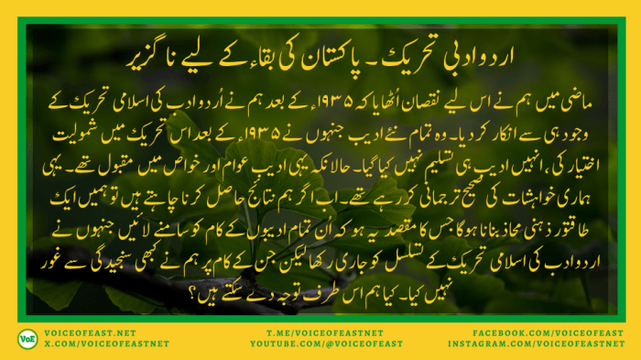
    اردو ادبی تحریک ۔ پاکستان کی بقاء کے لیے ناگزیر

    اردو ادبی تحریک ۔ پاکستان کی بقاء کے لیے ناگزیر

    خرم علی شفیق


    #AllamaIqbal #Muslims #Pakistan #QuaidEAzam #Urdu #محمدعلیجناح #پاکستان #اردو #اسلام #علامہاقبال

    Why Pakistan Needs Democracy

    Why Pakistan Needs Democracy

    By Dr Maqsood Jafri

    On Facebook wall, there is an opinion of some journalists, who have opined that Islam does not support democracy and it also does not suit Pakistan. Some intellectuals have commented on the stance of theses journalists, who have also strongly stated that democracy has failed in the whole world.

    I would briefly like to comment on this serious topic. Instead of rejecting democracy, I would like to say, either democracy does not suit Pakistanis or Pakistanis do not suit democracy. Democracy is not only a political system; it is a culture and a mindset. Communism and monarchy are absolute dictatorships. Has democracy failed in Britain, France, Germany and Canada?

    Great British philosopher Bertrand Russell in his book titled “Proposed Roads to Serfdom”, has criticized the Absolutism and dictatorial regimes under Marxian Socialism. Another Austrian-British great economist and philosopher Friedrich Hayek wrote a book in 1944 titled “The Road to Serfdom”. In this book, Hayek unveils the dangers of tyranny and fascism, that inevitably result from government control of economic decisions making through central planning. He further argues that the abandonment of individualism inevitably leads to a loss of freedom, the creation of an oppressive society, the tyranny of a dictator and the serfdom of the individual.

    So far as Islam and democracy are concerned, in my book titled “The Message of Islam”, published in New York in 2005 in detail, in a chapter captioned “Political Thought of Islam”, I have shed light on this topic. The Holy Quran while addressing the Holy Prophet (PBUH) in Surah Ale-Imran in verse 259 says:

    “Take counsel with them on the conduct of matters.”

    Then the Quran in the Surah Shoora in verse 38 says:

    “Their way is to counsel among themselves.”

    It is about the counselling of the companions of the Holy Prophet (PBUH) and a precedent for the Muslims till doomsday. General counselling means an evolutionary process of democracy. These verses clearly state that Islam honours the opinion of people. Islam is a democratic religion.

    Once, the Holy Prophet (PBUH) said that his Ummah will never gather on wrong decisions. By saying so, he encouraged the opinion and consensus of the Ummah. The people who want to prove that Islam is not a democratic religion, they are the agents of dictators and monarchs. They serve their masters and misinterpret Islam for their own petty worldly gain.

    We must differentiate between Western Democracy and Islamic Democracy. In Western Democracy, the red line of morality is crossed. According to the statement of American president Abraham Lincoln, democracy is the government of the people, by the people, for the people. People are Sovereign power in Western democracy. Parliament can make any law. They can even justify homosexuality. But in Islamic democracy, government is made by the free and fair elections by people, but no law can be made against the Islamic teachings. Forbidden is forbidden and no Islamic parliament can permit the forbidden as permissible. In Islam, Sovereignty lies with Allah.

    The founding fathers of Pakistan Dr Allama Iqbal and Quaid-i-Azam supported democracy. There are many speeches and statements of Quaid-i-Azam in the support of democracy. Dr Allama Iqbal in a couplet had said:

    سُلطانئ جمہور کا آتا ہے زمانہ

    جو نقشِ کُہن تم کو نظر آۓ مٹا دو

    The epoch of the rule of the people has come;
    any ancient trace that you see, erase it

    In Pakistan, we need reforms to achieve the goal of democracy. The constitution of Pakistan, declares Pakistan as an Islamic state. Islam believes in human freedom, justice, parity, equality and liberty. These goals can’t be achieved without the establishment of a Welfare state.

    For the establishment of a welfare state, we need the participation of people in the formation of government. We must accept that at present, in Pakistan, we have Mobocracy, instead of Democracy. There are some prerequisites for democracy. They are education, social justice, parity, equality and economic welfare.

    In poor and illiterate communities, democracy can’t function. There should be legal binding for a voter and the candidate. The voter should be, at least a matriculate and the candidate for provisional and national assembly and for senate should be a graduate; otherwise, it will not be a democracy but mobocracy.

    We will have to uproot feudalism, regionalism, parochialism, sectarianism and fascism to plant the sapling of democracy. Dictatorship breeds Nazism, military rule, Fascism and Marxist Socialism. Democracy is the only beacon of hope for humanity and we must strive to establish democratic institutions everywhere in the world.


    #allamaIqbal #democracy #fascism #history #islam #islamicSocialism #marxism #pakistan #quaidEAzam

    Sir Syed Ahmed Khan’s pivotal role in laying foundations for Muslim revival

    Sir Syed Ahmed Khan’s pivotal role in laying foundations for Muslim revival

    October 17, 1817, marks the birth of the renowned Islamic reformer, educationist and philosopher, Syed Ahmed Taqvi bin Syed Muhammad Muttaqi, in Delhi, known to the Muslims of the subcontinent as Sir Syed Ahmed Khan.

    Sir Syed Ahmed Khan

    After having witnessed the fall of the Mughal Empire, and catastrophic events of 1857 which resulted in the moral, social and economic decline of the Muslims of India, Sir Syed Ahmed Khan wrote his famous treatise “The Causes of the Indian Revolt” or “اسباب بغاوت ہند”

    “Do not show the face of Islam to others; instead show your face as the follower of true Islam representing character, knowledge, tolerance and piety.” — Sir Syed Ahmed Khan In 1875, Sir Syed Ahmed Khan founded the Muhammadan Anglo-Oriental College at Aligarh, the first Muslim University of South Asia. Sir Syed advocated Muslims to use knowledge as power to reclaim their rightful social and economic place in India.     Maulana Altaf Hali, in his biography of Sir Syed Ahmed Khan writes: “As soon as Sir Syed reached Muradabad, he began to write the pamphlet entitled ‘The Causes of the Indian Revolt’ (Asbab-e-Baghawat-e-Hind), in which he did his best to clear the people of India and especially the Muslims, of the charge of Mutiny. In spite of the obvious danger, he made a courageous and thorough report of the accusations people were making against the Government and refused the theory which the British had invented to explain the causes of the Mutiny.”  

    Altaf Hussain Hali

    As a social reformer, educationist, author and Muslim revivalist, Sir Syed wrote innumerable journals, articles, translations, books and treatise to awaken the Muslims of India. He advocated the use of Urdu, founded scientific societies and set upon establishing a “Muslim Cambridge” in India on the lines of the Oxford and Cambridge Universities in England.     As a visionary, Sir Syed knew that unless the Muslims became socially and economically secure they would fall subservient to the overwhelming majority of Hindus once the British exited. He said:   “Suppose that the English community and the army were to leave India taking with them all their cannons and their splendid weapons and all else, who then would be the rulers of India? Is it possible that under these circumstances two nations—the Mohammedans and the Hindus—could sit on the same throne and remain equal in power? Most certainly not. It is necessary that one of them should conquer the other. To hope that both could remain equal is to desire the impossible and the inconceivable.”   Sir Syed was farsighted & pragmatic enough to understand that in an undivided India, the majority would reign over the minority.   The MAO College was given the status of a University, in 1920, and became the hub of modernising the Muslims of India, and its students became the hall-bearers of the demand of a separate homeland for Muslims of India: Pakistan.     The Quaid-e-Azam Muhammad Ali Jinnah called Aligarh “the arsenal of Muslim India” and AMU students were t the forefront in the all-important elections of 1946, when the Muslim League swept the elections, to make Pakistan a reality.     The Quaid-e-Azam, Muhammad Ali Jinnah was a lifelong contributor to Aligarh Muslim Univeristy, where his portrait hangs even to this day.   Sir Syed Ahmed Khan played a pivotal role in awakening the Muslims of India, and in his stride, set the foundations for a Muslim revival, that helped shape the future course of history by providing Muslims the leadership for a demand of an Independent Nation-State.  


    #history #india #islam #muslimUmmah #muslims #pakistan #quaidEAzam #sirSyedAhmedKhan