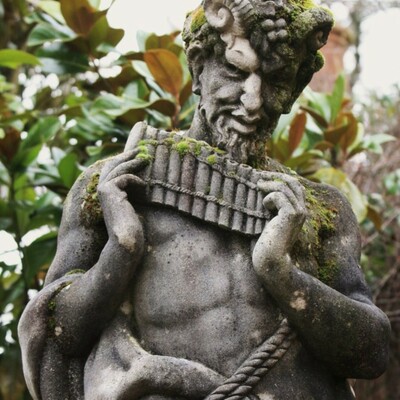
Glossolalie

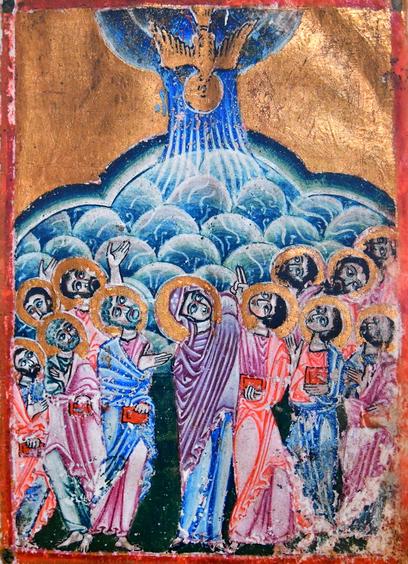
Armeense miniatuur van Pinksteren (Noravank)

Hoe groot de afstand is die ons scheidt van de oude wereld, merken we onder meer als we kijken naar het vroegste christendom. In de Eerste Brief aan de Korintiërs laat de apostel Paulus ons zien wie er zoal deel uitmaakten van een gemeente:

In iedereen is de Geest zichtbaar aan het werk, ten bate van de gemeente. Aan de een wordt door de Geest het verkondigen van wijsheid geschonken, aan de ander door diezelfde Geest het overdragen van kennis; de een ontvangt van de Geest een groot geloof, de ander de gave om te genezen. En weer anderen de kracht om wonderen te verrichten, om te profeteren, om te onderscheiden wat wel en wat niet van de Geest afkomstig is, om in klanktaal te spreken of om uit te leggen wat daar de betekenis van is. Al deze gaven worden geschonken door een en dezelfde Geest, die ze aan iedereen afzonderlijk toebedeelt zoals hij wil.noot 1 Korintiërs 12.7-11; NBV21.

Paulus gaat er dus van uit dat zijn lezers, net als hijzelf, erkenden dat sommigen ten behoeve van de gemeente wonderen konden verrichten, konden profeteren of “klanktaal” konden spreken. Dit laatste wil zeggen dat mensen in trance klanken uitstootten die werden uitgelegd als openbaring. De jargonterm is glossolalie, “in tongen spreken”. Het klassieke voorbeeld is de pythia in Delfi, die in een soort extase verkeerde en bepaalde kreten slaakte, die door tempelfunctionarissen in dichtvorm werden gegoten en golden als goddelijk advies. Elders speelden rituele dansen een rol, waarbij mensen in trance visioenen kregen. Dat lijkt een vorm van sjamanisme.

Een gangbare praktijk

Paulus noemt glossolalie vakernoot 1 Thessalonicenzen 5.19. en wist in Efese enkele mensen in extase te brengen.noot Handelingen 19.6.  Ook het verhaal over de neerdaling van de Heilige Geest in de Handelingen van de Apostelen lijkt naar glossolalie te verwijzen.noot Handelingen 2.4. Ik schrijf “lijkt”, want degenen die dan de geest krijgen, stoten geen vreemde klanken uit, maar zijn voor iedereen begrijpelijk. Pinksteren, dat wil zeggen het joodse Wekenfeest (Sjavoeot), is immers, zoals ik al eens vertelde, een omkering van de Babylonische spraakverwarring.

De meest uitgebreide beschrijving vinden we in, opnieuw, de Eerste Brief aan de Korintiërs: het complete veertiende hoofdstuk is aan glossolalie gewijd. Paulus maakt daarin diverse dingen duidelijk, namelijk dat de betrokkenen vreemde, ongecontroleerde klanken uitstootten, die de indruk wekten van een soort heilige razernij.noot 1 Korintiërs 14.23, 14.27. Paulus is bang dat het verkeerd zal worden uitgelegd, wat opmerkelijk is, omdat zulke razernij ook bij andere culten voorkwam (Adonis, Dionysos…). Om de misverstanden niet nodeloos op te roepen adviseert Paulus (Paulus zijnde Paulus) dat het beter was als vrouwen zich van glossolalie onthieldennoot 1 Korintiërs 14.34. en dat een professional uitlegde wat de kreten betekenden.noot 1 Korintiërs 14.27-28. Dit is dus net zoals in Delfi.

Anders dan in Delfi, waar glossolalie diende om advies te geven, kon christelijke glossolalie een gebed zijn of een dankzegging.noot 1 Korintiërs 14.14-17. Het was daarom ook niet gericht op het menselijke publiek, maar tot God. Daarom mocht iemand die in extase raakte, ook niet worden gehinderd.noot 1 Korintiërs 14.39.

Toen en nu

Kortom, deze vorm van vroege christelijke eredienst lijkt hooguit op de Pinkstergemeenten in onze tijd, maar niet op een katholieke of protestantse viering. De verschillen tussen toen en nu zijn dus groot en vragen om een verklaring.

In de late tweede eeuw begonnen christelijke groepen zich te organiseren. Er waren altijd informele leiders geweest, maar nu kwam er wat systeem in de benoeming. Er was een groep, de aanhangers van de zogeheten proto-orthodoxie, die de leer langzaam maar zeker begon vast te leggen: wie Christus vereerde, kon niet ook andere goden aanbidden, en de verering moest gebeuren op een bepaalde manier. De leer werd gefundeerd in de gewijde literatuur, en ook over de omvang van de canon kwamen afspraken. Wat in deze tijd feitelijk gebeurde, was dat de oorspronkelijke, charismatische kerk werd vervangen door een geïnstitutionaliseerde kerk, die bestaat tot op de huidige dag, en weinig ruimte laat voor glossolalie.

[Een overzicht van deze reeks over het Nieuwe Testament is hier.]

#Delfi #EersteBriefAanDeKorintiërs #Efese #glossolalie #Korinthe #Paulus #Pinksteren #protoOrthodoxie #pythia #sjamanisme #Sjavoeot #Wekenfeest

Time flies when you’re preparing for a ritual trance! The next oracular consultation is this Friday- tomorrow! As always, this is a free service offered by the Temple.

If you have something that you have always wanted to ask the Gods or you’re just curious- please feel free to submit your question here: https://www.templeofdionysus.org/pythia

For a more accessible link: https://docs.google.com/forms/d/e/1FAIpQLSdNaHEMrkAj7aWTBHI8xyd7_0ky6GSIe-s1nPTrScR06vCiQA/viewform

Questions are answered in the order that they are received and as time allows.

#templeofdionysus #hellenicpolytheism #helpol #pagan #dionysus #theoi #freedomofexpresson #oracle #pythia #apollo

Nonprofit Temple Website for Hellenic God Dionysus | Purple Theme, Ancient Greek | The Temple of Dionysus

Create a nonprofit temple website dedicated to Hellenic God Dionysus with a purple theme, embracing madness and ancient Greek culture. Features include a virtual altar page for blogs and donations, upcoming events, resources, prayers, staff articles, and a blog. Explore the God of pleasure, wine, theater, and freedom, promoting liberation and pushing boundaries. Join us in our inclusive community that rejects xenophobia. Discover our blog, events, and virtual temple for posts, art, and offerings.

The Temple of Dionysus

Curious about the oracular season's answers?

We added an anonymous archive of oracular questions and answers to the website.
These questions and answers are all from folks who consented to the anonymous sharing of their question on the form submission.

So far this is just an assortment of the more recent questions- we plan to add the older records slowly.

Enjoy, and may the light and truth of Apollo guide you, and the many blessings and creative spirit of Dionysus keep us free.

https://templeofdionysus.org/archive

#Hellenicpolytheism #templeofdionysus #Dionysus #Apollo #pagan #helpol #theoi #oracle #Providence #pythia

Archive | The Temple of Dionysus

The Temple of Dionysus
LOL
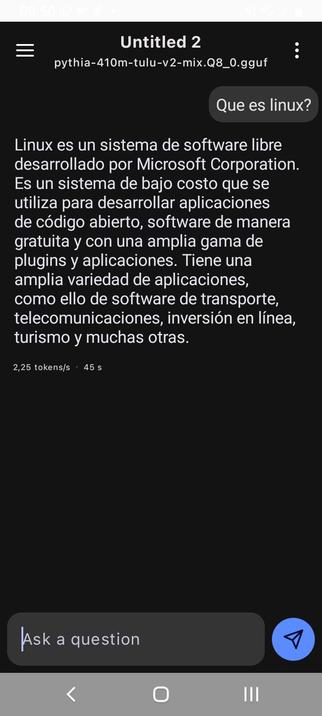
Le pregunte a #pythia sobre linux y esto me respondió JAAJAJAJAJAJAJAJAJAJAJAJAJAJJAA

How Not to Worship.

There are countless guides available for how to worship the Greek Gods and it is not my intention here to reinvent the wheel.
The truth is that while I often claim that there is no wrong way to worship* - there is in fact one major trap that I see folks fall into.

Worship should bring you joy and if it feels like a chore, you should try something else.
Many of us are taught from an early age that prayer should be a silent and solemn act. We are told to sit still and listen. We are told to obey without question. These ideals, while common place in our modern society, are not Hellenic. We are supposed to question the world around us, we are supposed to question ourselves. This is the nature of philosophy, of science, and of art. To ask questions and to pursue truth.
Worship should be ecstatic, liberating, incredible. Worship should fill you with joy and a sense of purpose. To worship is to be human. Worship is an art form and it is not easily relegated to straight lines or whispered regrets. If you’re not here yet, that’s alright. Everyone walks their own path, in their own way, in their own time.

The Gods accept you as you are. The Gods accept you where you are.

The Gods ask us to be our very best selves; they do not ask us to be anyone else.

Worship is ultimately, for us, more than it is for the Gods. Even burnt offerings were largely meant to be shared in a communal feast. Worship is supposed to bring us together, not push us apart.

So worship in the ways that work for you. Dance or sing or write poetry. Stare up at the stars in wonder and go bird watching on a mountain.

Do whatever it is that inspires your soul to light up from within*.

Breathe.
Live.
Cry.
Be human.

The Gods want us to freely express ourselves* and to find joy in the moment. If an offering or prayer makes you feel burdened or overwhelmed, it is not the right offering or it is not the right setting.

The joy of being human is that we have free will and when we choose of our own free will to spend our precious time, our limited energy, our finite resources on community and connection (Xenia always), we please the Gods. By and large, the Gods are not interested in coercing payments out of desperation. They are Gods, not mafia bosses.

Just be yourself. You are enough, my friend.

There’s a common misconception that happy people do not pray as well as unhappy or desperate people. This idea lends itself to the notion that the Gods have a vested interest in keeping people desperate and sorrowful. The core of that point would be then that the Gods are worried that we will abandon our altars and our shrines if we do not need them. It is not our Gods who bear that insecurity, but another God who I will leave unnamed. Finding freedom in happiness does mean that we are free to leave our Gods behind us, and it is only then that we are capable of consenting to worship. The Gods want us to choose them, not be forced or compelled to their worship under fears or threats.

The state of politics is right now is designed to overwhelm and divide us. It’s designed to make us dependent on weak people who can find no better way of protecting themselves against the dangers of critical thinking, of questions, and of joy. The best way to thwart those who wish us misery is to find our joy. Dionysus’ worship has been outlawed countless times by weak people seeking to control with fear and hatred. Dionysians have survived this before and Dionysians will survive this again.
Why would such great lengths be taken to outlaw the God of Ecstasy if Ecstasy was not truly powerful?

The truth is that happy people are not easily controlled. Happy people are not easily manipulated. Happy people are not lead to hatred through anger or violence through fear.
Our Gods want the sounds of joyous laughter at their altars, not the sounds of broken-hearted wailing. Our Gods are not so insecure that they need us in a constant struggle for safety and survival. Our Gods do not need to be feared.
If another unnamed religion finds more worship when people are out of options and desperate, well- that’s their problem, not ours. Ours is a faith built on community, freedom, and joy.

We know that you have your choice in Pateron Deity and we thank you for flying Air Hermes 😉

*harm none.

- Alyx the Amused, The Pythia of Providence

#Dionysus #worship #pagan #hellenicpolytheism #greekgod #Hermes #guide #pythia

Il bradipo è lento non pigro. Lento nell'apprendere uno stile di vita umano, diverso da quello super collaudato nel percorso evolutivo naturale. Senza parlare il linguaggio dei sapiens insegna l'arte di rallentare nella vita, che ha un qualcosa di oracolare delfico legato ad arte e musica mesoamericana. Effetto della colonialglobalizzazione che il bradipo rischi l'estinzione insieme alla globalnextgeneration

#sloths #dolphins #pythia #ge #universe

https://www.nonsprecare.it/riscoprire-lentezza-esempio-bradipo

Bradipo: l'animale che insegna il valore della lentezza

Il bradipo, l’animale che ci richiama al dovere della lentezza in un'epoca e in una società in cui siamo schiacciati dalla fretta

Non Sprecare
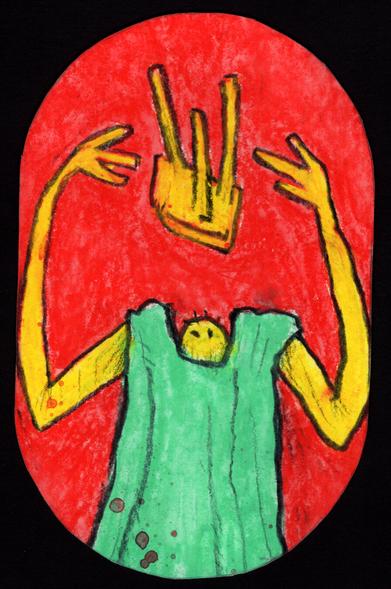
Medicinart capsule 017/44 Title: Throw Up Tripod
#art #analogue #noai #handmade #pocketsized #healing #tripod #throwup #trance #pythia