 DoomsdaysCW
Well-said, @programmablecat ! To me, #SolarPunk is about sharing ideas, resources, plants, books, and fixing stuff, growing stuff, being in touch with the natural world, embracing technology that nurtures nature, not destroys it, building community with others (not just online), etc., etc...
@rooftopjaxx You know, I had toyed around with using the hashtag, #PracticalSolarPunk -- since I'm all about folks putting ideas into action!
RE: https://kolektiva.social/@DoomsdaysCW/116115416856903383
Heh. So far, so good. Reminding myself of planned topics for #SolarPunkSunday !
The Complete Beginner’s Guide to Greywater Systems
"There’s a reason that a key component of green building is water efficiency and reuse. Nationwide water use statistics are nothing short of staggering. According to the U.S. Environmental Protection Agency (EPA), the average American uses 82 gallons of water per day. Nationwide, landscape irrigation and other outdoor uses account for nearly one-third of all residential water use, average, totaling nearly 8 billion gallons per day. And some experts estimate that as much as 50 percent of water used for irrigation is wasted due to evaporation, wind, or runoff caused by inefficient irrigation methods and systems. That means billions of gallons of clean, fresh water is wasted daily, due to ineffective irrigation systems.
You may be thinking, 'there’s got to be a better way. How can I reduce my home’s outdoor water use?' You’re in luck — there’s a very simple, easy, and inexpensive way to do so. Greywater systems redirect greywater (water used for washing) from going into the sewer system and into an irrigation system instead. For any eco-friendly home, recycling usable water is definitely something to seriously consider. Installing a greywater system means you’ll conserve water and reduce your monthly utility bills, all while providing valuable nutrients to your landscape and garden.
There’s a reason that a key component of green building is water efficiency and reuse. Nationwide water use statistics are nothing short of staggering. According to the U.S. Environmental Protection Agency (EPA), the average American uses 82 gallons of water per day. Nationwide, landscape irrigation and other outdoor uses account for nearly one-third of all residential water use, average, totaling nearly 8 billion gallons per day. And some experts estimate that as much as 50 percent of water used for irrigation is wasted due to evaporation, wind, or runoff caused by inefficient irrigation methods and systems. That means billions of gallons of clean, fresh water is wasted daily, due to ineffective irrigation systems.
You may be thinking, “there’s got to be a better way. How can I reduce my home’s outdoor water use?” You’re in luck — there’s a very simple, easy, and inexpensive way to do so. Greywater systems redirect greywater (water used for washing) from going into the sewer system and into an irrigation system instead. For any eco-friendly home, recycling usable water is definitely something to seriously consider. Installing a greywater system means you’ll conserve water and reduce your monthly utility bills, all while providing valuable nutrients to your landscape and garden.
What is greywater?
Greywater is the name given to water that’s already been used for washing purposes, like laundry, handwashing, showering, and bathing (NOT water that’s been in contact with feces, like from the toilet or washing diapers). Greywater systems, then, are used to redirect and recycle this 'once-used' water for other purposes. Greywater may look unclean (it does have the characteristic 'grey' tint, after all), but it’s perfectly suitable for watering the garden, irrigating your trees, and more.
Is greywater safe for plants?
For the purposes greywater typically serves, like irrigating landscaping, ornamental gardens, or trees, greywater is safe (if you use the right cleaners and body care products) — and can even be beneficial. Greywater contains traces of dirt, food, grease, and hair, which become pollutants when released into bodies of water. But to plants, these things are nutrients and valuable fertilizers. This makes greywater an even better option for watering and irrigation than regular water!
(Note: If you want to use greywater for your vegetable garden, just be sure it doesn’t touch any edible parts of the plant.)"
Learn more:
https://elemental.green/complete-beginner-guide-to-greywater-systems/
#SolarPunkSunday #Solarpunk #PracticalSolarPunk #Graywater
#GreywaterSystems #WaterConservation
#WaterIsLife #LoTech #LowTech
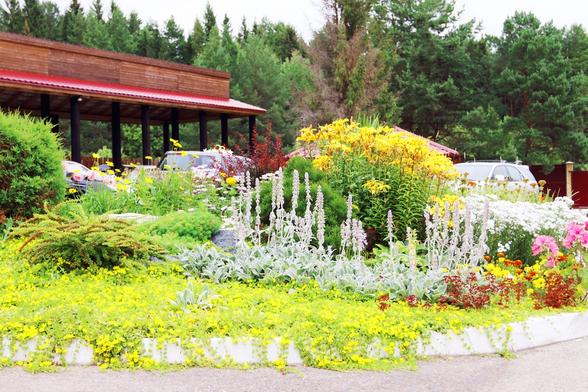
How To Build A #DIY #Greywater System (Complete Guide)
January 9, 2022 by Dylan Crosbie
"Welcome to our complete guide to building your DIY greywater system!
A greywater system will decrease your carbon footprint, save water and decrease your utility bills. The system recycles water from your home and allows you to use it again for irrigation and flushing toilets.
It can be a simple, low-tech system that will be cost-effective in the long run and lower your water usage by up to 40%."
Learn more:
https://climatebiz.com/diy-greywater-system/
#SolarPunkSunday #Solarpunk #PracticalSolarPunk #Graywater #GreywaterSystems #WaterConservation #WaterIsLife #LoTech #LowTech
Ooooh... I just found the date for the next #RipeForRepair meetup in #PortlandME, and also some cool events at the #PortlandPublicLibrary (building #Habitat, #SeedSwaps, etc). What #SolarPunk related events are happening where you are? The #SolarPunkSunday team wants to know!!!
#RepairCafes #ToolLibraries #ToySwaps #ClothingSwap #Mending #Workshops #CircularEconomy #Sharing #BuildingCommunity #PracticalSolarPunk
 Solar🌄Garden
@froge
I am now trying #practicalSolarPunk -- only me following last time I looked. What do you reckon, or any better ideas?
@mk30 you need a #bicycle-based builder! Keep it lightweight. Any #Hawaii #practicalSolarPunk's? https://climatejustice.social/@wavesculptor/115945537245173599