 Johnny J. Blair
SUNDAY MATINEE MUSIC VIDEO + HAPPY HEAVENLY BIRTHDAY to David Cassidy.
https://www.youtube.com/watch?v=iDb4zDaBVpo
#davidcassidy #partridgefamily #fx #davyjones #monkees #wreckingcrew #johnnyjblair #felipetorres #davidrobicheau
SUNDAY MATINEE MUSIC VIDEO + HAPPY HEAVENLY BIRTHDAY to David Cassidy.
https://www.youtube.com/watch?v=iDb4zDaBVpo
#davidcassidy #partridgefamily #fx #davyjones #monkees #wreckingcrew #johnnyjblair #felipetorres #davidrobicheau

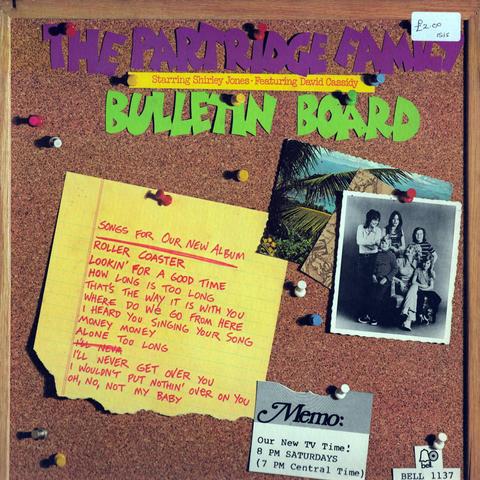
I Think Olive You
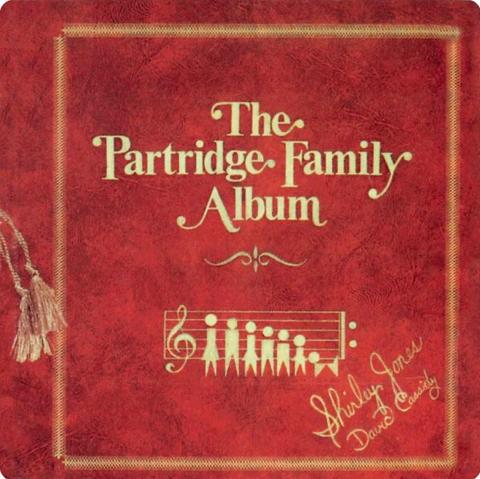
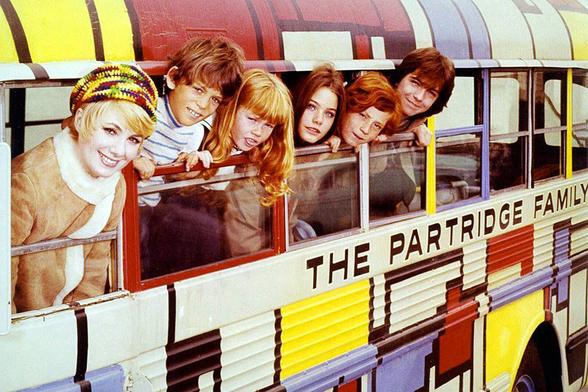
The Partridge Family
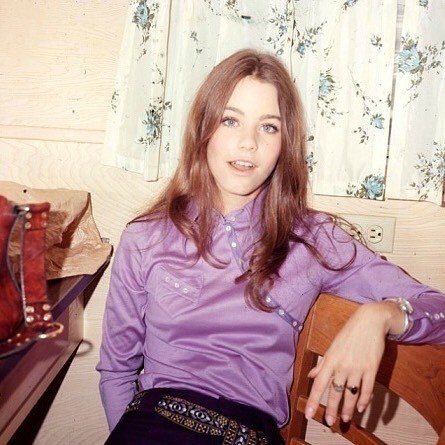
The 1970s in the United States, as seen through the innocent, yet perceptive eyes of a child, was a period marked by profound cultural, political, and religious shifts. The 1970s were a decade where the vibrant promises of the 60s’ counterculture movements began to clash with the realities of ongoing political strife and societal change. The Vietnam War lingered in the background, its echoes felt in living rooms across the nation, while the Watergate scandal shook the foundations of public trust in government. Amidst this backdrop, the civil rights movement, women’s liberation, and a burgeoning environmental consciousness were reshaping the American social landscape.
In homes where conversations often revolved around these turbulent topics, children witnessed an era grappling with identity. The religious landscape was no less complex, with traditional beliefs beginning to be questioned or redefined, creating a toxic concoction of both spiritual seeking and skepticism. It was a time when the pillars of society — politics, culture, and religion — were under scrutiny and often in a state of flux.
For many children, television became a sanctuary from this overwhelming tidal mass of change and uncertainty. It offered an escape into worlds where laughter and simplicity reigned, a stark contrast to the often confusing and somber realities outside their windows. Television shows of the 70s, crafted by visionaries like Garry Marshall, Sherwood Schwartz, Glen A. Larson, and Bernard Slade, provided not just entertainment but a respite, a place where young minds could find solace and distraction from the pressing issues of the day.
These shows were more than mere diversions; they were windows into alternate realities where problems could be solved in thirty-minute increments, where families, though sometimes unconventional, were places of unconditional love and support, and where adventures and mysteries offered a sense of wonder and excitement. In a world that seemed increasingly complex and at times, repressive, television became a realm of liberation and imaginative freedom for the children of the 1970s, subtly shaping their perceptions, values, and dreams in an era of relentless transformation.
The 1970s were a decade vividly etched in cultural memory, not just for its seismic social shifts but for its indelible imprint on the landscape of television. In this crucible of creativity, four maestros — Garry Marshall, Sherwood Schwartz, Glen A. Larson, and Bernard Slade — wove narratives that shaped not only entertainment but the moral fabric of a generation.
Garry Marshall
Garry Marshall, born in the Bronx, New York, as Garry Kent Maschiarelli, emerged as an important figure in television and film. His journey in entertainment began in the 1960s as a joke writer for comedians and a writer for shows like “The Dick Van Dyke Show.” Marshall’s major breakthrough came with the creation of “The Odd Couple,” followed by iconic 70s sitcoms such as “Happy Days,” “Laverne & Shirley,” and “Mork & Mindy,” blending humor with relatable, character-driven stories. He transitioned into film directing with hits like “Pretty Woman” and “The Princess Diaries,” showcasing his knack for heartwarming narratives. Known for his mentorship and warm nature, Marshall passed away in 2016, leaving behind a legacy as a beloved storyteller and cultural influencer.
“Happy Days” (1974-1984)
The Heart of the Show: Ah, Garry Marshall’s “Happy Days,” a delightful time capsule to the 50s and 60s. With the Fonz and the Cunninghams, it felt like stepping into a world where problems could be solved over a milkshake at Arnold’s.
What It Gave Us: More than nostalgia, “Happy Days” gave us a sense of continuity during the ever-changing 70s. It was a reminder of simpler times, sure, but also a beacon of enduring values like friendship, respect, and standing up for what’s right.
“Laverne & Shirley” (1976-1983)
The Lowdown: Spun off from “Happy Days,” this was Garry Marshall’s toast to female empowerment. Laverne and Shirley were not just characters; they were symbols of independence, resilience, and the enduring power of friendship.
Why It Shone: In an era where women were finding their voice, this show was a rallying cry in sitcom form. It showed us that women could be funny, strong, and unapologetically themselves.
“Mork & Mindy” (1978-1982)
The Quirky Bits: Trust Garry Marshall to bring an alien into our living rooms and make us love him! “Mork & Mindy” was a masterstroke in using humor to talk about… well, everything! From human nature to social issues, all through the eyes of a lovable extraterrestrial.
The Impact: Robin Williams, as Mork, wasn’t just a comedian; he was a teacher of sorts. Through laughter, he made us think and, more importantly, made us feel. It was a show that celebrated differences and embraced the oddballs in all of us.
Sherwood Schwartz
Sherwood Schwartz, born in Passaic, New Jersey, rose to prominence in television with a career that started as a radio writer in the 1940s. After serving in the U.S. Army during World War II and contributing to shows like “The Red Skelton Show” and “I Love Lucy,” Schwartz created two of the most iconic TV series of the 20th century: “Gilligan’s Island” and “The Brady Bunch.” These shows, known for their humor and unique characters, became cultural touchstones, reflecting and influencing American society’s changing dynamics. Schwartz’s simple yet impactful storytelling style left a lasting imprint on television, and his legacy continued until his passing in 2011.
“The Brady Bunch” (1969-1974)
What’s the Story?: Created by the ever-imaginative Sherwood Schwartz, “The Brady Bunch” was about as close as you could get to a patchwork quilt in sitcom form. A blended family with six kids! It was like watching a lovable circus act that somehow managed to get along under one roof.
Why It Mattered: This show was more than just fluff. It gently nudged the idea of what a ‘normal’ family could look like, weaving a narrative where love wasn’t limited by bloodlines. In a way, it whispered to us that change was okay, and family was what you made of it.
“Gilligan’s Island” (1964-1967)
The Gist of It: Another gem from Schwartz’s treasure chest, “Gilligan’s Island” was the ultimate escape – seven castaways, each a caricature of society, stuck on an island. It was like a social experiment wrapped in coconut shells and slapstick comedy.
Its Echoes: Amidst its laughter, the show was a microcosm of society. It taught us, in its own goofy way, about the beauty of differences and the strength found in coming together. It was a lesson in teamwork, dressed up in tropical shirts and silly antics.
Glen A. Larson
Glen A. Larson, born in Long Beach, California, was a defining figure in television, especially known for his work in the 1970s and 1980s. Larson’s career transitioned from music to television writing, where he contributed to shows like “The Fugitive.” He created several iconic series, including the cult classic “Battlestar Galactica” and the action-packed “Knight Rider,” blending science fiction with contemporary issues. His other works like “Magnum, P.I.” and “The Fall Guy” showcased his versatility across genres. Known for integrating cutting-edge technology and special effects in his storytelling, Larson’s influential work continued to inspire and entertain until his passing in 2014.
“Knight Rider” (1982-1986)
What Was It About?: Glen A. Larson’s “Knight Rider” was like a love letter to the future. A talking car, KITT, paired with a crime-fighting heartthrob. It was action-packed, sure, but there was something more…
Why It Stood Out: This show made technology cool and approachable. It whispered promises of a future where gadgets weren’t just tools but partners in making the world a better place. It was a heady mix of adventure and a glimpse into a future that seemed as exciting as it was possible.
Bernard Slade
Bernard Slade, a Canadian-born writer and playwright, began his career in entertainment as an actor before shifting to television writing. He contributed to popular 1960s shows like “Bewitched” and “The Flying Nun” before creating the iconic “The Partridge Family” and the groundbreaking “Bridget Loves Bernie,” known for their humor and exploration of family dynamics and societal issues. Slade also achieved success on Broadway with plays like “Same Time, Next Year,” earning critical acclaim for his emotionally rich and humorous storytelling. His work, characterized by a focus on human relationships and family, left a lasting impact on both television and theater until his passing in 2019
“The Partridge Family” (1970-1974)
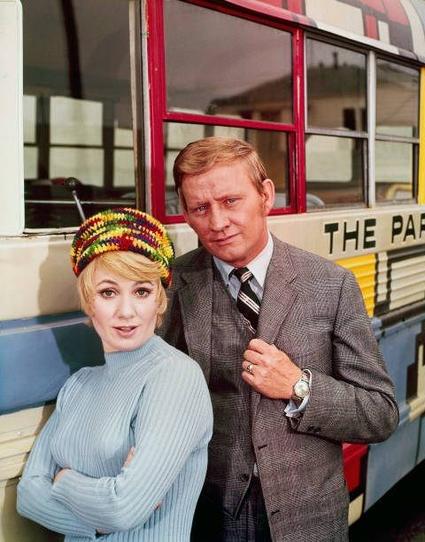
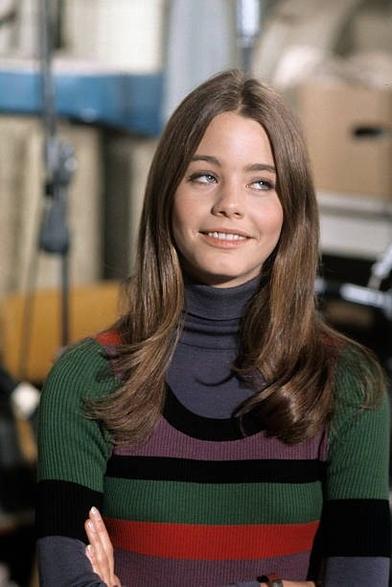
The Beat of the Show: Bernard Slade struck a chord with “The Partridge Family,” a show that was like a warm, melodic breeze. It followed the adventures of a widowed mother and her kids who form a pop band. Not your everyday family dynamic, but that was the charm!
Why It Sang to Us: This wasn’t just a show about catchy tunes and groovy outfits. It was about family sticking together through thick and thin, about chasing dreams and the power of music to bring people together. In a time of changing family values, “The Partridge Family” was like a reassuring pat on the back, telling us that families come in all shapes and tunes.
“Bridget Loves Bernie” (1972-1973)
The Heart of the Matter: Now, “Bridget Loves Bernie” was a bit of a comet – bright, beautiful, and gone too soon. This show took on the bold theme of an interfaith marriage, a topic that was pretty daring for its time.
Its Lasting Whisper: Though it had a brief run, the impact of “Bridget Loves Bernie” was significant. It opened up conversations about religious tolerance, love, and understanding. It was like a gentle nudge to look beyond our differences and find common ground in love and respect. A true trailblazer, that show was.
Bernard Slade, with his keen eye for the complexities of human relationships and a heart big enough to embrace them all, gave us shows that were not just entertaining but enlightening. They added depth to the colorful canvas of 70s television, offering stories that resonated with sincerity and warmth. In a decade known for its shifts and swings, Slade’s creations were like a comforting arm around the shoulder, reminding us of the enduring power of love, music, and understanding.
The Lasting Impact
These shows, in their varied hues, did more than entertain. They educated, enlightened, and shaped the moral expectations of their viewers. Through laughter, drama, and familial warmth, they offered a mirror to society, reflecting its complexities and simplicities alike.
This was television not just as a pastime, but as a potent medium of social commentary and moral shaping. As someone who grew up basking in the glow of their stories, I can attest to their profound impact. They weren’t just shows; they were the moral compasses of a generation, guiding, challenging, and nurturing us into a future that they had, in part, helped to mold.
This was television as a compass for the soul, guiding a child through the perplexing labyrinth of their era and equipping them with the moral fortitude for the century ahead. In a time when the world outside seemed embroiled in conflict and contradiction, these shows illuminated paths of understanding, empathy, and resilience. They taught lessons of love transcending familial norms in “The Brady Bunch,” championed the spirit of perseverance and friendship in the face of adversity in “Gilligan’s Island,” and offered glimpses of a future where technology and humanity could coexist harmoniously in “Knight Rider.”
Thus, as these children stepped into the burgeoning light of the new century, they carried with them more than just fond memories of television shows. They bore the imprints of lessons learned in those formative years – ideals of justice, equality, environmental stewardship, and an unyielding belief in the power of human goodness. In the laughter, the adventures, the drama, and the simplicity of 1970s television, there lay the foundational stones for living a life of moral rectitude in an ever-evolving world. As they navigated the complexities of the new millennium, the echoes of these shows whispered continuously, a gentle reminder of a time when television was not just a pastime, but a profound teacher of life’s greatest virtues.
Each of these shows were a chapter in the great American storybook of the 70s. They weren’t just killing time between commercials; they were shaping hearts and minds. They taught us about family, about acceptance, about dreaming big and laughing often. In a world that seemed to be spinning a bit too fast, these shows were like a comfy couch we could plop onto and find a moment’s peace. They were more than entertainment; they were companions in our journey, guiding us, in their own unique ways, towards a future filled with hope, understanding, and a generous sprinkle of laughter.
Share this:
#1970 #bernardSlade #garryMarshall #gilligansIsland #glenALarson #happyDays #partridgeFamily #sherwoodSchwartz #television #theFallGuy

The 1970s in the United States, as seen through the innocent, yet perceptive eyes of a child, was a period marked by profound cultural, political, and religious shifts. The 1970s were a decade wher…
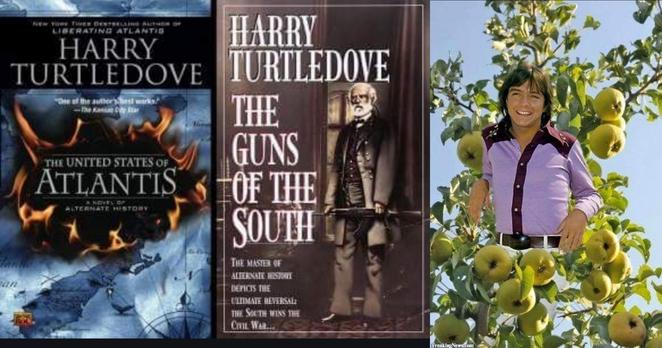
(It's #HootinTootinTuesday again! Post some jokes or funny memes under this hashtag today, and bring lots of smiles to #Mastodon.)
#Humor #Humour #FunnyMeme #Xmas #ChristmasMeme #ChristmasHumor #TwelveDaysOfChristmas #Christmas #12DaysOfChristmas #HarryTurtledove #PartridgeFamily #DavidCassidy #ClassicTV #1970sTV
 🔞Amber🔞
 Monocled Alchemist
 Jeffy 🏳️⚧️🏳️🌈🇺🇦 ❤️🇱🇺
 Enemy of Average
 Death Cabbage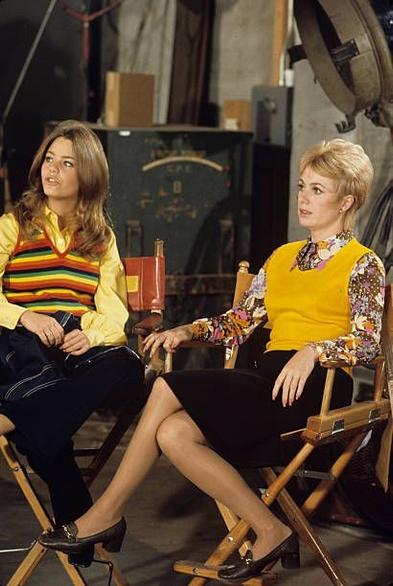
 David Boles
 AnneTheWriter
 Retro Librarian