So, even if some peat (Canadian peat) is allegedly harvested *sustainably*, I'm thinking this article lays out the problems with using #Peat succinctly and without the hype!

#CornellCooperativeExtension - #PeatMoss and #Sustainability

Excerpt: "Besides #overharvesting, #PeatBogs, #Fens and #PeatSwamps are threatened by climate change, habitat and nearby developments that can change the nature of surrounding areas. They are sensitive to disturbance. There is research that suggests that harvesting of peat bogs adds to climate change by releasing carbon stored in these bogs.

"Peat bogs and fens in America are where #CarnivorousPlants, like #sundews, #bladderworts and #PitcherPlants, and #BogOrchids live side-by-side. The acidic nature of bogs/fens and humidity create the perfect environment for peat moss, orchids and carnivorous plants. #Peatlands are also home to other species that rely on their composition. #Turtles, birds such as #PalmWarblers and #EasternTowhees, #snakes and #grouse, to name a few.

"There are alternatives to peat moss that are more sustainable. #CocoCoir is a material made from the fibers of the coconut husk. When dried, it is packaged into bricks. Once re-hydrated, it can be used in garden containers to both absorb water and keep the soil from drying out. It can be used in the potting mix or on top of the soil instead of mulch. #RiceHulls can be used for drainage in container plant pots. Both coco coir and rice hulls are sustainable. Additionally, #compost can be used in place of peat moss. Coco coir, rice hulls and compost can all be used alone or mixed in with a commercial potting mix to make using peat moss more sustainable."

Learn more:
https://cce.cornell.edu/orleans/peat-moss-and-sustainability

#SolarPunkSunday #PeatAlternatives #PottingSoil #Sustainability #Gardening #GrowYourOwn #CoconutCoir

Improving seed supply for restoration

"More than 52 million hectares of land across Australia is degraded. Degraded land lacks biodiversity and the natural balance of healthy ecosystems, making it unfit for wildlife or cultivation. This means we are losing the benefits that healthy ecosystems provide for nature and people."

"To counter this threat, Australia signed the Global Biodiversity Framework in 2022, pledging to ensure 30% of degraded ecosystems are “under effective restoration” by 2030. That’s roughly 15.6 million hectares of land across the nation."

"To kick-start ecosystem recovery, governments, environmental managers and landholders often plant a diverse mix of native species on degraded land. The crucial word here is diverse....Only about 10% of Australia’s plant species, or 2,992 species, can be bought as seed."
>>
https://theconversation.com/only-10-of-native-plants-can-be-bought-as-seed-a-big-problem-for-nature-repair-heres-how-we-can-make-plantings-more-diverse-228899
#biodiversity #NativePlants #flora #restoration #reforestation #seeds #LandDegradation #GBR #understorey #OverHarvesting #Australia #degradation
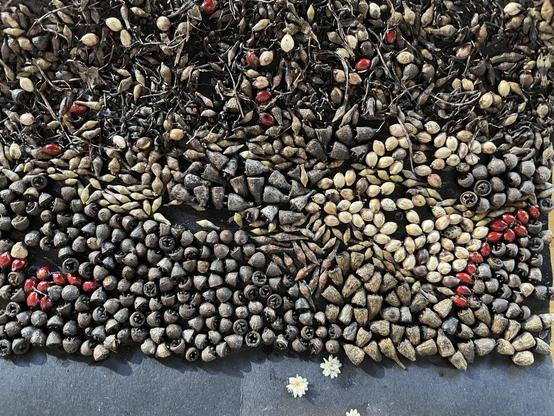
Only 10% of native plants can be bought as seed – a big problem for nature repair. Here’s how we can make plantings more diverse

The need to restore native vegetation is clear, but we can’t properly repair nature without good, diverse supplies of native seeds.

The Conversation