 Spirituality & Religious Studies
Twelve Ornaments
This is a group of ancient Chinese symbols & designs that are considered highly favorable. They were used in the decoration of textile fabrics in ancient China. These signified authority & power. They were embroidered on the vestments of state.
According to the Book of Documents, the 12 Ornaments were referred by Emperor Shun, 1 of the legendary 3 Sovereigns & 5 Emperors, as being ancient in his time. Oral traditions say that he lived sometime between 2294 & 2184 BC.
According to the book, the emperor wished for the symbols to be used on official robes of the state. Only the emperor had the right to wear the complete set of 12 emblems painted, or embroidered, on his robes of ceremony.
The 12 Ornaments were used in different amounts. It could indicate different social ranks. For example, in 59 AD during the Eastern Han Dynasty, it’s identified that the 12 Ornaments concern the sun, moon, & star had been used for the emperors while 9 Ornaments concerned mountains & dragons should be used by 3 councilors, Duke’s, & princes. 9 ministers & lower ranking officials had to use 7 Ornaments concerning pheasants.
The 12 Ornaments featured in the 12 Symbols of the national emblem of China, which was the state emblem from 1913 to 1928. The 12 symbols were used as insignia for reigning emperors, empresses, & the immediate members of the imperial family.
The portrait of the Wanli Emperor (1563-1620) in his mianfu featuring all 12 Ornaments. Mianfu is a kind of Chinese clothing in the traditional clothing of the Han people of China.
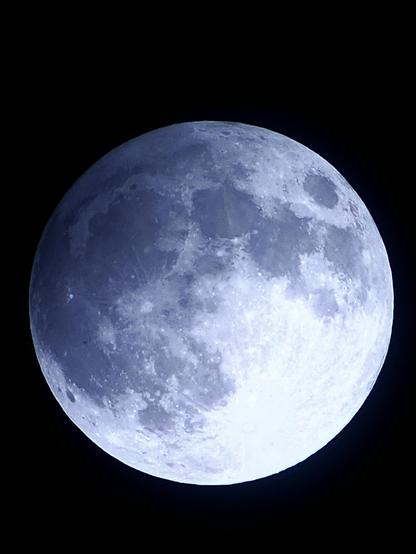
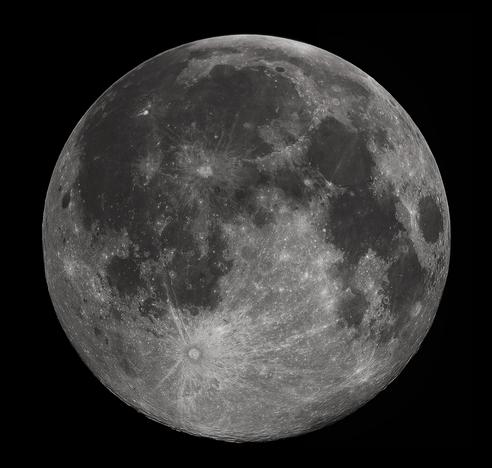
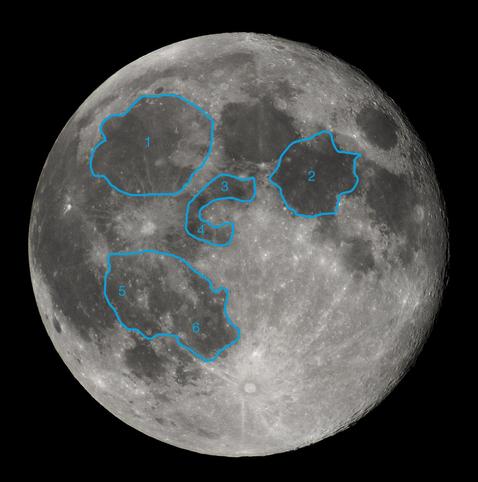
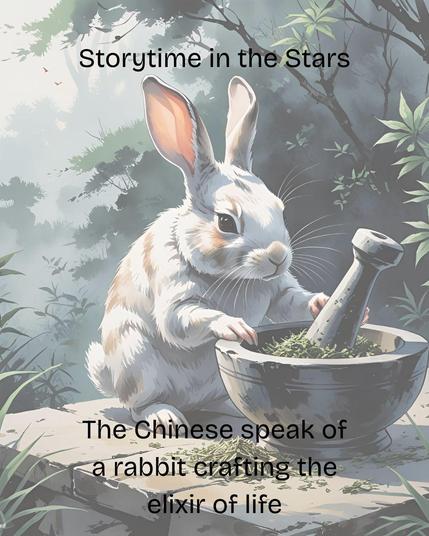
On the Upper Robe: The sun with the 3-legged crow; the moon with the moon rabbit in it, who’s constantly pounding the elixir of life; the 3 stars, which could also be the Fu Lu Shou stars, which symbolize happiness, prosperity, & longevity; the sacred mountains, which symbolizes stability & tranquility; the dragon, symbol of adaptability & strength; & the pheasant, which can be considered the Phoenix (fenguang), symbol of peace & refinement.
The dragon & phoenix represent the natural world. In yin & yang terminology, a dragon is male (yang) & the phoenix is female (yin). So, the emperor is often identified as the dragon & the empress was the Phoenix. This was also reflected in the robes they wore.
On the Lower Robe: There are 2 cups, which are sacrificial utensils. Sometimes they feature patterns containing each a tiger & a monkey. They symbolize faithfulness & respect; a spray of pondweed or algae, a symbol of brightness & purity; fire, which symbolizes nourishment & the country’s agriculture, also wealth; an axe, the symbol of courage & resolution, also executive justice; & the figure underneath the axe represents animals with their backsides together. This symbolizes the capability to make a a clear distinction between right & wrong.
In Japan, Emperor Monmu introduced the 12 Ornaments via the Taiho Code, which was enacted in 703. Gojong of Korea used the 12 Ornaments on his enthronement (myeonbok) costume when he proclaimed himself Emperor of Korea in 1897. This followed the dress system of ancient China.
In the enthronement (myeonbok) costume of Korean emperors could only use 9 out of the 12 Ornaments. Only the Chinese emperors could wear all 12 Ornaments. It was only after Gojong proclaimed the Korean Empire, equal to China, that he was allowed to wear all 12.
The myeonbok, featuring the 12 Ornaments, continue to be used in the Korean imperial household’s Jongmyo Daejae ancestor-worship ceremony.
Nowadays, these Chinese symbols have lost most of their significance & are mostly used to decorate clothing.
One-Time Monthly YearlyMake a one-time donation
Make a monthly donation
Make a yearly donation
Choose an amount
$1.00 $5.00 $10.00 $1.00 $5.00 $10.00 $5.00 $10.00 $15.00Or enter a custom amount
$Your contribution is appreciated.
Your contribution is appreciated.
Your contribution is appreciated.
DonateDonate monthlyDonate yearly
#1563 #1620 #1897 #1913 #1928 #2Cups #2184BC #2294BC #3Sovereigns #3LeggedCrow #5Emperors #59AD #703 #AncestorWorship #AncientChina #Axe #BookOfDocuments #China #Chinese #Dragon #EasternHanDynasty #ElixirOfLife #EmperorMonmu #EmperorOfKorea #EmperorShun #EnthronementCostume #Fenghuang #FuLuShouStars #GojongOfKorea #HanPeopleOfChina #Japan #JongmyoDaejae #KoreanEmpire #LowerRobe #Mianfu #MoonRabbit #Myeonbok #Pheasant #Phoenix #Pondweed #TaihoCode #Tiger #TwelveOrnaments #UpperRobe #WanliEmperor
 Camellia Tea Ceremony


 Tasarla Romaney
 Ana Maria Selvaggio
 Ele Willoughby, PhD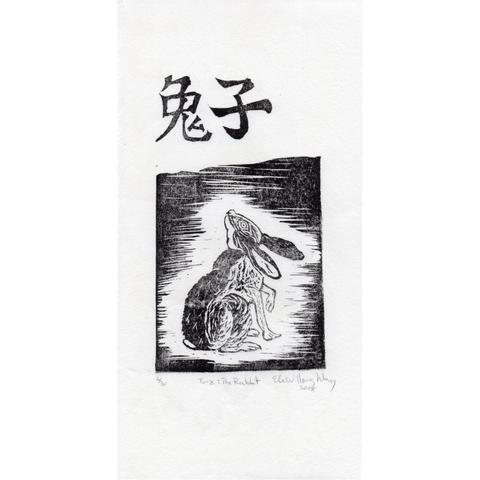
 Brielle h

 J_dubs