mrmedonlinepharmacy: Understanding Parkinson's Disease: Key Symptoms, Causes, and Early Warning Signs
Parkinson’s disease is often misunderstood, with its symptoms dismissed as ordinary signs of ageing. This nerve disorder, however, is a progressive condition that deserves immediate attention and awareness. Early diagnosis can be life-changing, enabling patients and caregivers to navigate its challenges with better preparation and support. In this blog, we’ll explore the key symptoms, causes, and early warning signs of Parkinson’s disease, alongside tips for living with it effectively.What is Parkinson’s Disease?Parkinson’s disease is a degenerative neurological condition affecting the central nervous system. It primarily targets motor functions but also extends its impact to non-motor systems, affecting cognition, mood, and overall quality of life. With over 10 million people globally affected, it’s one of the most prevalent nerve disorders.The condition results from the gradual breakdown or death of neurons in a specific brain area called the substantia nigra. These neurons produce dopamine, a neurotransmitter crucial for smooth and controlled body movements. As dopamine levels decrease, motor symptoms such as tremors and rigidity become evident.What are the signs of Parkinson's disease?Parkinson’s disease manifests through a mix of motor and non-motor symptoms:Motor Symptoms:
Tremors: One of the earliest and most noticeable signs. These often begin in the hands or fingers, even when at rest.
Bradykinesia: A slowing of voluntary movement, making daily activities like walking or buttoning clothes more challenging.
Muscle Stiffness: Rigidity in muscles that may limit movement and cause discomfort.
Postural Instability: Impaired balance and coordination, leading to a higher risk of falls.
Non-Motor Symptoms:
Loss of smell (anosmia)
Constipation
Sleep disorders
Mood changes, including depression and anxiety
Understanding these symptoms is crucial for early intervention, which can significantly improve quality of life.What causes Parkinson’s disease?Despite extensive research, the exact cause of Parkinson’s remains unknown. However, several risk factors contribute to its development:
Genetics: About 15% of individuals with Parkinson’s have a family history of the condition. Specific genetic mutations are linked to higher susceptibility.
Environmental Factors: Long-term exposure to toxins like pesticides, herbicides, and heavy metals has been associated with increased risk.
Ageing: While Parkinson’s can occur at any age, its prevalence increases with age, particularly after 60.
Gender: Men are slightly more prone to developing Parkinson’s than women.
Early warning signs you shouldn’t ignoreDetecting Parkinson’s early can make a huge difference in treatment outcomes. Here are subtle signs to watch out for:
Changes in Handwriting: A condition called micrographia, characterised by smaller and more cramped handwriting.
Loss of Smell: Difficulty recognising everyday odours like coffee or spices may signal early Parkinson’s.
Masked Facial Expression: Reduced expressiveness or a constant “serious” look.
Shifts in Sleep Patterns: Sudden thrashing movements during sleep could indicate a neurological issue.
Softening of Voice: Speech may become low in volume or monotonous.
These signs are often subtle, leading to delays in seeking medical advice. Raising Parkinson's Disease Awareness is vital to address this challenge.What is the best way to manage Parkinson's disease?There’s no definitive test for Parkinson’s disease. Diagnosis relies on a detailed medical history, neurological examination, and observation of symptoms over time.Treatment Options:
Medications: Medicines like Xafinact 50 mg tablet containing safinamide can help manage symptoms by improving dopamine levels in the brain.
Surgical Interventions: In severe cases, procedures like deep brain stimulation (DBS) can offer relief.
Physical Therapy: Regular exercise improves mobility, balance, and flexibility.
Living with Parkinson’s: Tips for Patients and Caregivers
Stay Active: Low-impact activities like yoga, swimming, or tai chi can boost flexibility and mood.
Seek Support: Join a support group to connect with others facing similar challenges.
Nutrition Matters: A diet rich in antioxidants and omega-3 fatty acids can support brain health.
Adapt Your Home: Remove tripping hazards and install safety features like grab bars.
Parkinson’s disease is a multifaceted condition that requires a holistic approach to care and management. Recognising early warning signs and seeking prompt medical advice can help individuals lead more fulfilling lives despite the challenges. Together, through awareness and research, we can bring hope to those affected by this condition.
 CBC Technology Science
 CBC British Columbia
 CBC Kamloops
 joostruis
 Mathrubhumi English
 News Beep

 MrMed : Online Pharmacy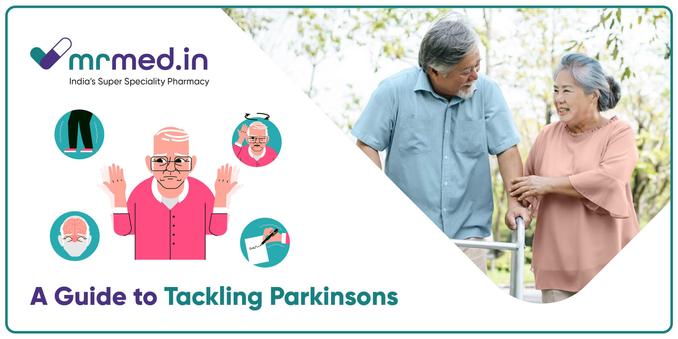

 Matt Willemsen
 Susan Larson ♀️🏳️🌈🏳️⚧️🌈