 Techrm
Understanding major electronic components: an essential guide to analog and digital electronics
#analogueelectronics #capacitor #digital #digitalelectronics #diode #inductor #led #LEDdiode #resistance #resistor #transistor #tutorial

Understanding major electronic components: an essential guide to analog and digital electronics
#analogueelectronics #capacitor #digital #digitalelectronics #diode #inductor #led #LEDdiode #resistance #resistor #transistor #tutorial
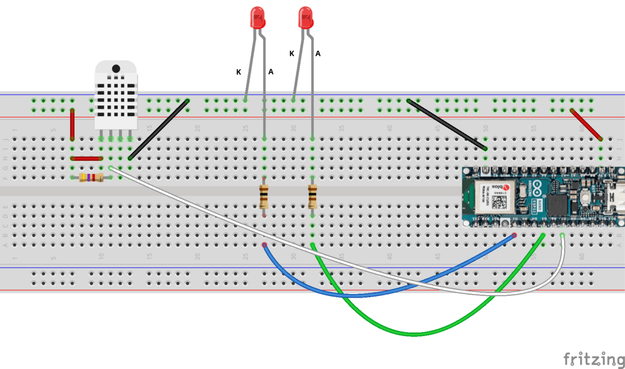
Dimmable LED and environmental measurements: let's interface the Arduino Nano ESP32 to the Arduino Cloud
#arduino,#arduinocloud,#breadboard,#digital,#digitalelectronics,#Dupontcables,#esp32,#internetofthings,#iot,#led,#LEDdiode,#library,#platformio,#PWM,#redLED,#tutorial
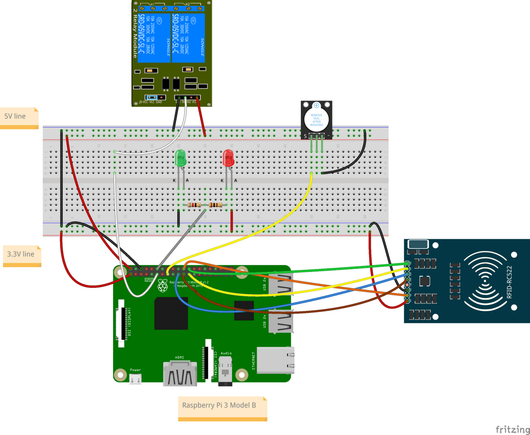
RFID gate access control system. Advanced integration with Raspberry Pi and Telegram
#breadboard,#database,#datalogger,#dictionary,#digital,#digitalelectronics,#Dupontcables,#Flask,#internetofthings,#iot,#json,#led,#LEDdiode,#library,#linux,#Postman,#Python,#Raspberry,#redLED,#relay,#resistor,#RESTAPI,#rfid,#sensor,#sensors,#soldering,#solderingiron,#sqlite3,#telegram,#tutorial,#wifi
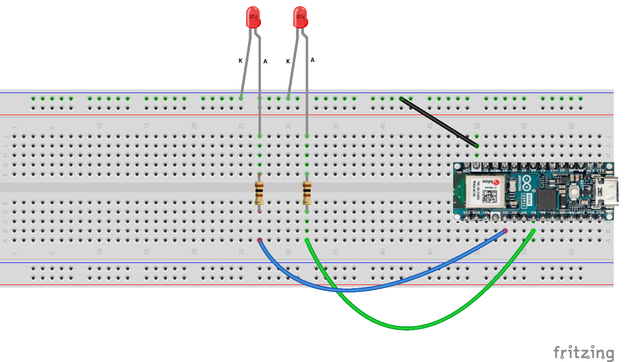
Independent control of two LEDs with Arduino Nano ESP32: a practical introduction
#breadboard,#digital,#Dupontcables,#esp32,#internetofthings,#iot,#led,#LEDdiode,#library,#platformio,#PWM,#redLED,#tutorial
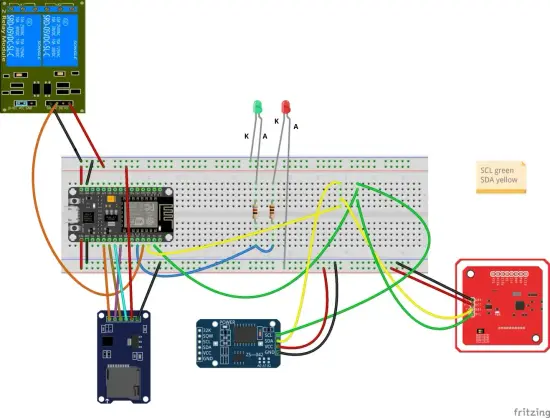
Home security: access control with ESP8266, RFID and Telegram
https://www.techrm.com/home-security-access-control-with-esp8266-rfid-and-telegram/
#breadboard,#dictionary,#digital,#Dupontcables,#esp8266,#internetofthings,#iot,#led,#LEDdiode,#library,#NodeMCU,#platformio,#redLED,#relay,#resistor,#RESTAPI,#rfid,#RTC,#SDcard,#SDcardmodule,#SDcardreader,#sensor,#sensors,#telegram,#tutorial
How to use the Arduino Cloud scheduler with an ESP8266 on PlatformIO
https://www.techrm.com/how-to-use-the-arduino-cloud-scheduler-with-an-esp8266-on-platformio/
#arduinocloud, #breadboard, #cloud, #Dupontcables, #esp8266, #internetofthings, #iot, #led, #LEDdiode, #library, #lightintensity, #platformio, #PWM, #redLED, #resistor, #tutorial
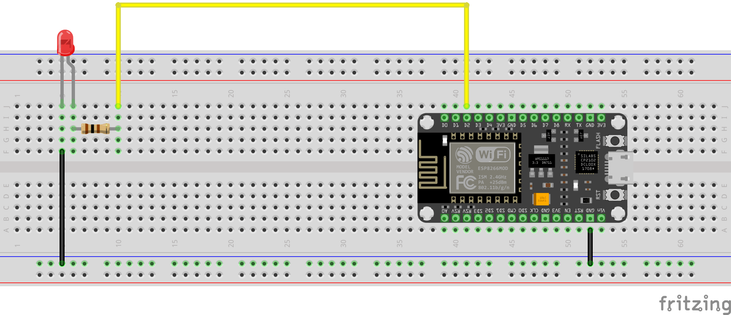
How to create a remote control system of two LEDs with ESP8266,Arduino Cloud and PlatformIO
#arduinocloud, #breadboard, #cloud, #digital, #digitalelectronics, #Dupontcables, #esp8266, #internetofthings, #iot, #led, #LEDdiode, #library, #lightintensity, #NodeMCU, #oscilloscope, #platformio, #PWM, #redLED, #resistor, #tutorial
How to control the brightness of two independent LEDs via PWM signal adjusted by two potentiometers with ESP32 and PlatformIO
#breadboard, #digital, #digitalelectronics, #Dupontcables, #esp32, #internetofthings, #iot, #led, #LEDdiode, #library, #lightintensity, #linux, #NodeMCU, #oscilloscope, #platformio, #potentiometer, #PWM, #redLED, #resistor, #tutorial

The control of the brightness of the LEDs (for example by means of potentiometers) is a fundamental element in the design of electronic systems and in the field of the Internet of Things (IoT). Thanks to PWM (Pulse Width Modulation) technology, it is possible to regulate the brightness of an LED in a precise and controlled way. In this article, we will explore how to use ESP32, a powerful IoT development board, together with the PlatformIO development environment, to control the brightness of two independent LEDs based on the reading of two independent potentiometers.


