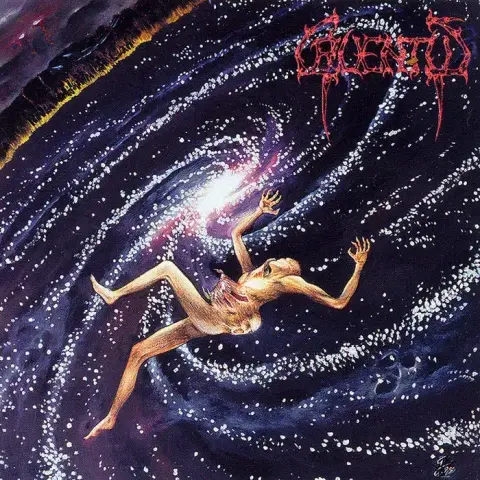
CRUENTUS RE-EMERGES WITH "IN MYSELF"

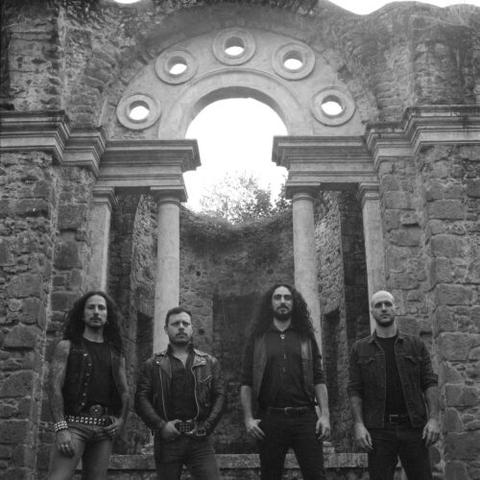
Italian death/thrash metal band Cruentus from Bari, Italy, has released their new album "In Myself". Find out the tracklist and band members.

#Cruentus, #DeathMetal, #ThrashMetal, #NewAlbum, #ItalianMetal

https://newsletter.tf/italian-death-metal-band-cruentus-releases-new-album/

Italian death/thrash metal band Cruentus has released a new album "In Myself" with 7 tracks. This is their first release since 1989.

#Cruentus, #DeathMetal, #ThrashMetal, #NewAlbum, #ItalianMetal
https://newsletter.tf/italian-death-metal-band-cruentus-releases-new-album/

Italian Death Metal Band Cruentus Releases New Album "In Myself" After Long Break

Italian death/thrash metal band Cruentus from Bari, Italy, has released their new album "In Myself". Find out the tracklist and band members.

NewsletterTF
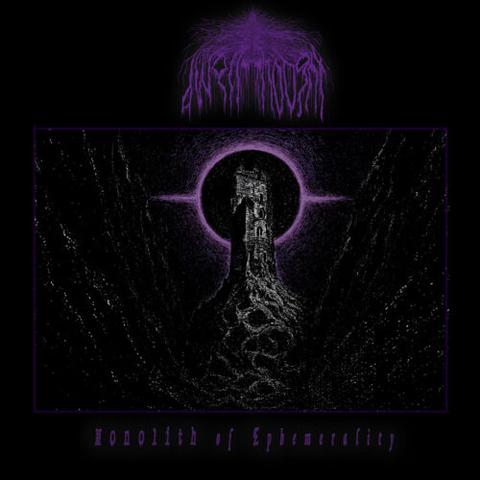
Dwellnought – Monolith of Ephemerality Review By Alekhines Gun

In my hitherto short stint of indefinite indentured servitude in the hall, I’ve frequently noted the importance of albums with narrative. In my younger days, I was a simp for albums with as many tracks as I could find. Deluxe editions? Yes please. Reissues, demos, covers, unreleased bonus cuts? Heck yeah, inject that right into my veins. It’s only as the responsibilities of adulthood overtook casual listening time that I began to appreciate albums with brevity, direction, and a distinct sense of a complete, full-bodied work. Well, everybody buckle in, because somewhere in the ether a big middle finger on a monkey’s paw has curled in my direction, by way of Italy’s Dwellnought, presenting their debut album Monolith of Ephemerality. Oh, we will go on a journey together, alright, but will there be anything left worth recounting of this Monolith on our return?

Despite an album title seemingly indebted to the more thesaurus-riddled branches of slam, Dwellnought actually traffic in a brand of feedback-drenched blackened doom. Atmospheric theatrics are the name of the game, with an album that seeks to deprive the listener of anything approaching light, optimism, or major keys. Rumbling feedback collapses into slow bpm plods with sustained trem-chords filling in the negative spaces in time for single cymbal/bass drum hits before eventually metamorphosing into an earthquake shattering riff while vocalist S bellows and wails from just beyond the mix. The doom takes the biggest prevalence as Monolith of Ephemerality rarely exceeds a brisk trot in pace, with any spurts of speed eventually devolving back into exhausted continuations.

Monolith of Ephemerality by DWELLNOUGHT

Such commitment to crippling atmosphere is admirable, but it comes at the expense of almost everything else. Dwellnought have attempted an unusual formula, channeling the claustrophobia of Teitanblood in production but channeled through an almost Bell Witch chord pacing with occasional flourishes of Ossuary crust-heaving. The formula finds its peak at the beginning, with long-form intro “Slumbering Through the Dream of Impermanence” flowing seamlessly into massive 17-minute barnburner “The Final Desire is Unbeing.” Here is the Dwellnought recipe at its most refined. The otherwise needlessly lengthy intro is atmospheric and mood-setting, with the oscillation of tempo and tone in its follow-up masterfully executed. Within this lengthy run comes segments heavily indebted to drum-machine era Blut Aus Nord gelling into a barbaric Cough waltz with effortlessness. This 20-minute kickoff shows real promise, evoking the abyss with texture as much as color, or lack thereof.

If only the rest of the album followed suit. The quality dip in the back three-fifths represents not a slope as much as a sudden drop-off where memorable songwriting is sacrificed utterly at the altar of mood. The dedication to the mood is palpable, as not one note approaches anything optimistic or upbeat, but in their avoidance of such things, Dwellnought also sidestep memorability or impact. “Crystalized Flesh Identities Condensed into Wombs of Matter” can’t make up its mind whether it wants to be fast or slow and has tempo changes marked more by indecision than deliberate arrangement. Both this and “Ill Whispers” frequently rely on chords ringing out via prolonged strum with minimalized drumbeats, but the notes are mixed so homogenously I struggle to tell if there are actual riffs or if Dwellnought are riding atonality into oblivion. The opening to both tracks borders on self-plagiarism in their similarity, and no single moment of menace comes close to matching the peak of the preceding songs. Additionally, Monolith of Ephemerality ends on a 6-minute assault of nothing but static and a grumbly voice speaking out of the void, which is wild since that’s exactly how “Crystalized Flesh…” ends as well. An attempt at a narrative is clear, and yet this climax is far from earned, given the drought of memorable set pieces to justify such a noise-rooted outro.

And yet, I keep coming back to those first twenty minutes. It takes balls the size of a bird of a plane of ClarkKent1 to open up your already longform album with your highest quality riffs. Had these two songs made up all of Monolith of Ephemerality as a single-track ep (not dissimilar to Suffering Hour’s Dwell, for example), this would make an excellent addition to the end-of-the-year EP roundups. There’s a genuine seed of promise in how Dwellnought have put their best foot forward, but the collapse in quality as the album continues cannot be denied. The mix is massive, the tone dark, the atmosphere oppressive, and the influences are a recipe for a good time. But somewhere along the way, Dwellnought stared so hard into the abyss that eventually even the abyss stopped staring back. All atmosphere and very little riffage, this album is an excellent reminder to be careful what we wish for.

Rating: 2.0/5.0
DR: 5 | Format Reviewed: 320 kbps mp3
Label: Caligari Records
Website: Album Bandcamp
Releases Worldwide: February 20th, 2026

#20 #2026 #BellWitch #BlackenedDoomMetal #BlutAusNord #CaligariRecords #Cough #Dwellnought #Feb26 #ItalianMetal #MonolithOfEphemerality #Ossuary #Review #Reviews #SufferingHour #Teitanblood
Calvana – Sub Janus Review By Andy-War-Hall

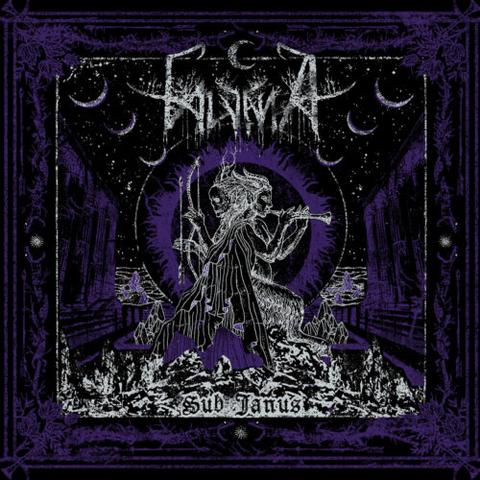
Picture “black metal.” What do you see? Frigid wastelands illuminated by burning churches? Damp crypts beneath gothic cathedrals? Varg’s stupid backyard vlogs? One band would have you consider the picturesque slopes of Tuscany’s sunbathed Calvana mountain region. The anonymous duo of Italy’s Calvana have raised hell in the name of their treasured namesake mountains for over a decade and across two records, delivering belligerent blackened arts they describe as “trend-free,” “rough and robust,” and “never recalling anything remotely modern nor much else from the darkest past.” Their latest opus, Sub Janus, aims to continue this mission of esoteric aggression and deepest darkness, sounding older than even the oldest black metals do. Can Calvana bring defiant pride to their mountains, or should Sub Janus be left in the present-past?

I don’t buy the claim that Calvana are especially enigmatic in sound, but Sub Janus sounds distinct regardless. Evoking Celtic Frost darkness, serrating it with Venom rawness and supercharging it with Immortal aggression, Calvana play simple compositions brought to life by deep atmospheres and overwhelming force. Torrents of classic black metal tremolo blasts are a staple of Sub Janus, and songs like “My Prayer to Diana” and “Meine Süße Sternenkriegerin”1 rage with a take-no-prisoners attitude that showcases this mode of Calvana at their best. When not frothing over maddening speed, Calvana are practitioners of the slow and menacing, evident on the solemn death march of “Summer Storm” or the sinister, bowed string intro of “Carnivore.” Vocally, Calvana’s frontperson sounds like an old Universal monster, groaning and snarling slurred and theatrically all over Sub Janus, and accompanied by searing guitars and bottom-heavy bass Calvana sit in a niche thoroughly theirs while still playing within the tropes of the sub-genre.

Sub Janus by Calvana

Calvana draw from a refined selection of tricks for Sub Janus, lending the album both focus and, unfortunately, a feeling of déjà vu. Most songs move between two modes: starting slow and ending fast or starting fast and ending slow. Both “Twilight Song” and “Death of Pan” open with brief fanfare before bringing the hurt, folding arpeggios over cascading blast beats and walls of guitar before shifting halfway to a halftime pace. This approach is most effective on “Fear Makes You Tame,” where the slow turn sees most of the band drop out entirely while doomy strums and haunting tremolos ring out amidst a discord of tortured wails and screams. It’s silly, campy, but fun. Calvana’s approach of slow-to-fast works usually better, however, as “Summer Storm” and album-highlight “Sorry” build tension through subtle progression and eccentric rhythms that make their rise to full-speed riffage all the more cacophonous. This small playbook makes Sub Janus a repetitive affair. Songs with especially little going on, like “Meine Süße Sternenkriegerin,” “Twilight Song,” and the closer “Sub Janus,” feel substantially longer than their runtimes suggest. Calvana have something working with Sub Janus, but I wish that it had a little more going for that something.

But if Sub Janus is hampered by songwriting woes, then Calvana saved it with lively production and performances. Calvana’s analog production and emphasis on giving the full band a spotlight lends Sub Janus an earthy, full-bodied sound defined by enormity and dynamism. Everything feels just right in the mix, especially the bass guitar, which sounds burly and substantial. Black metal demands furious showmanship and Calvana deliver mightily, spitting hellfire on “Fear Makes You Tame” and lathering “Carnivore” in horror-film dread. This is especially true of the drummer, who plays out of their damn gourd on Sub Janus, pummeling lightning-fast fills on “Death of Pan,” exacting punishment upon their hated crash cymbals on “My Prayer to Diana” and thumping out one gnarly drum groove on “Sorry.” All of this, more than anything on Sub Janus, makes Calvana seem as ancient as they aimed to feel. Sub Janus feels like a relic lost to time, dug from the Earth, bearing an archaic dread and untamed vitriol still vital today.

Tuscany is a beautiful place, but Calvana would have you believe the sun never once shone there on Sub Janus. Its songwriting issues limit the replay value of Sub Janus, and my feelings toward the album have dimmed somewhat over the weeks, but the fire Calvana brought to it definitely makes me want to keep this band on my radar. A fun, dark, and decently paced romp, Sub Janus is worth the time of black metal fans who prefer their tunes musty and damp. Visit sunny blackened Calvana today!

Rating: Good
DR: 8 | Format: 320 kbps MP3
Label: Adirondack Black Mass
Websites: calvana.bandcamp.com | facebook.com/calvana
Release Date: March 20th, 2026

#2026 #30 #AdirondackBlackMass #BlackMetal #Calvana #CelticFrost #Immortal #ItalianMetal #Mar26 #Review #Reviews #SubJanus #Venom
Stuck in the Filter: January 2026’s Angry Misses By Kenstrosity

Finally, the new year is upon us! A fresh start for some, same shit different year for others; mainly, my minions who toil in the mines ducts of the Filter. Since they don’t get any holidays, they probably don’t even fucking know it’s 2026 yet, but that’s okay. As long as they come back to HQ with a substantial haul, their ability to know when it is is immaterial.

These are the sacrifices we (not me, though), make to ensure you get the goods relatively on time-ish. So say thank you!

Kenstrosity’s Freaky Foursome

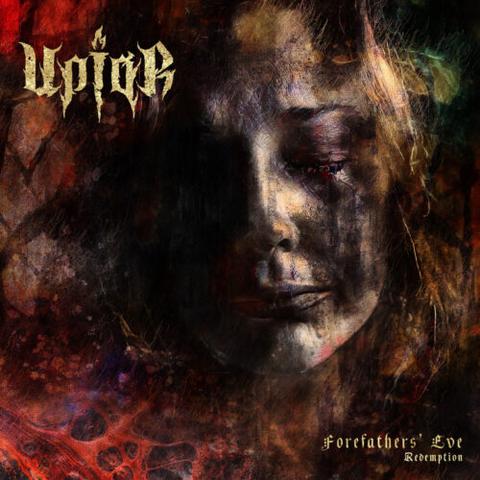
Upiór // Forefathers’ Eve (Redemption) [January 2nd, 2026 – Self Released]

Featuring members of Gorod (Benoit Claus) and Xaoc (Kévin Paradis), Upiór pinged my radar after a certain cosmic Discordian pinged me. A blistering combination of Fleshgod Apocalypse opulence and Wachenfeldt aggression, sophomore release Forefathers’ Eve (Redemption) impressed me immediately as “The Black Paintings ripped my face right off. “A Blessing or a Curse” doubled down on speed, blasting rhythms, and eerie melodies to propel itself straight into my Song o’ the Year long-list. Even with three instrumental interludes, all of which are quite fluffy, Forefathers’ Eve (Redemption) crams pummeling riffs, exuberant percussion, and dramatic lushness into its 51-minute runtime. “Forefathers’ Eve (Part I),” a fantastic companion to Fleshgod Apocalypse’s “Cold As Perfection” without aping its features, conjures a similarly affecting character that draws me in completely. Forefathers’ Eve (Redemption)’s middle section continues to build personality and develop greater dynamics from that point, represented most clearly in melodic riffs and expressive leads/soloing (“The Woman that Weeps”). Leading into its conclusion, a tonal shift towards the dire at this junction foreshadows the imminent release of Upiór’s second act, Forefathers’ Eve (Damnation) (due in early April), charring songs like “Forefather’s Eve (Part II)” and “Between the Living and Dead” with blackened rabidity and dissonant flourishes. All of this to say, Upiór launched this latest arc with a striking blow, and I can only imagine what’s in store for Damnation.

Forefathers’ Eve (Redemption) by Upiór

KadavriK // Erde666 [January 9th, 2026 – Self Released]

Germany’s melodic death metal quintet KadavriK have been cranking out records since 2007, but I only heard about them this year, once again, thanks to Discord. Erde666, their fifth outing, takes an unorthodox and progressive approach to melodic death metal, which makes comparisons difficult to draw. Stripped down and raw in some moments, mystical and lush in others, Erde666 is all about textures. Its opening title track explores that spectrum of sounds and philosophies to its fullest, even drawing heavy influence from blues, psychedelia, and sludge at times (“Getrümmerfreund”), but it all coalesces seamlessly. Following up an opener as strong as that would be a tall order for anyone, but KadavriK are clever songwriters, and the long form served them well even compared to the more straightforward tracklists of previous installments (“Nihilist,” “Das Ende Des Anthropozäns”). Off-kilter guitar melodies countered against twinkling Kalmah synths and sweeping strings do a lot of work to elevate and liven the crushing chords of their high-impact riffs as well, which adds a ton of interest into an already unconventional melodic death record (“Widerhall”). All of this makes for a record that might not be as immediate or fast-paced as most aim for in this space, but, counterintuitively, significantly more memorable. Don’t sleep on this one, folks!

Erde 666 by KadavriK

Luminesce // Like Crushed Violets and Linen [November 20th, 2026 – Self Released]

Prolific at a scale I haven’t witnessed since Déhà, Luminesce mastermind Alice Simard, based in Québec, piqued my curiosity for the first time with Like Crushed Violets and Linen, her sophomore effort under the Luminesce moniker. Boasting machine-gun rapidity (“Exploited Monochromaticism”), off-kilter rhythms (“Silver”), and a downright romantic sense of melody (“Like Crushed Violets and Linen,” “Lamp of Fulguration”)—countered by lyrical themes ranging from guilt complexes to gender identity (“To Restore”)—Like Crushed Violets and Linen is a deeply personal record forged in a melodic technical death metal mold. And as such a record, it recalls the vicarious guitar pyrotechnics of Inferi and Obscura while securing a melodic sensibility more in line with neoclassical composition (“The Covenant of Counterfeit Stars”). Unlike many of her contemporaries, however, Alice is a master of editing. Filled with killer ideas and instrumental wizardry without involving a drop of bloat, each of these seven songs coalesce into a buttery-smooth 30-minute excursion that punches far above its feathery mass. The addition of delightful chiptune dalliances helps distinguish Luminesce further from the pack (“To Restore”), though I’m torn about how far forward they are in the mix. In fact, the mix is my main gripe, as Like Crushed Violets and Linen is muffled and a bit flat, despite boasting a much-appreciated meaty bass presence. Nonetheless, if you’re looking for an unlikely tech-death contender, Luminesce might be just what you need.

Like Crushed Violets and Linen by Luminesce

Bone Storm // Daemon Breed [January 30th, 2026 – Self Released]

As the CEO of this Filter company, I withhold the right to break the rules and include a very cool bonus fourth option, Bone Storm’s cavebrained Daemon Breed. Do you like Bolt Thrower? Yes, you do. Do you like Bear Mace? Yes, you do. By proxy, then, you already like Connecticut’s Bone Storm as they draw from the same chunky, groove-laden school of death metal. At a somewhat overachieving 50 minutes, Daemon Breed pummels the listener beneath a veritable smorgasbord of neck-breaking riffs built upon a framework of triplet grooves, swaggering syncopations, and galloping double bass assaults. Their approach is simple and unburdened by blistering speed, fiddly technicality, or atmospheric deviation, and in that way recalls the undeniable immediacy and brutal effectiveness of records like Black Royal’s Firebride. With highlights “Heaven’s End (Burn Them All),” “Plaguerider,” “Sanctimonious Morality,” and above all “Ritual Supremacy,” Bone Storm use that approach with aplomb, proving that the spirit of classic, no-frills death metal is vital and vicarious. Delightfully cogent roars and gutturals allow the most difficult deliveries (see “Daemon Breed”) to feel vicious and purposeful, while a subtle thread of melody (see “Cursed Born”) affords the record a small measure of songwriting variety to break things up just when Daemon Breed needs it most. Heavy reliance on triplets and perhaps a zealous desire to put down every idea that seems good even if it’s placed immediately adjacent to much better one (“Halo of Disease” and “Hammer of Judas” bookending “Ritual Supremacy” are tough positions to defend, as is “Wrist Slitter” next to the fun Frozen Soul-esque “Blood Priest”), hold it back from higher praise only mildly. Moral of the story? Enter the bone zone, with haste!

Daemon Breed by Bone Storm

Creeping Ivy’s Riffy Remainder

Lord Elephant // Ultra Soul [January 30th, 2026 – Heavy Psych Sounds]

Sometimes, you don’t need dynamic songwriting, harmonic density, or even a vocalist. Sometimes, all you need are riffs. Okay, and maybe some psychedelic leads to go over those riffs. Ultra Soul, the sophomore album from Italian instrumental trio Lord Elephant, delivers 48 minutes of pure, mostly unadulterated stoner-doom. In the feudal jungle of heavy riff rock, Lord Elephant pays scutage to King Buffalo, similarly forming longish compositions where simple, bluesy figures reign supreme, stretching their limbs in grassy patches. Occasionally, guitarist Leandro Gaccione, bassist Edoardo De Nardi, and drummer Tommaso Urzino lock into some lively, head-bobbing grooves (“Gigantia”). But mostly, Lord Elephant keeps things meditative, hypnotizing listeners with Earthless drones and lurches (“Smoke Tower,” “Black River Blues”). De Nardi’s bass often leads the way (“Electric Dunes”), the underwater tone of which reminds me of falling for Isis.1 Lord Elephant aren’t reinventing any wheels here; the familiarity of their bluesy riffing simply won’t interest those for whom such bluesiness is a staid marker of old-man rock. The absence of vocals, however, makes Ultra Soul work as pseudo-ambient music that can set the mood, or accompany tasks, or gateway a normie. Closer listening will reveal, though, a tight trio reveling in the rudiments of rock music—a drummer, bassist, and guitarist vibing on a riff.

Ultra Soul by Lord Elephant

Andy-War-Hall’s Salvaged Windfall

Juodvarnis // Tékmés [January 23rd, 2026 – Self Released]

Lithuania’s Juodvarnis cooked for a long six years between albums for their fourth record Tékmés. With the confidence and sharpness displayed on all levels by Juodvarnis here, that was clearly time well spent in the kitchen. Sporting a brand of progressive black metal that blends the Enslaved framework of prog-black with the epic heft and melody of Iotunn and the crushing rhythms and harsh vocals of Gojira, Tékmés is tight, lively and achieves a remarkable level of melancholic thoughtfulness without neglecting the average listener’s chronic need for riffs. Translated to “flow” from Hungarian,2 Tékmés navigates inter-song and album-wide progressions of pummeling rhythms (“Dvasios Ligos”) and slow marches (“Tamsiausias Nušvitimas”), impassioned clean vocals (“Platybės”) and razor-throated screams (“Juodos Akys”) to achieve a gradual, natural sense of advancement across its 42-minute journey. If progressive black metal that knows how to riff and can turn the reverb off 11 sounds like a good time to you, give JuodvarnisTékmés a shot sometime.

Tékmés by Juodvarnis

Thus Spoke’s Obscure Offerings

Ectovoid // In Unreality’s Coffin [January 9th, 2026 – Everlasting Spew Records]

Normally, it takes copious amounts of reverb, wonkiness, melody, or turbo-dissonance for death metal to be palatable to me. Every once in a while, however, an album like Ectovoid’s In Unreality’s Coffin comes along and shows me that there is another way. The music’s stickiness has a lot to do with its boundary-straddling take on OSDM. Ostensibly, the battering, percussion, sawblade riffing, and gruff gurgling growls mark it as your everyday modern no-nonsense death metal, somewhere between Cryptopsy and Immolation. But In Unreality’s Coffin is more like tech-death, disso-death, and brutal-death in a trench coat than it is any one of them, or another subgenre.3 Its arpeggios can be rhythmically snappy, sometimes combined with equally sharp vocal delivery (“Intrusive Illusions (Echoes from a Distant Plane)”), but more often than not channel a churning chaos that resists punchiness for a darker unease I find addictive (“Collapsing Spiritual Nebula,” “Erroneous Birth”). The music is constantly speeding up or slowing down, churning guitars collapsing with slides (“Dissonance Corporeum”) or pitching upwards in squeals (“In Anguished Levitation”), or evolving into mania as screams and growls fragment and layer (“Formless Seeking Form”). Rather than being exhausting, it’s exhilarating, with expertly-timed releases of diabolically echoing melody (“Collapsing Spiritual Nebula”) or a new groove to latch onto (“In Unreality’s Coffin”) coming to keep you afloat. Ectovoid keep you guessing without actually really pushing the boundaries, making In Unreality’s Coffin both a lot of fun and straightforwardly br00tal enough to sustain a savage workout; or just a really intense 45 minutes.

In Unreality’s Coffin by Ectovoid

Exxûl // Sealed into None [January 15th, 2026 – Productions TSO]

Phil Tougas has had an impressive start to the year. Before Worm’s Necropalace this February, came Sealed into None, the debut by Exxûl—a genre-blending, kinda blackened epic-power-doom-heavy-metal group also comprising several of Phil’s Atramentus band-mates. Several people brought up this album in the comments on my Worm review, often to the tune of “Exxûl better,” and while I respectfully disagree on the quality ranking of the two, I can’t deny how fabulous Sealed into None is. Here again are genres of music I’m usually unable to connect with—in this instance, power and classical heavy metal—but shaped in a way that opens my eyes and ears. Yes, the high-pitched wail style of singing first took me a little off-guard when they first arose on “Blighted Deity,” and they offend my usual tastes. But they are impressive, and work in a way I thought only harsh vocals could when following the trajectory of distorted keys and guitar (“Walls of Endless Darkness”), or shouting into an atmospheric abyss (“The Screaming Tower”). Oh, and of course, the overall vibe of magnificent, melodramatic blackened doom that sets the scene, capped off with—predictably—phenomenal guitarwork, is just magic and enough for me to get past my knee-jerk vocal ick and love it not in spite of that, but because of what it can bring to the whole. I love the slow builds to dazzling solos (“Bells of the Exxûl through to “Blighted Deity,” “The Screaming Tower”) and the way the camper, heavy-metal sides blur into something darker (“Labyrinthine Fate”). I just love this album, to be honest.

Sealed Into None by Exxûl

ClarkKent’s Canadian Catch

Turpitude // Mordoré [January 1, 2026 – Self Released]

Since 2019, Alice Simard has been a prolific presence in Quebec’s underground metal scene. She consistently releases albums for several different projects, from the ambient atmoblack of Coffret de Bijoux to the tech death of Luminesce (also uncovered in this month’s Filter by our Sponge Fren). Mordoré, the fourth full-length for Turpitude, thrives on its riffs and carries a cheerful energy reminiscent of the carefree raw black metal of Grime Stone Records stalwarts Wizard Keep and Old Nick. Yet Simard opts for traditional instruments, no synths, though production choices make the drumsticks sound as if they’re banging against blocks of wood, give the guitars a lofi reverb, and cause Simard’s voice to fade into the background in a cavernous growl. The riffs are the real star, with some terrifically catchy melodic leads and trems throughout (“La Traverse Mordorée,” “Aller de L’avant”). This combination of riffs, a raw sound, and often upbeat tunes draws comparison to Trhä and To Escape. While Mordoré keeps a mostly cheery tone, Turpitude’s no one-trick pony. There’s a tinge of the melancholic on the moody, atmospheric “Peintra,” as well as a successful stab at covering a non-metal song a lá Spider God on “Washing Machine Heart.”4 This is a worthwhile endeavor for those who like their black metal raw and energetic.

Mordoré by Turpitude

Grin Reaper’s Heavy Haul

Valiant Sentinel // Neverealm [January 16th, 2026 – Theogonia Records]

Greek heavy metal heroes Valiant Sentinel dropped their sophomore platter Neverealm back in mid-January, unleashing forty-six minutes that reek of high fantasy. Galloping riffs, driving drums, and vocal harmonies aplenty supply a cinematic adventure that basks in fun. While the pacing of Neverealm mainly operates in high-energy bombast, Valiant Sentinel smartly weaves in mid-paced might, evidenced by how the controlled assault of “Mirkwood Forest” provides a breather after opening chest-thumpers “War in Heaven” and “Neverealm.” Acoustic pieces “To Mend the Ring” and “Come What May” further diversify Neverealm’s heavy metal holdings, and while I’m usually keener on more aggressive numbers, these two tracks comprise some of my favorite moments on the album.5 Mostly, Valiant Sentinel summons comparisons to Germany’s heavy/power scene—chief among them Blind Guardian—going so far as to bring in BG drummer extraordinaire Frederik Ehmke. I also catch fleeting glimpses of Brainstorm and Mystic Prophecy in Valiant Sentinel’s DNA, though guitarist and composer Dimitris Skodras does a commendable job carving out a distinct identity for the band. Featuring skilled performances across the board and guest spots from Burning Witches’ Laura Guldemond (“Neverealm”) and Savatage’s Zak Stevens (“Arch Nemesis”), Valiant Sentinel packs loads of drama into a streamlined package. So what are you waiting for? Go grab your polyhedrals and a Spelljammer, and set sail for Neverealm.

Neverealm by Valiant Sentinel

Fili Bibiano’s Fortress // Death Is Your Master [January 30th, 2026 – High Roller Records]

Does Shredphobia keep you away from metal? Does the sultry siren call of licks, riffs, and chugs make you break into a cold sweat? If so, I strongly urge you to stay away from Fortress’ sophomore album, Death Is Your Master. Channeling Tony Martin-era Black Sabbath and 80s Judas Priest, Fortress drops six-string shenanigans that’ll get your booty shaking and the floor quaking, offering a romping retro slab that goes down slow ‘n’ easy. The overt classic 80s heavy metal worship on tracks “Flesh and Dagger” and “Night City” delivers riff after riff recalling the glory days, giving Fortress an authenticity that expands what could have otherwise been a one-dimensional LP. Guitarist Fili Bibiano sizzles with axe-slinging abandon, occasionally conjuring the neoclassical debauchery of Yngwie (“Savage Sword,” “Maze”). Still, it’s not all about the guitar, and drummer Joey Mancaruso and vocalist Juan Aguila nail their contributions as Fortress wends their way through a trim thirty-four minutes. On a guitar-forward album featuring slick songwriting and singalong jams, Death Is Your Master bumps, dives, and wails in a slow-burn frenzy of classic heavy goodness. Dig in!

Death Is Your Master by Fili Bibiano’s Fortress

Baguette’s Brutal Burglary

Skulld // Abyss Calls to Abyss [January 23rd, 2026 – Time to Kill Records]

While last year was alright for death metal and notably starred Dormant Ordeal, I felt it was lacking in quantity of impressive releases for said cornerstone of the metal underground. Fortunately, Italian group Skulld is here to start off the year with a bang! Abyss Calls to Abyss takes Bolt Thrower’s tank-rolling grooves (“Mother Death”) and Dismember’s melodic buzzsaw action (“Wear the Night as a Velvet Cloak”) and adds in some crust punk influence as extra seasoning (“Le Diable and the Snake”). It feels like they’ve taken some influence from both Finnish and Swedish varieties of death metal as well, and I’m here for it! The band is fluent in switching things up at the drop of a hat without sacrificing energy or cohesion. “Mother Death” and “Drops of Sorrow” go from heavy, dissonant chords to big lead guitar melodies, which in turn lead to a chunky and punky death metal groove that’s bound to get your head moving. Teo’s drumming controls the mood in excellent fashion, adding fast blast beats or slow-pummelling stomps when called for. The vicious, varied growls of Pam further cement the violence contained within and add to the album’s attitude. At a brief 34 minutes spread over eight songs, it wastes no time going for your throat in a multitude of ways. Get this album into your skull or get Skulld!

Abyss Call To Abyss by Skulld

Total Annihilation // Mountains of Madness [January 16th, 2026 – Testimony Records]

What would happen if you took Vader, Slayer and Sodom and threw them in a big ol’ manic death/thrash blender? The answer is Mountains of Madness! While Swiss Total Annihilation’s earliest works were more in line with classic ’80s thrash metal, they have increasingly moved towards more aggressive and relentless pastures, and their songwriting is all the better for it. Fourth album Mountains of Madness channels records like Vader’s Litany and Sodom’s Tapping the Vein in particular (“The Art of Torture,” “Age of Mental Suicide”), taking advantage of a relentless, drum-forward groove and a furious vocal performance. The album’s dual guitar attack weaves together thrashier tunes with parts that reach straight up Swedeath territory, be it melodic or not. In addition, tracks like “Mountains of Madness” and “Choose the Day” throw some melodic thrash akin to Sodom’s self-titled album into the mix for that extra bit of variety and replay value. Mountains of Madness isn’t afraid to slow things down with a satisfying lead riff, but most of Mountains of Madness is at a respectful lightning-fast pace, as thrash should. Another brief but powerful addition to the January pile ov skulls!

Mountains Of Madness by Total Annihilation

Polaris Experience // Drifting Through Voids [January 2nd, 2026 – Distant Comet Entertainment]

On the earliest days of the year, Japan delivered an awesome surprise drop of death metal-influenced progressive thrash! Polaris Experience features various Cynical riffs (“Interplanetary Funambulist,” “Bathyscapes”) while sporting a similarly old-school guitar tone throughout. Being progressive thrash, the main focus is naturally on the oh-so-sweet instrumentation that balances melody and groove seamlessly. The instrumental “Parvati” alone highlights how tight everything is, from the snappy drumming to the bouncy bass work. Most importantly, the music is catchy and memorable despite its relative complexity and lack of brevity. Additionally, Drifting Through Voids uses vocals sparingly but in all the right ways, complementing its technicalities with a traditional thrashy, harsh bark. The fact that it’s a two-man project and a debut makes it all the more impressive. Fans of similar recent progressive and technical shenanigans like Species should take notes post-haste. Considering we’ve already had this and Cryptic Shift this early in the year, and how prog/tech thrash is usually only allowed one or two notable albums per year, we could be in for a banner year for the subgenre. It also marks the first time in ages that a Japanese album has genuinely good production. Welcome to the new millennium!

Drifting Through Voids by Polaris Experience

#2026 #AbyssCallsToAbyss #AmericanMetal #Atramentus #BearMace #BlackMetal #BlackRoyal #BlackSabbath #BlackenedDeathMetal #BlindGuardian #BoltThrower #BoneStorm #Brainstorm #BurningWitches #CalliopeCarnage #CanadianMetal #CoffretDeBijoux #CrypticShift #Cryptopsy #Cynic #DaemonBreed #DeathMetal #Dismember #DistantCometEntertainment #Doom #DoomMetal #DormantOrdeal #DriftingThroughVoids #Earthless #Ectovoid #Enslaved #EpicMetal #Erde666 #EverlastingSpewRecords #Exxûl #FiliBibianoSFortress #FleshgodApocalypse #ForefatherSEveRedemption #Fortress #GallowglassGalas #GermanMetal #Gojira #Gorod #GreekMetal #Hardcore #HeavyMetal #HeavyPsychSounds #HighRollerRecords #Immolation #InUnrealitySCoffin #Inferi #InternationalMetal #Iotunn #ItalianMetal #Jan26 #JapaneseMetal #JudasPriest #Judovarnis #KadavriK #Kalmah #KingBuffalo #LikeCrushedVioletsAndLinen #LithuanianMetal #LordElephant #Luminesce #MelodicDeathMetal #Mitski #Mordoré #MountainsOfMadness #Neverealm #Obscura #OldNick #PolarisExperience #PowerMetal #ProductionsTSO #ProgressiuveMetal #ProgressiveBlackMetal #ProgressiveDeathMetal #Punk #Review #Reviews #Savatage #SealedIntoNone #SelfRelase #SelfReleased #Skulld #Slayer #Sodom #Species #SpiderGod #StonerDoom #StonerMetal #StuckInTheFilter #StuckInTheFilter2026 #SwissMetal #SymphonicDeathMetal #TechnicalDeathMetal #Tékmés #TestimonyRecords #TheogoniaRecords #Therion #ThrashMetal #TimeToKillRecords #ToEscape #TotalAnnihilation #Trhä #Turpitude #UltraSoul #Upiór #Vader #ValiantSentinel #Wachenfeldt #WizardKeep #Worm #Xaoc

Borrower – Killerdemons Review By ClarkKent

Unlike some of our staff, I’ve never been in a band. However, I can imagine the feeling of satisfaction in putting together and releasing that first full-length record. For every band that achieves this milestone, countless more never do. Italy’s Borrower was nearly among that number. Formed in 1993, Borrower released three demos in the ’90s, a fourth in 2005, and then disappeared until 2018 with their debut EP. Whatever interrupted their musical career, the dream remained, and they finally released their first album (and signed to a label, to boot) 33 years later with their founding vocalist, Massano Ratano, and drummer, Frank Formoso, joined by new guitarists Matteo Marzo and Matteo Marini. Behold their vision, a story of killer, humanoid demons as told through music that harks back to some of the legends of ’80s and ’90s speed metal.

Granted, the concept of an album where each song tells a story about a distinctive demonic entity with its own unique “physical traits” and “specific weapon” is extremely silly, yet Killerdemons proves to be a catchy and cool affair. Borrower claim Motörhead, Judas Priest, and Dio as their main influences, and they write spare, riff-tastic tunes in their honor. The guitars carry much more heft than their influences, however, with enough reverb to take tunes dangerously close to stoner territory a lá High on Fire and Black Sabbath. This marriage between speed and stoner proves effective. “El Degollador” oscillates between lightning-fast, “Ace of Spades”-inspired riffs and slower, “War Pigs”-style stoner riffs in a performance that’s sure to give you whiplash. Taking a cue from AC/DC, Borrower keeps their song structures simple yet catchy. The rollicking “Stay Alive” best demonstrates this virtue with crisp songwriting and energetic pacing. Each track has distinctive riffs that are far more powerful than the demons it conjures.

In the eight years since their 2018 EP, A Plague Chapter…, Borrower has vastly improved their sound and instrumental prowess. The two Matteos have played a major role in this transformation. Marini’s fuzzy guitar tone adds heft where the EP’s guitars sounded tinny. His blending of Motörhead-style riffcrafting with the density of High on Fire and Mastodon adds an extra oomph to tracks like “Der Todessoldat” and “Tough Fight.” Marzo’s bass takes a commanding presence as well. He adds depth and backbone to the music, making his presence especially felt on the slower moments of “Knocking on the Coffins.” Formoso takes a restrained approach behind the kit, occasionally blasting the cymbals (“Dream on Fire”), but mostly setting the pace with an effective simplicity. The wild card of the group is vocalist Ratano. He seemingly channels Lemmy, Arnold Schwarzenegger, and Fozzie Bear in a truly strange, yet somehow endearing performance. His Italian accent, which drags out the words “kee-ler dee-mons” during the chorus of “Killerdemons,” adds a level of camp that contributes to the goofy fun.

While Borrower keeps Killerdemons to a concise 36 minutes, the record does falter on the two songs that stray from the 3-4 minute range. The first, “Knocking on the Coffins,” has some memorable riffs, including a cool, old school solo, but at over five minutes, it drags on a bit too long. Positioned between the album’s two best tracks, it also proves to be a major momentum killer. The biggest sore thumb, however, is the six-plus minute finale, “A Chaos Vortex.” Not only does it lack memorable riffs, but it falters in its final two minutes as the band sorely misjudges when to best wrap it up. Trimming 2-3 minutes from each of these songs would have immensely improved the album’s otherwise incredible pacing.

As I established last month, metal tends to invite some weird characters, and the killer demon universe created here is certainly an odd one. But that’s also what makes metal so much fun. Bands feel free to try out their off-the-wall ideas, from literary– or video game-inspired themes to the creation of fantasy or sci-fi realms. And sometimes these ideas actually work. Borrower finally sees through their vision, or at least the start of it, and presents it in such a catchy, cool way. I love to see original ideas performed with such care and passion, and I hope these guys continue to cultivate their ideas and musical talents.


Rating: 3.0/5.0
DR: 6 | Format Reviewed: 320 kbps mp3
Label: Argonauta Records
Website: Bandcamp | Facebook | Official Site
Releases Worldwide: February 13th, 2026

#2026 #30 #ACDC #ArgonautaRecords #BlackSabbath #Borrower #Dio #Feb26 #HeavyMetal #HighOnFire #ItalianMetal #JudasPriest #Killerdemons #Mastodon #Motörhead #Review #Reviews #SpeedMetal #StonerMetal

#ThursDeath this week is the new LP by VEXITUM (one man project of Walt Dorian in Italy). This is a big death metal contender for me this year. Great oldschool feel, hooky, dynamic, cavernous as fuck, etc.

As @wendigo said, as soon as you get past the wild dungeon reverb (which you'll eventually find endearing), this one really hits.

https://vexitum.bandcamp.com/album/evocation-of-cosmic-decay

#metal #DeathMetal #Italy #ItalianMetal #Vexitum #2026Records #2026Albums #OSDM @HailsandAles @wendigo @swampgas @rtw @guffo @nnenov @flockofnazguls @Kitty @c0m4 @umrk @pephorror

Evocation Of Cosmic Decay, by Vexitum

8 track album

Vexitum
Gorrch – Stillamentum Review By Spicie Forrest

Michael Dorn has appeared on screen in more episodes of Star Trek than anyone else.1 His character, the mighty Klingon warrior, Captain2 Worf is known to greatly enjoy gagh, a traditional Klingon delicacy comprised of live, wriggling serpent worms. It’s fucking gross. It’s also the first thing I thought of when I saw the album art for Gorrch’s sophomore effort, Stillamentum. Founded in 2010 and hailing from Cavaso del Tomba in northeastern Italy, Gorrch is the unsettling black metal project of fraternal duo, Chrimsicrin and Droich. Now, a decade after 2015 debut Nera estasi, Gorrch plumbs the depths of the abyss, seeking to give voice to the primal fear and disgust of being covered in roiling, writhing masses of maggots.

Standard black metal isn’t dark enough for Gorrch. Stillamentum is about horror and dread. Opener “Nimbus” wastes no time burying you alive in a cramped wooden box. Guitars like clamoring bells ring with sanity-threatening dissonance while pummeling blast beats quickly deplete your limited oxygen. Droich viciously saws at palm-muted strings like the erratic, terrifying sprints of cockroaches exploring what’s in the box (you). A lull at the midpoint ushers in a spiraling riff, rising like your gorge in mortal terror. Heretical Gregorian chanting reveals your captors as zealots, and all hope of seeing the sun again dies. Deranged prayers ripped from Chrimsicrin’s throat (“Vorago,” “Angor”), metallic tones like snapping wires (“Vorago,” “Larvæ”), and ritualistic percussion (“Phlegma”) keep you locked in this waking nightmare. The blasphemous love child of Gaerea and Imperial Triumphant, Stillamentum is cacophonous, claustrophobic, and rapturously disturbed.

Stillamentum by Gorrch

Developing and fostering atmosphere through repetition is a common trope in black metal. Stillamentum is no exception, but Gorrch’s approach makes the assessment thereof a bit of a challenge. Each track begins with strong, fast riffs, either searing or psychotic, drawing me in and demanding my attention. Somewhere in the middle third, however, long passages featuring markedly less instrumental variation take over and guide the song to its conclusion. The result is two or three minutes of relatively repetitive instrumentals per track. This was not an issue while running errands or gaming or otherwise spinning Stillamentum in the background—and was in fact a boon—as I enjoyed basking in the consistent atmosphere, but on focused listens, these stretched sections can stall the furious momentum gained earlier in each song.

This same critique can be found mirrored in the structure of Stillamentum as a whole. The front half—“Nimbus,” “Vorago,” and “Larvæ”—as well as closer “Phlegma,” evoke a singular and impressive sense of fear. “Cryptæ” and “Angor,” however, feel less inspired, giving the album’s quality a parabolic shape. They’re not bad songs by any means; there are parts of each I particularly enjoyed. I loved the tempo shift at the midpoint of “Angor” and the clanging, descending riffs in “Cryptæ,” and the synergy between the ritual chanting and Chrimsicrin’s drum work on both tracks is very effective. Even so, they seem closer to boilerplate black metal than the rest of Stillamentum, their teeth notably blunter in comparison. As on the level of individual tracks, this structure works well in the background, but under scrutiny, it highlights opportunities for Gorrch to improve their pacing and direction.

Gorrch shines brightest at their darkest and most unsafe. On Stillamentum, theirs is an abyssal darkness, drenched in formicative3 horror and clothed in perverse piety. At their most oppressive, Gorrch is exactly my kind of black metal: suffocating, malicious, dissonant, and maybe a little blasphemous. Were I grading based on highlights alone, Stillamentum would score much higher. Alas, those peaks are saddled with overlong atmospheric passages, a slight overuse of chanting vocals, and mildly inconsistent quality. If Gorrch can distill their strengths from Stillamentum and hone them to delve even deeper into the void, they’ll unearth something truly unspeakable.

Rating: 3.0/5.0
DR: 9 | Format Reviewed: 320 kbps mp3
Label: Avantgarde Music
Websites: Bandcamp
Releases Worldwide: January 30th, 2026

#2026 #30 #AvantgardeMusic #BlackMetal #Gaerea #Gorrch #ImperialTriumphant #ItalianMetal #Jan26 #Review #Reviews #Stillamentum
Stuck in the Filter: November/December 2025’s Angry Misses By Kenstrosity

Brutal cold envelops the building as my minions scrape through ice and filthy slush to find even the smallest shard of metallic glimmer. With extensive budget cuts demanded by my exorbitant bonus schedule—as is my right as CEO of this filtration service—there was no room to purchase adequate gear and equipment for these harsher weathers. However, I did take up crocheting recently so each of my “employees” received a nice soft hat.

Hopefully, that will be enough to tide them over until the inclement weather passes and we return to normal temps. Until then, they have these rare finds to keep them warm, and so do you! REJOICE!

Kenstrosity’s Knightly Nightmare

AngelMaker // This Used to Be Heaven [November 20th, 2025 – Self Released]

I’ve been a fan of AngelMaker’s since their 2015 debut Dissentient. The grossly underrated and underappreciated Vancouver septet are a highly specialized deathcore infantry, with their lineup expanding steadily over their career in concert with their ever-increasing songwriting sophistication. Unlike the brutish and belligerent debut and follow-up AngelMaker, 2022’s Sanctum and new outing This Used to Be Heaven indulge in rich layering, near-neoclassical melodies, and dramatic atmosphere to complement AngelMaker’s trademark sense of swaggering groove. With early entries “Rich in Anguish” and “Haunter” establishing the strength of both sides of their sound, it always surprises me how AngelMaker successfully twist and gnarl their sound into shapes—whether it be hardcore, blackened, or melodic—I wasn’t anticipating (“Silken Hands,” “Relinquished,” “Nothing Left”). A rock-solid back half launched by the epic “The Omen” two-part suite brings these deviations from the expected into unity with the deathcore foundation I know AngelMaker so well for (“Malevolence Reigns,” “Altare Mortis”), and in doing so secure their status as one of the most reliably creative deathcore acts in the scene. Nothing here is going to change the minds of the fiercer deathcore detractors, but if your heart is open even just a crack, there’s a good chance This Used to Be Heaven will force themselves into it, if not entirely rip the whole thing asunder. My advice is simply to let it.

This Used To Be Heaven by AngelMaker

ClarkKent’s Sonic Symphonics

Brainblast // Colossus Suprema [November 11th, 2025 – Vmbrella]

A debut album five years in the making from a band formed in 2015, Colossus Suprema is the brainchild of Bogotá, Colombia’s Edd Jiménez. Jiménez turned his passion for and training in classical composition towards his symphonic progressive act, Brainblast. With Bach as an inspiration, Brainblast’s brand of technical death metal has the grandeur of Fleshgod Apocalypse, the speed of Archspire, and the virtuosity of concert musicians. Jiménez’s classical training shows — the compositions have an orchestral feel, only played at insane energy levels. The speed, the depth, and the breadth of the instrumentation are sure to leave you breathless. Nicholas Le Fou Wells (First Fragment) lays down relentless kitwork with jaw-dropping velocity, while Eetu Hernesmaa provides technical fretwork that’ll similarly leave you awestruck. He delivers sublime riffs on “Relentless Rise” and a surprising melodic lead that steals the show on “Unchain Your Soul.” Perhaps most prominent is the virtuoso play of the bass from Rich Gray (Annihilator) and Dominic Forest Lapointe (First Fragment) that is omnipresent and funky on each and every song. To top it all off is the piano (perhaps from Jiménez), giving the music some gravitas with the technical, concert-style playing. This record is just plain bonkers and tons of fun. Given this is the debut from a young musician, the idea that Brainblast has room to grow is plenty exciting.

COLOSSUS SUPREMA by BRAINBLAST

Gods of Gaia // Escape the Wonderland [November 28th, 2025 – Self Released]

If you’ve been eagerly awaiting the next SepticFlesh release, Germany’s Gods of Gaia have got you covered. Founded in 2023 by Kevin Sierra Eifert, Gods of Gaia is made up of an anonymous collective from around the world, contributing to a dark, heavy, and aggressive form of symphonic metal. Their sophomore album, Escape the Wonderland, features a collection of death metal songs with plenty of orchestral arrangements that add a dramatic flair. Along with crushing riffs and thunderous blast beats, you’ll hear choral chants (“Escape the Wonderland,” “Burn for Me”), bits of piano (“What It Takes”), and plenty of cinematic symphonics. SepticFlesh is the obvious influence, but the grandiosity of Fleshgod Apocalypse flares up on cuts like the dramatic “Rise Up.” The front half is largely aggressive, with “What It Takes” taking the energy to thrash levels. The back half dials down the energy, even creeping to near doom on “Krieg in Mir,” but never pulls back on the heaviness. Cool as the symphonic elements are, the riffs, blast beats, and brutal vocal delivery are just as impressive. Make no mistake, this is melodic death metal above all else, with symphonic seasonings that elevate it a notch. Just the opposite of what the record title suggests, this is one wonderland you won’t want to escape.

Escape the Wonderland by Gods of Gaia

Grin Reaper’s Frozen Feast

Hounds of Bayanay // КЭМ [November 15, 2025 – Self Released]

Two-and-a-half years after dropping debut Legends of the North, Hounds of Bayanay returns with КЭМ to sate your eternal lust for folk metal.1 Blending heavy metal with folk instrumentation, specifically kyrympa2 and khomus,3 as well as throat singing, Hounds of Bayanay might sound like a Tengger Cavalry or The Hu knockoff, but you’ll do yourself a disservice by writing them off. Boldly enunciated, clarion cleans belt out in confident proclamations while grittier refrains and overtones resonate beneath, proffering assorted and engaging vocal stylings. Rather than dwelling overlong in strings and tribal chanting, the deft fusion of folk instruments with traditional metal defines Hounds’ sound and feels cohesively integrated on КЭМ, providing an intimate yet heavy backdrop to a hook-laden and alluringly replayable thirty-nine minutes. In addition to the eclectic folk influence, there’s a satisfying variety of songwriting from track to track, with “Ardaq,” “Cɯsqa:n,” and “Dɔʃɔrum” exemplifying the enticing synthesis of styles. More than anything else, Hounds of Bayanay embodies heart and fun, warming my chilly days with a well-executed platter of Eastern-influenced folk metal. Don’t skip this one, or the decision could hound you.

KEM by Hounds Of Bayanay

Blood Red Throne // Siltskin [December 05, 2025 – Soulseller Records]

I’m shoving up against the deadline to wedge this one in, but Blood Red Throne’s latest deserves a mention, and bulldozing is just the sort of thing you should do while listening to BRT’s brand of bludgeoning, pit-stomping romp. Back in December, the venerable Norwegian death metal act dropped twelfth album Siltskin, maintaining their prolific and consistent release schedule. In addition to their dependable output, BRT stays the course with pummeling, brutish pomp. In his coverage of Nonagon and Imperial Congregation, Doc Grier drums up comparisons to Old Man’s Child, Panzerchrist, and Hypocrisy, and while I’m not inclined to disagree on those points, I’ll add that Siltskin also harkens to Kill-era Cannibal Corpse in its slick coalition of mid-paced slammers, warp-speed blitzes, and fat ‘n’ frolicking bass. Add to that the sly, sticky melody from the likes of Sentenced’s North from Here (“Vestigial Remnants”), and you’ve got a recipe for a righteous forty-five-minute smash-a-thon. Blood Red Throne’s last few records have been among their best, which is an incredible feat for a band this far into their career. While Siltskin doesn’t surpass BRT’s high-water mark, it keeps up, and if you’re hungry for an aural beatdown, then Blood Red Throne would like to throw their crown into the ring for consideration.

Siltskin by Blood Red Throne

Gotsu-Totsu-Kotsu // Immortality [December 17, 2025 – Bang the Head Records]

I am woefully late to the charms of Gotsu-Totsu-Kotsu, a Japanese death metal outfit prominently featuring slap ‘n’ pop bass. Had it not been for our trusty Flippered Friend, I might have continued this grievous injustice of ignorance, but thankfully, this is not the timeline to which I’m doomed. Immortality is Gotsu-Totsu-Kotsu’s seventh album, and those who enjoy the band’s previous work should remain satisfied. For new acolytes, Gotsu-Totsu-Kotsu grasps the rabid intensity of Vader and Krisiun and imbues it with a funky edge. Meaty bass rumbles and sprightly slapped accents, provided by bassist/vocalist Haruhisa Takahata, merge with Kouki Akita’s kit obliteration to establish a thunderous, unrelenting rhythm section. Atop the lower end’s heft, Keiichi Enjouji shreds and squeals with thrashy vigor and a keen understanding of melody. First proper track “Anima Immortalis” even includes gang intonations that work so well, I wish they were more prevalent across the album. The sum total of Gotsu-Totsu-Kotsu’s atmosphere is one of plucky exuberance that strikes with the force of a roundhouse kick to the dome. Had I discovered it sooner, Immortality would have qualified for a 2025 year-end honorable mention, as I haven’t been able to stop spinning it or the band’s prior releases.4 Though I’m still in the honeymoon phase, I expect this platter to live on in my listening, and recommend you not miss this GTK killer like I almost did.

Thus Spoke’s Random Revelations

The Algorithm // Recursive Infinity [November 21st, 2025 – Self Released]

I’ve been a fan of The Algorithm since the early days, back when their electronica-djent was almost twee in its experimental joy, spliced with light-hearted samples. Over the years, Rémi Gallego has tuned his flair for mesmeric, playful compositions to develop a richer, more streamlined sound. Recursive Infinity continues the recent upward trend Data Renaissance began. With riffs and rhythms the slickest since Brute Force, and melodies the brightest and most colourful since equally-prettily adorned Polymorphic Code, it’s a cyberpunk tour-de-force. The wildness is trained, chunky heaviness grounding magnetic melodies (“Race Condition,” “Mutex,” “By Design”), dense chugging transitioning seamlessly into techno (“Advanced Iteration Technique,” “Hollowing,” “Graceful Degradation), and adding bite to bubbly, candy-coloured soundscapes (“Rainbow Table,”). The skittering of breakbeats tempers synthwave (“Endless Iteration), and bright pulses wrap cascading electro-core (“Race Condition,” “Mutex”) and orchestral melodrama (“Recursive Infinity”). It’s often strongly reminiscent of some point in The Algorithm’s history, but everything is upgraded from charming to entrancing. This provides a new way to interpret Recursive Infinity: not just a reference to an endless loop in general, but to Boucle Infinie (Infinite Loop)—Remi’s other musical project—and by extension, The Algorithm themselves. Yet he is still experimenting, including vocoder vocals (“Endless Iteration,” “By Design”) for a surprisingly successful dark-Daft Punk vibe in slower, moodier moments. With nostalgic throwbacks transformed so beautifully, and the continued evolution, there’s simply no way I can ignore The Algorithm now. And neither should you.

Recursive Infinity by The Algorithm

Owlswald’s Holiday Scraps

Sun of the Suns // Entanglement [December 12th, 2025 – Scarlet Records]

Bands and labels take heed—We reserve December for two things: Listurnalia and celebrating another trip around the sun. It is not for releasing new music. Yet this blunder persists, ensuring we inevitably miss gems like Sun of the Suns’ sophomore effort, Entanglement.5 The record dropped just as the world was tuning out for the year, and it deserves much better. Building on the foundation of their 2021 debut, TIIT, the Italian trio has significantly beefed up their progressive death formula. Mixing tech-death articulation with deathcore brutality, Entanglement ensures fans of Fallujah will feel right at home with its effervescent clean melodies and crystalline textures. Francesca Paoli (Fleshgod Apocalypse) returns to provide another masterclass behind the kit with rapid-fire double-bass, blasts, and tom fills, while guitarists Marco Righetti and Ludovico Cioffi deliver cosmic shredding and radiant solos that are both technical and deliberate. While the early tracks lean into Fallujahian songcraft and Tesseract-style arpeggios, the album shines brightest late when the group largely sheds its stylistic orbit. “Please, Blackout My Eyes” pivots toward a majestic Aeternam vibe with ethereal tech-death incisiveness, while “One With the Sun” and “The Void Where Sound Ends Its Path” hit like a sledgehammer with Xenobiotic’s deathcore grooves. Though Luca Dave Scarlatti’s vocals lack differentiation, the sheer quality of the compositions carries the weight, proving Sun of the Suns are much more than mere clones.

Entanglement by Sun Of The Suns

#2025 #Aeternam #AngelMaker #Annihilator #Archspire #Bach #BangTheHeadRecords #BloodRedThrone #Brainblast #CannibalCorpse #ColombianMetal #ColossusSuprema #DaftPunk #DeathMetal #Deathcore #Dec25 #Djent #Entanglement #EscapeTheWonderland #ExperimentalMetal #Fallujah #FirstFragment #FleshgodApocalypse #FolkMetal #GermanMetal #GodsOfGaia #GotsuTotsuKotsu #HeavyMetal #HoundsOfBayanay #Hypocrisy #Immortality #ItalianMetal #JapaneseMetal #Krisiun #MelodicDeathMetal #NorwegianMetal #Nov25 #OldManSChild #Panzerchrist #ProgressiveDeathMetal #ProgressiveMetal #RecursiveInfinity #Review #Reviews #ScarletRecords #SelfRelease #SelfReleased #Sentenced #SepticFlesh #Siltskin #SoulsellerRecords #StuckInTheFilter #StuckInTheFilter2025 #SunOfTheSuns #SymphonicDeathMetal #SymphonicMetal #Synthwave #TechnicalDeathMetal #TenggerCavalry #TesseracT #TheAlgorithm #TheHu #ThisUsedToBeHeaven #Vader #Vmbrella #Xenobiotic #КЭМ
Diespnea – Radici Review By Kronos

I swear I’ve seen that saguaro before, in Pima County, standing just off the side of the road, marked among the millions crowding the bajadas. At that size, the sun rising over the Ajos has cast its strange shadow westward tens of thousands of times, yet it’s still young; a few generations removed from a pre-invasion Sonoran desert that thrived before the mountains had Spanish names, before the concept of the gringo, before the thousands of hung-over ones flattened every snake living within half a mile of Highway 85 driving back from “Rocky Point.” Maybe its great-great-grandmother’s seeds were carried by a coyote, lips stained sticky sanguine, slinking under the monsoon clouds when the only people around were O’Odham, themselves too distracted by the bounty to notice her stealing one more fruit from their baskets. Four generations later, a gray fox takes a pit stop under a creosote, setting a lucky propagule up for seventy years of extension, inch by inch, towards the noon summer sun, until a freak event smears its meristem into a radiate new form, ending this lineage forever.

Just after that point, someone takes its picture, and a couple of Italian guys slap it on a black metal album. A black metal album bent on re-orienting the genre away from a frostbitten North and towards an imaginary sun-bleached South, the saguaro being perhaps the most resilient (and, tellingly, clichéd) symbol thereof. Ambitions often crumble against this landscape; the schemes of miners fall through, the hopeful homesteads dry into rubble, at the bodies of desperate migrants collapse in the canyons. Beauty and hostility, available in such great measure here, produce the romance of the desert, the basis for Radici. Diespnea fail to capture either.

Radici by Diespnea

Diespnea practice oddball black metal in the Dødheimsgard idiom, attempting to reinvigorate a staid sound with odd and abrupt inclusions. At the end of “Radici,” they iron a bass groove flat onto gridded electronic beats, then gradually build vocals, drums, and guitars back into the matrix in what would be the record’s most memorable section if it didn’t feel almost identical to the ending of “Vultures.” When the tactic comes around yet again in “Mescalynia,” the effect is more of annoyance than interest. When the duo isn’t dabbling in dull electronica, they’re often whooping and cackling in what seems to be an awful pastiche of pre-Columbian musical traditions.

But the core failure of Radici isn’t in its lazy discursions but the soporific black metal that they depart from. Say what you will about 666 International, there’s no denying the intensity on display. Radici’s official kvlt tab book leads are usually played at three-quarters speed, and the spaces between them sag even more in tempo. Creative songwriting on cuts like “Radici” and “Mescalynia” is hard to appreciate when dragged out for six minutes, though tediously predictable guitar work, and the dull production and brickwalled master don’t do the record any favors. It’s a bit too on-the-nose for a band called Diespnea to sound this asthmatic.

Diespnea have the creativity to embark on something adventurous, but lack the curiosity to decide on a destination, instead floating around their “imaginary South” totally insulated from the confrontation with the real. It’s a painful missed opportunity; the places and traditions and feelings that the duo smudge at are truly profound, and Diespnea’s lazy Tintin “South” is at best an obfuscation and at worst a downright parody of the beauty that desert landscapes, their life, and their peoples hold.

The key to survival in the desert is specificity. In the Sonoran desert, oaks cling only to shady canyon bottoms; senitas populate only the hottest, sandiest washes; water scorpions flourish in ephemeral pools the size of bathtubs, and whole biotas erupt and disappear with the summer monsoons. The desert’s beauty comes from millions of years of coevolution, from novelty and extinction and cycles of glaciation that have stripped away that which does not belong again and again until everything that remains has its place and is fighting to keep it. Radici’s vagaries have nothing in common with places like this, and what Diespnea offer beyond those vagaries is just as unconvincing. And so, Radici comes nearly dead on arrival.

Rating: 2.0/5.0
DR: 4 | Format Reviewed: 320 kbps MP3
Label: Code 666 Records
Websites: facebook.com/diespnea | diespnea.com | diespnea.bandcamp.com
Releases Worldwide: February 13th, 2026

#2026 #AvantGardeBlackMetal #BlackMetal #Diespnea #Dödheimsgard #Feb26 #ItalianMetal #Radici #Review #Reviews