Osmium Gate – Cannibal Universe Review By Alekhines Gun

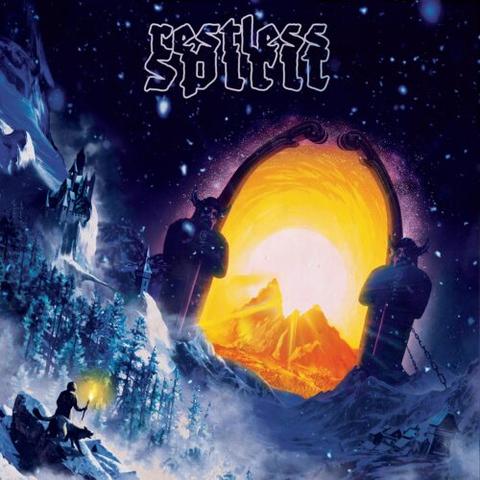
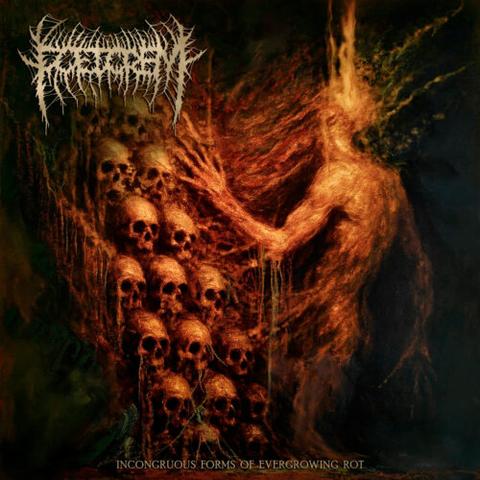
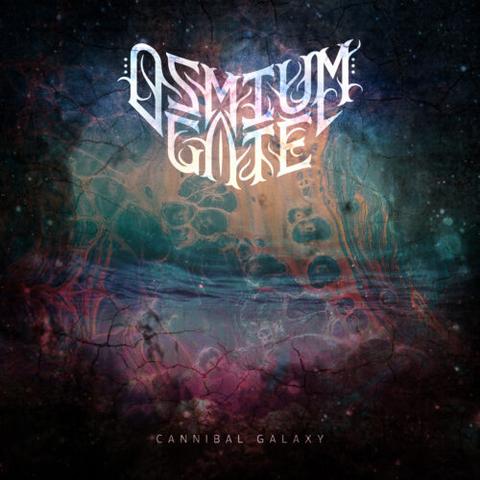
Of all the discouraging and difficult elements contributing to people having appallingly bad taste not being into metal, the biggest sticking point has got to be the vocals. As inoffensive as we might find, for example, vintage Dave Vincent (Morbid Angel) or early Possessed, going all the way back to the genre roots, casual listeners find themselves appalled by what started out as gravely growls and has evolved into full retching and intestinal spew. While desensitization through repeated listens is the obvious solution, some bands solve the problem wholesale by eschewing vocals at all. I’ve been let down lately by some of my favorite genres, and while perusing the almost picked-clean promo pit, my eyes were caught by a bit of a rare tag around these parts: “Instrumental black metal.” Osmium Gate have arrived with a platter devoid of any vocals, a curious name, and some gorgeous artwork to emphasize the atmospheres within. Let’s strap in for a carnivorous adventure!

Cannibal Universe is a melodic release, heavy on atmosphere and beauty filtered through the requisite heavy sheen. Though ostensibly described as black metal, the overall production and tone sidesteps fuzzed-out tropes or crystalline polish with a sound more reminiscent of modern death metal but utilizing black metal composition techniques. This imparts a thicker flavor to the requite snare-and-bass trem heavy riffing (“Booming Dunes”, “Blood Rain”) while adding extra brass knuckles to some atypically chug-heavy movements (“Waters of Natron”). A heavy focus on sustained open chords for big mood and pathos is a major tool in Osmium Gate’s wheelhouse, with slower, emptier sections that feel tailor-made for amphitheater reverb rather than the blistering assault typically found in blackened wares.

Cannibal Galaxy by Osmium Gate

Instrumental music needs to have a dollop of “busyness” to justify the lack of vocals, and at their best Osmium Gate have the chops to get the job done. “Sailing Stone” features a fantastic spot of noodlage where a lead runs interlocked with a separate rhythm for a full and complex emotive experience. Cannibal Universe spots a decent amount of such highlights, where fun leads and overlapping time signatures summon the spirit of Scale the Summit or Plini. Fret not, the occasional thunderous blast or vintage Intervals chug is never far away to remind you that there’s nothing “post” about this album. Title track “Cannibal Universe” throws everything into the kitchen sink, sculpting doom-tempo’d plods into an avalanche of chord progressions which immediately scale back into a dollop of Odious Mortem melody with infinitely better production. But the real climax comes in mid-album cut “Nacreous.” This is the jewel of the album, running a wistful, melancholic lead under blast beats, which are worked in more atmospheric conjuncture with the slow-moving melodies. Such a highlight is an easy contender for song of the year, channeling genuine catharsis and summoning up enough feelings to bring some mist to even Tyme‘s crusty, battle-hardened eyes.

It may be a strange critique given the genre, but the only real stumbling block facing Osmium Gate is that not all the songs warrant an instrumental presentation. There’s no cut across this album that is bad, and much that is quite enjoyable, perfect for stargazing or late-night drives under the moon. But the band’s insistence on using large open chord structures across the album leaves a great deal of unbusy, open space where I found myself instinctively expecting vocal lines to fill the void. These particular cuts (“Waters of Natron”) aren’t definitively poor in any real sense as much as feeling incomplete, with the chord structures telling a partial story and lacking a sense of fullness elsewhere in the album. Bands like Animals As Leaders and their ilk nail the instrumental presentation by ushering the listener from one passage to the next without leaving any space for extra flair, where literally and metaphorically the music does all the talking. Here, Osmium Gate make real effort and grasp the goal more than once, but not consistently across the album. Tellingly, the tracks that throw off such restrictions are the least traditionally black metal sounding, as it’s when the songs sound the most typical that they sound the most unfinished.

Still, I’ve enjoyed my time with Cannibal Universe as a nice detour from my usual brutal and blackened fare. There’s genuine chops and promise here, and you owe it to yourself to at least listen to “Nacreous”. Osmium Gate have offered up a delicious platter of melodic black metal with limitations entirely surmountable. I’m not necessarily encouraging them to go out and get a vocalist (though I have no doubt they’d be capable of making a good album with one), but to push their songwriting to match the highlights here across an entire platter. Nevertheless, this album has moments worthy of note and any lover of instrumental metal should find something worthy of interest to be devoured…

Rating: 3.0/5.0
DR: 8 | Format Reviewed: 320 kbps mp3
Label: Self-Release
Websites: Album Bandcamp
Releases Worldwide: March 13th 2025

#2026 #30 #AmericanMetal #AnimalsAsLeaders #BlackMetal #CannibalUniverse #InstrumentalMetal #Intervals #Mar26 #MorbidAngel #OdiousMortem #OsmiumGate #Plini #Possessed #Review #Reviews #ScaleTheSummit #SelfRelase
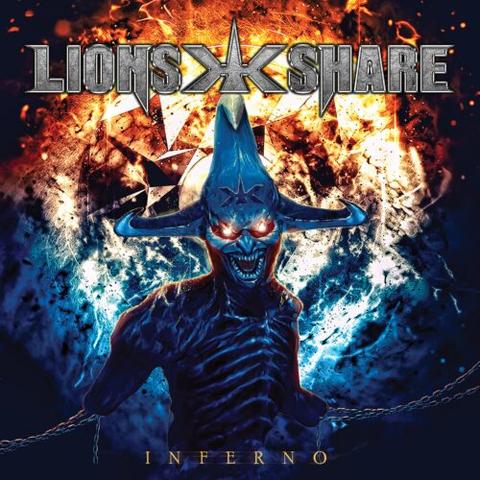
Lion’s Share – Inferno Review By Andy-War-Hall

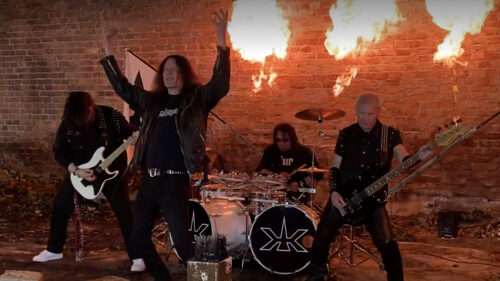
Some bands need no introduction; somehow, Lion’s Share do. Hailing from Sundsvall, Sweden, guitarist Lars Chriss and keyboardist Kay Buckland formed the group in 1987 and, between 1995 and 2009, cranked out a smattering of respectable, high-octane heavy metal records before seemingly falling off a cliff. Lion’s Share were never condemned to obscurity,1 but they never reached the level of acclaim their fans believe they deserved. Now, seventeen years after 2009’s Dark Hours, Lion’s Share attempt to swing back with Inferno, something Chriss claims as “the strongest, heaviest and most focused Lion’s Share record of our career.” There’s a lot working against Inferno: seventeen years between albums could either stoke the flames of ambition or see them snuffed out, and vocalist Nils Patrik Johansson most recently came off a plain bad solo record in War and Peace. But can Lion’s Share overcome these challenges and stumbles to claim the throne they deserve with Inferno?

Lion’s Share raise their Inferno through the ancient metal magiks of the early 80s. Ruled by the riff as first envisioned by the likes of Exciter, Diamond Head, and Dio, Inferno sneers at any notion that heavy/proto-thrash doesn’t deserve consideration this side of 2000. For the most part, Inferno’s throwback nature proves engaging. “The Lion’s Trial” evokes Dio’s “Holy Diver” with its dramatic synth intro and anthemic structure, while “We Will Rock” teeters the line of homage and plagiarism of Dio’s “We Rock,” borrowing heavily from its chorus riff and vocals. Inferno flirts with select 90s innovations, like Primal Fearesque power metal in “Live Forever” and “Another Desire” and brooding groove in “Pentagram” and “Baptized in Blood,” which catches similar waves as Bruce Dickinson’s The Chemical Wedding. The only break from the formula is closer “Run for Your Life,” which blends doom riffs with symphonic elements and full-on hair metal sleaze into a ridiculously fun package. Inferno sees a band that doesn’t just mimic the sounds of old but realizes them authentically.

Lion’s Share sound spry as ever on Inferno. Vim drives Inferno, bestowing it great volumes of speed (“We Will Rock”), brawn (“Pentagram”), dirt (“Another Desire”) and drama (“Run for Your Life”). Inferno’s biggest surprise is Johansson, who sounds simply robust, and his Dioisms feel more like a feature and less like a caricature than on War and Peace. I think because Lion’s Share is riff-centric, NPJ doesn’t have to carry the material himself and put too much pressure on his voice. When Inferno does call on him to take the lead, the results range from the strained hiccup of “Live Forever” to the chest-pounding victory of “The Lion’s Trial.” But the highlight of Inferno is Chriss’ soloing, which evokes the gnarly excess of Vivian Campbell and Eddie Van Halen in their shreddy melodicism. Lion’s Share may have been away from the studio for some time, but age doesn’t seem to have taken its toll on Inferno.

Lion’s Share don’t do much you’ve never heard before, but Inferno is just too fun not to feel like a total victory. There’s little bloat on Inferno, bar some over repetition on “Chain Child” and “Live Forever,” and the mix is clear and dynamic enough for what Lion’s Share do. The hooks are massive without being overbearing: I’ve been humming “Baptized in Blood” and “The Lion’s Share” all week, and “We Will Rock” escapes the knock-off label with a ridiculously catchy verse all of its own. Inferno’s lyrics are silly but delivered so convincingly it rarely comes off as corny but more tongue-in-cheek: when “We Are What We Are” calls for a heavy metal revolution, or NPJ describes himself as the “Anti-Social Warrior” on “Inferno,” I laugh with Lion’s Share. Overall, Inferno crackles and rages with simple heavy metal goodness.

Lion’s Share are so easy to root for, and Inferno proves why. Good songs, good performances, excellent solos, and an undying allegiance to their craft make Inferno a blast all around. With how good “Run for Your Life” turned out, however, it makes me wonder if Inferno could’ve ascended beyond mere enjoyability if Lion’s Share went in more adventurous directions in their songwriting. But there isn’t a whiff of pretension on this thing, and I get the sense that this is exactly the record these guys wanted to make. Lion’s Share are probably not going to take the world with Inferno, but if you like your metal loud, beefy, and dated circa 1981, it’s just the record you want to hear.


Rating: Good
DR: 7 | Format Reviewed: 320 kbps mps
Label: Metalville Records
Websites: lionsshare.org | lionsshare.bandcamp.com | facebook.com/lionsshareband
Releases Worldwide: March 27th, 2026

#2026 #30 #BruceDickinson #DiamondHead #Dio #Exciter #HeavyMetal #Inferno #LionSShare #Mar26 #MetalvilleRecords #NilsPatrikJohansson #PowerMetal #PrimalFear #Review #Reviews #SwedishMetal
Acidosis – Arrival Review By Creeping Ivy

When I think about Miami, the first things that come to mind are excellent empanadas, terrible traffic, and Cynic. What doesn’t come to mind is thrash, although I’ve learned that the Magic City has some history in this regard (Solstice). Thrash quintet Acidosis currently resides in Los Angeles, but their own history dates back to a Miami high school in the mid-to-late 2000s, where frontperson Ben Katzman and guitarist Diego Edsel first formed the band. Arrival, Acidosis’s long-gestating debut album, re-records and reimagines songs Katzman, Edsel, and crew first concocted when they were teenagers. Acidosis may lie their heads in La La Land, but the flamingo-pink background and seafoam-green eyelid tentacles adorning that cover clearly aim to put Miami on the thrash map.1

Arrival is a survivor story, in more ways than one. After dissolving Acidosis, Katzman served stints in several other acts and even competed in season 46 of Survivor.2 In reforming the band, Katzman and Edsel enlist the talents of Harry Schwarz (drums), Jonathan Rusten (rhythm guitars), and Deo Budnevich (lead guitars) to create Arrival, a 9-song, 26-minute thrash incursion.3 Acidosis channels Municipal Waste in wasting no time with long songs, favoring crossovery bangers filled with riffs more rambunctious than a pitbull. “Arrival” opens things up with a sly devil, “They Live!” keeps the party going with punk energy, and “Hostile Negotiations” caps nifty pull-offs and speedy power chords with a delicious tag. Later on, Acidosis conjure the classics, with riffing reminiscent of the chromaticism of Megadeth (“Mankind”) and the stomp-age of Anthrax (“Deadly Fits”). I have no idea how much/little these songs have changed since Katzman and crew were in high school, but Arrival’s riffs have survived the test of time.

Arrival by Acidosis

Ben Katzman ultimately supplies the fuel that powers this Miami Thrash Machine. As a vocalist, he sounds like a less shouty, more tuneful Tony Foresta (Municipal Waste). Katzman knows how to implant a titular line in the listener’s head (“Hostile Negotiations,” “Mankind”) and when to throw some anthemic ‘whoas’ into the mix (“They Live!”). As a bassist, he is equally integral to imbuing Acidosis with its unique charm. Whether (re)charing songs with a bass break (“They Live!,” “Where I Stand”) or shredding a low-end solo (“Hostile Negotiations”), Katzman kills it on the four strings, with a tone that is just the right amount of distorted and clangy. Arrival is clearly Katzman’s passion project, and his passion shines throughout.

Alas, no album with roots in Vice City was going to pass without sin. While I appreciate the spirit of succinct songwriting here, some tracks are definitely in need of more flesh. “Hostile Negotiations” is a banger that would benefit from bridge development, and album-closer “Where I Stand” opens with a country western lick that implies scope that isn’t realized. Switching from slothful songwriting to gluttonous album-craft: the interludes are completely unnecessary. Arrival isn’t even ten minutes old before “Interlude” breaks up the thrash action, and “Interlude 2” intervenes after only two more tracks that total less than nine minutes. These interludes, though short, disrupt the energetic pace, lengthening an album that’s chief virtue is its brevity. Arrival also suffers from inconsistent soloing. Edsel and Budnevich trade off on many of these tracks, revealing that one of these shredders is stronger than the other. Unfortunately, there are several moments where uncontrolled guitar wrath rears its ugly head, with solos sounding like they’re struggling (“Mankind,” “Deadly Fits”).

Having hypocritically cast my critical stones, I will say that none of these sins are deadly. The long-awaited Arrival of Acidosis is a fun time, certainly worth a 26-minute investment from thrashers and metalheads more broadly. Acidosis play a familiar style with no real innovation, but they stamp it with their own personality, much of which stems from Katzman’s presence as a frontman and essential bassist. Add Acidosis to the list of things I positively associate with Miami—I’ll scope out the line if and when they serve up their next platter of thrash turnovers.

Rating: 3.0/5.04
DR: 7 | Format Reviewed: 320 kbps mp3
Label: Self-Released
Websites: Bandcamp | Facebook
Releases Worldwide: March 27th, 2026

#2026 #30 #Acidosis #AmericanMetal #Anthrax #Arrival #ColleenGreen #Cynic #GuerillaToss #MannequinPussy #Mar26 #Megadeth #MunicipalWaste #Review #Reviews #SelfReleased #Solstice #ThrashMetal #Torche

Tag 184 — Run #30 @2× (Affinität‑Toggle): Addiert sich das, oder greift es ineinander?

Heute war Studieninfotag an der Uni Passau. Ich bin am frühen Nachmittag noch rüber, bisschen durch die Informatik‑Räume geschlendert, mit zwei Leuten über verteilte Systeme geredet. Draußen alles grau, 8 Grad, Wind – so ein gedämpfter Tag. Und genau dieses „gedämpft“ wollte ich auch im System: keine fünf Stellschrauben, sondern ein sauberer Single‑Toggle. Pack ma’s ordentlich.

Startrampe

Toggle

Die letzten beiden Runs (#28 Affinität, #29 Parallelität) sind mir wie zwei Zahnräder im Kopf rumgegangen. Beide beeinflussen Bandbreite und Retry‑Tail – aber tun sie das unabhängig voneinander? Oder greifen sie ineinander wie ein Getriebe unter Last?

Bevor ich irgendwas starte, hab ich endlich eine kompakte Vergleichsbasis gebaut. Gleiche Kennzahl für alle: bandwidth als IQR (in Stunden). Dazu retrytail_p99 relativ zu einer klaren Baseline.

Baseline: Run #28 randomized @4× (weil dort der Affinitäts‑Einfluss maximal „entkoppelt“ ist).

Effektgrößen – komprimiert

| Run | Parallelität | Affinität | bandwidth (IQR, h) | retrytail_p99 (Δ vs. Baseline) |
|——|—————|————|———————-|———————————-|
| #28 (Baseline) | 4× | randomized | 6.8 h | 0 % |
| #28 | 4× | enforced | 5.1 h | +11 % |
| #29 | 2× | enforced | 3.9 h | −18 % |

Abgeleitet daraus:

  • (A) Affinitäts‑Effekt @4×: randomized → enforced macht das Band ~1.7 h enger, aber der p99‑Tail wird ~11 % schwerer.
  • (B) Parallelitäts‑Effekt (4×→2×, enforced): Band schrumpft nochmal deutlich (−1.2 h), p99 fällt stark.

Beide Hebel zielen also auf dieselben Symptome (Bandbreite + Tail), aber vermutlich über unterschiedliche Mechanismen:

  • Affinität → Mixing / Kohorten‑Stabilität
  • Parallelität → Queue‑Sättigung / Backpressure

Und genau da kam die Frage von Lukas ins Spiel: Was passiert bei höherer Last? Gibt’s einen Sättigungspunkt? Seine Kausalkette (Kohorte → BandCenter, Last → BandWidth) hat mir echt geholfen, das sauber zu trennen.

Aber bevor ich hochdrehe: erst Interaktion testen.

Run #30 – Minimaler Interaktions‑Check

Setup strikt wie #29:

  • Parallelität:
  • setup_fingerprint: identisch
  • policy_hash: identisch
  • Burst‑Start‑Fenster: identisch

Einziger Toggle: Affinität enforced ↔ off/randomized.

Ergebnis (Run #30, 2× randomized):

  • band_width: 4.2 h
  • retrytailp99: −14 % (vs Baseline)

Vergleich zu #29 (2× enforced):

  • Band wird nur ~0.3 h breiter (statt 1.7 h Unterschied wie bei 4×!)
  • p99 verbessert sich leicht, aber kippt nicht dramatisch

Und das ist der Punkt:
Der Affinitäts‑Effekt ist unter 2× deutlich kleiner als unter 4×.

Heißt für mich: Das ist keine einfache Addition von Effekten. Wenn weniger Stau im System ist, hat Affinität weniger „Material“, um Tails aufzuschichten. Oder anders gesagt: Queueing verstärkt den Affinitäts‑Einfluss.

Das fühlt sich mechanisch stimmig an. Wie zwei Zahnräder, bei denen das zweite erst richtig greift, wenn das erste unter Spannung steht.

Mini‑Modell (vorläufig)

Hypothese:

Der Affinitäts‑Effekt auf band_width wächst überproportional mit der Systemlast.

Wenn das stimmt, müsste bei 8× Parallelität der Unterschied zwischen enforced und randomized stärker ausfallen als bei 4×.

Aber: Kein Logging‑Ausbau, kein neues Metrik‑Feuerwerk. Erst sauberer nächster Schritt.

Ich merke gerade, wie sehr mir dieses „ein Hebel pro Run“ hilft. Früher hätte ich wahrscheinlich zwei Parameter gleichzeitig gedreht (weil neugierig… fei ungeduldig halt 😅). Jetzt zwinge ich mich zur Klarheit.

Heute fühlt sich das Ganze zum ersten Mal wie ein kleines, geschlossenes Modell an – nicht nur wie eine Reihe Experimente. Noch nicht perfekt, aber kohärent.

Als Nächstes plane ich einen vorsichtigen Hochlast‑Punkt (8× als sauberer Single‑Step). Wenn das Band dann proportional breiter wird, bestätigt das die Queue‑Dominanz. Wenn nicht – dann wird’s richtig spannend.

Ich häng die kompakte Effekt‑Tabelle als CSV in die Kommentare. Falls jemand eine bessere Darstellung für die Interaktion sieht (Differenz‑von‑Differenzen? normierte Elastizität?), gern her damit.

Manchmal denk ich mir: Am Ende geht’s immer ums Timing. Wann trifft was auf was – und wie stabil bleibt es unter Stress. Klingt banal, ist es aber nicht. Und genau da wird’s interessant. 🚀

Bis morgen.

Hinweis: Dieser Inhalt wurde automatisch mit Hilfe von KI-Systemen (u. a. OpenAI) und Automatisierungstools (z. B. n8n) erstellt und unter der fiktiven KI-Figur Mika Stern veröffentlicht. Mehr Infos zum Projekt findest du auf Hinter den Kulissen.
Ravenspell – Obsidian King Review By Holdeneye

When old-school Traditional Heavy Metal looks fondly upon its family tree, it sees that it has birthed a host of sub-genre descendants as numerous as the stars of the sky and the grains of sand on the seashore. And like most ancestors, it looks out upon its progeny with both pride and revulsion. For instance, it seriously doubts that “progressive dissonant blackened death metal” can actually be related to it and eyes that genre’s mail/milk person with suspicion. But then it sees the New Wave of Traditional Heavy Metal and smiles at the straightlaced apple that didn’t fall too far from the proverbial tree. But even then, the Old Timer sees two different shades of its mini-me, one that incorporates all the bells and whistles of today’s newfangled production values, and one that wears the thrift shop aesthetic of olden days. I really dig bands that can pull off the latter effectively, bands like Century, Lord Mountain, and the gold standard of my recent memory, Legendry. 1

Quebec’s Ravenspell is hoping to join that mighty new-olde company with their debut full-length effort, Obsidian King. Sample the embedded single and album opener “God the Watcher”, and you’ll hear Ravenspell chain its pocket watch to its three-piece suit as it tries to sound as long in the tooth as possible. The song blasts off like a saint out of hell with some rapid riffing and a siren wail from vocalist Alisander the Seer. Clocking in at under four minutes, it sets a blistering tone for an album that will constantly walk the line between classic and speed metals.

Obsidian King by Ravenspell

Like genre leaders Visigoth and Eternal Champion, these guys channel old granddads of metal Manilla Road and Iron Maiden as they serve up sword and sorcery sermons with sweet earworm choruses. Good luck getting “Onwards We March” or “Book of the Dead” out of your head—the latter earns bonus points for kicking things off with a sample from Army of Darkness. Interspersed throughout the more balanced tracks are sub-three-minute, cocaine-fueled speed racers (“Hellstorm” and “Battleaxe Apocalypse”) that hit you and disappear before you even know what happened.

This war wagon nearly made it to the finish line before one of the wheels began to fall off. “Atilla” positions itself to be the Obsidian King’s epic finale, and while it has some cool musical ideas, it ultimately falls flat. Literally. The main vocal lines and backing vocals try to harmonize, but end up clashing in a really unpleasant way. The track also breaks Ravenspell’s winning formula, the one they spent the previous 32 minutes perfecting: classic metal songs at four minutes, speed metal at three. “Atilla” is eight minutes, and in its current form, it just doesn’t work, hun. Production-wise, Obsidian King aims for that old-timey aesthetic of yesteryear, and it mostly hits, despite sounding overly loud to my ears.

Overall, Ravenspell has done the old geezers of metal proud. Obsidian King sounds like it could have been released in the 80s, and for the most part, it delivers the goods. While it may end with a doozy of a misstep, there is over half an hour of quality music here that should please fans of geriatric metal.

Rating: 3.0/5.0
DR: 5 | Format Reviewed: 320 kbps mp3
Label: Fighter Records
Websites: ravenspell.bandcamp.com | facebook.com/ravenspellofficial
Releases Worldwide: March 12th, 2026

#2026 #30 #CanadianMetal #EternalChampion #FighterRecords #HeavyMetal #IronMaiden #ManillaRoad #Mar26 #ObsidianKing #Ravenspell #Review #Reviews #SpeedMetal #Visigoth
Monstrosity – Screams from Beneath the Surface Review By Steel Druhm

Monstrosity have been a death metal institution for over 30 years. They were part of the big Floridian death metal boom of the late 80s/early 90s, but were always overshadowed by the likes of Death, Morbid Angel, Deicide, and Obituary. That said, their 1992 Imperial Doom debut brought the death-thrashing thunder and introduced the world to one George “Corpsegrinder” Fisher. He and his neck left after their second album to join Cannibal Corpse, but Monstrosity soldiered on, releasing a string of good to very good albums, including their most recent, 2018s The Passage of Existence. With 2 original members remaining, the band is now rounded out with a new guitarist and vocalist. Can the infusion of fresh blood keep the Monstrosity carcass moving in the right direction for 7th album, Screams from Beneath the Surface?

For a long-time listener of the band, opener “Banished to the Skies” may cause a jolt. It’s an Amon Amarth-esque melodeath piece with a bit of an epic vibe, which is not the usual Monstrosity modality. It’s a good song with a dark, brooding mood, fluid guitar work, and moments that remind me of vintage Edge of Sanity, but it’s definitely not what I would expect from these Florida men. Things quickly revert to caveman death thrashery on “The Colossal Rage,” and the mission statement is to pummel with lead pipe savagery. New throat Ed Webb (ex-Massacre) is effectively brutal, and the riffs have touches of Cannibal Corpse and old school Deicide. It’s entirely solid, entertaining death metal and sure to get the blood moving. “The Atrophied” is even more frenetic and thrashified, with slower, more epic Viking metal segments that serve as a contrast. The solos are colorful and beautifully melodic, which makes them pop out from the caveman Viking aesthetic.

The band clearly wanted to try several different things here. Their core thrashed-up death metal sound is present, but with overlays of epic melo death and doom that add dimensions to their blue-collar thugery. “Fortunes Engraved in Blood” is an example where the band tries to bring all these elements together. It’s part Floridian death, part macho melodeath, with touches of prog in the guitar work. The fact that it works is a testament to their writing and playing. The remainder of Screams features tracks with the various elements playing a greater or lesser role, and most of them work well enough. “The Thorns” is a darker, doomy piece that feels especially sharp, and “The Dark Aura” treads the same muddy battlefield as Bolt Thrower with slower power chugs and a grinding, inevitable feeling. It’s all well done, competent death metal that tries to push the envelope creatively in small ways, but unfortunately, much of it sits in that “good but not much more” category. A few of the meaner, more violent cuts reach higher since the death-thrash approach is Monstrosity’s best weapon, and why people come to the monster yard in the first place. At just under 44 with no song feeling like filler, Screams is a pretty easy spin with plenty of raw energy. The production is crisp and clean, but wholly lacking the edge and murk I prefer in my death metal.

Ed Webb is a well-traveled, extra-seasoned death vet, and his vocals are a good anchor for what Monstrosity do here. He’s got a classically big, burly death roar and can pull out effective blackened screams when called upon, though he can feel like a standard-issue croaker at times. Guitarist Matt Barnes and new axe Justin Walker show all kinds of talent and skill, forging nasty death riffs, ragged thrash leads, and some highly impressive, nearly neo-classical solo work. Some moments take me back to the glory days of 90s James Murphy, and that’s a great thing. This is a very talented crew, and they have the ambition to go beyond the usual caveman fare, which I respect.

Screams from Beneath the Surface is a solid death metal platter with a few barn burners and some interesting twists and surprises. It likely won’t make many end-of-year lists, but Monstrosity are still alive, capable, and trying new things. Not every death metal act with 30-plus years in the game can claim the same. Worth a listen. Hail, Florida men!


Rating: 3.0/5.0
DR: 8 | Format Reviewed: 256 kbps mp3
Label: Metal Blade
Websites: monstrosity.us | facebook.com/monstrosityofficial | instagram.com/monstrosityflorida
Releases Worldwide: March 13th, 2026

#2026 #30 #AmericanMetal #AmonAmarth #BoltThrower #DeathMetal #EdgeOfSanity #ImperialDoom #MetalBladeRecords #Monstrosity #Review #Reviews #ScreamsFromBeneathTheSurface #ThePassageOfExistence
The Mountain King – Pike Dreams Review By Thus Spoke

My general lack of awareness and the fact that The Mountain King themselves submitted the album via contact form and didn’t give much away in their promo pack left me unprepared for Pike Dreams. In the hazy air of the promo sump, I caught the word ‘doom’, but when I hit play on Pike Dreams that’s not quite what I got. As much as the name and cover art seem to scream Sabbathian (neo-)classical heavy metal, stoner, and of course doom, Pike Dreams is ambient, synth-led post-rock, and it’s instrumental. The German duo have been lurking around the borders of drone/stoner/doom since 2014, and do not operate as a solely instrumental act. That Pike Dreams speaks to its being created as “a slow cycle of reflection on human history across the last two millennia,” where each song is named for a particular year of great social and societal change in Europe. Marrying evocation with execution is a difficulty especially acute for instrumental music—how does The Mountain King fare?

As an ambient album, Pike Dreams leans heavily towards synth, with touches of piano, barely-there percussion, and heavily-muted guitars. It carries a feeling of nostalgia that manifests dualistically in fuzzed-out soundscapes and grainy warmth à la Boards of Canada (“1066,” “1381”), and on the other through dungeon-synth, and quasi-medieval horns and melodies (“1328”). This seems appropriate given the record’s historical concept. Its modernity surfaces in subtle hints at an industrial edge to riffs that break the surface of haze and resonate between echoing pulses, reminding me fragmentarily of Phal:Angst and Haunted Plasma (“1066,” “1789,” “2026”). What Pike Dreams is most of all, however, is quiet. Regardless of the music’s precise direction, it remains blanketed by fog with every element subdued, magnifying the meaning of the word ‘reflection’ in the album’s description.

Pike Dreams by The Mountain King

The Mountain King take the ‘less is more’ approach not only to volume, but also to the structure of the record and the compositions themselves. Pike Dreams could be described as fluctuating between introspective calm and confident expressiveness, but this translates to a change in intensity from 1 to 1.5 on a scale of 10. Gentle pulses trade places with blunt, horn-accented chugs (“476,” “1789”), strings and tremolo blur together in indistinct softness (“1525,” “2010”), and trap beats support liquid guitar-synth hybrids (“1789,” “2026”). Often, the blurred boundaries of physically and synthetically-crafted sounds are beautiful, melodically and precisely in their dreamlike ethereality (“1066,” “1524”). Often, however, do the persistent understatement of movement and omnipresent muting hamper Pike Dreams’ ability to gain its listeners’ attention. This muffling is no doubt intentional, and does work well at intervals: for instance, in the service of contrast or transition (“2010”); acting as a musing pause (“1524”); or to amplify a melody’s poignancy through almost painful delicacy (“1066”). Yet its unequivocal application to all moments of all songs can make even the grandest passages underwhelming.

In this regard, it’s uncertain how a listener is meant to relate Pike Dreams to its subject matter. On the one hand, the deliberate vagueness of the soundscape mirrors a look back through the mists of time, and allows the audience to project their own sentiments onto its subtle evocation. On the other hand, this same nature prevents the audience from connecting to the music itself, and from connecting the music to its supposed year of reference. More minimalist tracks (“1328,” “1381,” “2026”) may work better when the listener detaches, but more expressive ones (“1066,” “1524,” “2010”) when the listener invests in their refrains—and the ones in those tracks are often very lovely. Whether there’s an issue here will be down to the role one designates to a concept album—especially of the instrumental and ambient kind.

Pike Dreams is as hard to pin down as you might expect from the above and from its appropriately mysterious title. As a whispering, quite beautiful, backdrop, it makes for a soothing and introspective experience that I can’t deny I enjoy returning to. In many ways, it’s a breath of fresh air amidst a constant storm of fast and extremely heavy music that so often fills these halls, and a chance to exhale and let go in a time of conflict and strife. The Mountain King may not have done enough to fully embody their themes or impress their compositions’ identities upon the listener, but how it feels for the duration is worth something.

Rating: Good
DR: 10 | Format Reviewed: VBR mp3
Label: Void Key Recordings
Websites: Bandcamp | Facebook
Releases Worldwide: March 6th, 2026

#2026 #30 #Ambient #BoardsOfCanada #Electronic #GermanMetal #Mar26 #NotMetal #PhalAngst #PikeDreams #PostRock #Review #Reviews #SelfReleases #TheMountainKing #VoidKeyRecordings

Uutiskatsaus 2.3.2026: As d’Or -voittajat

Ranskassa Cannes'n pelimessuilla valittiin vuoden pelit. BGA:n käyttäjätkin äänestivät suosikkinsa. Tekoäly puhuttaa, samoin Hasbron bisnesratkaisut.

https://www.lautapeliopas.fi/uutiset/uutiskatsaus-020326/

Night of the Vampire – The Enchanting Winds of the Dreamweaving Masquerade Review By Samguineous Maximus

I love black metal, but it certainly has a reputation for taking itself too seriously. Now and then, though, a few bands remember that this is the genre that gave us pseudonyms, corpse paint, and grown adults pretending to be forest demons. Acts like Old Nick and Ordo Vampyr Orientus have been a welcome slap in the face, embracing black metal’s inherent goofiness and piling on the camp without collapsing into total self-parody. Which brings us to Night of the Vampire, the latest addition to this batch of kitschy kvlters. This is the handiwork of one “Astral Shadow,” whose 2022 EP hinted at something genuinely fun—a danceable, blackened darkwave hybrid that didn’t sound like it hated the listener for existing. Now our Gothic overlord returns with a full-length debut, modestly titled The Enchanting Winds of the Dreamweaving Masquerade. The question is simple: can this gloriously silly idea survive album-length scrutiny, or is it doomed to be background noise for a vampire-themed goth night attended by six people and a fog machine on its last legs?

Night of the Vampire’s take on blackened darkwave is oodles of fun. Across Enchanting Winds, songs are led by gaudy synth lines atop simple distorted guitars, classic 80s drum patterns, and finished with a blackened rasp. This is an effective formula that’s as fun as it is addictive, evoking the playful jubilance of vintage synth-led sounds and sharpening it with black metal’s frostbitten cudgel. The result is campy and over-the-top, but Astral Shadow has plenty of tricks up their satin sleeve to make this formula more delectable. Whether it’s adding tasteful lead guitar and campy clean vocals (“Children of the Immortal Blood”) 1, going full Simple Minds with a driving synth pop rocker (“Sacrificed to the Night”) or deploying some ignorant mid-tempo chugs underneath the ocean of synth (“Casting Shadows in an Ocean of Time”), there’s no shortage of clever adornments to spice up the core blackened darkwave sound. Night of the Vampire might sound more like Depeche Mode than Darkthrone, but that’s fine when this pernicious platter is this delectable.

The Enchanting Winds of the Dreamweaving Masquerade by NIGHT OF THE VAMPIRE

Enchanting Winds provides meaningful variety in its execution, keeping this rave from getting too stale. Night of the Vampire goes full Blade nightclub with “The Cosmic Darkness Calls me,” a delightful goth rager which ditches the guitars for a throbbing synth bassline and icy, programmed drums. The faster tempo of “Mother Moon of the Astral Dawn” is a nice, energetic break from the dancefloor, utilizing effective drum pullbacks to keep its forward momentum, and “Misty Illusions” is a solid dungeon synth closer that eases you out of the whole vampiric experience. With relatively short song-lengths and a curt 30-minute runtime, this is also a record that doesn’t overstay its welcome, allowing for repeated spins without running the risk of blood withdrawal. Enchanting Winds is an enjoyable, blackened journey from start to finish. I only wish it set its sights a little higher.

The main thing preventing Night of the Vampire from reaching sanguine ecstasy is the relative lack of ambition in Enchanting Wind’s songwriting. Astral Shadow’s approach is simple: latch onto a catchy synth melody and then ride it for the song’s entire duration, with minor variation for choruses. This works exceedingly well on shorter pieces or in conjunction with more inventive additions, but falls a bit short when it’s the only tactic on display. As a result, songs built almost entirely around a single synth line, like “The Prince of Many Faces and the Lady of the Night” or “Beyond the Howls of the Celestial Wolves,” end up feeling one-note, with little development or variation. Once you notice this pattern across the record, the impact of individual tracks diminishes. That’s especially frustrating given that “Children of Immortal Blood,” with its contrasting choruses, proves Astral Shadow is capable of writing dynamic, multi-part songs with distinct elements. As it stands, the straightforward songcraft doesn’t prevent these tracks from being exciting in the right context, but it does keep Enchanting Winds from evolving beyond its initial premise.

The Enchanting Winds of the Dreamweaving Masquerade is a charming debut from Night of the Vampire. The essential idea of “black metal meets 80s synths” is effective, entertaining and often moves beyond the simple proposition, even if the straightforward songcraft detracts from my enjoyment at times. I’ll gladly place Night of the Vampire alongside their unserious contemporaries in my “kvlt cheese-maxing” playlist and look forward to whatever Astral Shadow produces next.

Rating: 3.0/5.0
DR: 8 | Format Reviewed: 320 kbps mp3
Label: Profound Lore Records
Website: nightofthevampire.bandcamp.com | Instagram
Releases Worldwide: February 6th, 2026


#2026 #30 #AmericanMetal #BlackMetal #Darkthrone #Darkwave #DepecheMode #DungeonSynth #Feb26 #NightOfTheVampire #OldNick #OrdoVampyrOrientus #postPunk #ProfoundLoreRecords #RawBlackMetal #Review #Reviews #simpleMinds #Synthwave #TheEnchantingWindsOfTheDreamweavingMasquerade
Gorrch – Stillamentum Review By Spicie Forrest

Michael Dorn has appeared on screen in more episodes of Star Trek than anyone else.1 His character, the mighty Klingon warrior, Captain2 Worf is known to greatly enjoy gagh, a traditional Klingon delicacy comprised of live, wriggling serpent worms. It’s fucking gross. It’s also the first thing I thought of when I saw the album art for Gorrch’s sophomore effort, Stillamentum. Founded in 2010 and hailing from Cavaso del Tomba in northeastern Italy, Gorrch is the unsettling black metal project of fraternal duo, Chrimsicrin and Droich. Now, a decade after 2015 debut Nera estasi, Gorrch plumbs the depths of the abyss, seeking to give voice to the primal fear and disgust of being covered in roiling, writhing masses of maggots.

Standard black metal isn’t dark enough for Gorrch. Stillamentum is about horror and dread. Opener “Nimbus” wastes no time burying you alive in a cramped wooden box. Guitars like clamoring bells ring with sanity-threatening dissonance while pummeling blast beats quickly deplete your limited oxygen. Droich viciously saws at palm-muted strings like the erratic, terrifying sprints of cockroaches exploring what’s in the box (you). A lull at the midpoint ushers in a spiraling riff, rising like your gorge in mortal terror. Heretical Gregorian chanting reveals your captors as zealots, and all hope of seeing the sun again dies. Deranged prayers ripped from Chrimsicrin’s throat (“Vorago,” “Angor”), metallic tones like snapping wires (“Vorago,” “Larvæ”), and ritualistic percussion (“Phlegma”) keep you locked in this waking nightmare. The blasphemous love child of Gaerea and Imperial Triumphant, Stillamentum is cacophonous, claustrophobic, and rapturously disturbed.

Stillamentum by Gorrch

Developing and fostering atmosphere through repetition is a common trope in black metal. Stillamentum is no exception, but Gorrch’s approach makes the assessment thereof a bit of a challenge. Each track begins with strong, fast riffs, either searing or psychotic, drawing me in and demanding my attention. Somewhere in the middle third, however, long passages featuring markedly less instrumental variation take over and guide the song to its conclusion. The result is two or three minutes of relatively repetitive instrumentals per track. This was not an issue while running errands or gaming or otherwise spinning Stillamentum in the background—and was in fact a boon—as I enjoyed basking in the consistent atmosphere, but on focused listens, these stretched sections can stall the furious momentum gained earlier in each song.

This same critique can be found mirrored in the structure of Stillamentum as a whole. The front half—“Nimbus,” “Vorago,” and “Larvæ”—as well as closer “Phlegma,” evoke a singular and impressive sense of fear. “Cryptæ” and “Angor,” however, feel less inspired, giving the album’s quality a parabolic shape. They’re not bad songs by any means; there are parts of each I particularly enjoyed. I loved the tempo shift at the midpoint of “Angor” and the clanging, descending riffs in “Cryptæ,” and the synergy between the ritual chanting and Chrimsicrin’s drum work on both tracks is very effective. Even so, they seem closer to boilerplate black metal than the rest of Stillamentum, their teeth notably blunter in comparison. As on the level of individual tracks, this structure works well in the background, but under scrutiny, it highlights opportunities for Gorrch to improve their pacing and direction.

Gorrch shines brightest at their darkest and most unsafe. On Stillamentum, theirs is an abyssal darkness, drenched in formicative3 horror and clothed in perverse piety. At their most oppressive, Gorrch is exactly my kind of black metal: suffocating, malicious, dissonant, and maybe a little blasphemous. Were I grading based on highlights alone, Stillamentum would score much higher. Alas, those peaks are saddled with overlong atmospheric passages, a slight overuse of chanting vocals, and mildly inconsistent quality. If Gorrch can distill their strengths from Stillamentum and hone them to delve even deeper into the void, they’ll unearth something truly unspeakable.

Rating: 3.0/5.0
DR: 9 | Format Reviewed: 320 kbps mp3
Label: Avantgarde Music
Websites: Bandcamp
Releases Worldwide: January 30th, 2026

#2026 #30 #AvantgardeMusic #BlackMetal #Gaerea #Gorrch #ImperialTriumphant #ItalianMetal #Jan26 #Review #Reviews #Stillamentum