 Chris Hanson
One of the reasons I’ve been looking at Mach again is that I think a big thing missing from most modern UNIX-like platforms (that aren’t Darwin-based, anyway) is good kernel-level IPC with support for service activation. Lots of systems will just use UNIX domain sockets or something like the abominable DBus on top of them without even really thinking about service activation. So I’m looking at what it might take to implement a Mach-like kernel IPC interface, sans Mach…
 Ukraine War Bulletins and News
https://youtu.be/0-blZS5rjo8
⚡️🇬🇧Ukrainian Dignity Denied - Vladyslav Heraskevych and the "Helmet of Memory" (Silicon Curtain VIDEO) #Ukraine #Poland #Warsaw #Netherlands #Norway #Sweden #Estonia #Latvia #Lithuania #Paris #Rome #London #Berlin #Canada #Finland #Brussels #Denmark #Germany #Paralympics #France #Italy #Olympics #IOC #IPC #BoycottTheOlympics #BoycottParalympics #SouthKorea #Press #News #Taiwan #Media #Japan #US #UK #EU #UnitedStates #UnitedKingdom #EuropeanUnion #Czechia #Romania #sport
⚡️🇬🇧Ukrainian Dignity Denied - Vladyslav Heraskevych and the "Helmet of Memory" (Silicon Curtain VIDEO) #Ukraine #Poland #Warsaw #Netherlands #Norway #Sweden #Estonia #Latvia #Lithuania #Paris #Rome #London #Berlin #Canada #Finland #Brussels #Denmark #Germany #Paralympics #France #Italy #Olympics #IOC #IPC #BoycottTheOlympics #BoycottParalympics #SouthKorea #Press #News #Taiwan #Media #Japan #US #UK #EU #UnitedStates #UnitedKingdom #EuropeanUnion #Czechia #Romania #sport
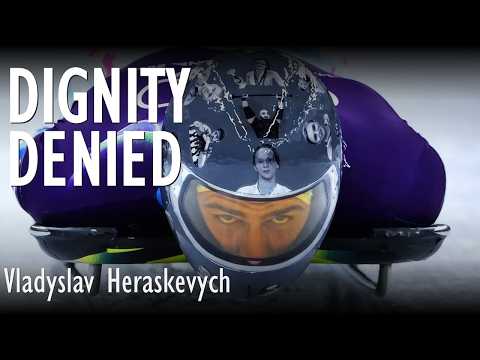
Ukrainian Dignity Denied - Vladyslav Heraskevych and the "Helmet of Memory"
 Marcel
🔐 Been looking into hardening Unix Domain Sockets on Linux lately – here are some takeaways.
🛡️ Filesystem permissions: don’t rely on chmod on the socket file alone – some systems silently ignore it (hello SELinux). Protect the directory it lives in with 0750 and watch out for umask when calling bind() – it silently masks your intended permissions. Set umask before bind(), not chmod after.
🔍 Peer authentication: SO_PEERCRED after accept() gives you the PID, UID and GID of the connecting process, verified by the kernel. But it only captures credentials at connect() time – if the peer changes identity later, you won’t see it.
📨 Per-message auth: SCM_CREDENTIALS via sendmsg/recvmsg solves that. The kernel verifies the credentials on every message, even if the sender tries to lie. Essential when processes switch identity during their lifetime.
⚡ SOCK_SEQPACKET instead of SOCK_STREAM is worth considering. You get atomic message boundaries from the kernel – no custom framing, no partial reads, no glued-together messages.
🚦 Rate limiting unfortunately has to happen in userspace – the kernel offers nothing useful for per-peer UDS rate limiting. A simple token bucket per connection does the job.
Anyone else spent time hardening UDS? Curious what else people do beyond the basics.
#Linux #UnixDomainSockets #Security #SystemsProgramming #IPC #Infosec
#BoycottTheParalympics
#StopAndrewParsons
#StopLeilaMarquesMota
#StopJohnPetersson
‼️🇺🇦Ukraine to boycott closing ceremony of 2026 Paralympic’s affront to sport (more) https://www.pravda.com.ua/eng/news/2026/03/15/8025582/ #Ukraine #Poland #Warsaw #Netherlands #Norway #Sweden #Estonia #Latvia #Lithuania #Paris #London #Berlin #Canada #Finland #Brussels #Denmark #Germany #France #Italy #Press #News #Taiwan #Media #Japan #US #UK #EU #UnitedStates #UnitedKingdom #EuropeanUnion #Czechia #Romania #Olympics #IPC #Paralympics #IOC
#StopAndrewParsons
#StopLeilaMarquesMota
#StopJohnPetersson
‼️🇺🇦Ukraine to boycott closing ceremony of 2026 Paralympic’s affront to sport (more) https://www.pravda.com.ua/eng/news/2026/03/15/8025582/ #Ukraine #Poland #Warsaw #Netherlands #Norway #Sweden #Estonia #Latvia #Lithuania #Paris #London #Berlin #Canada #Finland #Brussels #Denmark #Germany #France #Italy #Press #News #Taiwan #Media #Japan #US #UK #EU #UnitedStates #UnitedKingdom #EuropeanUnion #Czechia #Romania #Olympics #IPC #Paralympics #IOC
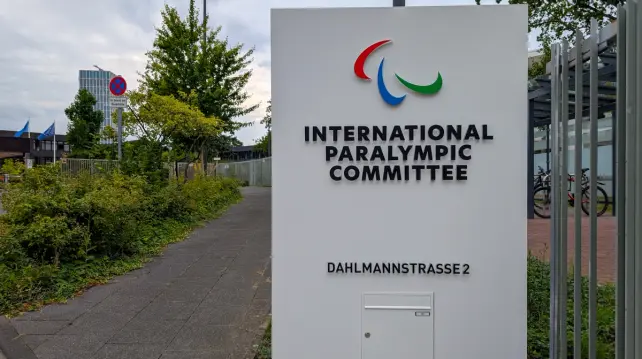
#BoycottTheParalympics
‼️🇺🇦President Zelensky imposes new sanctions on Russian, Iranian defense firms, Paralympians involved in terrorism (more) https://www.ukrinform.net/rubric-polytics/4101827-zelensky-imposes-new-sanctions-on-russian-iranian-defense-firms-paralympians-involved-in-war.html #Ukraine #Poland #Warsaw #Netherlands #Norway #Sweden #Estonia #Latvia #Lithuania #Paris #London #Berlin #Canada #Finland #Brussels #Denmark #Germany #France #Italy #SouthKorea #Press #News #Taiwan #Media #Japan #US #UK #EU #UnitedStates #UnitedKingdom #EuropeanUnion #Czechia #Olympics #Paralympics #IOC #IPC #BoycottTheOlympics
‼️🇺🇦President Zelensky imposes new sanctions on Russian, Iranian defense firms, Paralympians involved in terrorism (more) https://www.ukrinform.net/rubric-polytics/4101827-zelensky-imposes-new-sanctions-on-russian-iranian-defense-firms-paralympians-involved-in-war.html #Ukraine #Poland #Warsaw #Netherlands #Norway #Sweden #Estonia #Latvia #Lithuania #Paris #London #Berlin #Canada #Finland #Brussels #Denmark #Germany #France #Italy #SouthKorea #Press #News #Taiwan #Media #Japan #US #UK #EU #UnitedStates #UnitedKingdom #EuropeanUnion #Czechia #Olympics #Paralympics #IOC #IPC #BoycottTheOlympics

Zelensky imposes new sanctions on Russian, Iranian defense firms, Paralympians involved in war
Ukrainian President Volodymyr Zelensky has signed decrees enacting decisions of the National Security and Defense Council of Ukraine to impose sanctions on Russian and Iranian companies and individuals servicing Russia's military-industrial complex, as well as Russian Paralympians who took part in the war against Ukraine. — Ukrinform.
 dBalears (Unofficial RSS)
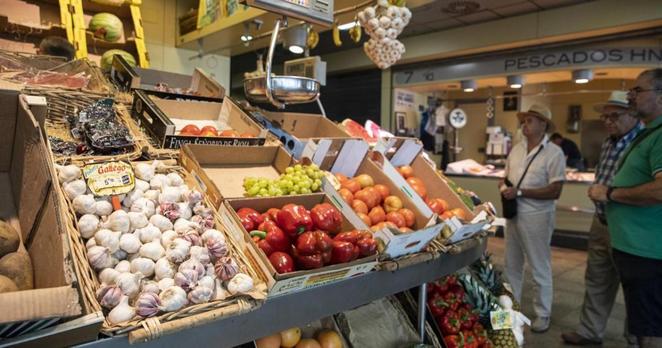
S’enfila el cost de la vida: ous, hortalisses, llegums, fruites tropicals i cafè disparen els seus preus en l'últim any https://www.dbalears.cat/balears/economia/2026/03/15/417319/enfila-cost-vida-ous-hortalisses-llegums-fruites-tropicals-cafe-disparen-els-seus-preus-ultim-any.html #IllesBalears #costdevida #Mallorca #aliments #Economia #preus #IPC
 Habr
HabrКак работает RPC. Пишем свое RPC-приложение
В данной статье мы подробно поговорим об устройстве RPC. Также для лучшего понимания применим знания на практике и напишем свое RPC-приложение под Windows. Изучить матчасть
https://habr.com/ru/articles/1010204/
#rpc #cybersecurity #network #безопасность #сетевая_безопасность #network_security #ipc #межпроцессное_взаимодействие
 3CatInfo.cat
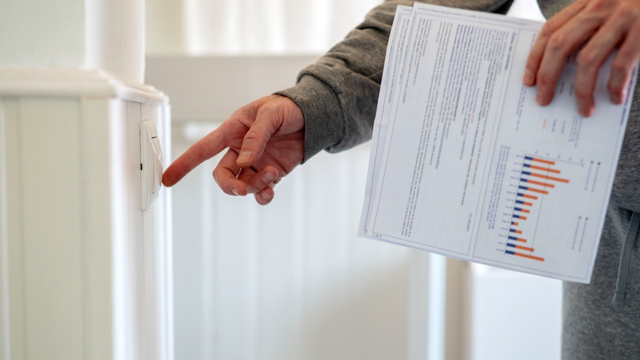
█ Preus estables al febrer sense l'impacte de la guerra a l'Orient Mitjà: què puja i què baixa ▓▒░ L'IPC es manté estable al febrer i se situa al 2% a Catalunya i al 2,3% al conjunt de l'Estat, a l'espera de l'impacte que tindrà l'encariment dels carburants al març
https://www.3cat.cat/3catinfo/preus-estables-al-febrer-sense-limpacte-de-la-guerra-a-lorient-mitja-que-puja-i-que-baixa/noticia/3399423/?ext=MASTODON_SOCIAL
 VilaWeb (Unofficial RSS)
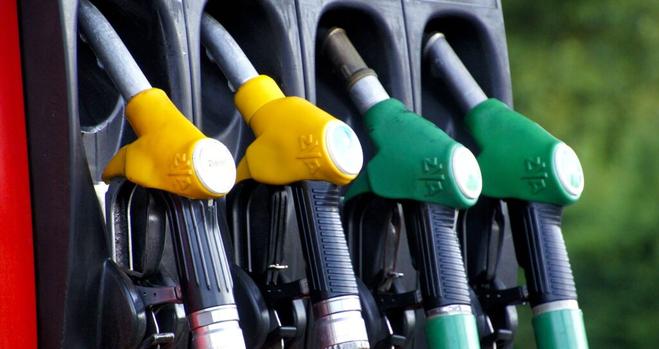
Inflació continguda al febrer a l’espera de l’impacte per la guerra de l’Iran https://www.vilaweb.cat/noticies/inflacio-continguda-febrer-espera-impacte-guerra-iran/ #Economia #inflació #IPC
Inflació continguda al febrer a l'espera de l'impacte per la guerra de l'Iran
La inflació es va mantenir moderada al febrer, a l’espera dels possibles efectes de l’encariment del petroli per la guerra de l’Iran. L’Institut espanyol d’estadística ha fet públic que l’Índex de Preus de Consum (IPC) va ser del 2% interanual a Catalunya, del 2,6% al País Valencià i del 2,2% a les Illes. En relació […]
 À Punt
La inflació valenciana repunta lleument al 2,6% en febrer, a l'espera de l'impacte de la guerra a l'Iran.
L'abaratiment de l'electricitat durant este mes de febrer compensa els increments de preus en restauració i alimentació.
#Economia #Energia #Preus #IPC
https://www.apuntmedia.es/noticies/economia/inflacio-valenciana-repunta-lleument-2-6-febrer-espera-impacte-guerra-l-iran_1_1853549.html?utm_medium=mastodon
L'abaratiment de l'electricitat durant este mes de febrer compensa els increments de preus en restauració i alimentació.
#Economia #Energia #Preus #IPC
https://www.apuntmedia.es/noticies/economia/inflacio-valenciana-repunta-lleument-2-6-febrer-espera-impacte-guerra-l-iran_1_1853549.html?utm_medium=mastodon
