 Miguel Afonso Caetano
"On 11 March 2026, Access Now, a nonprofit organisation that protects the digital rights of vulnerable communities, urgently called on the Iranian authorities to restore full internet access and to refrain from imposing further disruptions.
The organisation reemphasised that “internet shutdowns in conflict zones have life-and-death consequences. They put civilians at risk of death, injury, and illness, cause psychological trauma and mental distress, disrupt livelihoods, and block people’s access to essentials for survival like food and medicine. They also block journalists and human rights defenders, weaken social cohesion, and cause lasting socio-economic harm long after connectivity is restored”.
Internet shutdowns are not new.
Access Now defines them as an “intentional disruption of internet or electronic communications” for a specific population or within a location.
In its STOP dataset, the organisation has documented close to 2,000 internet shutdowns between 2016 and 2024, with the number of blackouts rising since 2020. The team relies on a context-driven methodology, manually verifying each event through local media, United Nations contacts, and regional partners to determine the primary cause behind internet shutdowns."
https://euobserver.com/209980/reporting-when-the-internet-goes-dark/
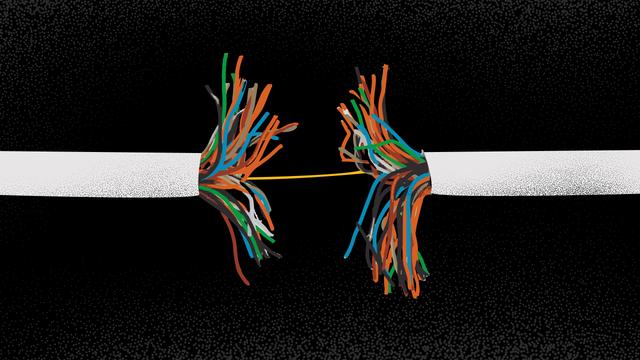
Reporting when the internet goes dark
For journalists, access to the internet is central to reporting the news. When governments shut it down, reporters find ways around the blackout, but the work comes at a cost. Here are the experiences of journalists working in Iran, India, Ethiopia, Turkey, and Ukraine.
 Techdirt [Unofficial]
 hannes-jeremia jaacks
 John Poole
 Simon Migliano
 Headlines Africa
 Superbloom
 APC
APC