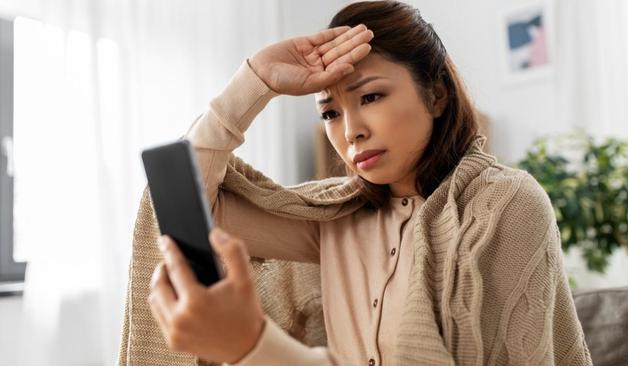
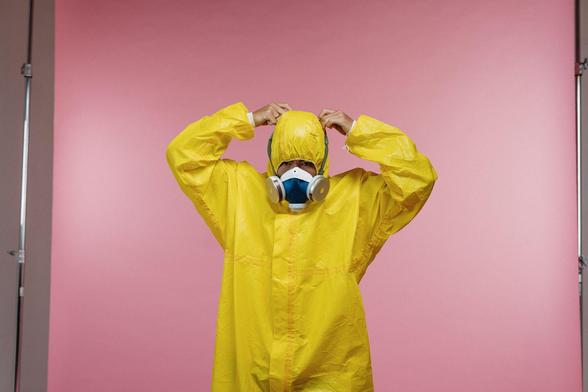
You Google symptoms for reassurance…
You find a possible diagnosis…
You feel worse.
That’s the “false reassurance” loop. It’s why every search leads to more fear, not relief.
Discover the psychology behind health anxiety and how to stop the spiral.
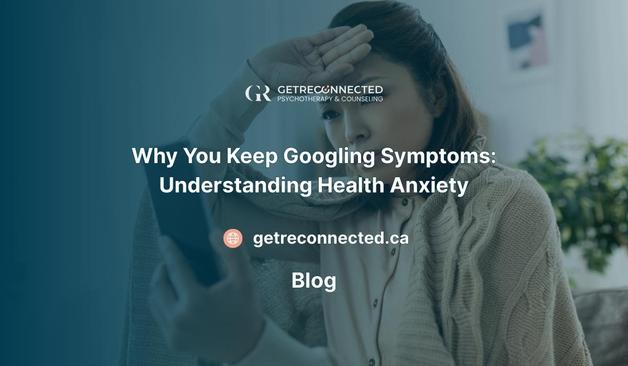
You Google symptoms for reassurance…
You find a possible diagnosis…
You feel worse.
That’s the “false reassurance” loop. It’s why every search leads to more fear, not relief.
Discover the psychology behind health anxiety and how to stop the spiral.
Why We Obsessively Google Symptoms
Ever caught yourself Googling symptoms at 2 AM? You’re not alone. That urge isn’t just curiosity; it’s your brain’s way of seeking control and reassurance.
The problem? The more you search, the more anxious you feel. Learn why this happens (and what to do instead) in our latest blog by Janki Shah.
Health anxiety is not about being dramatic or weak; it is your nervous system stuck in a loop of scanning, Googling, reassurance seeking, and still never feeling settled, because fear convinces your body that certainty equals safety even when none exists.
If this sounds familiar, save this post or reach out to talk about how to step out of the loop instead of fighting it alone.
#HealthAnxiety #AnxietyRecovery #NervousSystemHealing #MentalHealthSupport #AnxietyTherapy
Googling symptoms is usually not about curiosity, it is about trying to feel safe when your body feels unpredictable.
The problem is that reassurance rarely lasts, and the cycle quietly trains your nervous system to stay on edge instead of learning how to tolerate uncertainty.
In therapy, we slow this pattern down and work with what is actually driving the anxiety, not just the urge to search.
#HealthAnxiety
#AnxietyAwareness
#NervousSystemRegulation
#MentalHealthSupport
#TherapyWorks
**🚨 Lo sợ ung thư, đột quỵ, phụ nữ đi khám cả chục lần trong 11 tháng!**
Một trường hợp ám ảnh bệnh tật nghiêm trọng: Bà N.M.N. liên tục đi khám và yêu cầu xét nghiệm chuyên sâu dù không phát hiện tổn thương nguy hiểm. Cảnh báo về tình trạng lo âu quá mức ảnh hưởng sức khỏe tinh thần!
#SứcKhỏe #TâmLý #UngThư #ĐộtQuỵ #HealthAnxiety #MentalHealth
I have really bad health anxiety, especially if it’s an accident that could have been avoided.
I was reheating some some, 1st spoonful was warm, but the second one was really hot. So of course my brain has told me not to sleep tonight in case it swells up.
I’ve drank about 2 litres of very cold water, eaten 2 ice poles (the very long ones.) so far, and had a gargle.
It’s not bothering me too much, pain wise.
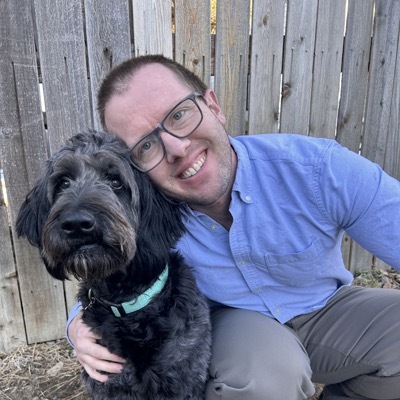
As someone prone to health anxiety, and an epidemiologist in training, I get the occasional scare.
Today I was halfway through leaf-blowing our garage before noticing mouse droppings. In Colorado, deer mice are common. They are the primary reservoir of Hantavirus, which spreads via aerosolized feces and urine (CDC, 2025).
For repeated occupational exposure, Hantavirus has an estimated attack rate of 0.00071, or 1 case per 1,412 individuals exposed via rodent handling (PMID: 18252096). This, however, was a short, one-time exposure.
With a Case Fatality Rate (CFR) of ~35% (PMID: 21762572), my estimated odds of infection from this incident are about 1 in 3,332, then a 35% chance of death if infected.
The risk is low, but the reminder is important: never sweep or blow around mouse droppings. Spray, soak, and wipe. Even anxious epidemiologists need that reminder.
CDPHE - https://www.cdc.gov/hantavirus/about/index.html
#Hantavirus #HealthAnxiety #Epidemiology #InfectiousDiseaseEpidemiology #EnvironmentalEpidemiology
People often avoid doctor’s appointments due to the fear of discovering a serious illness.
If you experience this fear, it’s normal and you’re not alone. Remember, most serious illnesses are less severe if detected and treated promptly.
#HealthAnxiety #DoctorVisits #EarlyDetectionSavesLives #MedicalCare #YouAreNotAlone