Trout – dark green water and fish
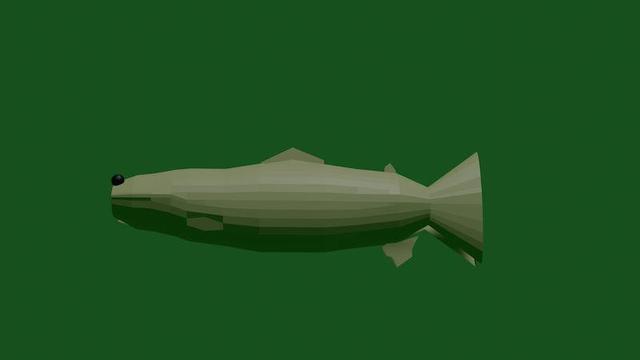
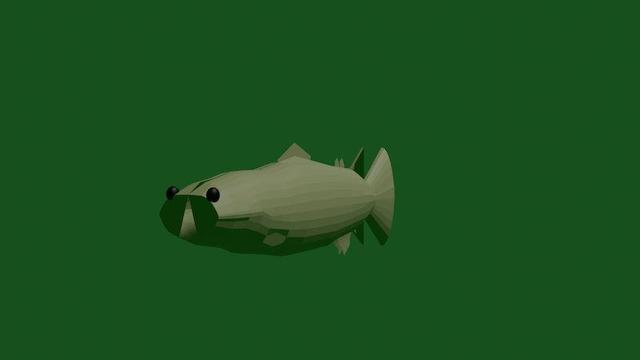
Trout also lives in its own pond. The water is green here. Excellent water. Perfect. To do all its business here. To swim. To sleep. To do whatever. The pond is large. With branches off in different directions. It's more fun to swim here. The sand is very soft. You just sink into it. It's easy to bury yourself in it.And there's nothing else there. Just clean sand
#trout #fish #pond #sea #place #friend #littleanimals #greenwater #fin #dive #water #depth #lake
💚 Detox Green Water = Summer Saviour! 💦
Infuse cucumber, lemon, mint & tulsi in water—chill for 3 hrs & sip!
✨ Benefits:
✔ Detoxifies
✔ Boosts digestion & skin health
✔ Hydrates naturally
📍 Learn more: cureforsure.com
📌 Read More: https://cureforsure.com/blog/2020/05/20/detox-green-water-recipe-cucumber-lemon-tulsi-mint-2/
📸 Follow us on Instagram: @cure_for_sure
📞 Contact: +91 9004980060
🌿 Try it & feel refreshed!
#GreenWater #HealthySummer #CureForSure
This study on iodinated contrast agents (ICAs) and gadolinium-based contrast agents (GBCAs) found that 93% of patients participated in this #sustainability initiative, which resulted in a potential recovery rate of 51% (ICAs) and 13% (GBCAs), helping to reduce environmental impact. (Moreno Zanardo et al.)
#EuropeanRadiology #GREENWATER
🔗 https://buff.ly/3YMaq9R
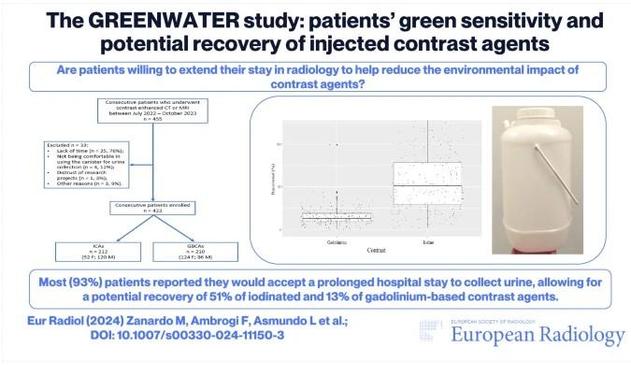

The GREENWATER study: patients’ green sensitivity and potential recovery of injected contrast agents - European Radiology
Objectives The environmental footprint of iodinated contrast agents (ICAs) and gadolinium-based contrast agents (GBCAs) is noteworthy. This study assesses: (1) patients’ “green sensitivity” as measured by their acceptance in a sustainability study and (2) the resulting potential reduction of contrast residuals in wastewater. Materials and methods After ethical approval, participants scheduled for administration of ICAs or GBCAs for diagnostic purposes were enrolled in this prospective observational study from July 2022 to October 2023. They were asked to prolong their hospital stay by up to 60 min to collect their first urine in dedicated canisters, thereby measuring the recovery rates of ICAs and GBCAs as found/theoretical ratio of concentrations. Mann–Whitney U, χ2 tests, and multivariable regression analysis were used. Results Patients scheduled for contrast-enhanced CT or MRI (n = 455) were screened; 422 (92.7%) accepted to participate. We enrolled 212 patients administered with ICAs and 210 administered with GBCAs. The median recovery rate was 51.2% (interquartile range 29.2–77.9%) for ICAs and 12.9% (9.0–19.3%) for GBCAs. At multivariable analysis, a significant effect of patient age (ICAs, p = 0.001; GBCAs, p = 0.014), urine volume (p < 0.001 for both), and time interval from contrast administration to urine collection (p < 0.001 for both) on recovery rates was found for both contrast agents; injected contrast volume (p = 0.046) and saline flushing usage (p = 0.008) showed a significant effect only for ICAs. Conclusion The high patient enrollment compliance (93%) and potential recovery rates of 51% (ICAs) and 13% (GBCAs) play in favor of sustainable practices in reducing the environmental footprint of contrast agents. Key Points Question How many patients are willing to extend their stay in radiology by up to 60 min to help reduce the environmental impact of contrast agents? Findings Over 90% of screened patients agreed to extend their stay by up to 60 min and collect their urine in dedicated containers. Clinical relevance Patients demonstrated a high willingness to cooperate in reducing the environmental impact of contrast agents, allowing for a potential recovery of approximately 51% for iodinated and 13% for gadolinium-based contrast agents. Graphical Abstract
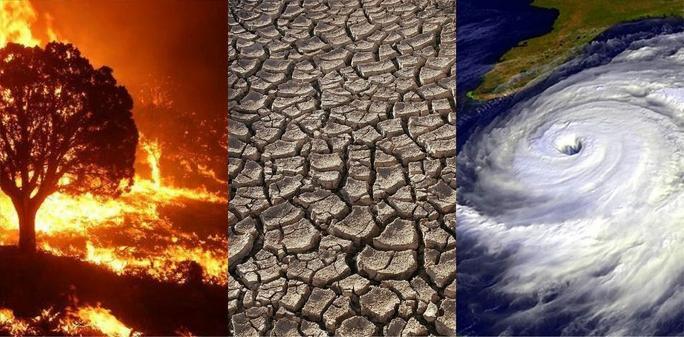
Water scarcity is becoming a global crisis. The hydrological cycle is out of balance due to decades of exploitation. Freshwater is a common good, but can we reshape our systems in time? 💧
#ClimateCrisis #WaterSecurity #GreenWater #AgeOfExtinction🌳 Ecosystem Restoration Critical for Water Security 🌳
Green water (in soils, plants) is integral for stable rainfall, carbon capture, and food production. Protecting these systems could be key to mitigating future droughts and floods.
#GreenWater #ClimateAdaptation https://buff.ly/4f4C4FI
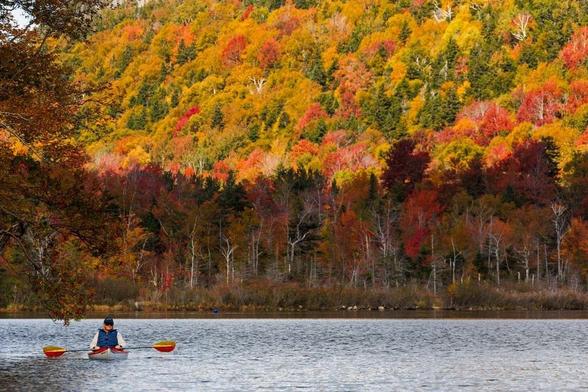
The colors of the world are changing as climate change is morphing nature’s most beautiful sights
Warming global temperatures can turn brilliant fall foliage colors brown and ocean waters bright green
 DimaLink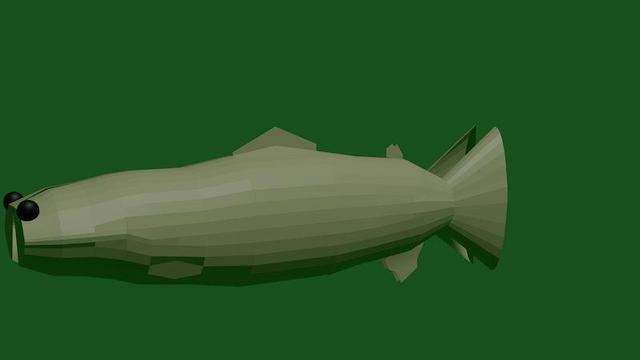
 mikhu
mikhu
 keadamander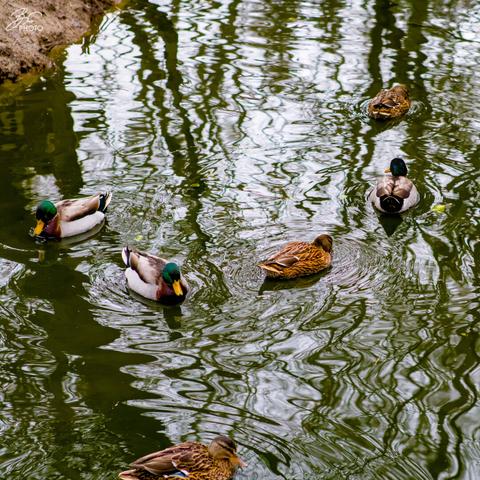
 CURE FOR SURE
 Gräwwel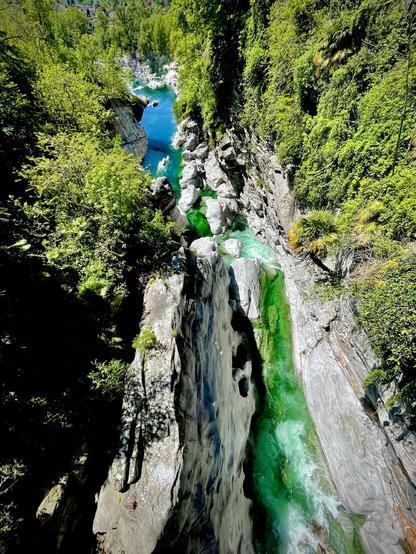
 Gräwwel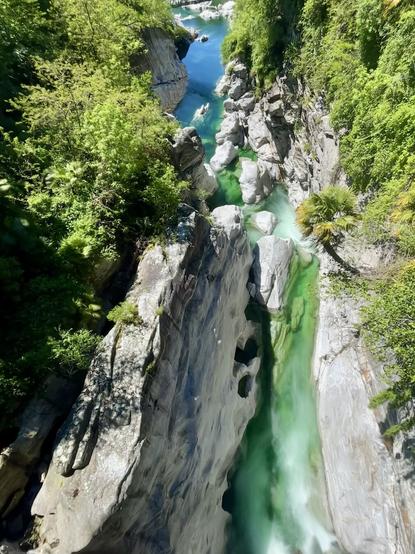
 Guerric Haché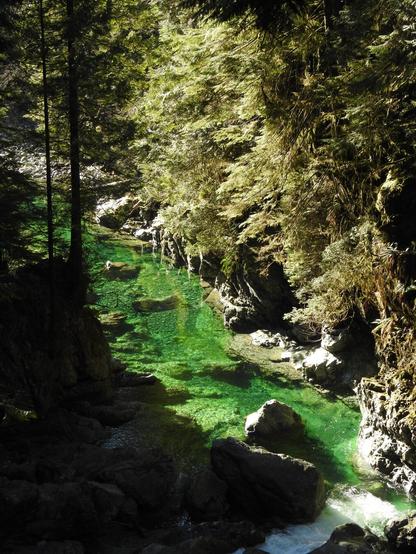
 European Radiology
 Julian D 🏳️🌈 #FBPE #RejoinEU