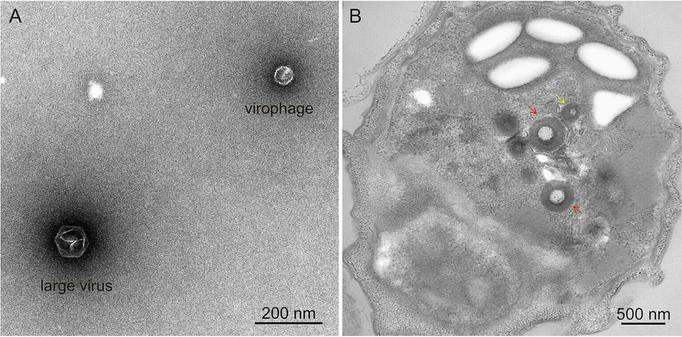
Exploring the new #fungi identified in 2025 https://fems-microbiology.org/femsmicroblog-exploring-the-new-fungi-identified-in-2025/ by Dr. Sarah Wettstadt

"From ant-manipulating fungi in Brazil to #RustFungi in Pakistan, and fungi from the #plastisphere in South Korea, 2025 revealed how diverse fungi are, and which ecological roles they play. Also, bamboo-dwelling species with unique morphologies caught our eye, highlighting the beauty of nature."
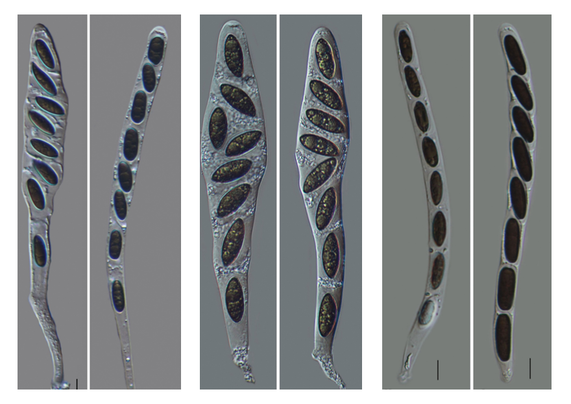
#NewSpecies #FEMSmicroBlog #NewMicrobes

New #bacteria identified in 2025 https://fems-microbiology.org/femsmicroblog-new-bacteria-identified-in-2025/

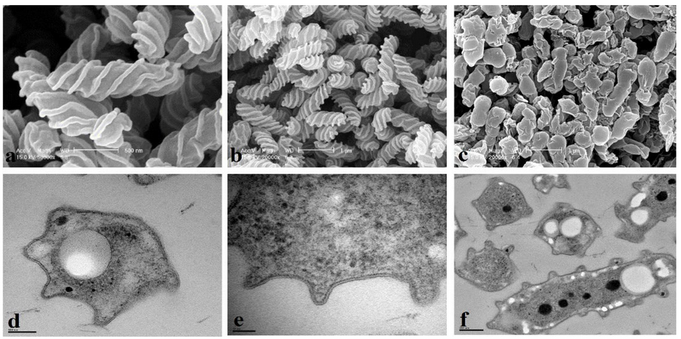
"When grown in high-nutrient media, Rugositalea oryzae produced smooth, rod-shaped cells. Grown in low-nutrient media, however, they showed wrinkles and transformed into shapes similar to fusilli pasta. By producing these wrinkles, cells can hold more transporters in the cell membrane to take up more nutrients from the environment."

#FEMSmicroBlog #NewSpecies #Microbes

#FEMSmicroBlog: The incredible world of archaeal viruses
https://fems-microbiology.org/femsmicroblog-the-incredible-world-of-archaeal-viruses/

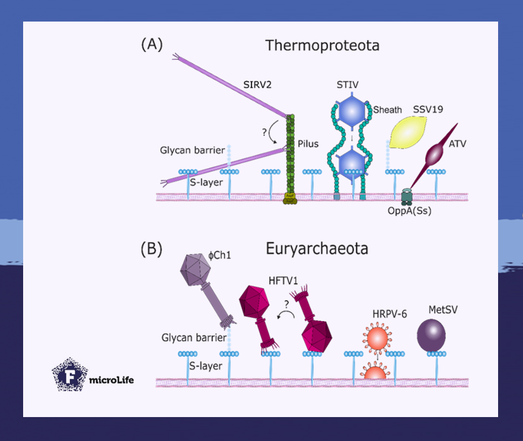
Review: Archaeal #virus entry and egress https://academic.oup.com/microlife/article/doi/10.1093/femsml/uqad048/7505774

"Archaeal #viruses have a broad range of morphologies, with many families showing unique shapes. In comparison to other viruses, most aspects of the infection cycles of viruses of #Archaea and their genomic features remain unexplored."

#FEMSmicroBlog: The incredible world of archaeal viruses - FEMS

Like all organisms from the three domains of life, archaea suffer from viral infections. While molecular mechanisms for viruses infecting humans or bacteria are well characterized, archaeal viruses are still understudied due to the difficulty of cultivating archaeal strains or sampling bias. The short review β€œArchaeal virus entry and egress” gives an overview of the […]

FEMS

#FEMSmicroBlog: Mangrove trees in the #Caribbean as cyanobacterial reservoirs
https://fems-microbiology.org/femsmicroblog-mangrove-trees-in-the-caribbean-as-cyanobacterial-reservoirs/

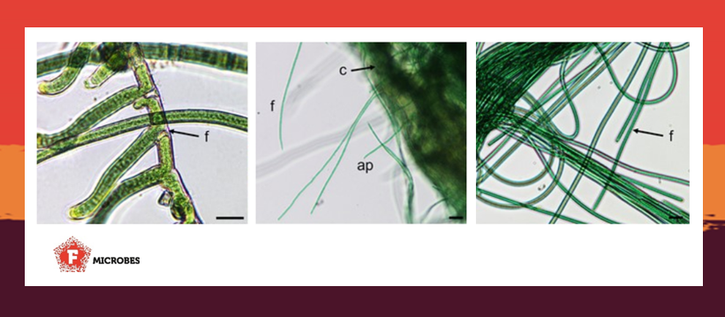
Genomes of nine #biofilm-forming filamentous strains of #Cyanobacteria isolated from #mangrove habitats of #Guadeloupe https://academic.oup.com/femsmicrobes/article/doi/10.1093/femsmc/xtad024/7473707

"Within each of these genera, strains have variable metabolic abilities. For example, only two of the four Karukerafilum strains contain genes for nitrogen fixation, an ecologically important function in mangrove ecosystems."

#FEMSmicroBlog: Mangrove trees in the Caribbean as cyanobacterial reservoirs - FEMS

Cyanobacteria are important for aquatic ecosystems as they produce numerous bioactive molecules. Many cyanobacteria form large biofilms on different surfaces which can even become visible to the naked eye. The study β€œGenomes of nine biofilm-forming filamentous strains of Cyanobacteria (genera Jaaginema, Scytonema, and Karukerafilum gen. nov.) isolated from mangrove habitats of Guadeloupe (Lesser Antilles)” identified […]

FEMS

I have started contributing to the #MicrobiologyInArt section of #FEMSmicroBlog (by FEMS).
In my first post, I tried to find out why microbiology comics are so popular now β€” and why more and more people engage in this area?

❓ What would be your reaction, if tomorrow you will receive a letter from a journal editorial office requesting to provide a comic abstract for your article?

https://fems-microbiology.org/femsmicroblog-microbiology-going-comic/

#FEMSmicroBlog: Microbiology going comic - FEMS

For a while, educational microbiology was only found in textbooks. Gladly, it transformed into new forms, such as microbiology-related comics.

FEMS

Visualising the soil #mycelium https://fems-microbiology.org/femsmicroblog-fungal-drops-visualising-the-soil-mycelium/

#Fungal drops: a novel approach for macro- and microscopic analyses of fungal mycelial growth https://academic.oup.com/microlife/article/doi/10.1093/femsml/uqad042/7321574

"Replicating the three-dimensional heterogeneity of #soil systems in the laboratory is extremely difficult. The Fungal Drops method addresses this challenge by creating a controlled and heterogeneous two-dimensional environment."

#Fungi #Mushrooms #FEMSmicroBlog

#FEMSmicroBlog: Fungal drops to visualize the soil mycelium

The Fungal Drops Method is a new technique to better understand the development of microbial filaments and explore the fungal lifestyle.

FEMS
#FEMSmicroBlog: New viruses discovered in 2023 - FEMS

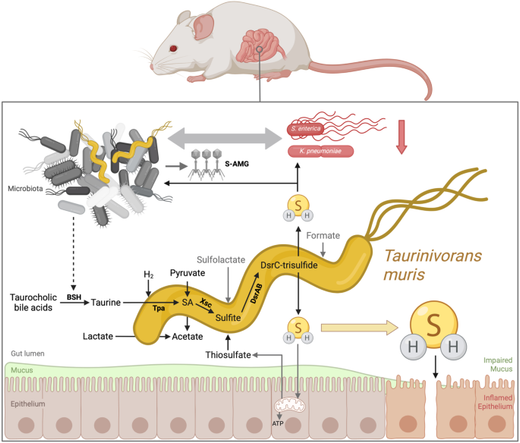
In 2023, several viruses were identified and characterised. Here, Sarah introduces a few new viruses that expand the viral world.

FEMS

New #bacteria discovered in 2023 https://fems-microbiology.org/new-bacteria-discovered-in-2023/

Dr. Sarah Wettstadt: "As the year 2023 comes to an end, it is again time to look at some new bacterial members of our microbial world. As always, the list has been extensive, making it difficult to choose a few interesting bacteria to present."

#NewSpecies #Microbes #FEMSmicroBlog #FascinatingMicrobes

New bacteria discovered in 2023 - FEMSmicroBlog

In 2023, several bacteria were identified and characterised. Here, Sarah introduces four new bacteria that expand the bacterial world.

FEMS

Seven new fungi discovered in 2022 https://fems-microbiology.org/femsmicroblog-seven-new-fungi-discovered-in-2022/ #NewSpecies #Microbes #Biodiversity

Often only associated with their seasonal, ephemeral manifestations (#mushrooms), #fungi are in fact an extremely vast and still rather mysterious kingdom. In this #FEMSmicroBlog post, Corrado Nai presents seven new fungi discovered in 2022 – just a minuscule fraction of the astounding fungal #diversity out there.

#FEMSmicroBlog: Seven new fungi discovered in 2022 - FEMS

People tend to forget that fungi are microorganisms too. Often only associated with their seasonal, ephemeral manifestations (mushrooms), fungi are in fact an extremely vast and still rather mysterious kingdom. In this #FEMSmicroBlog post, Corrado Nai presents seven new fungi discovered in 2022 – just a minuscule fraction of the astounding fungal diversity out there. […]

FEMS

#FEMSmicroBlog: Five new environmental viruses discovered in 2022 https://fems-microbiology.org/femsmicroblog-five-new-environmental-viruses-discovered-in-2022/ #FascinatingMicrobes

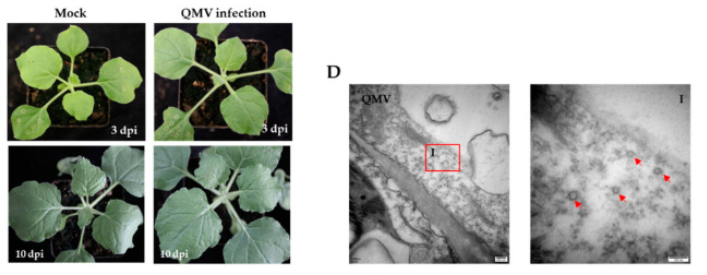
#Viruses not only have clinical impacts on us, but they also infect other species, like animals, plants and even unicellular organisms. Sarah Wettstadt highlights a few newly discovered viruses found in the environment in #2022 and what we can learn from them.

Welcome to the new environmental viruses discovered in 2022 - FEMS

In 2022, many new viruses were isolated and characterized in the environment. Learn here more about some of them.

FEMS