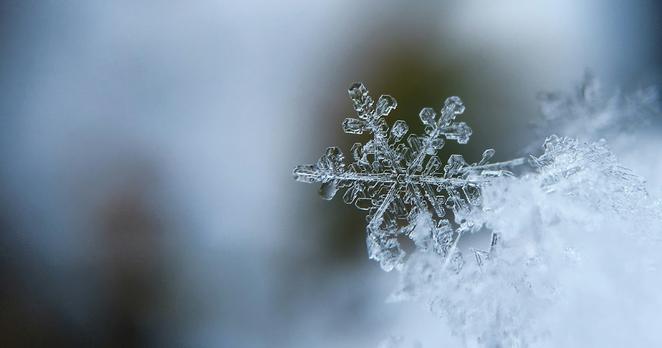
Recent research reveals that ice is an active chemical environment that significantly accelerates the breakdown of iron minerals, releasing more iron into ecosystems than current environmental models predict.
#EnvironmentalChemistry #Geochemistry #ClimateScience #sflorg
https://www.sflorg.com/2026/05/env05262601.html
Ice Accelerates Iron Release From Minerals

Discover how freezing water speeds up iron mineral breakdown, releasing more trace nutrients than current climate models predict.

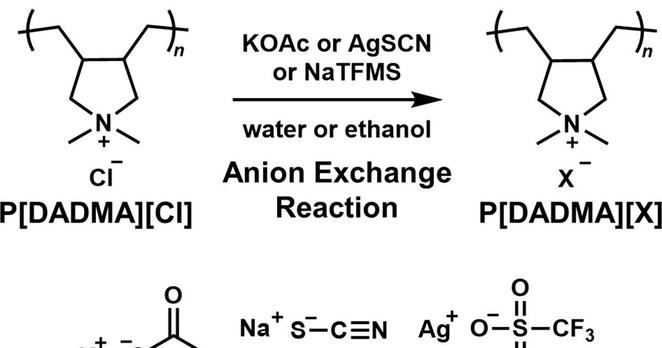
Poly(ionic liquid)s (PILs) can achieve exceptionally high carbon dioxide (CO₂) adsorption rates when their counter anions are exchanged and inorganic salt impurities are strictly eliminated.
#MaterialsScience #ChemicalEngineering #EnvironmentalChemistry #sflorg
https://www.sflorg.com/2026/05/ms05102601.html
New Material Technology Boasts High-Performance Carbon Dioxide Absorption

how purifying Poly(ionic liquid)s and increasing counter anion size boosts CO2 adsorption by 7x, advancing carbon capture technologies.

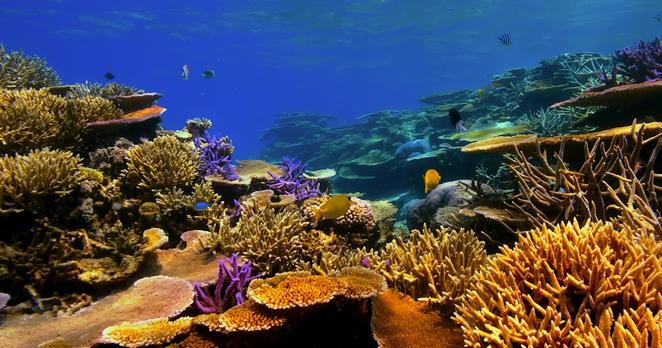
Scleractinian #corals function as biological archives, absorbing and accumulating anthropogenic compounds—such as pharmaceuticals, herbicides, and personal care products—within their tissues. This process provides a time-integrated record of chemical exposure and pollution in marine ecosystems.
#Ecotoxicology #MarineBiology #EnvironmentalChemistry #Oceanography #sflorg
https://www.sflorg.com/2026/04/mb04302601.html
How corals reveal the ocean’s hidden chemical footprint

Discover how corals bioaccumulate pharmaceuticals and herbicides, revealing the hidden chemical footprint of human activity in marine ecosystems.

Floating photocatalyst turns sunlight into radicals that disinfect water in minutes

Smartphone torchlight powerful enough to generate bactericidal oxygen-centred organic radicals to purify water

Pure Science News
Floating photocatalyst turns sunlight into radicals that disinfect water in minutes

Smartphone torchlight powerful enough to generate bactericidal oxygen-centred organic radicals to purify water

Pure Science News
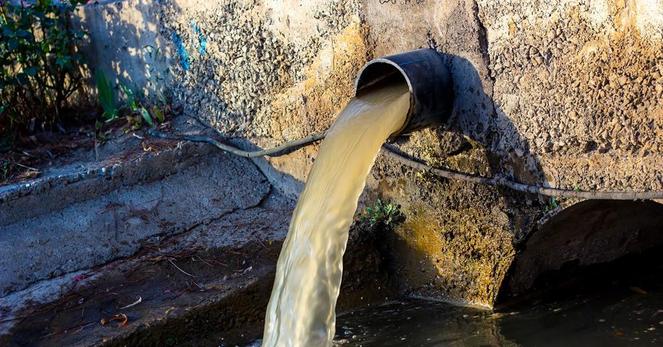
Mycoaugmentation involves the application of white-rot fungi, such as oyster (Pleurotus ostreatus) and turkey tail (Trametes versicolor) mushrooms, to degrade and neutralize persistent psychoactive pharmaceutical residues found in biosolids, the nutrient-rich byproducts of wastewater treatment.
#Environmental #Engineering #Bioremediation #Mycology #EnvironmentalChemistry #sflorg
https://www.sflorg.com/2026/03/env03192601.html
White-Rot Fungi Show Promise for Reducing Pharmaceutical Residues in Biosolids

Two species of white-rot fungi remove most of the psychoactive pharmaceuticals tested—sometimes almost completely—in biosolids

Now published in Peer Community Journal, #ecotoxicology and #environmentalchemistry section: Exposure to a mixture of organic pollutants in a threatened freshwater turtle Emys orbicularis: effects of age, sex, and temporal variation
https://peercommunityjournal.org/articles/10.24072/pcjournal.684/
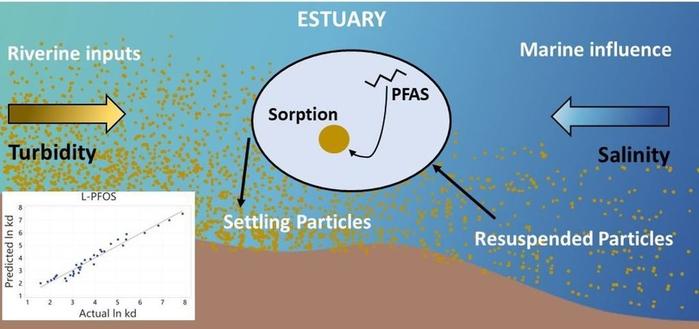
Now published in Peer Community Journal, #ecotoxicology and #environmentalchemistry section: Investigation of the combined influence of salinity and particle concentration on the adsorption of anionic and zwitterionic PFAS onto estuarine sediment using the RSM modelling approach
https://peercommunityjournal.org/articles/10.24072/pcjournal.645/

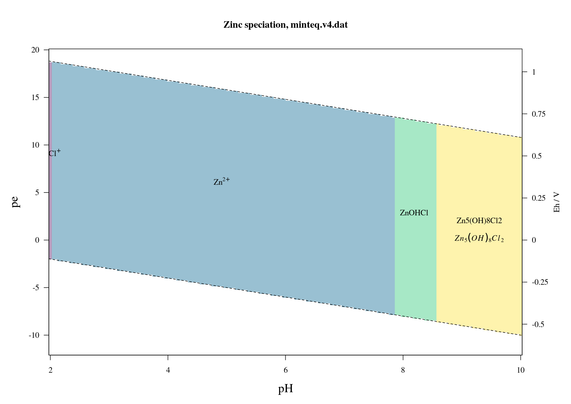
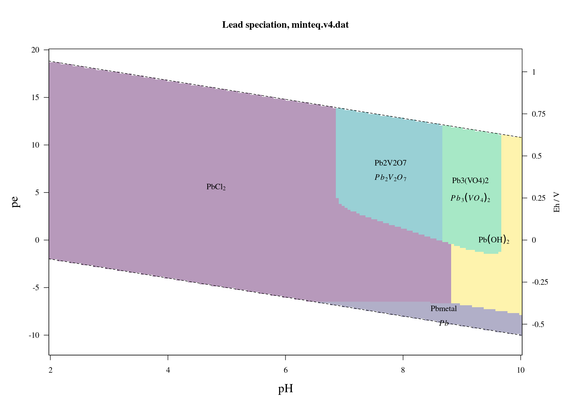
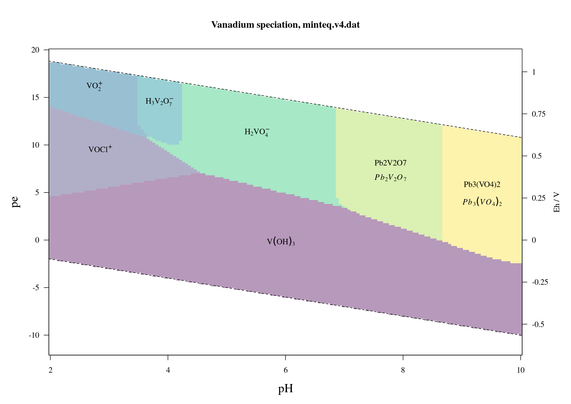
💧 In my geochemical research, I often go beyond pure PHREEQC and use the RedModRphree package in R.
It’s a powerful bridge between thermodynamic modeling and data analysis — allowing Pourbaix (Eh–pH) diagrams to be computed for complex, multicomponent systems with a focus on a specific element.

Here are examples of modeled speciation diagrams for vanadium, lead, and zinc, based on the same high mineralized water sample composition.
They clearly illustrate how each element behaves under changing redox and pH conditions — from soluble oxyanions to sparingly soluble solid phases.

#Geochemistry #Rstats #PHREEQC #DataScience #EnvironmentalChemistry #Hydrogeology #Redox #PourbaixDiagram #Thermodynamics #OpenScience #RedModRphree

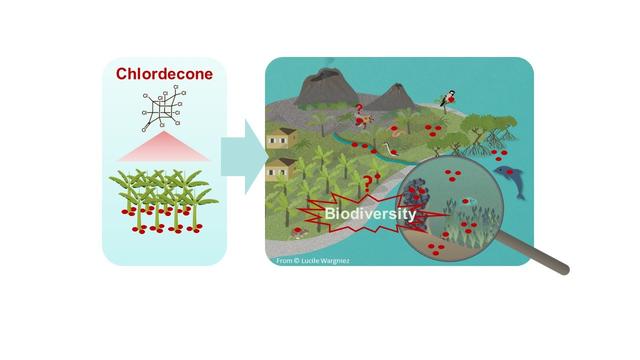
Now published in Peer Community Journal, #ecotoxicology and #environmentalchemistry section: Impact of chlordecone pollution on biodiversity: The blind spot of 15 years of public policy in the French West Indies
https://peercommunityjournal.org/articles/10.24072/pcjournal.634/