 Eugene
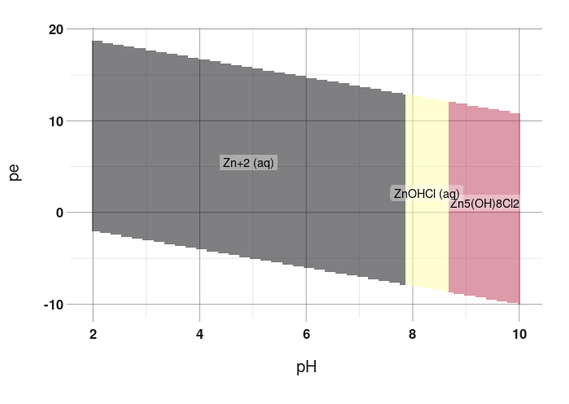
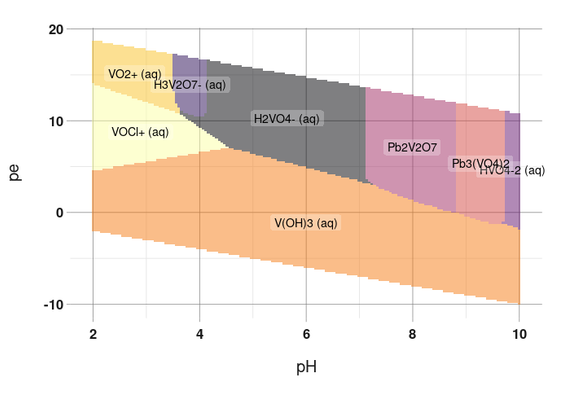
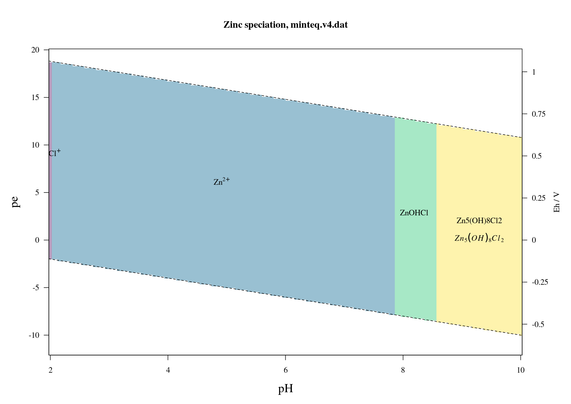
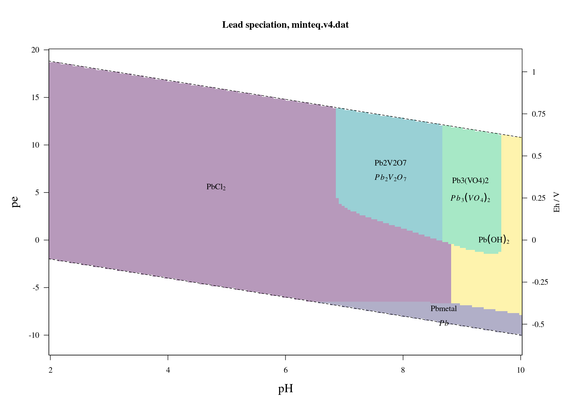
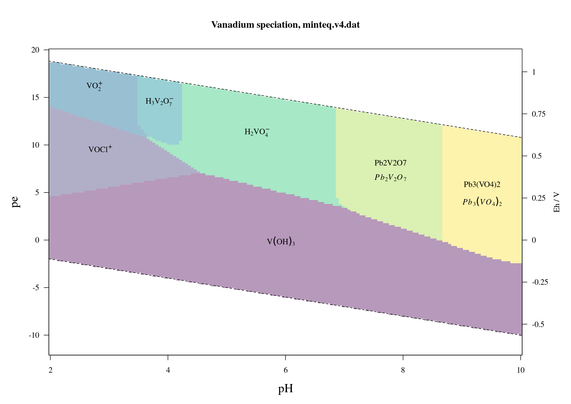
Updating the graphical materials for the new edition of the monograph on the thermodynamic modeling of processes in technogenic waters. The figures present pe-pH stability (Pourbaix) diagrams for the vanadium and zinc systems, calculated using the PHREEQC core engine. Unlike simplified "water–element" systems, these models compute the thermodynamic equilibrium of the comprehensive solution matrix, accounting for actual macrocomponent concentrations, ionic strength, and ligand competition at every point of the computational space. Utilizing multicomponent calculations allows for the analysis of physicochemical processes in real water samples, rather than simply reproducing idealized "textbook diagrams".
#Geochemistry #PHREEQC #RStats #MineWater #EnvironmentalScience #DataScience #SvystunovaGully #RedModRphree #FOSS