When Ambition Masquerades as Calling

DID YOU KNOW

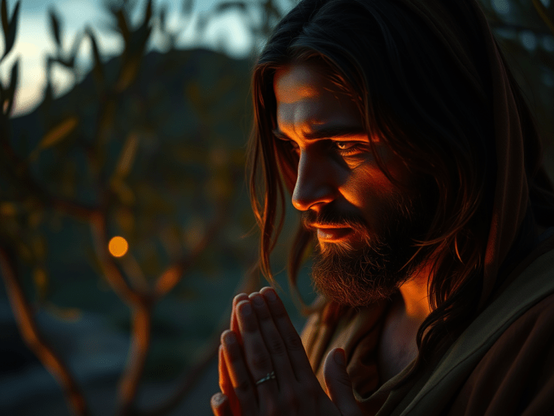
The Scriptures are remarkably honest about power—how easily it seduces the human heart and how subtly it disguises itself as virtue. The desire to matter, to be heard, to shape outcomes, and to leave a mark is not inherently sinful. Yet Scripture consistently warns that when ambition slips from obedience into self-assertion, it begins to fracture both the soul and the community around it. The passages before us—Exodus 4–6, John 1:19–34, and Song of Solomon 1:5–7—invite us to examine not only what we do for God, but why we do it. They expose the tension between calling and control, between faithfulness and the hunger for recognition, and they offer a wiser, gentler way forward.

Did you know that God often confronts the misuse of power long before it becomes obvious to us?

In Exodus 4–6, Moses stands at the threshold of divine calling, yet his struggle is not merely fear—it is control. Moses repeatedly resists God’s commission, offering objections that sound humble but reveal a deeper issue: reluctance to trust God’s sufficiency apart from personal competence. Power, in this sense, is not domination but self-reliance. God’s patience with Moses is striking, yet so is His firmness. The Lord reminds Moses that authority does not originate in personality, eloquence, or confidence, but in divine commissioning. “Who has made man’s mouth?” the Lord asks (Exodus 4:11). Power that flows from God does not need embellishment; it needs obedience.

This same pattern appears whenever calling and ambition blur together. The danger is not that Moses wanted to do well, but that he hesitated to relinquish control over how the calling would unfold. Scripture shows us that God often addresses this early, before success compounds the problem. Left unchecked, misplaced ambition hardens into entitlement. God’s confrontation, though uncomfortable, is an act of mercy. It preserves the integrity of the calling by separating it from the ego. Power that is received humbly remains life-giving; power that is seized corrodes from within.

Did you know that John the Baptist’s greatness is revealed more by what he refused than by what he accomplished?

In John 1:19–34, religious leaders press John with a question that carries enormous temptation: “Who are you?” The cultural and spiritual climate was ripe for a self-proclaimed savior, and public affirmation could have elevated John instantly. Yet his answers are startlingly restrained. “I am not the Christ.” “I am not Elijah.” Only after repeated questioning does he speak, and when he does, he quotes Isaiah: “I am the voice of one crying in the wilderness.” John defines himself not by status, but by assignment. He is content to be a voice, not the Word.

This restraint is spiritually rare. Affirmation can be more dangerous than opposition because it invites us to overstep boundaries God has not given. John refuses borrowed authority, even when it would have benefited him. He does not deny his role, but he does not inflate it either. Later, Jesus affirms that John did indeed come in the spirit of Elijah (Matthew 17:12–13), but that recognition belonged to God, not to John. The result of this humility is extraordinary: John is entrusted with baptizing Jesus Himself. Scripture suggests that relinquished power often leads to deeper participation in God’s work than grasped authority ever could.

Did you know that Scripture distinguishes sharply between influence rooted in calling and influence rooted in self-promotion?

Modern language often softens the word “power” by replacing it with “influence,” yet the biblical concern remains the same. Influence becomes spiritually corrosive when it exists for self-expansion rather than service. John the Baptist’s ministry drew crowds, yet he consistently redirected attention away from himself. “He must increase, but I must decrease” (John 3:30). This is not false humility; it is accurate alignment. John understood that influence given by God has a shelf life and a purpose, and both are defined by obedience, not visibility.

Song of Solomon 1:5–7 offers a poetic counterpoint to this temptation. The speaker acknowledges both beauty and vulnerability: “I am dark, but lovely.” There is no pretense here, no grasping for validation. Instead, there is an honest desire to remain close to the beloved rather than to be admired by others. Spiritually speaking, this posture guards the heart. When ambition begins to dictate decisions, calling loses clarity. But when closeness to God becomes the priority, influence takes its proper shape—as something received, stewarded, and eventually released.

Did you know that the Spirit of God confirms true calling through alignment, not applause?

One of the most difficult lessons in the life of faith is discerning whether affirmation comes from God or from human expectation. The road between faithful ambition and destructive power is, as Scripture suggests, narrow and uneven. Yet there is a quiet confirmation that accompanies obedience. It is not adrenaline or recognition, but a deep, steady sense of rightness before God. John the Baptist’s confidence did not come from popular support but from spiritual alignment. He knew where he stood because he knew whom he served.

This is where the Spirit plays a crucial role. The Spirit does not inflate ambition; He refines it. When calling and obedience align, there is an inner witness that transcends outcomes. Even when the path is difficult—as it was for Moses and John—there remains a settled assurance that God is at work. Conversely, when ambition distorts calling, restlessness follows. Scripture invites us to examine not only our actions but their motivation. Are we building something for God, or are we asking God to bless what we are building for ourselves?

As you reflect on these passages, consider where the pull of power may be shaping your decisions. Are there places where affirmation has begun to outweigh obedience? Are there roles you are tempted to claim rather than receive? The examples of Moses and John the Baptist remind us that God does not need us to be impressive; He asks us to be faithful. True calling does not require grasping, defending, or self-promotion. It rests securely in the hands of the One who gives authority and removes it in His time. The invitation is simple but searching: to walk humbly, listen carefully, and allow God—not ambition—to define both the scope and shape of your life.

FEEL FREE TO COMMENT, SUBSCRIBE, AND REPOST, SO OTHERS MAY KNOW


#biblicalLeadership #ChristianHumility #JohnTheBaptistDevotion #powerAndAmbitionInTheBible #spiritualCallingAndObedience #surrenderingControlToGod

When a Little Folly Carries Great Weight

DID YOU KNOW

Did you know that Scripture consistently warns how something small and seemingly insignificant can quietly undo wisdom, influence, and credibility?

Ecclesiastes captures this truth with striking imagery: “Dead flies make the perfumer’s ointment give off a foul odor; so a little folly outweighs wisdom and honor” (Ecclesiastes 10:1). The image is intentionally unsettling. A costly fragrance, carefully prepared, is ruined not by sabotage or catastrophe, but by neglect—something small left unattended. In the same way, a life shaped by wisdom, discipline, and integrity can be undermined by unchecked folly. The Preacher is not describing an outright rejection of wisdom, but a subtle erosion of it. Folly, when tolerated, does not announce itself loudly; it quietly contaminates what once seemed sound.

This observation speaks directly to everyday spiritual formation. Most believers do not abandon faith through dramatic rebellion. More often, erosion occurs through small compromises—habits left unexamined, attitudes justified, reactions excused. Ecclesiastes invites us to examine not only our public righteousness but the quieter corners of our lives. Wisdom is not merely what we know but what we guard. This text challenges the assumption that longevity in faith automatically produces maturity. Without vigilance, even honor can be outweighed by folly. Scripture does not offer this insight to induce fear, but discernment—a call to attend carefully to what we allow to linger within our hearts and behaviors.

Did you know that Scripture acknowledges the painful reality that unfit leaders are often elevated, while capable and faithful people are overlooked?

The Preacher laments, “I have seen slaves on horses, and princes walking on the ground like slaves” (Ecclesiastes 10:7). This is not merely social commentary; it is theological realism. The Bible does not deny injustice or minimize the frustration of misaligned authority. Genesis 41 offers a striking contrast in Joseph, whose wisdom and humility eventually led to responsible authority, yet only after long seasons of obscurity and suffering. Scripture affirms that leadership out of step with wisdom creates suffering, confusion, and discouragement for those under it.

Yet Ecclesiastes does something unexpected. Rather than encouraging rebellion or withdrawal, it counsels restraint: “If the anger of the ruler rises against you, do not leave your place, for calmness will lay great offenses to rest” (Ecclesiastes 10:4). This is not an endorsement of injustice, but a recognition of how wisdom often operates quietly rather than forcefully. Calmness, patience, and humility can become instructive—even corrective—forces. The text assumes that character speaks when authority fails. Scripture consistently points believers toward responses that reflect God’s righteousness rather than merely reacting to human folly. This posture is not passive; it is profoundly disciplined.

Did you know that Scripture grounds our response to human folly in the reality that we ourselves stand fully exposed before God?

Hebrews reminds us that “no creature is hidden from His sight, but all are naked and exposed to the eyes of Him to whom we must give account” (Hebrews 4:13). This truth reframes how we view both authority and failure. It strips away moral superiority and confronts us with our own vulnerability. Left to ourselves, our wisdom would not stand. Our thoughts, motives, and intentions would condemn us just as surely as the folly we observe in others. This awareness is not meant to paralyze us but to humble us.

Hebrews does not leave us exposed without hope. The text moves immediately to the assurance that “we have a great high priest who has passed through the heavens” (Hebrews 4:14). Our confidence is not rooted in flawless judgment or perfect restraint, but in the intercession of Jesus Christ. He stands between human folly and divine holiness, mediating grace where judgment would otherwise fall. This truth reshapes how we endure imperfect leadership, unjust systems, and our own mistakes. We are not upheld by our consistency, but by His obedience. Knowing this frees us to respond with humility rather than resentment.

Did you know that Scripture presents Christ’s obedience as the ultimate answer to human folly, not merely as an example but as our covering?

Hebrews teaches that Jesus did not assume priesthood through self-appointment, but through obedience learned in suffering (Hebrews 5:8–9). This obedience stands in stark contrast to the impulsiveness and pride described in Ecclesiastes. Where human authority often collapses under ego or anger, Christ’s authority is marked by submission, patience, and faithfulness. His righteousness does not merely inspire us; it sustains us. We do not stand before God because we have managed our folly well enough, but because Christ has borne it fully.

This truth carries practical weight. When confronted with foolishness—whether in leadership, systems, or ourselves—we are tempted to respond in kind. Scripture calls us higher. Standing in Christ’s righteousness allows us to absorb offense without becoming offensive, to speak truth without arrogance, and to endure hardship without losing hope. Christ’s obedience becomes the soil in which our wisdom grows. We learn not only what to avoid, but how to live faithfully amid imperfection. This is not resignation; it is resilient discipleship, anchored in grace rather than control.

As we reflect on these Scriptures together, a clear invitation emerges. Folly is real, influence can be misplaced, and injustice does occur. Yet Scripture consistently redirects our gaze from human failure to divine faithfulness. The question posed at the end of the study remains deeply personal: how can you respond to authority in a way that reflects God’s righteousness? The answer begins with humility—remembering our own exposure before God—and continues with trust in Christ’s intercession. Wisdom grows not by mastering circumstances, but by abiding in obedience shaped by grace. As you walk forward, consider what small compromises may need attention, where patience might speak louder than resistance, and how Christ’s righteousness might steady your response today.

FEEL FREE TO COMMENT, SUBSCRIBE, AND REPOST, SO OTHERS MAY KNOW


#ChristOurHighPriest #ChristianHumility #Ecclesiastes10 #respondingToAuthority #wisdomAndFolly

Lowered Pride, Lifted by Grace

As the Day Ends

As the evening settles and the noise of the day recedes, Scripture invites us to consider where our hearts have been oriented. The searching question spoken through the prophet—“Who is it you have insulted and blasphemed? Against whom have you raised your voice and lifted your eyes in pride?”—is not merely an ancient rebuke aimed at a defiant king. In 2 Kings 19:22, the Lord exposes a perennial human temptation: to live as though we are the center of meaning, authority, and accomplishment. Pride does not always announce itself loudly. Often it hides beneath competence, urgency, or even religious activity. As the day ends, God’s Word gently but firmly calls us to examine whom we have sought to exalt.

The selected thought presses a necessary truth: by demanding that we seek His glory alone, God is not diminishing us; He is rescuing us. Pride narrows the soul. It fixes our gaze on ourselves and makes the world feel heavy with expectation and fragile with fear. Scripture consistently presents humility as the posture that reopens the soul to God’s sustaining grace. The promise of Isaiah 2:17—“You alone will be exalted in that day”—is not merely future-oriented judgment; it is present-oriented hope. The lowering of human arrogance is the precondition for the lifting of human life. God’s glory is not competitive with our good; it is the source of it.

Evening is a fitting time to remember this. The work of the day is finished. Achievements and failures alike are now beyond our control. In this quiet space, the Spirit invites us to release the need to justify ourselves. The apostle Peter’s counsel—“Humble yourselves under the mighty hand of God, that He may lift you up in due time”—reminds us that humility is an act of trust, not self-contempt. In 1 Peter 5:6, the verb implies a willing placement of oneself under God’s care. To humble ourselves now is to make room for God’s future work. Wonders delayed are not wonders denied; they are often prepared through surrender.

As you prepare for rest, allow the weight of striving to fall away. God does not ask you to manage outcomes tonight. He asks you to entrust your heart to Him. Seeking His glory alone is not an abstract command; it is a daily practice of releasing control, confessing self-reliance, and choosing reverent trust. The night reminds us that the world continues without our supervision—and that is good news. God remains exalted, attentive, and near.

Triune Prayer

Father, I come before You at the close of this day with gratitude and honesty. You have seen every moment—those marked by faithfulness and those clouded by pride. I confess how easily I seek my own recognition, even in subtle ways, and how quickly I forget that all good comes from You. Teach me to revere You rightly, not with fear that pushes me away, but with humility that draws me near. As I rest tonight, help me lay down the burdens of self-importance and receive the quiet gift of Your sustaining care.

Jesus, Son of God, I thank You for showing me what true humility looks like. You did not grasp for glory but entrusted Yourself fully to the Father. As this day ends, I place my life again under Your lordship. Where my pride has distorted my vision or hardened my heart, soften me through Your mercy. Remind me that following You is not about proving my worth but about receiving Your grace. Let Your example shape my thoughts as I reflect on the day and prepare for tomorrow.

Holy Spirit, Spirit of Truth, I welcome Your gentle work within me as I grow still. Search my heart and reveal where pride has taken root. Give me the courage to release those places into God’s hands. Quiet my anxious thoughts and guide me into restful trust. As I sleep, continue to form humility within me so that, in due time, God may be free to lift me according to His wisdom and love.

Thought for the Evening

As you lay down to rest, release the need to exalt yourself and entrust your life to God’s mighty hand. Humility tonight prepares the way for grace tomorrow.

For further reflection on humility and God’s glory, see this resource from Desiring God: https://www.desiringgod.org/articles/the-greatness-of-god-and-the-humility-of-man

FEEL FREE TO COMMENT, SUBSCRIBE, AND REPOST, SO OTHERS MAY KNOW


#ChristianHumility #eveningDevotional #humilityBeforeGod #prideAndSurrender #seekingGodSGlory #trustingGod

When Holy Awe Becomes Daily Faith

DID YOU KNOW

The Bible speaks often about fearing God, yet the kind of fear Scripture invites us into is not terror, but reverent awe. In Ecclesiastes 5:1–2, we are reminded, “Guard your steps when you go to the house of God… for God is in heaven and you are on earth.” The Hebrew word for fear, יִרְאָה (yirah), describes a posture of deep respect, humility, and awareness of God’s greatness. It is the kind of fear that draws us closer rather than pushing us away. In a world that treats God casually or even as a spiritual accessory, Scripture calls us to rediscover holy awe—the kind of reverence that reshapes how we pray, worship, and live.

This theme runs through Genesis, the Gospels, and the wisdom literature alike. From Abraham’s covenant dealings in Genesis 21 to Jesus’ confrontation of hollow religiosity in Matthew 15, God consistently calls His people to approach Him with hearts that are surrendered rather than self-directed. Ecclesiastes captures this beautifully by reminding us that God’s infinite perspective stands in contrast to our limited human vision. When we grasp even a small part of this reality, our relationship with God becomes not only deeper but more honest.

Did You Know… God invites us to listen more than to speak when we come into His presence?

Ecclesiastes 5:1 tells us to come to God ready to listen rather than rush to speak. This challenges a common pattern in modern prayer, where we often treat God like a suggestion box for our worries, dreams, and frustrations. The Hebrew word for “listen” here is שָׁמַע (shama), which means to hear with the intent to obey. God is not merely asking for our attention; He is inviting us into a posture of trust. When we listen first, we allow His wisdom to shape our requests, rather than forcing our desires onto Him.

Jesus echoed this same principle in Matthew 15 when He confronted religious leaders who honored God with their lips but not their hearts. Their words were plentiful, but their listening was absent. True reverence is not loud; it is attentive. When we quiet our hearts before God, we begin to recognize that His guidance is often more insightful than our plans. Listening transforms prayer from a monologue into a relationship.

Did You Know… God’s holiness is not meant to distance us but to draw us into deeper humility?

Ecclesiastes 5 reminds us that God is in heaven while we are on earth, highlighting the vast difference between His nature and ours. This is not meant to shame us, but to orient us. Isaiah had a similar reaction when he saw the Lord, crying out, “Woe is me!” (Isaiah 6:5). Yet it was in that moment of holy awareness that God purified and commissioned him. Holy awe does not push us away; it prepares us for transformation.

This is why fearing God actually leads to spiritual intimacy. Proverbs 9:10 tells us that “the fear of the LORD is the beginning of wisdom.” When we acknowledge God’s greatness, we stop pretending we are in control. That humility opens the door for God to work within us. Reverence is not spiritual distance; it is the doorway to genuine closeness.

Did You Know… we sometimes use God to justify our desires instead of seeking His wisdom?

The story of Rachel and Leah in Genesis 30 shows how even sincere people can manipulate spiritual language to pursue personal agendas. They spoke of God, but often in ways that supported their rivalry rather than surrendered trust. This pattern still exists today. We can easily wrap our ambitions, fears, and preferences in religious language without truly seeking God’s will.

Ecclesiastes warns us against this “sacrifice of fools,” where words are offered without thoughtful submission. God desires honesty, not performance. When we approach Him with humility, He reshapes our desires to align with His purpose. That is when prayer becomes transformative rather than transactional.

Did You Know… the God who is infinitely beyond us has chosen to live within us?

This is perhaps the most astonishing truth of all. The God who reigns over the universe, who commands galaxies and time itself, has chosen to dwell in human hearts through His Spirit. Jesus affirmed this miracle when He promised that the Spirit of God would live in His followers (John 14:17). The same God we approach with awe is the God who walks with us daily.

This reality transforms how we understand reverence. Fear of God is not about distance; it is about honoring the sacred presence within us. When we live with holy awareness, every moment becomes an opportunity to reflect His glory. The God of heaven is not far away; He is near, shaping our lives from the inside out.


As you reflect on these truths, consider your own posture toward God. Do you come to Him rushed, distracted, or self-focused? Or do you approach Him with reverent openness and a listening heart? Fear of God is not about anxiety; it is about awe that leads to trust. When we rediscover that holy wonder, our faith becomes not only deeper but more alive. Let today be a moment when you pause, listen, and honor the God who is both above you and within you.

FEEL FREE TO COMMENT, SUBSCRIBE, AND REPOST, SO OTHERS MAY KNOW

#ChristianHumility #Ecclesiastes5 #fearOfGod #holyReverence #listeningToGod #spiritualAwe

The Tower We Keep Rebuilding

On Second Thought

There is something deeply attractive about the phrase “I did it my way.” It appeals to our longing for autonomy, dignity, and control over our own lives. Yet when Scripture places that instinct under the light of God’s revelation, it exposes both its strength and its danger. Genesis 10–11 presents humanity at a moment of remarkable unity. The people share a language, a vision, and a collective determination. On the surface, the Tower of Babel looks like progress—organization, cooperation, and ambition woven together into a single project. But beneath that impressive coordination lies a restless dissatisfaction with God’s design. Humanity is no longer content to live before God; it wants to reach Him on its own terms.

The builders of Babel were not atheists. They were deeply religious in a distorted way. Their tower was not meant to replace God but to force proximity—to ensure visibility, significance, and security apart from obedience. The text makes this clear when they say, “Come, let us build ourselves a city and a tower with its top in the heavens, and let us make a name for ourselves” (Genesis 11:4, italics added). The Hebrew emphasis rests on ourselves and our name. This is not humility reaching upward in worship; it is pride reaching upward in demand. Ironically, the very unity they celebrated became a threat—not to God, but to themselves. Unchecked human ambition, even when cooperative, can turn destructive when severed from submission.

God’s response often feels jarring to modern readers. “Come, let us go down and there confuse their language” (Genesis 11:7). Yet, this act of judgment is also an act of restraint and mercy. A single-minded humanity bent on self-exaltation would only spiral further into alienation and self-destruction. The scattering of languages interrupts the illusion that unity alone is redemptive. Scripture reminds us that unity without truth, and cooperation without obedience, ultimately fractures rather than heals. As Ecclesiastes later observes, “I hated all my toil in which I toil under the sun, seeing that I must leave it to the man who will come after me” (Ecclesiastes 2:18). Human achievement, detached from God, cannot bear the weight of lasting meaning.

Against this backdrop, the ministry of Jesus in Matthew 9 feels deliberately countercultural. Rather than building monuments, Jesus builds relationships. Rather than gathering power, He gives Himself. He heals, forgives, eats with sinners, and calls the weary to rest. When His disciples ask how to pray, He does not teach them how to summon God downward but how to surrender upward: “Our Father in heaven… your will be done” (Matthew 6:9–10, italics added). The kingdom Jesus announces does not rise through towers but through trust. It does not secure God’s presence by force; it receives God’s presence by grace.

The coming of the Holy Spirit completes what Babel could never accomplish. In John 16:4–15, Jesus promises a Helper who will dwell within God’s people, guiding them into truth. At Pentecost, the confusion of Babel is not erased but redeemed. Languages remain, cultures remain, yet understanding is restored through the Spirit’s work. God does not flatten humanity into sameness; He unites diversity through shared submission to Christ. The presence humanity once tried to reach by brick and mortar is now given freely, dwelling within believers. The tower is replaced by the temple of the heart.

Frank Sinatra’s lyric—“If I didn’t have myself, then I’d have naught”—sounds convincing until Scripture reframes the question. Ecclesiastes confronts us with unsettling honesty: self-possession without God leads to exhaustion, not fulfillment. The Teacher’s reflections are not cynical; they are sober. Pleasure, productivity, legacy—none of them can anchor the soul when God is pushed to the margins. God’s invitation is not to erase the self, but to reorient it. “Whoever wants to save their life will lose it, but whoever loses their life for me will find it” (Matthew 16:25). Doing things God’s way is not self-annihilation; it is self-restoration.

God’s alternative to Babel is not passivity but service. True unity is found not in shared ambition but in shared obedience. Jesus shows us that serving God always flows outward toward serving others. Love, respect, and self-sacrifice are not add-ons to faith; they are its visible shape. The tower impulse still lives in us—in our need to be noticed, to be right, to be in control. Yet Christ gently dismantles those towers, brick by brick, replacing them with a life grounded in trust.

On Second Thought

On second thought, the most surprising paradox in the story of Babel is this: humanity was never closer to losing itself than when it was most united in purpose. We often assume fragmentation is our greatest enemy, that if only we could think alike, speak alike, and act alike, the world would finally heal. Yet Scripture suggests something more unsettling. Unity detached from humility can become just as dangerous as chaos. The tower builders were not divided; they were aligned. What they lacked was not cooperation, but reverence.

On second thought, perhaps the problem is not that we want to reach heaven, but that we want to do so without being changed. Babel was an attempt to ascend while remaining the same—to bring God closer without surrendering control. That impulse persists whenever faith becomes a strategy for self-fulfillment rather than a path of transformation. We pray, plan, and build, yet quietly insist that God bless what we have already decided. The paradox is that God’s “no” at Babel was actually a deeper “yes”—yes to protecting humanity from itself, yes to a slower, humbler redemption.

On second thought, the gospel does not ask us to abandon ambition, but to relocate it. Instead of making a name for ourselves, we are invited to bear Christ’s name. Instead of building upward in defiance, we are called to build outward in love. The Holy Spirit does not erase difference; He sanctifies it. God’s way feels smaller at first—service instead of spectacle, faithfulness instead of fame—but it is the only way that endures. When we stop insisting on “my way,” we finally discover that God’s way is not restrictive, but freeing.

FEEL FREE TO COMMENT, SUBSCRIBE, AND REPOST, SO OTHERS MAY KNOW


#biblicalUnity #ChristianHumility #doingLifeGodSWay #Genesis11Devotion #prideAndObedience #spiritualFormation #TowerOfBabel
Humility: The Journey Toward Holiness & Power of the Tongue
Humility: The Journey Toward Holiness by Andrew Murray is a profound and timeless work that delves into the spiritual significance of humility. This book isn’t just a guide to a moral virtue;. More details… https://spiritualkhazaana.com/humility-holiness-and-power-of-the-tongue/
#Humility #Christianhumility #spiritualgrowth #holiness #humilityinJesus #humilityandfaith #humilityandsin

Take Heed Lest You Fall: God’s Wake-Up Call for Every Believer (1 Corinthians 10:12 and Luke 22:31-34)

Sunday's sermon turned into a blog post with audio and video:

https://www.scottlapierre.org/take-heed-lest-you-fall/

Have you ever felt spiritually confident, only to be blindsided by weakness? Pastor Scott LaPierre unpacks the biblical warning in 1 Corinthians 10:12.

#takeheedlestyoufall #1corinthians1012 #lukechapter22 #biblicalwarning #pastorscottlapierre #christianhumility #overcomingtemptation #peterdeniedjesus

Take Heed Lest You Fall: God’s Wake-Up Call for Every Believer (1 Corinthians 10:12 and Luke 22:31-34)

The biblical warning in 1 Corinthians 10:12, “Let him who thinks he stands take heed lest he fall,” is a wake-up call for every believer.

Scott LaPierre
Explore the essence of Christian humility and its significance in serving the Lord. We delve into overcoming pride and focusing on a higher purpose. Discover the true meaning of service and devotion! #ChristianHumility #HumilityInService #ServingTheLord #ChristianLiving #FaithAndHumility #OvercomingPride #SpiritualGrowth #DevotionToGod #ChristianValues #BiblicalHumility #FaithJourney
Reading the holy scriptures: Do not be proud, but be willing to associate with people of low position — Steemit

The favoritism is a sin against the commandment of Love: "For whoever does not love their brother and sister, whom… by bernardo69

Steemit
When you pause to chat with people who bike🚲, you see and learn things you miss when someone is in a car.🚙 For starters, we learned that this gentleman–who took off his sunglasses😎 for our conversation–has beautiful blue eyes. 💙We also learned that he happens to be Christian and attends Calvary Chapel Monterey. He showed genuine ✝️Christian humility–and his name happens to be Justin Humble! Thank you to Justin for being a good steward of the earth 🌎by reducing carbon emissions every time he bikes🚴‍♂️ for transportation! BTW, we were able to give him a heads up about a beautiful, peaceful rest stop for people out biking or walking nearby – the Jay Bartow Memorial Garden at First Presbyterian Church, 501 Eldorado, Monterey. Garden details in new post: https://bikemonterey.org/people-who-bike-justin-humble.html
🚲🌎🚲🌍🚲🌏🚲 #PeopleWhoBike #MontereyCounty #EarthStewardship #WalkYourTalk #BikeYourTalk #ChristianHumility #churchgoer #CalvaryChapel #FirstPresbyterianChurch #PresbyterianChurchUSA #ActiveTransportation #CarbonEmissions
People who bike: Justin Humble | Bicycling Monterey | Resources for Anywhere & Monterey County Biking Information Hub