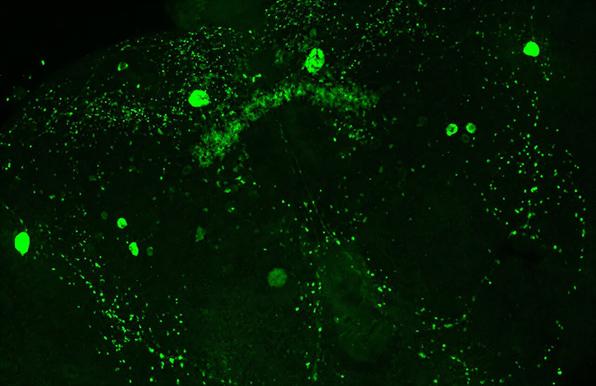
Cancer-related wasting of organs and muscles has been linked to two factors secreted by cancerous tumors that reduce the appetite for protein-rich food.. The study was conducted in fruit flies, but humans have equivalent signals.

Summary: https://medicalxpress.com/news/2026-04-protein-early-herald-cancer-cachexia.html

Original paper: https://www.nature.com/articles/s41467-026-70074-2
#Science #Health #Cancer #Cachexia

Not wanting to eat protein may be early herald of cancer cachexia

A majority of people with advanced cancers endure cachexia, a muscle-, fat-, and organ-wasting condition that is currently incurable and can be life-threatening. Detecting and intervening early can slow progression, but poor understanding of how cachexia first arises in the body makes it difficult for doctors to identify the warning signs of impending wasting other than an overall loss of appetite (anorexia).

Medical Xpress

Dr. @SamtaniSuraj presenting: Cancer Cachexia, Key Takeaways.

- Cachexia is common, progressive, and clinically relevant.
- Early recognition is essential.
- The precachexia stage is the window of opportunity.
- Optimal strategies for treating cancer cachexia: major unmet need in oncology care.

#LungCancer #TargetedTherapiesOncTalk #LungCancerInformation #cachexia

Dr. Suraj Samtani, now presenting: "Diagnosis and Treatment of Cancer Cachexia in Lung Cancer".

The Unignorable Numbers

Lung cancer remains the leading cause of cancer mortality in the United States, with cachexia compounding the challenge at every stage.

#LungCancer #TargetedTherapies #Cachexia

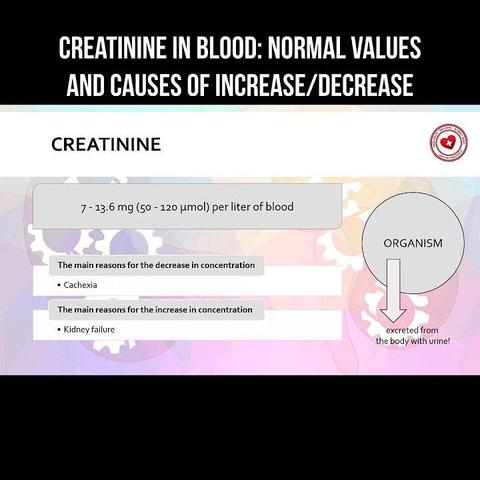
Creatinine in blood: normal values (level) and causes of increase/decrease #creatinine #cachexia
... Continue to: https://youtube.com/shorts/huIxcpSX-V4?si=PUoxRv1HnpCobYIX
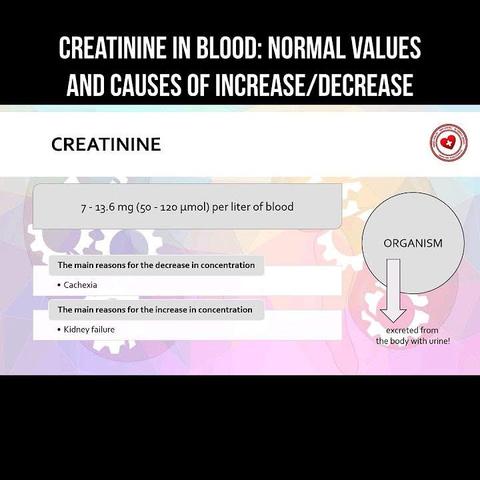
Creatinine in blood: normal values (level) and causes of increase/decrease #creatinine #cachexia
... Continue to: https://youtube.com/shorts/huIxcpSX-V4?si=JM5booz-d1DZewg7
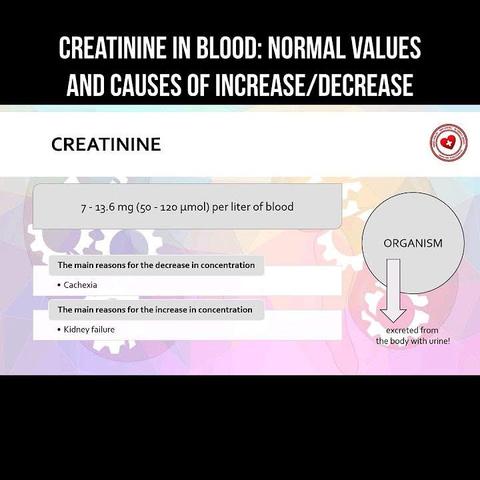
Creatinine in blood: normal values (level) and causes of increase/decrease #creatinine #cachexia
... Continue to: https://youtube.com/shorts/huIxcpSX-V4?si=xMW0SMgUz_6vJOIC
#Tumor patients can lose muscle mass (cachexia) -> bad prognosis. Study looks at all RNAs in skeletal muscles of cancer patients. Finds 2 complex clusters with distinct RNA expression, 1 cluster with stronger cachexia. Progress but no simple explanation for #cachexia.
https://www.nature.com/articles/s41586-025-09502-0
Molecular subtypes of human skeletal muscle in cancer cachexia - Nature

Unbiased clustering analysis of the skeletal muscle RNAome in patients with cancer identifies two molecular subtypes, one of which distinguishes individuals with cachexia and indicates potential target pathways for future research.

Nature
Cancer Cachexia: Liver Identified as Driver of Body Wasting

Cancer causes loss of muscle (cachexia) through the release of a protein, Activin-A, that causes leakiness and loss of blood vessels, even those far from the tumor.

Summary: https://theconversation.com/muscle-weakness-in-cancer-survivors-may-be-caused-by-treatable-weakness-in-blood-vessels-new-research-259765

Original paper: https://www.nature.com/articles/s43018-025-00975-6

#Science #Cancer #MuscleWasting #Cachexia

Muscle weakness in cancer survivors may be caused by treatable weakness in blood vessels – new research

Many cancer survivors struggle with muscle weakness, which can be so profound that they may have difficulties walking up a couple of flights of stairs or going shopping for groceries on their own.

The Conversation
Keto diet in cancer: A double-edged sword?

The ketogenic diet—on its own—may accelerate cachexia, a disease that leads to weight loss and muscle wasting, in cancer patients, a mice study finds.

Medical News Today