📸 The Rosette Nebula from DECam
A cosmic bloom in Monoceros. This glowing nebula spans 100 light-years and cradles young stars in its heart. Captured in vivid detail by DECam in Chile.

📅 APOD – July 16, 2025
📷 Credit: CTIO, NOIRLab, DOE, NSF, AURA

#APOD #NASA #RosetteNebula #NGC2237 #DECam #NOIRLab #CTIO #Nebulae #StarFormation #Monoceros #Astrophotography #Astronomy #Space #StellarNursery #EmissionNebula #DeepSky #Telescope #CosmicBloom #Stars #Universe #StellarSnap


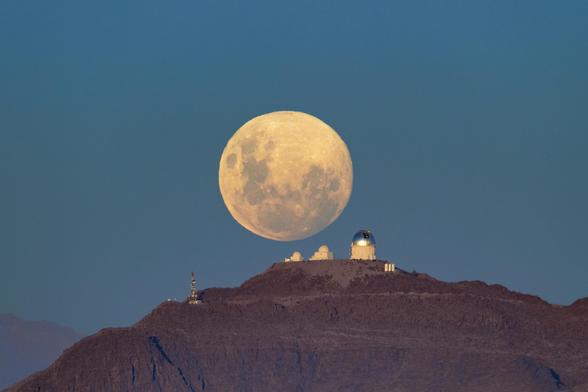
A Cerulean Moonset over CTIO (B View)

Credit: CTIO/NOIRLab/NSF/AURA/H. Stockebrand
https://noirlab.edu/public/images/iotw2523b/

#NOIRLab #photography #Astronomy #Astrodon #astrophotography #CTIO #Andes #Chile #science #Moon

NOIRLab image of the week

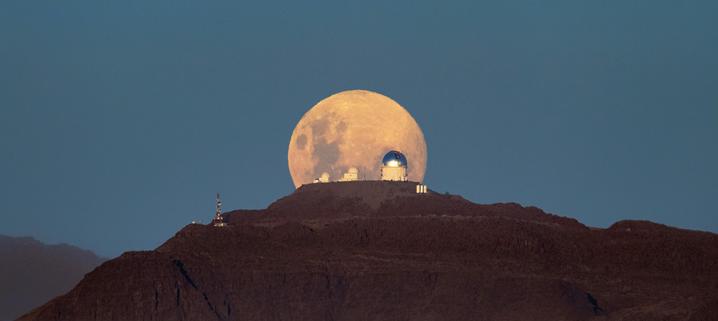
A Cerulean Moonset over CTIO

Credit: CTIO/NOIRLab/NSF/AURA/H. Stockebrand
https://noirlab.edu/public/images/iotw2523a/

#NOIRLab #photography #Astronomy #Astrodon #astrophotography #CTIO #Andes #Chile #science #Moon

NOIRLab image of the week

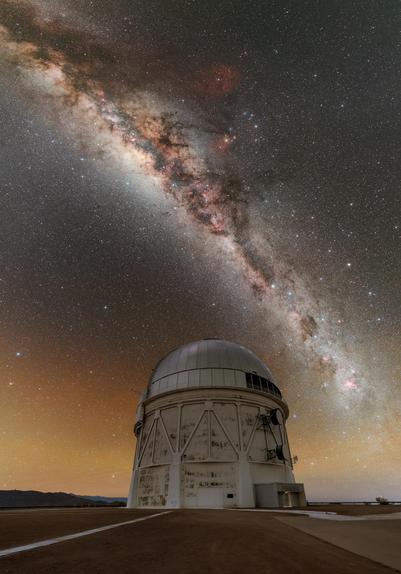
Dust and Dark Energy above CTIO

Credit: CTIO/NOIRLab/NSF/AURA/P. Horálek (Institute of Physics in Opava)
Release date: Jan. 22, 2025
https://noirlab.edu/public/images/iotw2504a/

#Astronomy #NOIRLab #BlancoTelescope #stars #milkyway #photography #astrophotography #nightskyphotography #darkenergy #CTIO #CerroTololo #Chile #DECam #cosmology #science #STEM #astrodon

Dust and Dark Energy above CTIO

Dust and Dark Energy above CTIO

www.noirlab.edu

New instance; new #introduction!

I got my PhD in physics at #UCSC working with the #DarkEnergySurvey. I studied #cosmology via galaxy clusters, observing at #CTIO and via #Chandra. It's hard to stay in touch with the field, so I am excited to see that #astrodon is a thing!

Now I am a software engineer at Google, optimizing their fiber optic networks. In my spare time, I play lead guitar, I'm learning Japanese, and I play a ton of #pathfinder2e. I'm excited to discuss all of the above here!

Astronomen haben einen Asteroiden entdeckt, der sich der Sonne bis auf 20 Millionen Kilometer nähert. Auf seiner Oberfläche wird es dabei ziemlich heiß.
Astronomie: Schnellster Asteroid im Sonnensystem entdeckt

Astronomen haben einen Asteroiden entdeckt, der sich der Sonne bis auf 20 Millionen Kilometer nähert. Auf seiner Oberfläche wird es dabei ziemlich heiß.