U3dn
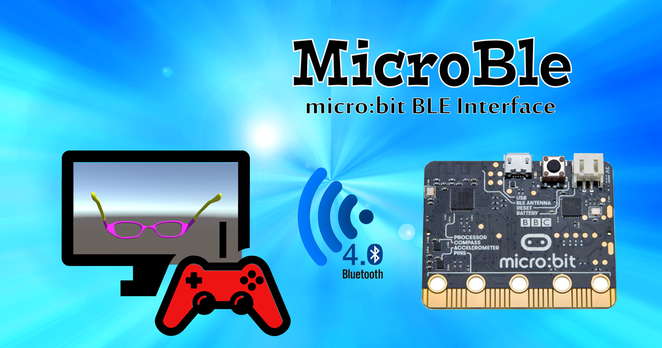
U3dnMicroBle - micro:bit BLE Interface #Microbit #Ble #Bluetoothlowenergy #Gamepad #Accelerometer #Ledscreen #Unity #Arduinoide #AssetStore
https://u3dn.com/packages/microble-micro-bit-ble-interface-178584
MicroBle - micro:bit BLE Interface #Microbit #Ble #Bluetoothlowenergy #Gamepad #Accelerometer #Ledscreen #Unity #Arduinoide #AssetStore
https://u3dn.com/packages/microble-micro-bit-ble-interface-178584
Reverse-Engineering the Bluetooth Fichero Thermal Label Printer Protocol

Sony anuncia fones TWS com cancelamento de ruído 25% mais potente


#BLE #BluetoothLowEnergy anybody? The perfect, permanent trackers that can't be turned off. Try the Android App BLE Radar – BLE is a crazy stalking tool.
#AmtseidOderPalantir #USGestapo#Minnesota #Minneapolis.
#AlexKarp #Söder #Kretschmer
https://www.404media.co/elite-the-palantir-app-ice-uses-to-find-neighborhoods-to-raid/
"What can we do with asynchronous programming?" That was the question that kicked off my latest project. My OBS heart rate widget had been broken for months, and solving it meant tackling a huge technical challenge: bridging a fast, asynchronous Bluetooth data stream with a slow, blocking synchronous OBS WebSocket client. It became the perfect real-world test for Python's concurrency tools.
The problem started with vendor lock-in. After my old Fitbit died, I moved to a Garmin Instinct II, whose heart rate broadcasts via standard Bluetooth Low Energy (BLE). This shift from a proprietary API to an open interface was the critical first step. It enabled me to easily capture the data using the bleak library, setting up my asynchronous producer.
The core challenge lay in the Producer-Consumer pattern. My async producer needed to feed the synchronous consumer (the OBS client) without blocking the entire event loop. The solution was to delegate the blocking I/O using asyncio.to_thread and then separate the components entirely using threads and a queue for synchronization. This allowed both the fast BLE communication and the slower OBS updates to work independently and reliably.
So, is this project a good example of what asyncio is capable of? Absolutely. It shows that even when not all components are asynchronous, it is still possible to create a reliable and non-blocking workaround. Check out the full breakdown, including the code snippets and my thoughts on the future of open hardware development!
#Python #Asyncio #Concurrency #BluetoothLowEnergy #SoftwareDevelopment #OBS


TL;DR Before you start First off, before we start Bluetooth hacking can be confusing, there are lots of references to tools that are a bit outdated, scripts that don’t run, and more. The actual Bluetooth specs are huge, but honestly, who cares as long as you can make a device do a thing? If we […]
 13
13
 Tecnoblog • tecnologia que interessa [Unofficial]
 Markus Feilner
 Jeffrey04
 Dominik
 blackfell 🧗🏭🧉