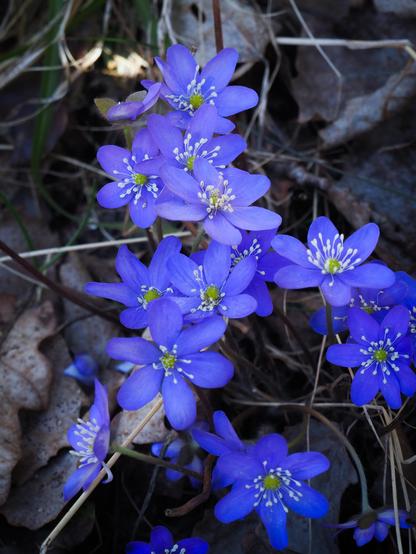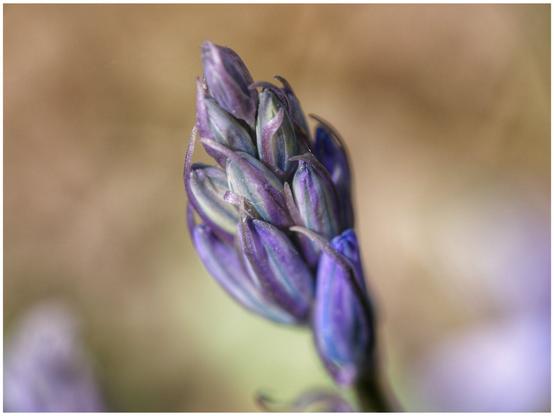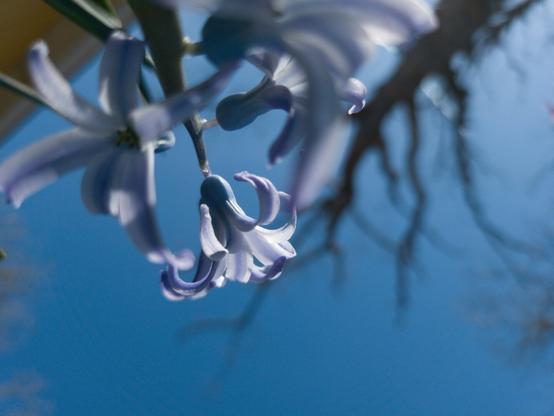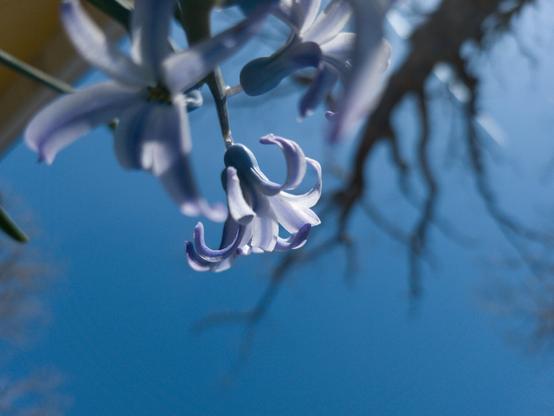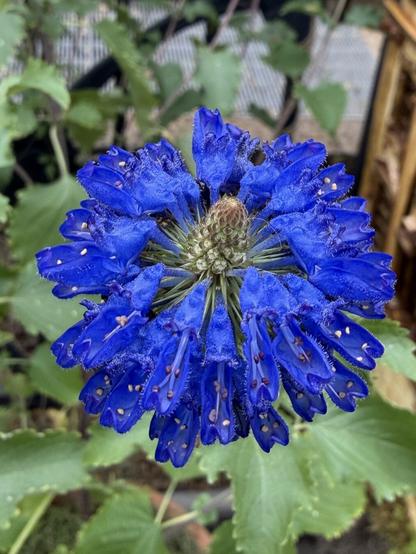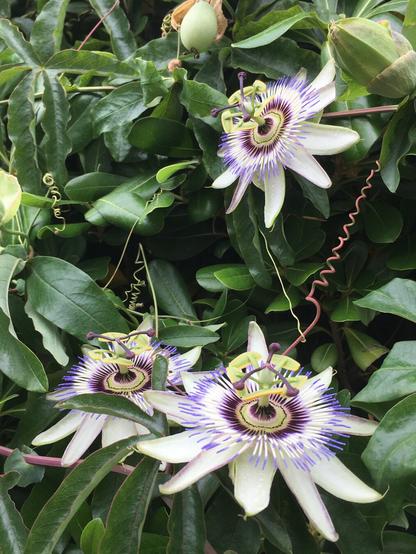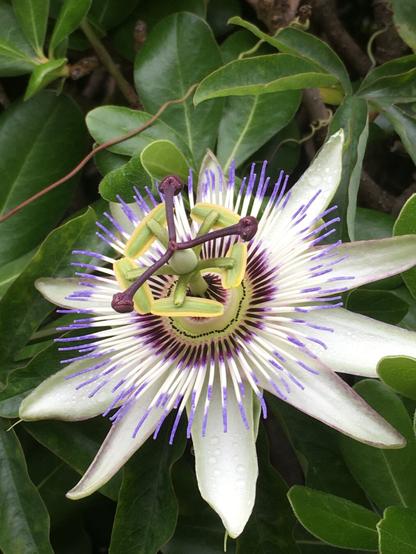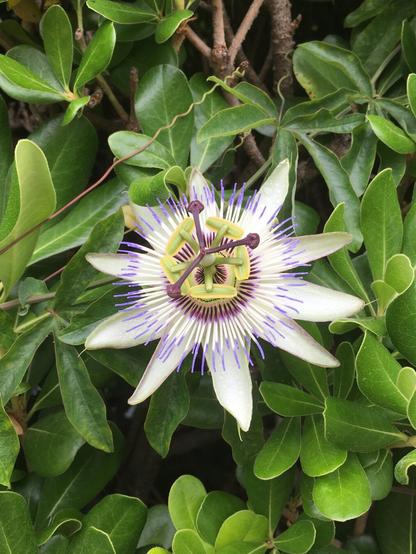
Botanical Garden flower series. Washington, District of Columbia, United States 2026

#BlueFlower #CloseUpPhotography #Gardening #NatureLovers #BotanicalBeauty

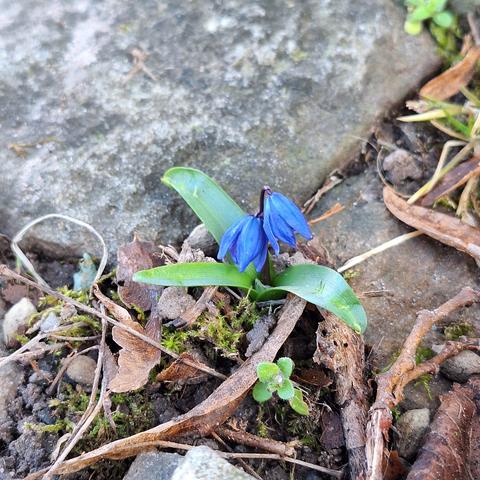
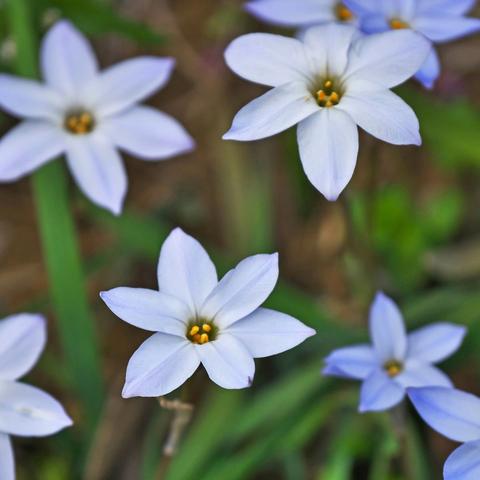
At last, Spring

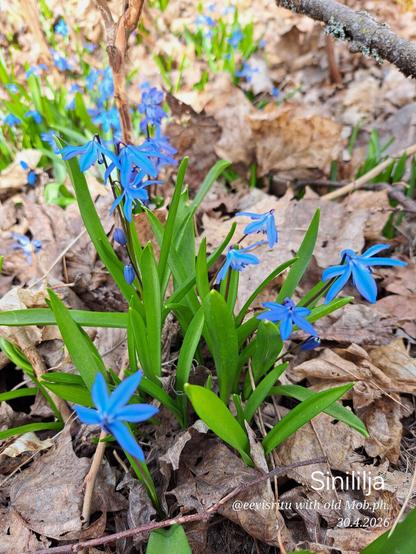
…And when we got back from ‘messing about in boats’ to plant #LeafyGreens from that sweet little nursery we found along the way, we saw it. The first of the small #SpringStar #BlueFlower bulbs had burst into bloom. We settled in, admiring its ethereal #blues with a nice cup of tea, happy to be home.

#Spring

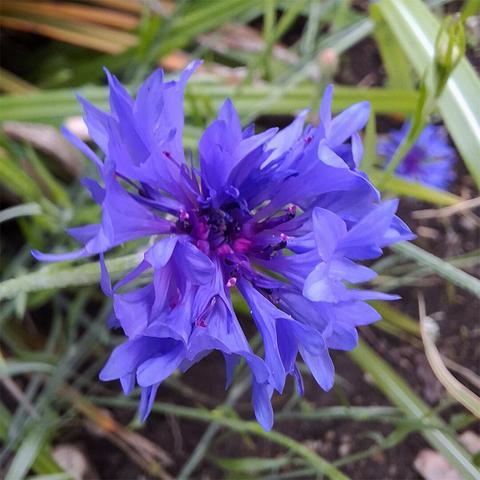
Cornflower (Centaurea cyanus, Echte Kornblume) is an annual wildflower native to Europe, traditionally found growing in grain fields and other open habitats. It is known for its intense blue petals and delicate, thistle-like structure. Once common in agricultural landscapes, it declined due to herbicide use but has made a comeback in wildflower mixes and eco-friendly gardens.
Cornflower is an important plant for pollinators. Its vivid blue flowers are highly attractive to bees, especially honeybees and bumblebees, as well as butterflies and hoverflies. It offers nectar and pollen throughout summer, supporting insects during their active periods. Additionally, its seeds can provide food for birds like finches. In wildflower meadows and naturalistic plantings, Centaurea cyanus helps restore biodiversity and plays a role in regenerating species-rich ecosystems.

#wildflower #cornflower #flower #blueflower #centaurea #centaureacyanus #kornblume
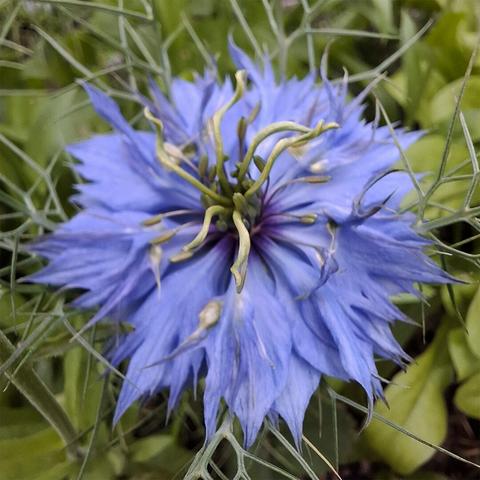
Nigella damascena, commonly known as Love-in-a-Mist or Jungfer im Grünen, is an annual flowering plant belonging to the buttercup family (Ranunculaceae). Native to southern Europe and North Africa, it is well-loved in gardens for its delicate beauty and ease of cultivation. The plant features finely divided, feathery foliage and produces striking flowers in shades of blue, white, or pink, which are surrounded by thread-like bracts that create a misty or airy appearance.
Beyond its ornamental charm, Nigella damascena also holds ecological value. It serves as a nectar and pollen source for various pollinators, including bees and hoverflies, supporting the health and diversity of garden ecosystems. The plant self-seeds readily, helping to maintain ground cover and reduce soil erosion, particularly in cottage gardens or wildflower patches. Additionally, it can play a beneficial role in companion planting by attracting pollinators to nearby vegetables and herbs. With minimal care required, Love-in-a-Mist offers both aesthetic and ecological benefits, making it a valuable addition to pollinator-friendly gardens.

#gardenflower #flower #blueflower #nigelladamascena #nigella #jungferimgruenen #loveinamist
Observed on a Forest walk. #blue #flower #nature #blueflower

A natural inhabitant of our campsite.

#hoverfly #schwebfliege #blueflower

(Ursprünglich am 28. Juni 2023 auf Instagram gepostet.)