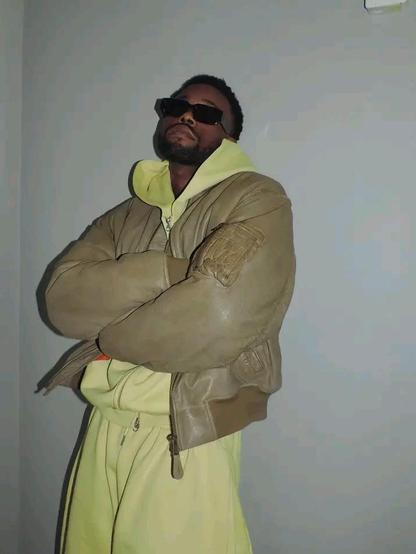
 Bahdlex
Happy birthday! #idyl #music (singer )
A𝒈𝒆 𝒊𝒔 𝒋𝒖𝒔𝒕 𝒂 𝒏𝒖𝒎𝒃𝒆𝒓🍿🍬🎈🎉 #Celebrities #hbd
🥧 Grow stronger and wax stronger #bahdlex
#Bahdlexbirthday #April28 #April28th #congrate #bahdlexempire #Bahdlexblog #Bahd #Lex

Happy birthday! #idyl #music (singer )
A𝒈𝒆 𝒊𝒔 𝒋𝒖𝒔𝒕 𝒂 𝒏𝒖𝒎𝒃𝒆𝒓🍿🍬🎈🎉 #Celebrities #hbd
🥧 Grow stronger and wax stronger #bahdlex
#Bahdlexbirthday #April28 #April28th #congrate #bahdlexempire #Bahdlexblog #Bahd #Lex
It's world 🌍 #LojayMusic Day 🍡🍥🎂🍰🍭🍬🍿🍷🍹🙏🍡
Happy #Birthday to #Lojay 🥳
A𝒈𝒆 𝒊𝒔 𝒋𝒖𝒔𝒕 𝒂 𝒏𝒖𝒎𝒃𝒆𝒓🍿🍬🎈🎉 #Celebrities #hbd
🥧 Grow stronger and wax stronger #bahdlex
#Bahdlexbirthday #April28 #April28th #congrate #bahdlexempire #Bahdlexblog #Bahd #Lex



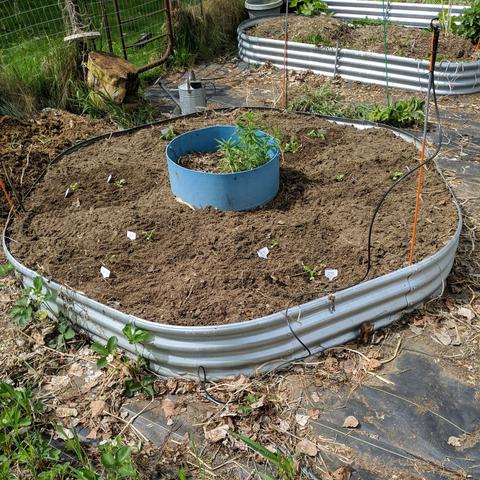
Planted out the rest of the bok choy so I can officially have way too many bok choy plants, unless 18 isn't too many. This bed will get melons planted in it eventually. The center is being left to the fireweed growing in it and some marigolds that have sprouted and were put in there.
#gardening #GrowYourOwn #BokChoy #garden #GrownFromSeed #April28
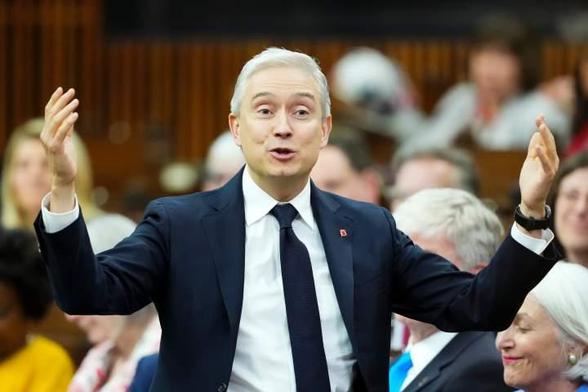
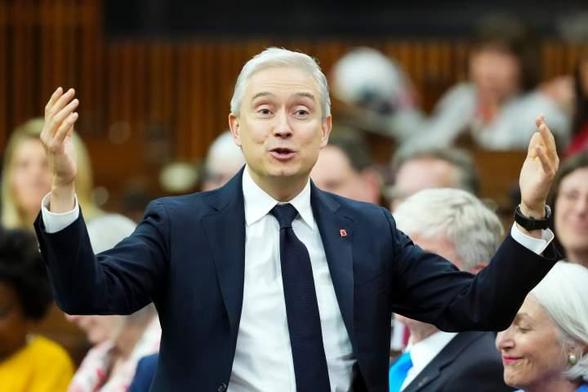
(Thx for posting, MAU!
Translation by DeepL:)
“No Vietcong ever called me a nigger”
" #April28, 1967: #MuhammadAli, the world heavyweight champion, declares himself a conscientious objector.
He refuses to go to #Vietnam to kill strangers."
🔥 URGENT: Day of Mourning - Day of Action
Tuesday, April 28 at 2 PM
WSIB, 200 Front Street West, Toronto
We mourn for the dead.
We fight for the living.
Join IAVGO Community Legal Clinic and fellow injured workers demanding fair treatment and accountability.
647-832-1514 | [email protected]
🕯️ National Day of Mourning - Windsor
Tuesday, April 28 at 5 PM EST
📍 Reaume Park at The Injured Workers Monument, Windsor ON
Join Windsor & District Labour Council as we lay flowers at the riverfront to remember those killed or injured in the workplace.
Renew your commitment to worker health, safety, and well-being.
🍽️ Refreshments 6 PM at Hook and Ladder (3690 Seminole Street)
 Tom
Tom Global News Canada
 Global News National
 Global News
 Global News Politics
 Gerd_Brodowski
 3mpwrApp