Dr Sam Morrell

@smorrell
1.4K Followers
67 Following
289 Posts

Devonian #astrophysicist, #astronomer, #ecologist at @uoe_astro / University of Exeter Environment and Sustainability Institute. Researcher of #lightpollution, #ALAN, #stars, and #exoplanets.

Aspiring science educator. Crafter of code. Musician and music lover. Ex astris, scientia. (he/him).

Websitehttps://sammorrell.co.uk/
LinkedInhttps://www.linkedin.com/in/sammorrell/

Planetary radius measurements in literature have uncertainties about 40% larger than we measure in this work.

John Southworth, a co-author of this paper, used the revised stellar parameters, and in some cases did new fitting of #TESS lightcurves, and found that our measurements were more precise than those found in the literature.

The attached plot shows the revised #exoplanet radius and mass, along with the difference between ours and those in #TEPCat (https://www.astro.keele.ac.uk/jkt/tepcat/).

Our stellar radii have uncertainties of about 2%, and we measure stellar temperatures to around 50K.

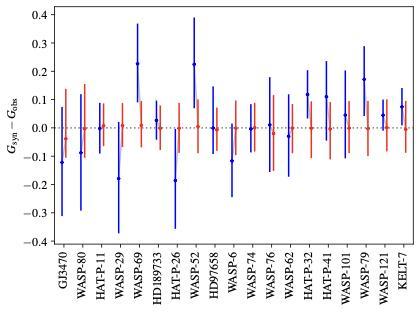
We validated our parameters, via synthetic #Gaia #DR3 G-band photometry, we find that our parameters show a factor of 10 reduction in RMS residual and nearly a 40% improvement in mean uncertainty, when compared to the literature. The attached plot shows this comparison, with data derived from literature parameters shown in blue, and our parameters shown in red.

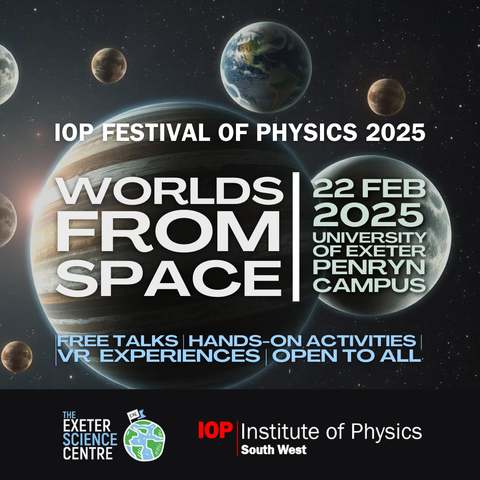
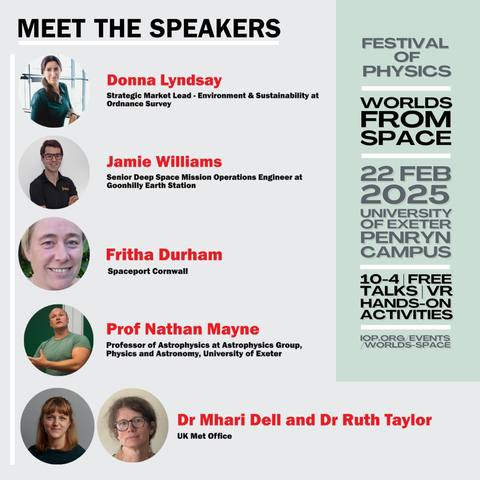
After months of planning, preparation, and postponement, the annual #InstituteOfPhysics IOP South West #FestivalOfPhysics is tomorrow! And for the first time it will be taking place in #Cornwall at the University of Exeter’s #Penryn campus.

I'm genuinely so proud that we've managed to pull this together and finally bring this event down to Cornwall, while celebrating the Cornish #SpaceScience industry and local talent. It promises to be an incredible day!
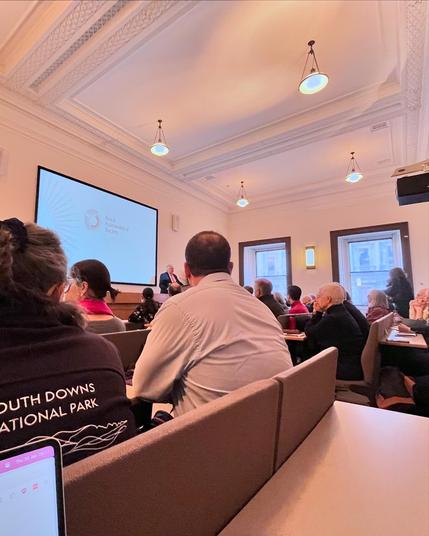
Took a trip to the Royal Astronomical Society yesterday for an interesting meeting about #LightPollution.

Talks from policy makers, campaigners, researchers and volunteers gave a fantastic overview of the challenges remaining in the field, particularly around policy making, but highlighted some of the progress and successful case studies. Thanks to @royalastrosoc and the organisers for pulling this event together.

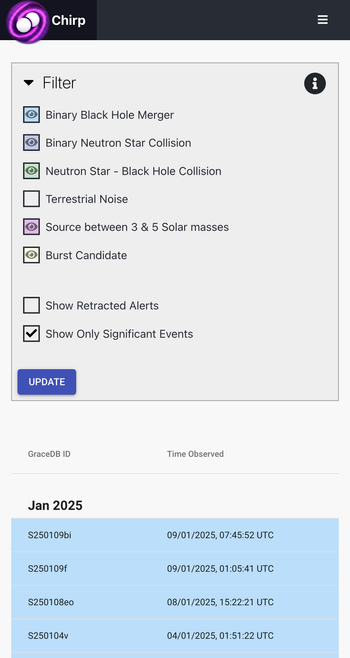
Pushed a sizeable update to #gwchirp, our app for monitoring #GravitationalWaves, this evening. With the recent deluge of alerts in O4, it has been hotly requested that Chirp…

a) limits to only showing significant events by default.
b) allows you to filter our different alert types.

Thanks to a little coding session over the holiday I'm delighted to report that both features have made their way into the latest version of Chirp web app, which was deployed today.

https://chirp.research.exeter.ac.uk/alerts

Chirp - Gravitational Wave Alerts

Chirp is an app that allows you to keep track of the latest collisions of black holes, neutron stars and maybe more, just minutes after they are detected by the growing international gravitational wave detector network.

I was invited to Devon County Council’s County House to present some of the #alan #lightpollution #ecology #research we are doing at @UniOfExeter to the council’s streetlighting and signals team. My 30 minute presentation ended up lasting over 2 hours thanks to lots of fantastic discussion. Thanks to the team for having me along.

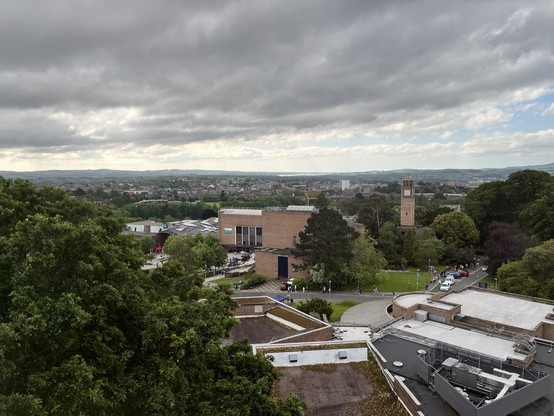
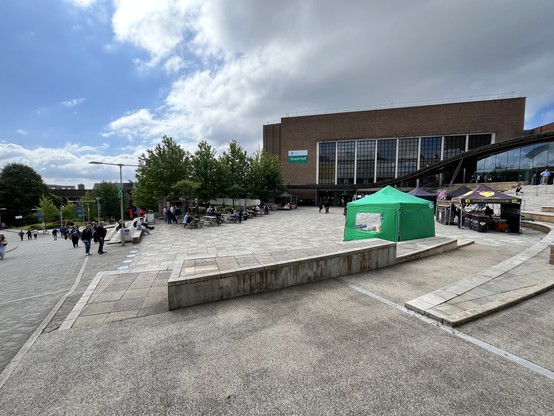
It’s a hive of activity on the #UniversityOfExeter campus today. Considering the time of year, that can only mean one thing - open days are upon us!

A huge welcome to all of the potential students and their entourages. I hope you are inspired that same way I was all those years ago when I visited for the first time. I look forward to seeing some of you in the new academic year. 🙂

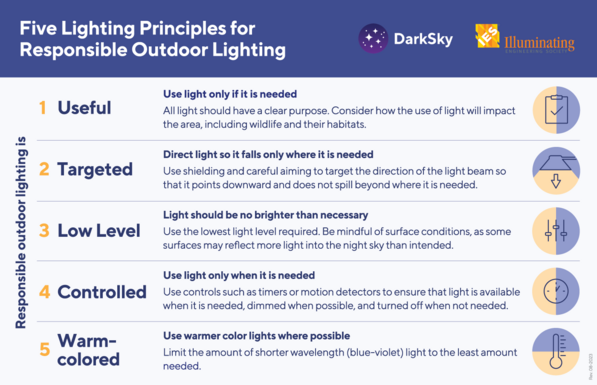
As it's the International Day of Light it seems like an ideal opportunity to check the #DarkSkyInternational 5 Principles for Responsible Outdoor Lighting. Check your property today!

Happy #InternationalDayOfLight! The myriad ways that humans harness light is vital for powering our modern society. As an astrophysicist, I already had an appreciation for the deep understanding of light and how to measure it that underpins the entirety of the subject. My recent research on #artificiallight and its #ecological impacts have given me a further respect for lights role mediating our ecosystems.

Find out a bit more about the International Day of Light:
https://www.lightday.org/about

About | idlight

idlight
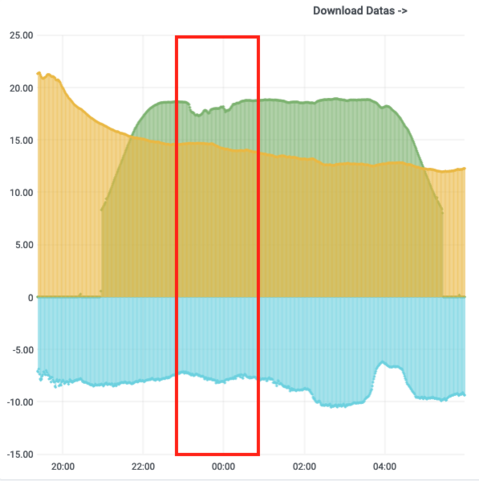
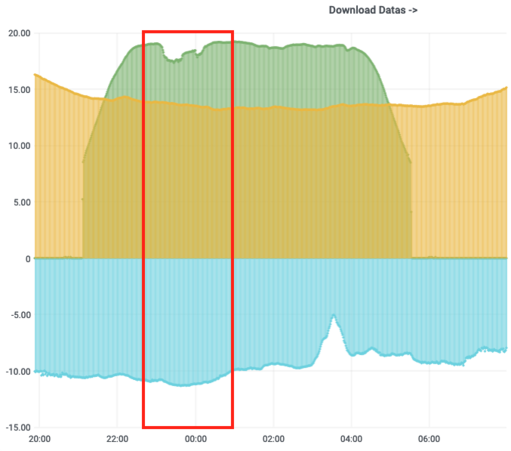
Just thought to go and look at the TESS-W sky brightness photometers we have installed (both here on Streatham Campus at Exeter, and at Penryn in Cornwall), and sure enough looks like the #aurora last Friday night showed up in the data. 😀 Shows up throughout the night, but the highlighted part is the particularly bright section just before midnight.