 Italian News by RSS
Il Tempo: Hormuz, gli Ayatollah ora chiedono un canone per usare i cavi sottomarini
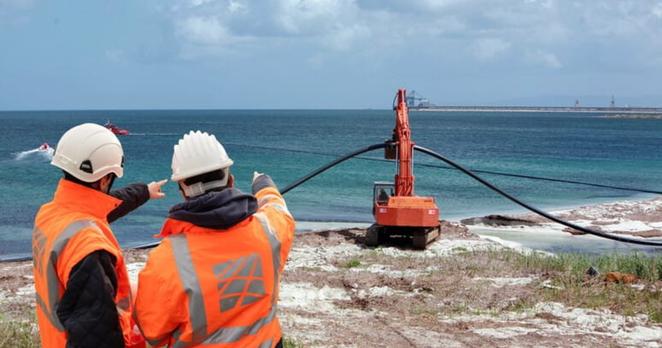
L'Iran sta valutando di imporre un canone alle aziende internazionali per l'utilizzo dei cavi sottomarini in fibra ottica posati nello Stretto di Hormuz. Se dovrà rinunciare ai dazi da far pagare alle navi per arrivare ad un accordo di pace, come chiedono gli Stafi Uniti, Teheran ha in serbo un altro progetto una volta terminata la guerra. Secondo quanto riportato dal quotidiano Iran International la Repubblica islamica potrebbe iniziare a imporre un corrispettivo alle società che fanno passare dati Internet attraverso i cavi sottomarini. L'agenzia Tasnim, che ha legami con il Corpo delle Guardie della Rivoluzione, sostiene che i cavi potrebbero diventare un'importante fonte di reddito per l'Iran in un momento in cui il Paese, sottoposto a sanzioni, è alla ricerca di nuove fonti di guadagno e di un maggiore controllo sullo Stretto di Hormuz.
Secondo quanto riportato, la Repubblica islamica potrebbe iniziare a chiedere alle aziende straniere di versare canoni annuali per l'utilizzo delle rotte di comunicazione che collegano il Golfo Persico al resto del mondo. Il meccanismo potrebbe generare ulteriori entrate concedendo alle imprese iraniane il controllo esclusivo sulla riparazione e manutenzione dei cavi. E i vantaggi potrebbero andare oltre l'aspetto puramente economico, poiché gli Ayatollah potrebbero imporre ai giganti della tecnologia, tra cui Amazon e Meta, di operare in conformità con la legge iraniana se desiderano accedere al mercato. Con una tesi simile, l'agenzia di stampa Fars afferma che l'Iran ha il diritto di esercitare la propria sovranità sullo Stretto, compresi i cavi in fibra ottica qui posati, e che il diritto di transito non modifica tale diritto.
Le affermazioni pubblicate dai media iraniani sembrano rappresentare l'ultimo tentativo della Repubblica islamica di trarre profitto dallo Stretto di Hormuz, una rotta marittima fondamentale attraverso la quale transita il 20% del petrolio e del gas naturale. Dall'inizio della guerra con Stati Uniti e Israele, il 28 febbraio scorso, l'Iran ha imposto una chiusura quasi totale dello Stretto che collega il Golfo Persico all'Oceano Indiano e ha chiesto alle navi in transito il pagamento di una tariffa per poterlo attraversare. Gli Usa si sono opposti organizzando un "blocco navale", poi revocato.
Hormuz, the ayatollahs now demand a fee for using the undersea cables.
Iran is considering imposing a fee on international companies for the use of fiber optic cables laid in the Strait of Hormuz. If it must relinquish the right to impose tariffs on ships to reach a peace agreement, as the United States requests, Tehran has another project in store once the war is over. According to the Iranian International newspaper, the Islamic Republic could begin to demand a fee from companies that transmit internet data through the submarine cables. The Tasnim agency, which has ties to the Revolutionary Guard Corps, claims that the cables could become an important source of income for Iran at a time when the country, subject to sanctions, is seeking new sources of revenue and greater control over the Strait of Hormuz.
According to reports, the Islamic Republic could begin asking foreign companies to pay annual fees for the use of communication routes connecting the Persian Gulf to the rest of the world. The mechanism could generate additional revenue by granting Iranian companies exclusive control over the repair and maintenance of the cables. And the benefits could go beyond the purely economic aspect, as the Ayatollahs could impose on technology giants, including Amazon and Meta, to operate in accordance with Iranian law if they wish to access the market. With a similar thesis, the Fars news agency states that Iran has the right to exercise its sovereignty over the Strait, including the fiber optic cables laid here, and that the right of transit does not modify such a right.
The claims published by Iranian media appear to be the latest attempt by the Islamic Republic to profit from the Strait of Hormuz, a maritime route through which 20% of oil and natural gas transits. Since the beginning of the war with the United States and Israel, on February 28th, the Iran has imposed almost total closure of the Strait connecting the Persian Gulf to the Indian Ocean and has asked ships transiting to pay a tariff to cross it. The US opposed this by organizing a “naval blockade”, which was later revoked.
#Hormuz #theStraitofHormuz #theUnitedStates #Tehran #Iranian #theIslamicRepublic #thePersianGulf #Amazon #Strait #Israel #theIndianOcean